How to attach wood to aluminum extrusion?
You may struggle when combining wood and aluminum profiles—misalignment, loosening fasteners, wood splitting. Let’s fix that.
Attaching wood to aluminum extrusion effectively means choosing the right fasteners, using proper brackets, preventing wood damage, and sometimes adding adhesives for extra strength.
In the following sections I’ll walk through four key questions so you can select the best method for your project.
What fasteners join wood to extrusions best?
If the wrong fastener is used the joint may fail under load or vibration.
Mechanical fasteners such as T‑nuts, bolts into the extrusion slots, and wood screws (with pilot holes) give reliable joining between wood and aluminum profiles.

When I attach wood panels to aluminum extrusions, I first consider the extrusion type (for example a T‑slot profile) and the wood thickness. For the aluminum side I often use a roll‑in T‑nut or square T‑nut into the slot, so the fastener is anchored in the extrusion rather than only into the aluminum wall. One source notes that using standard panel retainer brackets with bolts and T‑nuts works cleanly for panel mounting in extrusions.
On the wood side I always drill pilot holes. Without pilot holes, wood can split or the screw may spin in the cavity. The screw length must allow adequate embedment into the wood while not penetrating undesired surfaces. For example, if the wood is 20 mm thick and sits against the extrusion, you might choose a screw length of ~25 mm to extend into the wood slightly and bear load. The diameter should match the shear and pull‑out requirements.
I also consider the load direction. If the wood panel is loaded in shear (sliding) relative to the extrusion, the fastener must resist lateral motion. If the panel is loaded in tension (pull‑away), then deeper embedment and stronger fastener choice are necessary. Sometimes I use bolts rather than wood screws: through‑bolt the wood, into a threaded T‑nut in the extrusion slot, securing via a washer and nut on the wood side. That gives stronger joint.
Another consideration: surface finish between wood and aluminum. If the wood expands (humidity) there can be movement. The fastener should allow some tightening later if loosening occurs. Using washers under screw heads helps spread load and avoid compression damage to the wood.
Here is a simple table summarising fastener choices:
| Fastener type | Use case | Pros | Cons |
|---|---|---|---|
| Wood screw into wood + T‑nut in extrusion | Moderate loads, fixed panels | Cost‑effective, simple | Less strength in tension than bolt |
| Through‑bolt with nut + T‑nut | Heavy loads, frequent serviceable | High strength, disassembly possible | Requires access both ends |
| Self‑tapping screw into aluminum + wood | Thin filler wood layers | Quick installation | Risk of stripping aluminum thread |
Using only wood screws into the wood panel without anchoring into the extrusion slot is sufficient for long‑term load bearing.False
Because the extrusion slot anchoring (T‑nut) provides the load path into the aluminum, relying solely on wood screws may lead to loosening or pull‑out under load.
A T‑nut anchored in the extrusion slot combined with a properly embedded screw in the wood gives a stronger joint than just adhesive alone.True
Mechanical anchoring provides positive connection and is less reliant on surface bonding strength which can degrade over time.
Why use brackets for wood–aluminum joints?
Brackets bridge geometry mismatches and give hidden or robust joints—without them you may struggle to align wood and extrusion.
Brackets allow secure mounting of wood panels to aluminum extrusions by providing set positions, distributing loads, and facilitating clean assembly, especially when wood and profiles don’t align perfectly.
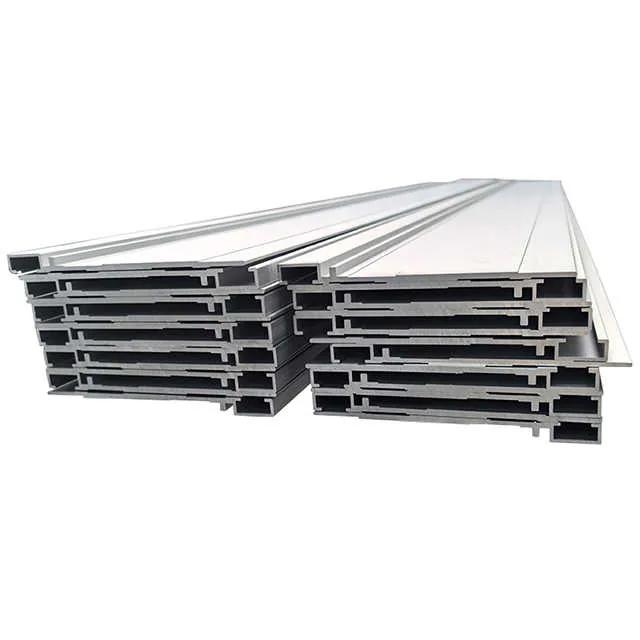
In many build‑ups, the wood panel or timber has one surface sitting flush with an aluminum extrusion frame. The extrusion might have a T‑slot, or might be used as a channel to attach other components. A bracket acts as an intermediary component: one leg fastens into the extrusion (via T‑nut or slot bolt) and the other leg fastens into the wood. This dual‑mount approach gives a more controlled, rigid joint.
One practical scenario: I built a shelving frame using 20 mm × 20 mm aluminium profiles and 18 mm plywood shelves. The plywood sat atop the horizontal extrusion and I used right‑angle steel brackets: the horizontal leg was bolted into the T‑slot; the vertical leg screwed into the plywood underside. This prevented the plywood from rotating or lifting when loaded.
Advantages of brackets include:
- Load distribution: instead of all shear load being through fasteners in wood, bracket spreads load over a plate area.
- Alignment and repeatability: bracket positions ensure panels align and clearances maintained.
- Serviceability: if you need to remove the panel, unscrew the bracket rather than removing multiple screws in wood.
- Hidden fixation: brackets can hide fasteners from view, giving cleaner aesthetics.
Here’s a mini‑table of bracket comparison:
| Bracket type | Best for | Considerations |
|---|---|---|
| Right‑angle metal bracket | Shelves, perpendicular joints | Must check bolt access and clearance |
| Flat plate bracket | Flush panel mounting | Requires accurate drilling in both parts |
| Corner bracket with slot bolt | Modular frames and extrusions | Extra hardware cost but high flexibility |
Brackets are essential for any wood‑to‑aluminum extrusion join to prevent failure.False
While brackets are very helpful, in some low‑load or aesthetic cases wood screws plus adhesive may suffice.
Using brackets improves alignment, load distribution and serviceability compared with simply screwing wood into the aluminum extrusion.True
Brackets offer those benefits by acting as structural intermediaries and improving connection quality.
How to prevent wood splitting when fastening?
If you draw the screw too close to wood edge or skip pilot drilling, the wood might crack and weaken the joint.
Prevent wood splitting by selecting correct screw size, drilling proper pilot and clearance holes, avoiding edges, and monitoring wood moisture content and grain direction.

When I work with wood panels (plywood, MDF, hardwood) attaching them to aluminium extrusions, I pay special attention to how fasteners interact with the wood. Wood splitting is a common failure: the joint may seem fine initially, but over time vibration or load cycling can cause cracks at the screw hole or edge of the panel.
Here are the key tactics I use:
1. Pilot holes and clearance
For screws into wood, I always drill a pilot hole. The pilot hole diameter depends on screw thread diameter and wood type: for softwood maybe 70‑80% of root diameter; for hardwood maybe equal to root diameter.
2. Edge distance
Screws placed too close to the wood edge increase splitting risk. I follow a rule of thumb: keep screw center at least 2× screw diameter from panel edge.
3. Grain direction and wood type
With solid wood, aligning screw direction with grain helps reduce splitting. With plywood or MDF this is less of an issue, but veneer layers may delaminate if load is too high.
4. Use of washers and load‑spread
If screw heads bear into wood, the bearing stress may cause wood to crush or split. I use washers or under‑head cups to spread the load.
5. Countersinking and pre‑drilling for wood insert
If I’m using large diameter screws or bolts, I sometimes countersink the wood side so that screw head is flush. This also reduces local stresses.
6. Controlling moisture and movement
Wood expands and contracts. If the joint is rigid and wood moves, the fastener may either loosen or the wood split. I allow for small movements by using screws that can be retightened.
| Preventive step | Why it helps |
|---|---|
| Pilot hole | Reduces stress when inserting screw |
| Edge distance | Avoids splitting and veneer peel |
| Washers under screw head | Spreads load, reduces local load peak |
| Proper wood prep (dry) | Minimises wood movement after fastening |
| Countersink if needed | Flush finish and less stress point |
If you skip pilot drilling you are likely to get wood splitting when driving larger screws near the edge.True
Skipping pilot holes raises the insertion torque and increases radial stresses in wood, which often leads to splitting.
Choosing a screw diameter equal to the panel thickness always prevents splitting.False
A screw too large relative to thickness or too close to edge can increase splitting; diameter must suit wood type, thickness and edge distance.
Can adhesives improve hybrid assembly?
Relying only on mechanical fasteners leaves surfaces and gaps as weak points. Adhesives can help share the load and bond dissimilar materials.
Using adhesives in addition to mechanical fasteners can improve bond strength, distribute stresses across the wood–aluminum interface, and reduce loosening over time.

In projects where aesthetics, vibration resistance or sealed joints are required, I often supplement the mechanical attachment with an adhesive layer between the wood and the aluminum extrusion or bracket.
Here’s how I apply adhesive in hybrid assemblies:
- Clean both surfaces. Lightly sand the aluminum and wipe dry the wood.
- Apply adhesive according to manufacturer spec. Clamp both sides.
- Use fasteners as a mechanical backup.
- Let the adhesive cure fully before final torque.
| Joint method | Advantages | Trade‑offs |
|---|---|---|
| Fasteners only | Simple, low cost, removable | Possibly concentrated loads, movement over time |
| Adhesive only | Clean look, distributed load | Hard to disassemble, long cure time |
| Hybrid (fasteners + adhesive) | Best of both worlds | Higher cost, more labor |
Adhesive alone is sufficient for all wood‑to‑aluminum extrusion joints.False
Adhesive alone may not provide sufficient strength for load‑bearing applications or allow future disassembly; mechanical fasteners still provide primary load path.
Combining adhesive with mechanical fasteners offers superior performance for many wood‑to‑aluminum extrusion joints.True
The adhesive spreads and shares loads while fasteners provide positive mechanical connection and serviceability.
Conclusion
In summary, when I join wood to aluminum extrusion I use the right fasteners for the job, employ brackets for alignment and load distribution, prevent wood splitting through good practice, and often add adhesives for enhanced performance. Combining these approaches gives strong, durable joints suited for high‑quality manufacturing or assembly.