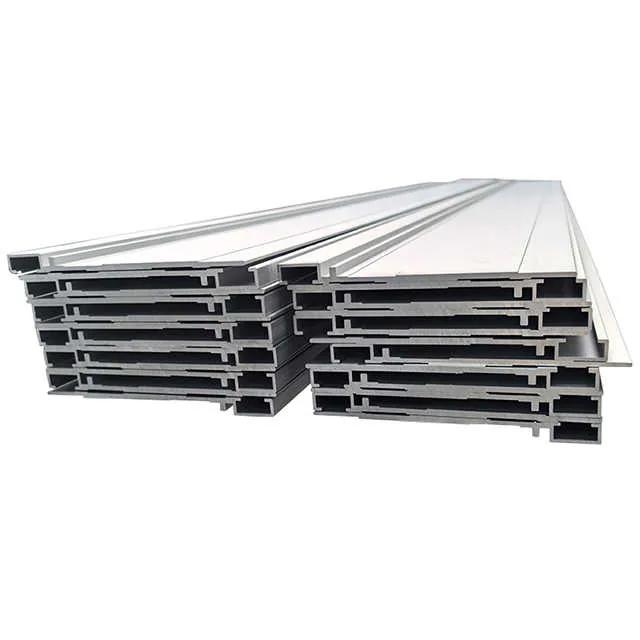
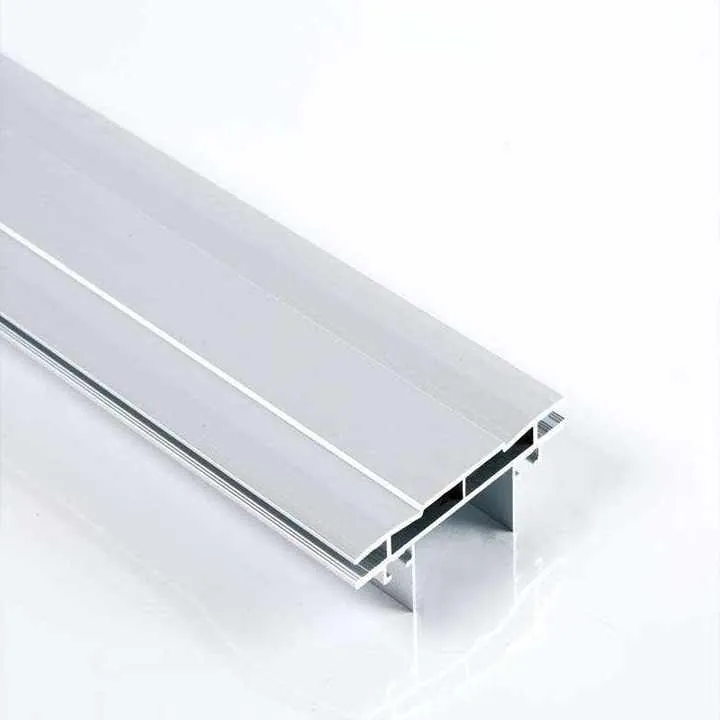
how hot can aluminum extrusions get before it warps?

I faced a major risk when our aluminum profiles bent under heat—what exactly causes that warping?
Aluminum extrusions begin losing structural stability at surprisingly moderate temperatures—often above ~150 °C (302 °F)—and may outright warp well below their melting point (~660 °C / 1220 °F).
Let’s explore how temperature, alloy choice, measurement methods and reinforcement can all affect heat‑warp risk in extruded aluminum.
What temperatures risk extrusion deformation?
Imagine a long aluminum rail that looks fine at room temperature, then sags under heat—what temperature triggers that?
For many standard aluminum alloys, mechanical strength drops significantly above ~200–250 °C (392–482 °F), making warping or creep under load a real risk.
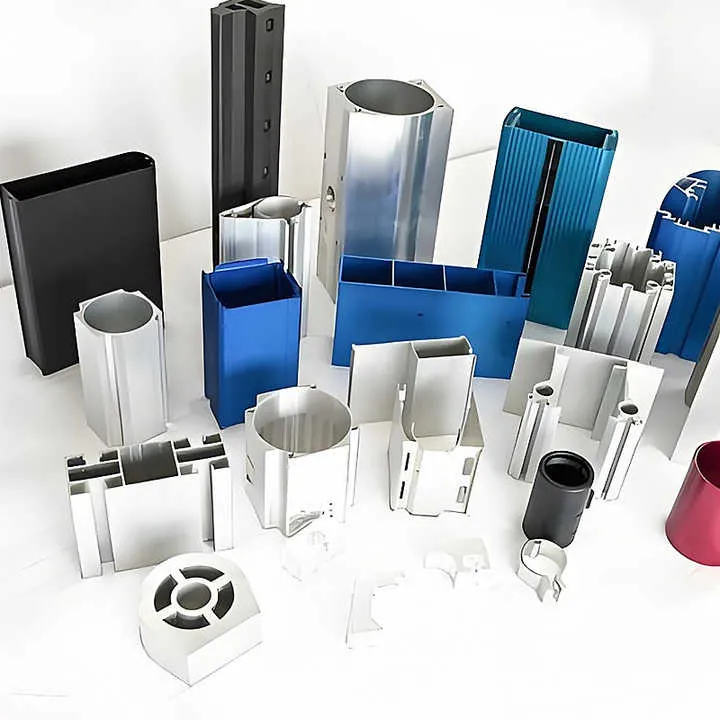
When I consider a profile manufactured by my company, I know that the melting point of aluminum (~660 °C / 1220 °F) is not the practical limit for deformation. Instead, practical operating limits are far lower because of changes in microstructure, yield strength, and thermal expansion.
Key phenomena to watch
- Loss of strength & stiffness: As temperature rises, the yield strength and modulus of aluminum drop. Thin components show marked decline past 300 K above room temp.
- Thermal expansion and distortion: Uneven heating causes internal stress.
- Creep & time‑dependent deformation: Even subcritical temps cause deformation over time.
- Structural geometry effects: Thin walls and long spans deform more easily.
- Alloy temper and treatment: Heat-treated tempers resist better, but all degrade under heat.
Practical guideline
| Temperature Range | Risk Level | Notes |
|---|---|---|
| <150 °C | Low | Usually safe |
| 150–250 °C | Medium-High | Strength starts to drop |
| >300 °C | High | Severe weakening and deformation |
| ~660 °C | Critical | Melting occurs |
Special case: Heat treatment warpage
Distortion during solution treatment is common because those temperatures approach recrystallization thresholds. It’s not only about the alloy but also how it’s cooled or quenched.
Why geometry matters
A hollow extrusion warps faster than a solid bar due to:
- Faster heat absorption
- Lower stiffness
- Larger unsupported span
Standard aluminum extrusions begin significant strength loss above ~200 °CTrue
Sources show many aluminum alloys lose tensile yield strength and stiffness noticeably above ~200 °C, which increases warp risk.
Aluminum extrusions remain completely stable up to their melting point (~660 °C) without warp riskFalse
Even though melting occurs at ~660 °C, earlier loss of mechanical properties and thermal distortion cause warping long before that.
Why alloy composition affects heat tolerance?
If one profile warps under heat and another stays straight, often the difference is alloy chemistry and temper—why is that?
Alloy composition and heat‐treatment state determine how well an aluminum extrusion retains strength, stiffness and dimensional stability at elevated temperature.
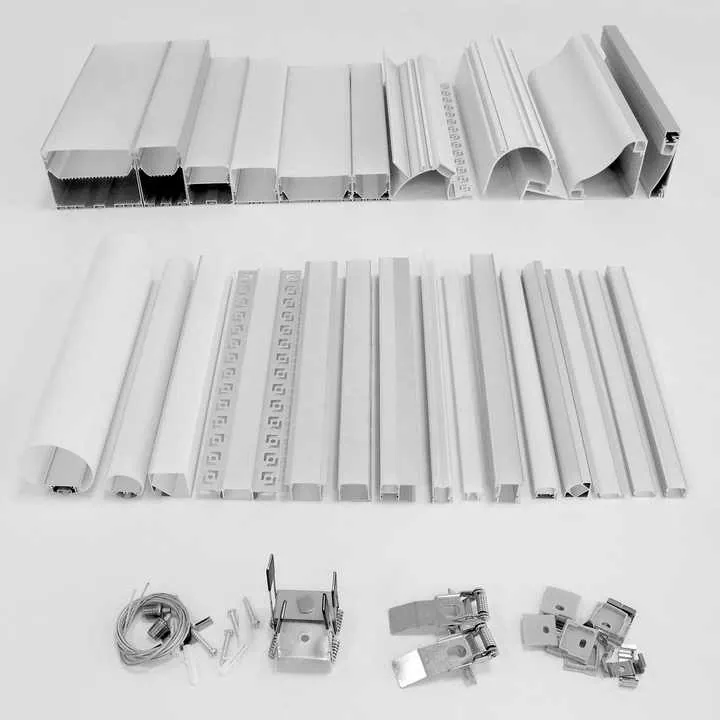
In my work at a manufacturing firm like Sinoextrud, I always emphasise that not all aluminum alloys are created equal when it comes to elevated‐temperature performance. The alloy system, temper, grain structure, and alloying elements all influence how the material behaves under heat.
Key factors
1. Alloy Series
| Alloy Series | Use Case | Heat Resistance |
|---|---|---|
| 6061 / 6063 | General structural/extrusions | Moderate |
| 2024 / 7075 | Aerospace | Low at heat |
| 2618 / 2219 | High-temp applications | High |
2. Temper Conditions
T6 tempers have higher strength but may degrade quickly at elevated temperatures due to precipitation coarsening.
3. Microstructure
At high temperatures, grain coarsening and precipitate dissolution weaken material structure. Stability varies by alloy and temper.
4. Thermal Compatibility
Different materials expand at different rates. When aluminum extrusions are part of multi-material systems, expansion mismatch can induce stress.
Real-world design advice
If a profile must handle 180 °C consistently, I’d never recommend 6063-T5 without reinforcement. I’d test or switch to a higher-temp alloy, increase wall thickness or add support.
Alloy composition and heat treatment state significantly affect the temperature at which an aluminum extrusion will warpTrue
Different alloy systems, temper states and microstructures have different high‐temperature mechanical property retention, so alloy choice affects warp tolerance.
Any aluminum alloy behaves exactly the same at elevated temperatures regardless of compositionFalse
Mechanical behavior at heat varies widely between alloys; composition and temper matter a lot.
How to measure extrusion thermal limits?
You know your profile may see high heat — but how do you determine its actual safe limit before warping?
Measuring thermal limits of an aluminum extrusion involves testing or modelling yield strength vs temperature, creep behaviour, and deformation under representative loads and geometry.

I help clients validate high-temperature extrusion performance with lab tests and simulations.
Step-by-step method
- Define thermal exposure – max temp, duration, load type.
- Reference material data – yield strength curves and modulus drop data.
- Use simulation tools (FEM) – simulate thermal expansion and load deflection.
- Conduct heat test – use physical samples, apply heat and load.
- Compare with standards – check warpage against straightness specs (±0.5 mm/m).
Sample material behavior data
| Temp (°C) | 6063 Yield Strength (%) | Warping Risk |
|---|---|---|
| 25 | 100 | Low |
| 150 | ~80 | Moderate |
| 250 | ~50 | High |
| 350+ | ~25 or less | Critical |
Metrics to monitor
- Yield strength at temperature
- Creep deformation rate
- Linear thermal expansion (CTE)
- Straightness deviation (mm/m)
Example application
We tested a 6063-T6 extrusion under 200 °C and observed 2 mm deflection over 3 m after 3 hours. Not acceptable. Solution: reduce span, change geometry, or switch alloy.
Simulating and measuring straightness under elevated temperature and load is key to validating extrusion thermal limitsTrue
Because geometry, alloy and load all vary, measurement or simulation is necessary to know the safe envelope.
You can assume any standard extruded aluminum profile will hold straight at any temperature up to 300 °C without special checkFalse
Many standard extrusions lose strength and may warp above ~200‑250 °C; you must check each case.
Can reinforcement reduce heat warping?
If a profile is at risk of heat‐induced warping, can we strengthen or reinforce it to avoid the problem?
Yes — reinforcement (geometry changes, ribs, thicker walls, external supports or composite inserts) can significantly reduce warping risk under elevated temperature, provided material compatibility and thermal expansion are addressed.

I guide clients through reinforcing heat-exposed extrusions by altering section design or support strategies.
Types of reinforcement
- Thicker walls: Improves stiffness but increases heat retention.
- Internal ribs/webs: Adds rigidity without much weight.
- External supports: Anchors reduce unsupported span.
- Composite inserts: Steel rods or high-temp plastics add stiffness.
Trade-offs to consider
| Method | Advantage | Drawback |
|---|---|---|
| Thicker walls | Stiffer, strong | Heavier, costlier |
| Mid-span support | Simple, effective | Needs extra hardware |
| Insulation layer | Keeps temp lower | May trap heat inside |
| Composite inserts | High rigidity | CTE mismatch problems |
My workflow
I usually:
- Redesign the profile with ribs.
- Add mid-span support where possible.
- Evaluate use of inserts only if geometry can’t change.
- Recommend reflective coating or shields to limit heat gain.
This layered approach helps avoid warping with minimal cost.
Adding structural reinforcement and support reduces the risk of extrusion warping under heatTrue
Reinforcement increases stiffness and reduces unsupported span which lowers deformation under load and thermal expansion.
You can rely solely on reinforcement and ignore alloy choice when designing for high temperature extrusionsFalse
Alloy choice remains critical for high temperature performance; reinforcement alone cannot compensate for a material that loses strength at elevated temperatures.
Conclusion
After reviewing temperature risks, alloy properties, measurement methods and reinforcement options, I believe the safe practice is: for typical extruded aluminum profiles, assume that warping risk begins well before melting—in the range ~150‑250 °C—select alloy/temper accordingly, verify limits via modelling or test, and include reinforcement or support when geometry or loads demand it.