How do standard extrusions compare with custom aluminum extrusions?

When choosing aluminum extrusions, the first decision often comes down to standard versus custom. This choice shapes your product’s function, look, and price.
Standard extrusions are off-the-shelf profiles made in bulk, while custom extrusions are engineered for your unique needs. Choosing the right type depends on your specific project goals.
This decision isn’t just about shapes. It’s about flexibility, timelines, and total costs. If you’re unsure which type suits you best, this article will give you a clear path forward.
What defines a standard extrusion?
Standard extrusions are everywhere—in window frames, solar panel mounts, and even office furniture. But are they really “standard” for your use?
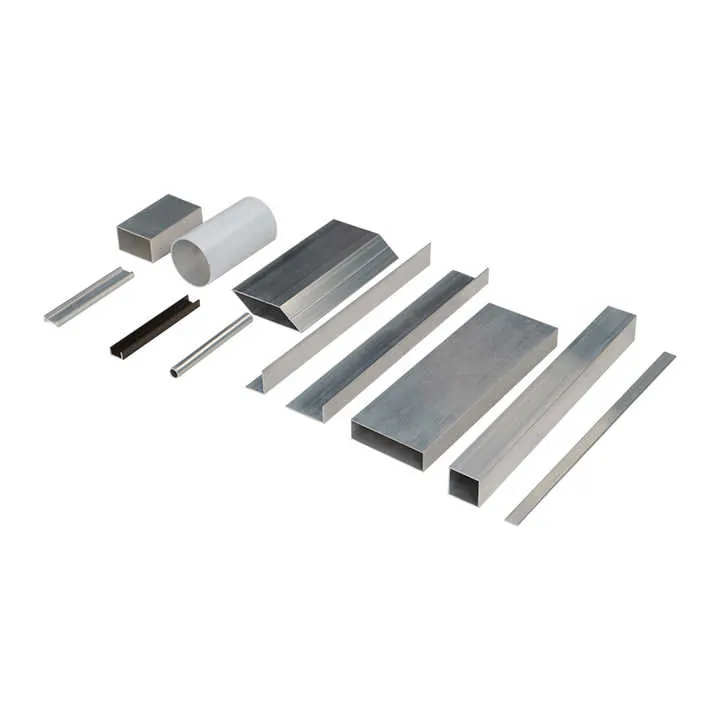
Standard aluminum extrusions are pre-designed profiles commonly manufactured in high volumes. They’re ready-made, cost-effective, and ideal for generic applications.

These profiles come in fixed dimensions and common shapes like tubes, angles, channels, and T-slots. Many manufacturers, including us at Sinoextrud, keep hundreds of such designs in stock, which means zero tooling costs and faster order processing. You just pick from a catalog, specify the length, and you’re ready to go.
Examples of Standard Profiles
| Type | Common Applications |
|---|---|
| T-slot | Framing systems, automation lines |
| U-channel | Sliding doors, panel supports |
| Angles | Brackets, reinforcements |
| Tubes | Furniture, structural posts |
These designs work well for industries like construction, shelving, and even consumer electronics—anywhere uniformity matters more than uniqueness.
However, standard extrusions can restrict innovation. If your product requires a special function—like extra grooves, integrated mounting brackets, or heat dissipation fins—standard shapes often fall short. That’s where custom solutions come in.
Standard aluminum extrusions are ideal for high-volume applications with basic design needs.True
They are cost-effective and readily available for industries that use simple, uniform profiles.
Standard extrusions always cost less than custom extrusions.False
While they usually have no tooling costs, some high-spec standard extrusions can still be more expensive than simple custom profiles in bulk.
What benefits come with custom designs?
Sometimes, “close enough” just isn’t good enough. That’s when a custom aluminum extrusion becomes a smart investment.
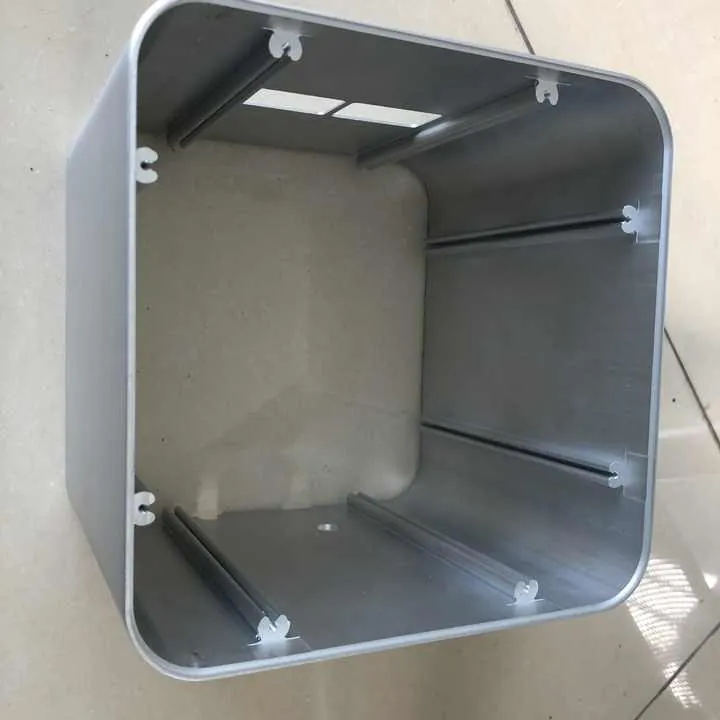
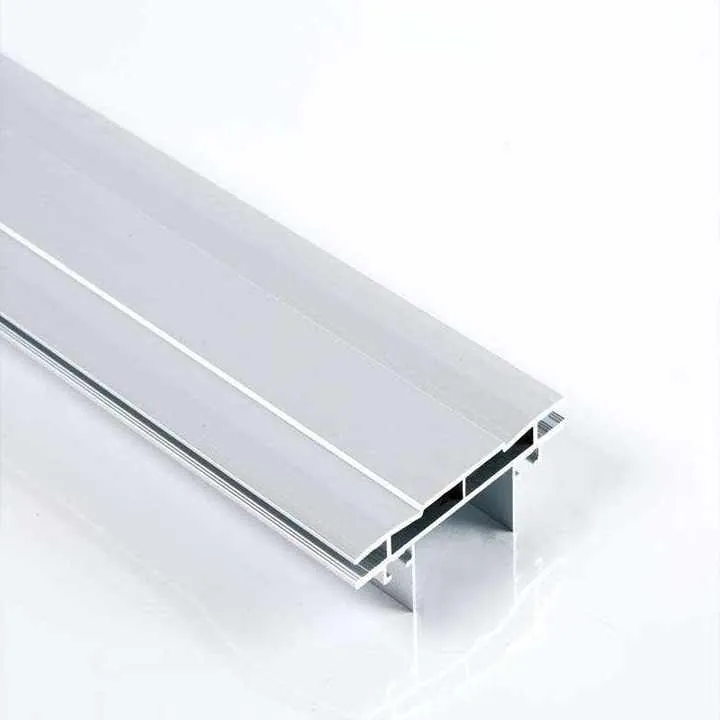
Custom aluminum extrusions are engineered to your specifications, enabling better functionality, fit, aesthetics, and performance. They are best for unique or complex applications.

Let me give an example. One of our clients needed a frame for a medical imaging device. A standard extrusion wouldn’t align with their internal components. So we developed a custom profile with built-in wire channels and integrated fastener slots. It saved them extra steps in assembly and reduced material waste.
Key Advantages of Custom Extrusions
| Feature | Benefit |
|---|---|
| Tailored Geometry | Fits your design perfectly |
| Integrated Features | Fewer parts, faster assembly |
| Brand Differentiation | Unique product aesthetics |
| Optimized Material Use | Lower waste, higher efficiency |
| Better Structural Fit | Improved performance in end use |
Custom extrusions are also ideal for weight-sensitive products like drones, EV parts, or aerospace frames. By optimizing wall thickness and geometry, you cut weight without compromising strength.
Of course, custom doesn’t mean slow or expensive. At Sinoextrud, we offer fast mold development, and for qualifying clients, we may even waive tooling fees. When quantities are right, custom actually brings better ROI in the long run.
Custom extrusions allow you to reduce assembly time by combining multiple parts into one design.True
Integrated features in custom profiles eliminate the need for extra brackets or connectors.
Custom aluminum profiles cannot be made in high volumes.False
Once the tooling is set, custom extrusions can be produced at scale like any standard shape.
How do lead times differ?
When deadlines loom, the speed of delivery becomes a top concern. So, how do standard and custom lead times compare?
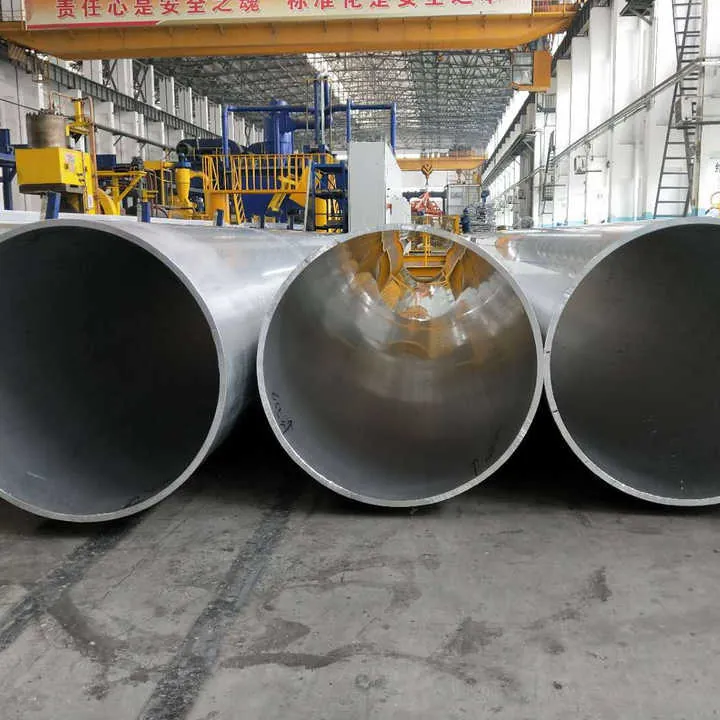
Standard aluminum extrusions are typically faster to deliver because they require no new tooling. Custom extrusions take longer due to mold design, testing, and approval steps.
Let me break it down:
Lead Time Comparison
| Process Step | Standard Profiles | Custom Profiles |
|---|---|---|
| Design & Review | None | 2–7 days |
| Mold Fabrication | None | 7–15 days |
| Trial Production | None | 3–5 days |
| Mass Production | 5–10 days | 10–15 days |
| Total Lead Time | 5–10 days | 20–35 days |
Keep in mind that lead times vary by project size, complexity, and supplier capacity. In our case at Sinoextrud, we run 43 extrusion lines. That allows us to handle both standard and custom orders in parallel, which helps keep things efficient even when tooling is involved.
Also, once the custom mold is created, reorders are as fast as standard. This means the delay mostly affects your first run.
Standard extrusions can be shipped within a week in many cases.True
Since they are often in stock or need only cutting, shipping is faster.
Custom extrusions always take more than two months to deliver.False
With streamlined processes, custom extrusions can be ready in three to five weeks.
Which option best fits your project needs?
The real question isn’t “Which is better?” but “Which is better for you?”
Choose standard extrusions if your project uses generic profiles or you need them fast. Choose custom if you need better fit, performance, or aesthetics.
Let’s look at the decision matrix:
Choosing Between Standard and Custom
| Criteria | Choose Standard | Choose Custom |
|---|---|---|
| Time Sensitivity | Urgent delivery | Can wait 3–5 weeks |
| Budget Constraints | Tight budget | Long-term ROI matters |
| Design Complexity | Simple frames | Integrated functions needed |
| Order Volume | Low to medium | Medium to high |
| Branding Needs | Not critical | Aesthetic value matters |
| Industry Application | General, construction | Specialized, medical, aerospace |
Still not sure? Here’s a real use case: A lighting company initially used standard U-channels for their LED fixtures. But their design team later requested integrated heat sinks and mounting clips. We designed a custom extrusion, reducing parts from five to one, cutting their assembly time by 40%.
That’s the power of custom.
If your design includes unique curves or cutouts, you should consider custom extrusions.True
Custom dies can replicate complex geometries that are impossible with standard shapes.
Standard extrusions are always the best option for long-term manufacturing.False
If your design is fixed and repeated, investing in a custom extrusion can reduce total cost and improve quality.
Conclusion
Standard extrusions offer speed and cost benefits, while custom extrusions provide flexibility and performance. The best choice depends on your priorities—whether it’s lead time, budget, or functionality.