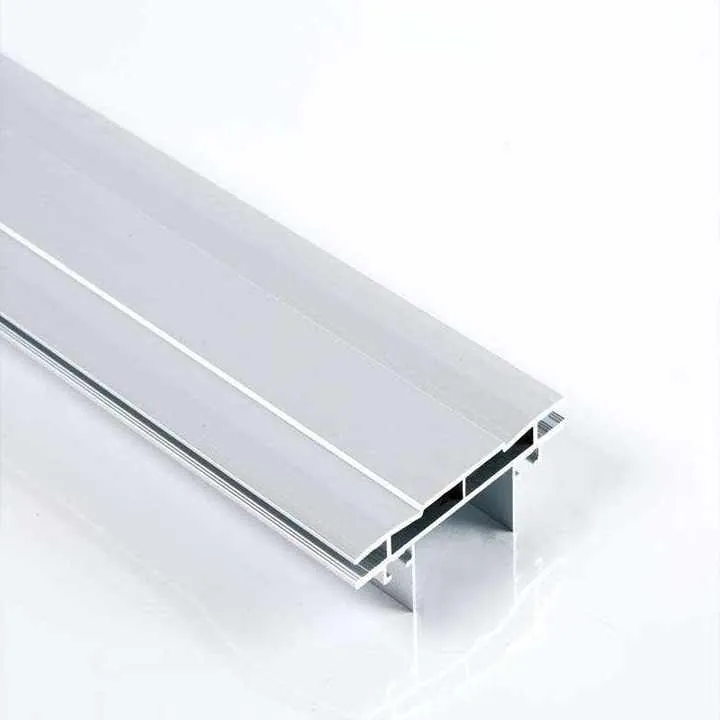
Heat sink quality inspection standards required?

I once had a project where everything looked good on paper—but the heat sinks failed early. After that, I took inspection standards much more seriously. It changed everything.
Good quality inspection for heat sinks must cover dimensions, materials, finishing and performance, so they work properly and last long in real environments.
In this article, I’ll walk through what inspections ensure heat sink quality, how OEMs check structural precision, what standards apply, and if thermal testing is mandatory.
What inspections ensure heat sink quality?
Imagine delivering thousands of heat sinks and then hearing back that the parts don’t fit, or they corrode too fast. That pain can be avoided with the right inspection process.
Effective heat sink inspection includes material checks, dimensional controls, surface finish tests, and sometimes thermal performance verification—at multiple stages of production.
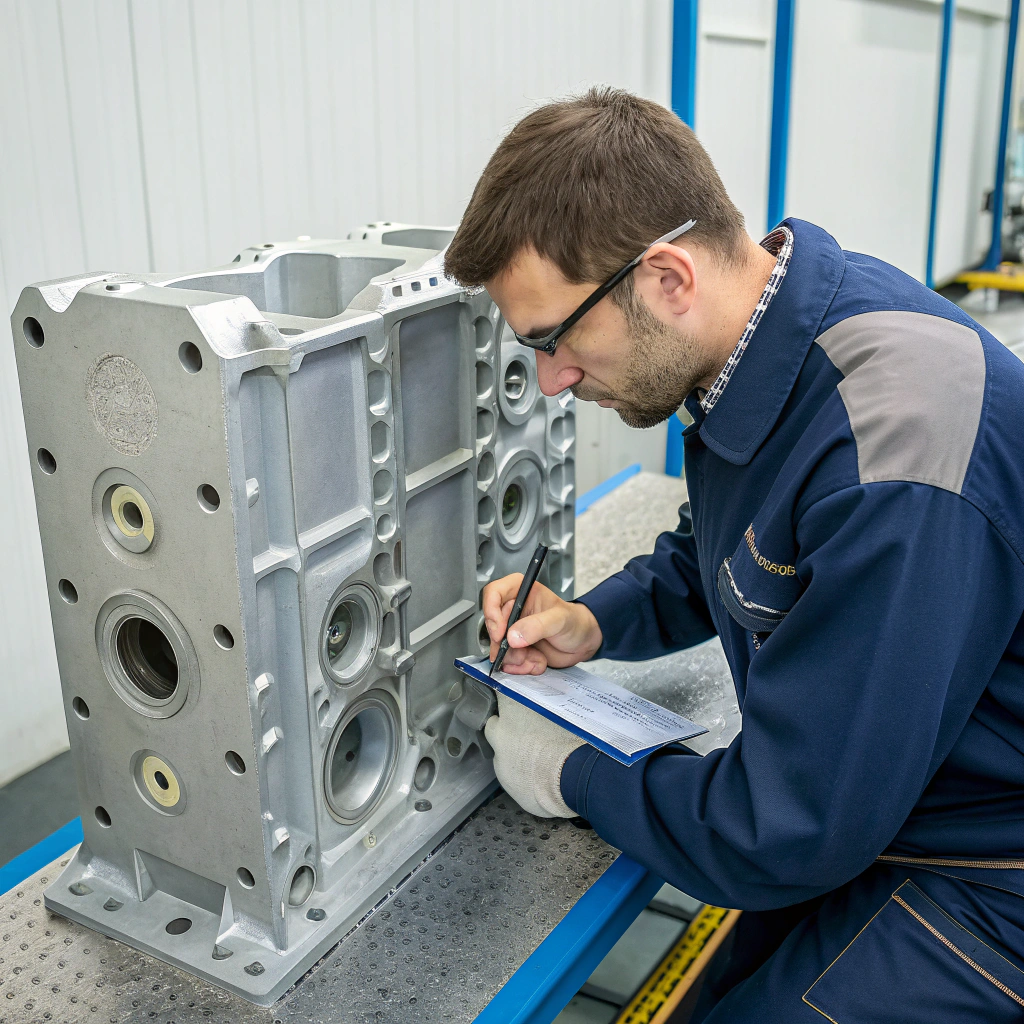
When I manage a heat sink production order, I follow a layered inspection routine from the start to the end. Here’s how I break it down:
Step 1: Material verification
The first step is checking the incoming aluminium alloy. If the customer asked for 6063-T5, and the batch was made from 6005, the mechanical and thermal properties won’t match. So I review the material certificate, and sometimes we test hardness or check chemical composition.
Step 2: First article inspection (FAI)
Before bulk production, we run a full measurement of a sample piece. We measure length, fin height, spacing, base flatness, hole locations, and finish quality. This step gives us a reference point for the rest of the production.
Step 3: In-process checks
While the parts are being extruded, cut or machined, we measure certain features at intervals—like fin dimensions, hole alignment and base flatness. For the surface, we check for scratches, anodizing colour issues, or any signs of burrs.
Step 4: Final inspection
Before packing, we inspect selected samples or even 100% of the order, depending on the customer’s requirements. We check dimensions again, make sure coatings meet thickness expectations, and check mechanical details like tapped holes or slots.
Step 5: Test documentation
We prepare inspection reports with results. These include measurement data, lot numbers, inspection tools used, and sometimes photos. This creates a trail of accountability and helps trace any future quality issue back to its source.
Table: Summary of Inspection Stages
| Stage | Purpose | Key Checks |
|---|---|---|
| Material | Ensure correct alloy | Certificate, hardness, chemistry |
| First article | Confirm baseline | Full dimension set, surface |
| In-process | Monitor production | Spot checks, visual, flatness |
| Final | Validate shipment | Sample/100%, finish, fitting |
| Documentation | Ensure traceability | Reports, photos, serials |
Incoming material verification is a critical inspection phase for aluminium heat sinksTrue
If the wrong alloy or improper material is used, subsequent finishing and dimensions cannot fully compensate; material verification is foundational.
Performing only a final visual inspection is sufficient to guarantee heat sink qualityFalse
Final visual inspection alone cannot catch dimensional deviations, material non‑conformities, or performance issues; multiple inspection stages are required.
How do OEMs verify structural precision?
OEMs care about one thing: the parts must fit, mount, and function exactly as expected. Even small errors in flatness or hole positions can ruin the build.
OEMs verify heat sink precision using measurements of key dimensions, flatness, hole alignment and by using tools like calipers, gauges, CMM and sometimes 3D scanning.
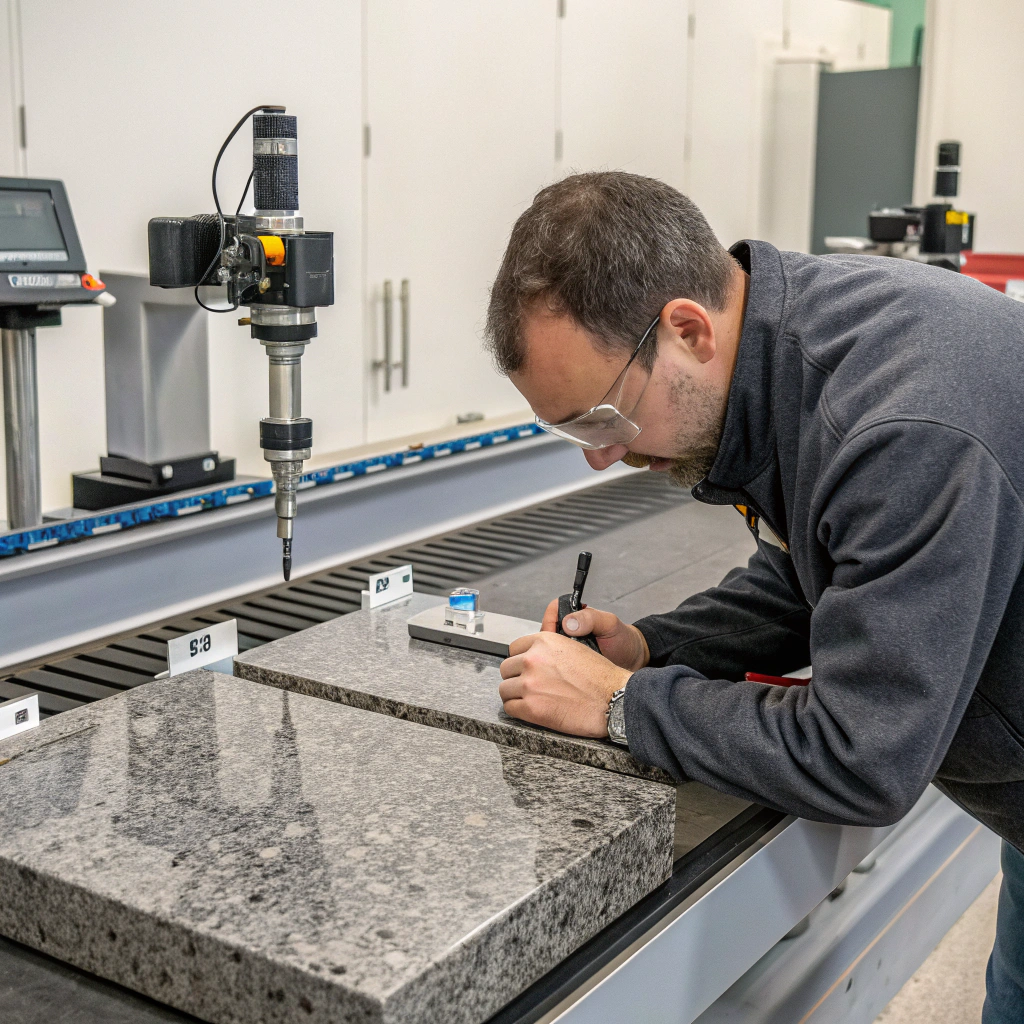
When I supply heat sinks to large customers, they often send a checklist or drawing with tolerances. Here’s how we respond to that:
Base flatness
This matters more than most people think. If the base isn’t flat enough, the thermal contact with the component is poor, and cooling suffers. We check flatness with a granite surface plate and feeler gauges. For tight specs, we use laser tools.
Fin geometry
Fins need to be straight, evenly spaced, and consistent. If they bend or shift, airflow is disrupted. We inspect fin height, spacing, and thickness at several points. We use gauges or visual templates.
Hole position and size
OEMs often mount heat sinks with screws or pins. If hole positions are off even by 0.2 mm, the part won’t align. We use micrometers, pin gauges and coordinate measuring machines (CMM) to verify this.
Mounting interfaces
Slots, flanges, and milled pockets must match their mating parts. OEMs often test a batch by physically installing it on a jig or mock unit to catch misalignments.
3D scanning
Some OEMs prefer digital 3D scans for large or complex parts. These scans compare the actual part against a 3D model and show deviations in microns.
Fin spacing deviation in a heat sink does not affect its thermal performanceFalse
Fin spacing affects airflow and thermal resistance; deviations can degrade cooling performance.
A flat base surface is important to ensure good thermal contact between a heat sink and the componentTrue
Without a flat base, thermal interface may have gaps or uneven contact, reducing heat transfer efficiency.
Which standards apply to industrial heat sinks?
Customers often ask what standards we follow. While there’s no single “heat sink certification,” several global standards guide our inspection and quality approach.
Industrial heat sink inspection involves standards like ISO 9001 for quality systems, ISO 2768 for tolerances, and sometimes MIL specifications for anodizing or durability.
Here are the key standards we apply or refer to when making and inspecting heat sinks:
ISO 9001
This is the most common quality system standard. It requires processes to be documented, traceable, and continuously improved. Most OEMs want their suppliers to be ISO 9001 certified.
ISO 2768
This standard defines general tolerances for linear and angular dimensions. Unless the customer has special tolerances on the drawing, we follow ISO 2768-m (medium) as the default.
Surface finish
If we anodize the heat sinks, we may refer to military standard MIL-A-8625 or use customer specs. This ensures the coating thickness, hardness and color are controlled.
Environmental durability
Some heat sinks go into demanding conditions—like outdoor boxes, solar panels, or marine gear. If required, we can test using temperature cycling or salt spray tests based on ISO or MIL procedures.
Documentation and reporting
Customers sometimes ask for PPAP (Production Part Approval Process) or FAIR (First Article Inspection Report). We maintain inspection records, measurement logs and certificates for anodizing or raw material.
Table: Common Standards and Usage
| Standard | Scope | Usage in Heat Sinks |
|---|---|---|
| ISO 9001 | Quality management | Supplier QMS |
| ISO 2768 | Dimensional tolerance | Default if none specified |
| MIL-A-8625 | Anodizing spec | Coating thickness & type |
| ISO 9227 | Salt spray test | Corrosion resistance |
| ISO/IEC 17025 | Lab competence | For third-party testing labs |
ISO 2768 can be used to specify general tolerances for extrusion and machined aluminium heat sinksTrue
ISO 2768 covers general tolerances for linear and angular dimensions and is referenced for such parts in industry.
There is a single unified standard that covers all inspection and thermal testing requirements for heat sinksFalse
Various standards cover different aspects (quality system, geometry, finishing, environment, thermal testing) but there is no single unified standard for all heat sink inspection.
Are thermal tests mandatory for certification?
This question comes up often: do I have to thermally test every batch of heat sinks? The answer depends on your product risk and customer demands.
Thermal tests are not always required, but when thermal resistance is critical or specified by the customer, they become necessary to verify performance.
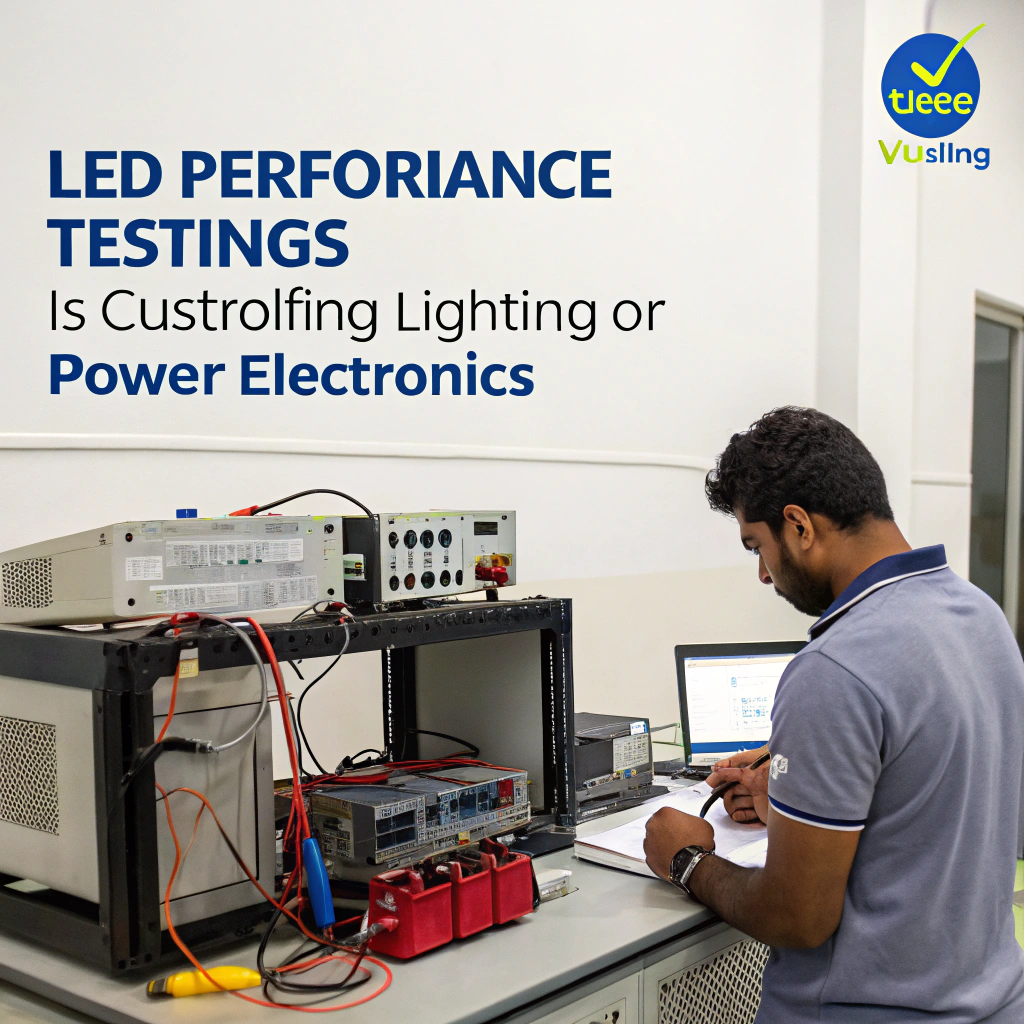
When testing is a must
Some industries—like LED lighting, power electronics, or aerospace—require strict performance checks. If your spec says “thermal resistance must be under 1.5 K/W at 1 m/s airflow,” you have to test to prove it.
We usually set up test rigs that simulate airflow, ambient temperature and power load. Then we measure the temperature rise across the base and calculate the resistance.
When it can be skipped
If the heat sink design is simple and tested before, and there’s no spec demanding thermal results, then we may skip the test. Some clients are fine with using simulation or past data as reference, especially when the application is low power or well cooled.
First batch vs every batch
A common compromise is to test the first article batch thermally, and then skip later batches unless something changes. If the production process or material source changes, testing resumes.
My suggestion
If the part is critical to keeping electronics cool, always define a thermal target and test it at least once. Document everything: the airflow rate, power load, setup and measurement points.
Every aluminium heat sink must undergo a full thermal resistance test before shipmentFalse
While ideal, many heat sinks for benign conditions are shipped without full thermal tests; the requirement depends on specification and risk.
Thermal testing becomes mandatory when customer specification defines a thermal resistance value and application is criticalTrue
When performance and reliability are critical, then thermal test is required to verify thermal resistance and performance.
Conclusion
To make reliable heat sinks, I always follow multi‑step inspections: start with good material, control dimensions, verify finishes, and test when needed. Standards like ISO 9001, ISO 2768 and MIL specs help keep quality in line. When thermal specs matter, I recommend testing at least once. These habits save time, reduce risk and build strong trust with clients.