Heat Sink Manufacturer Warranty and After‑Sales Policy?
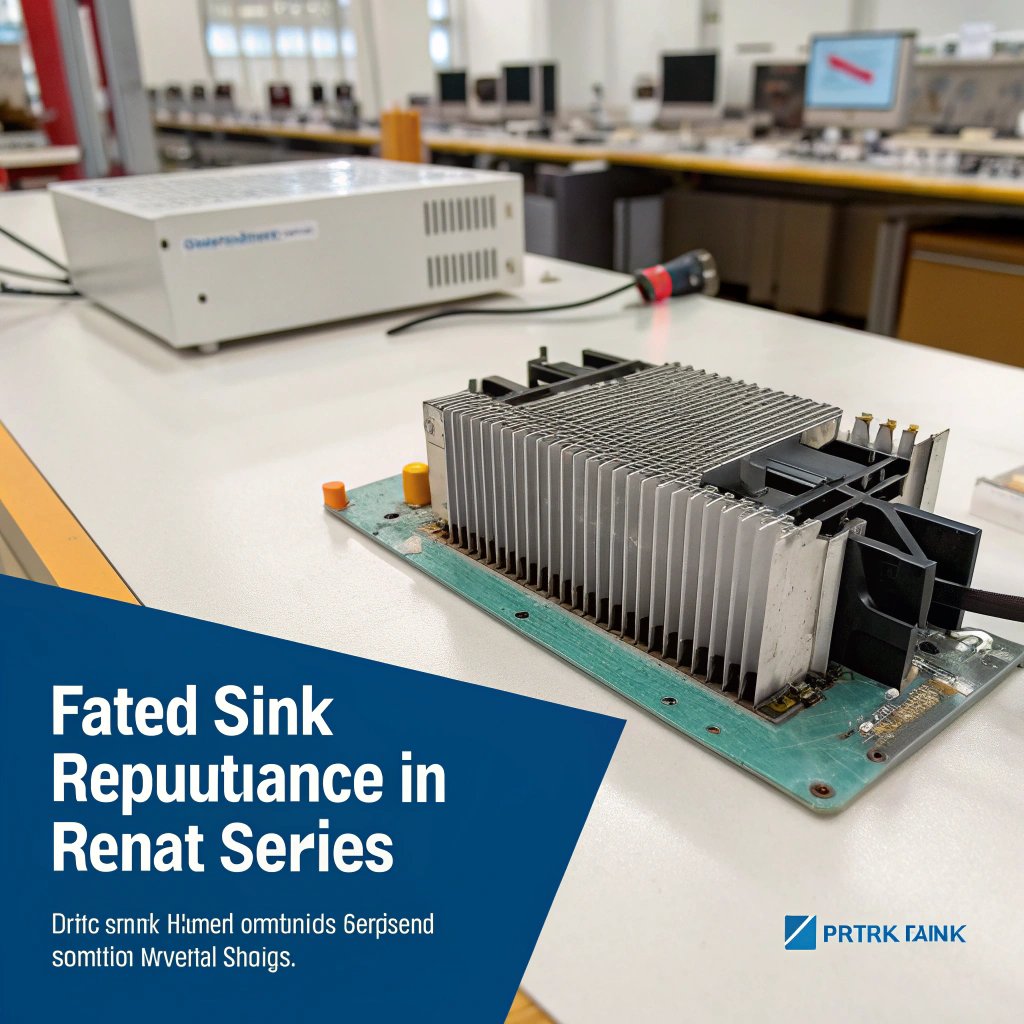
When a heat sink fails in the field, it’s more than a technical problem — it’s a reputational risk, a cost issue, and a supply chain disruption.
A strong manufacturer warranty and after‑sales policy gives buyers assurance through defect coverage, clear claim processes, spare parts support, and long-term reliability guarantees.
This article explores what heat sink manufacturers typically offer after the sale, how these policies affect your bottom line, and what you should evaluate before selecting a supplier.
What warranty policies do heat sink manufacturers offer?
Most buyers assume a warranty is standard — but the terms, coverage, and claim process vary a lot across manufacturers.
Heat sink warranties usually cover material or manufacturing defects within a specific timeframe, provided the product is installed and used according to guidelines.

Heat sink manufacturers usually define their warranty terms across several key points:
Warranty duration
Most heat sink warranties last between 1–3 years. High-end industrial suppliers may offer 5-year or limited lifetime warranties, but only under strict conditions.
Coverage scope
Warranties often cover:
- Material flaws
- Workmanship errors
- Surface treatment or coating failures
They do not usually cover: - Damage due to mishandling
- Improper installation
- Modifications to the product
- Normal wear and tear
Proof of purchase
Customers are often required to provide a valid purchase invoice or serial number. The warranty is usually non-transferable.
Claim process
A good warranty includes a simple and transparent claim process, including:
- Clear point of contact
- Estimated claim resolution timeline
- Return merchandise authorization (RMA) forms
- Free replacement or repair (excluding shipping in some cases)
| Warranty Element | Typical Practice |
|---|---|
| Duration | 1–3 years standard, longer for industrial |
| Scope | Defects in materials/workmanship only |
| Transferability | Usually non-transferable |
| Claim processing time | Varies from 7 to 30 days |
| Exclusions | Misuse, poor installation, modification |
Many manufacturers state that improper installation voids the warranty. That includes over-tightening screws, using incompatible mounting brackets, or failing to apply the thermal interface material correctly. This is especially important in high-power applications like industrial machinery or solar power components, where failure due to overheating can be expensive.
Manufacturers’ warranties typically exclude damage caused by improper installation or usage.True
Improper installation is a common exclusion because it can cause thermal failures not related to product quality.
All heat sink manufacturers offer fully transferable lifetime warranties with no conditions.False
Most warranties are limited in time, non-transferable, and contingent on proper use and installation.
Why is a strong after‑sales policy valuable?
Many buyers focus on warranty, but the real value often lies in the after‑sales policy — especially for long-term projects or high-volume applications.
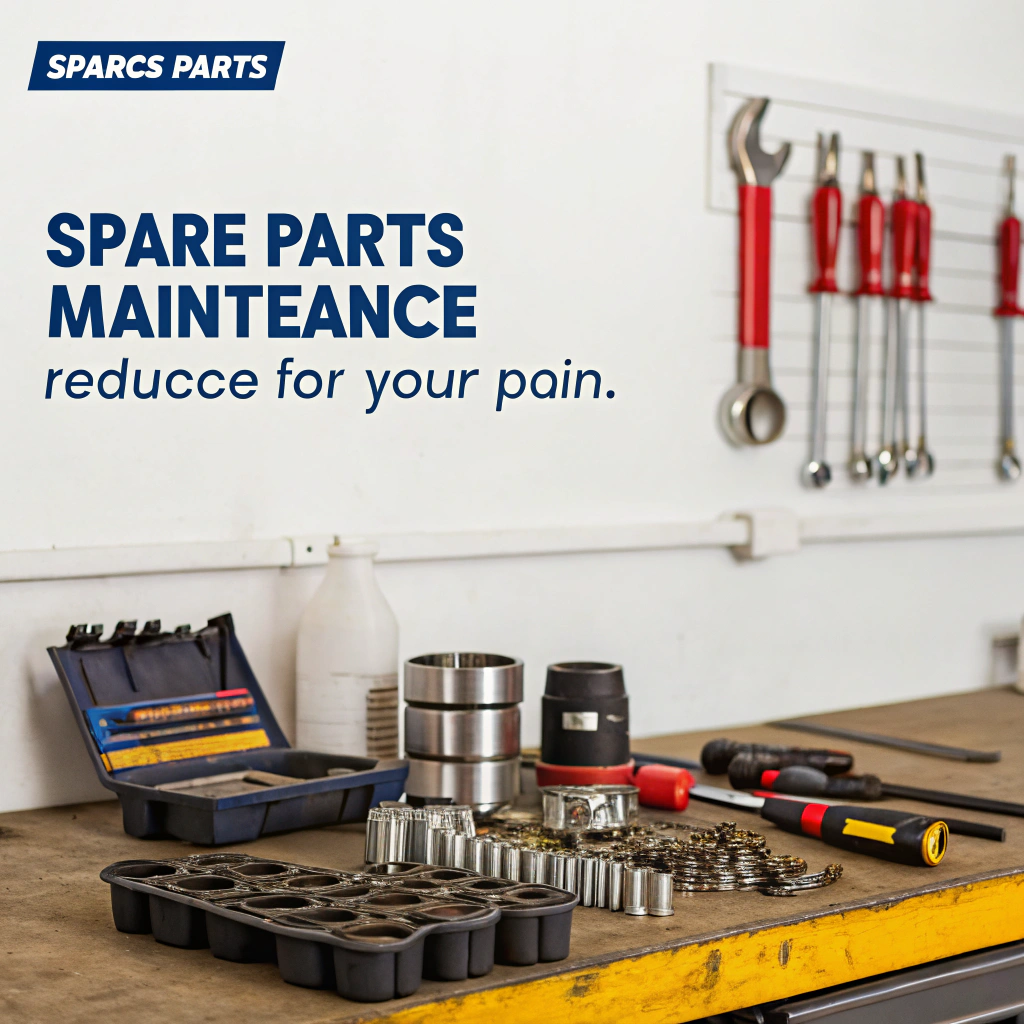
A strong after‑sales policy provides ongoing support, spare parts, technical help, and installation guidance, which reduces downtime and builds trust with clients.
Here’s why it matters:
Reduces risk and downtime
If a heat sink underperforms or fails in an industrial system, the right after-sales service means faster diagnosis, immediate replacement, or guided fixes — preventing long downtimes.
Protects customer investment
After-sales support extends beyond the physical product. It includes availability of:
- Spare parts (clips, mounting kits, thermal pads)
- Replacement modules
- Updated documentation
- Remote guidance or troubleshooting
Builds long-term relationships
Customers remember how problems are handled. If your supplier responds fast, provides solutions without unnecessary delays, and communicates clearly — they’re more likely to win future orders.
| After-Sales Feature | Business Impact |
|---|---|
| Spare parts availability | Reduces maintenance turnaround time |
| Technical support | Ensures correct installation and usage |
| Maintenance services | Extends equipment life |
| Retrofit options | Helps meet new specs without full rebuild |
For manufacturers of aluminium extrusions and industrial heat sinks, the after-sales side can often define whether your product stays in the field for 2 years or 10. A strong service model also reduces warranty disputes — because customers get help before problems escalate.
In B2B manufacturing contexts, after-sales services can be more profitable than the initial product sale.True
Spare parts, service contracts, and upgrades provide recurring revenue and long-term value.
After-sales support is only useful during the warranty period.False
After-sales includes guidance, parts, and retrofits, which remain valuable beyond the warranty duration.
How to assess warranty terms?
Not all warranties offer real protection. You need to know what to look for — and what to avoid.
Assess warranty policies by reviewing duration, exclusions, cost of claims, and level of after-sales support included — these factors impact long-term risk and support quality.
Key things to evaluate:
1. Warranty length and clarity
A longer warranty isn’t always better unless it’s backed by simple, fair rules. Look for:
- Coverage period clearly stated
- What triggers a valid claim
- What disqualifies coverage
- Whether product registration is required
2. Cost to claim
Ask:
- Who pays for return shipping?
- Are there service fees?
- Is replacement free or discounted?
Sometimes hidden costs reduce the value of “free” coverage.
3. Process transparency
A supplier should have a clear return process:
- Form or online portal to submit claims
- Defined response time
- Local support or contact
If this is missing, expect delays when problems occur.
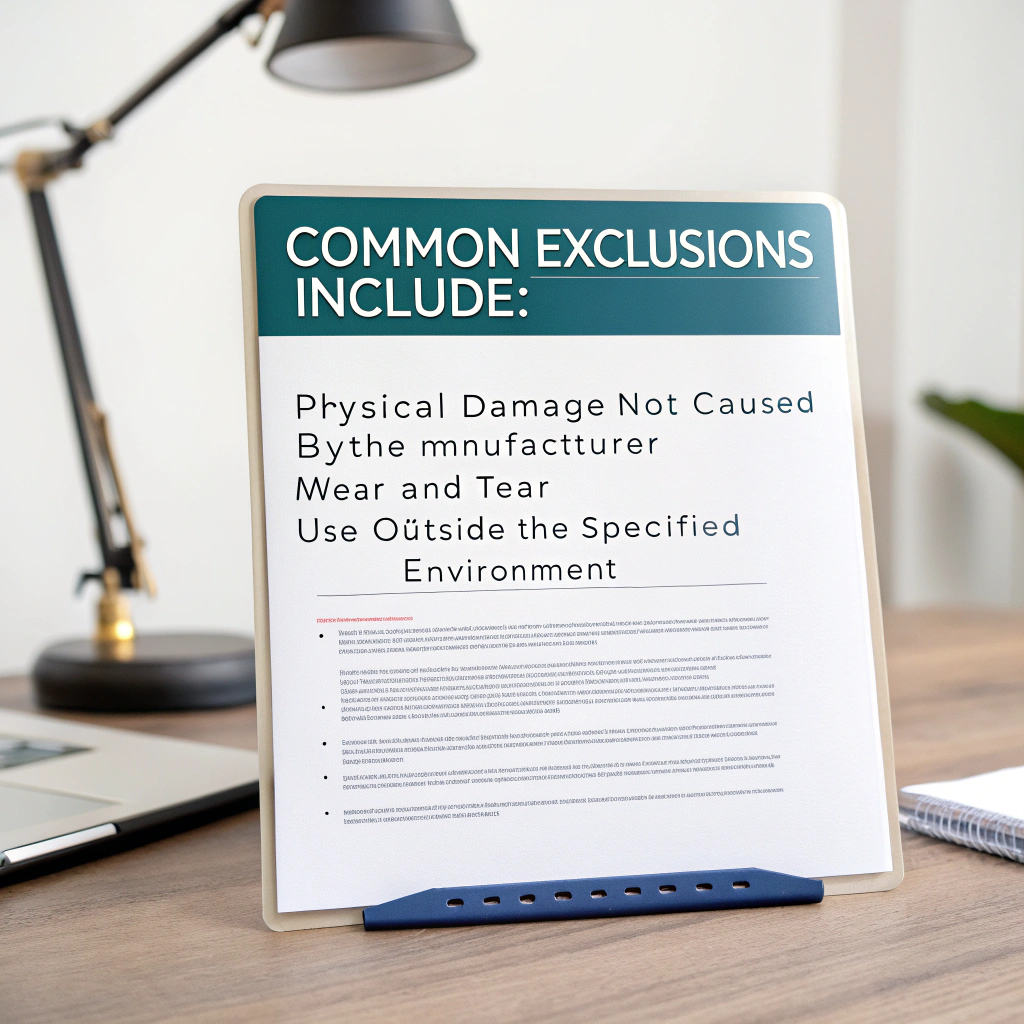
4. Exclusion list
Read the fine print. Common exclusions include:
- Physical damage not caused by manufacturer
- Wear and tear
- Use outside specified environments (e.g., humidity, vibration)
- Installation not done by a “qualified technician”
5. After-sales support availability
Look beyond the warranty. Is there:
- A hotline or service email?
- Installation videos or documentation?
- Ability to buy brackets, pads, or parts separately?
This support helps keep products running and protects your reputation.
| Evaluation Factor | What to Look For |
|---|---|
| Warranty length | Minimum 12–24 months for industrial parts |
| Claim procedure | Clear forms, short response time |
| Shipping cost | Preferably covered by manufacturer |
| Support access | Phone/email/webchat during business hours |
| Spare parts availability | Especially important for large assemblies |
A strong warranty should include a clear claim process and minimal cost to the customer in case of defect.True
Simple processes and low customer burden reflect a service-focused manufacturer.
Warranty value increases with more complex exclusions and unclear terms.False
Complex terms often limit actual coverage and create confusion or frustration during claims.
What trends shape after‑sales services?
Warranty and after‑sales service policies are evolving. Understanding the trends helps you choose suppliers who stay relevant and customer-focused.
Manufacturers are now adding digital tools, predictive maintenance, extended lifecycle support, and modular services to meet higher customer expectations.
1. Digital service portals
Manufacturers now offer online tools for:
- Submitting claims
- Downloading installation guides
- Ordering parts
This saves time and improves communication.
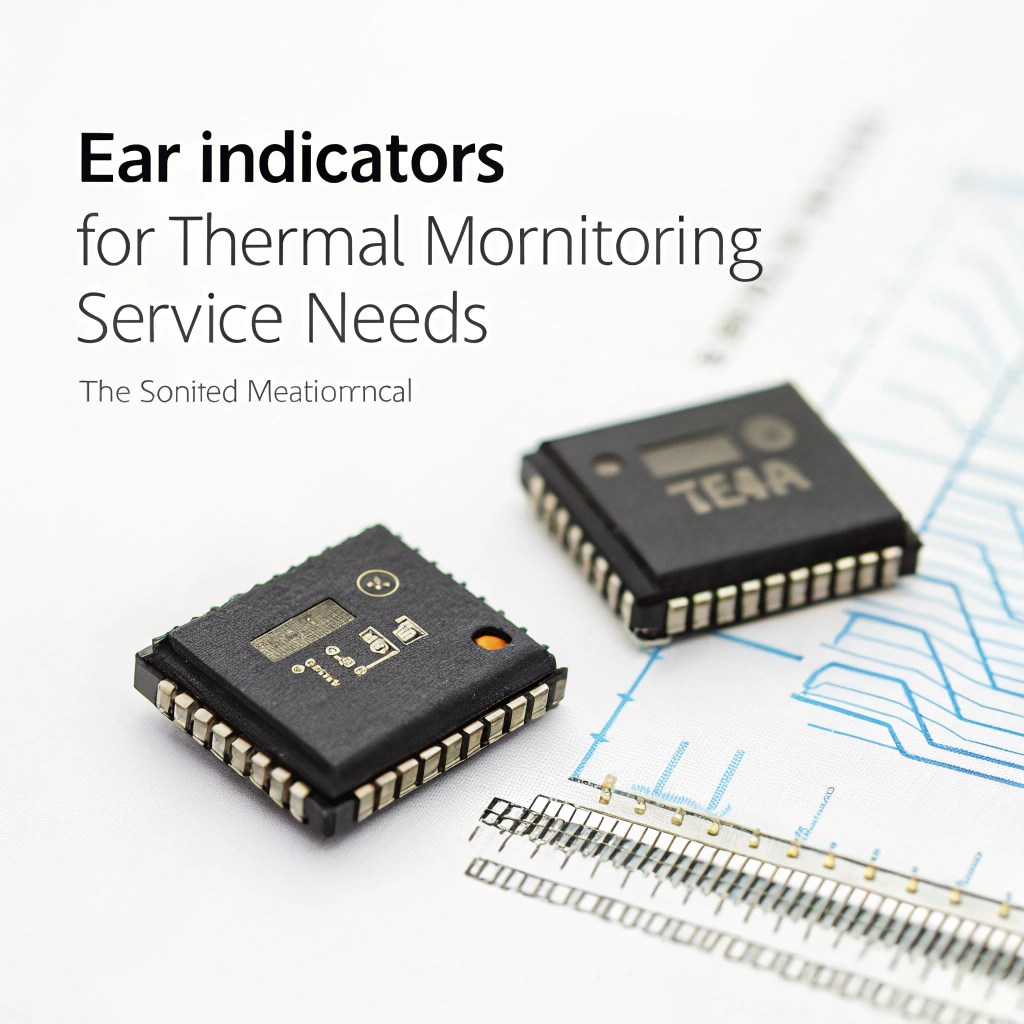
2. Predictive maintenance tools
Advanced systems use sensors and analytics to monitor thermal performance. In future, heat sinks might include wear indicators or thermal monitoring chips that flag service needs before failure.
3. Service contracts and extended coverage
More suppliers now bundle service agreements, offering options like:
- 3‑ or 5‑year full coverage
- On-site inspections
- Spare parts kits with every shipment
These help large buyers plan maintenance budgets.
4. Global support network
For international buyers, local service centers or partner networks are key. This ensures quick replacement, repairs, or guidance even across borders.
5. Sustainability and circular support
Sustainable after‑sales practices now include:
- Refurbishing heat sinks instead of replacing
- Recycling aluminium and brackets
- Packaging return kits with every order
This trend aligns with global environmental targets and appeals to corporate buyers.
| Trend | Benefit to Buyers |
|---|---|
| Online portals | Faster claims and tracking |
| Predictive maintenance | Reduced surprise failures |
| Lifecycle service plans | Budget certainty and longer performance |
| International support | Fewer logistics headaches in case of issue |
| Circular practices | Lower waste, better ESG compliance |
Choosing a manufacturer that invests in these areas is not just about service — it’s about risk control, environmental responsibility, and better customer experience.
Digital self‑service portals for warranty and spare parts are becoming standard among quality manufacturers.True
Online platforms make claims faster and more transparent, improving customer satisfaction.
After‑sales service trends are static and unchanging in industrial markets.False
Customer demands, tech tools, and global expectations are all driving rapid change in service models.
Conclusion
Warranty and after-sales policies reflect more than just terms — they show how much a manufacturer stands behind its product. Choose suppliers with clear, fair coverage, strong support systems, and a service mindset that matches your operational needs.