What is oxide in aluminum extrusion?
When it comes to aluminum extrusion, the word “oxide” might sound like a minor detail—but it truly impacts quality, surface finish, and performance.
Aluminum oxide is a thin layer of Al₂O₃ that either forms naturally or when aluminum is exposed to oxygen—this layer plays both protective and problematic roles in extrusion.
Let’s explore how oxide forms, how it affects extrusion quality, how to remove unwanted oxide before extrusion, and whether coatings can prevent oxidation.
How does oxide form on aluminum?
Oxide formation on aluminum happens essentially whenever the metal surface meets oxygen, moisture or high temperature.
On the surface of aluminum alloy, atoms of aluminum react with oxygen in the air (or in process atmospheres) to form a thin, firm layer of aluminum oxide (Al₂O₃).

When you heat an aluminium billet before extrusion, or hold it in a hot container, the elevated temperature increases reactivity. In the extrusion process the billet is heated (e.g., 800‑925 °F) and placed into a container and pressed through a die. The manufacturer may supply an inert atmosphere (e.g., nitrogen) around the die or container to reduce oxide formation.
Why the oxide forms
- Aluminum is highly reactive with oxygen; the reaction is fast and forms a passivating layer.
- In thermal or high‑oxygen environments (preheating, exposure), more oxide can form or thicker layer can build.
- Surface contamination (dirt, oil, humidity) may promote oxide or other films that interfere.
What the oxide looks like and its properties
- Naturally, aluminum quickly forms an ultra‑thin oxide film (nanometres thick) that gives corrosion resistance.
- In extrusion operations surface oxidation may show as a dulling, or surface defect, if uncontrolled.
- The oxide layer is firmly adhered; unlike rust on iron which flakes off, aluminum oxide tends to stay bonded.
Why this matters in extrusion
Because the extrusion process involves heating, high pressures, and metal flowing through a die, any surface film (oxide or contaminant) can affect metal flow, surface finish, and die wear. If the film grows too thick or uneven, you may see surface roughness, non‑uniform finish, cracking or internal defects.
Aluminum forms a protective oxide layer almost immediately when exposed to air.Totta
Aluminum atoms react quickly with oxygen to form an Al₂O₃ film which passivates the metal surface.
Oxide formation on aluminum only happens when the metal is heated to very high temperatures.False
Aluminum forms a thin oxide even at room temperature when exposed to oxygen; elevated temperatures simply accelerate or thicken the layer.
Why oxide can affect extrusion quality?
At first glance oxide might seem harmless or even beneficial (since it protects the metal), but in extrusion operations it can be a compromise.
Oxide can negatively affect extrusion quality by altering surface finish, interfering with metal flow, increasing die friction/wear, and causing defects in the extruded profile.
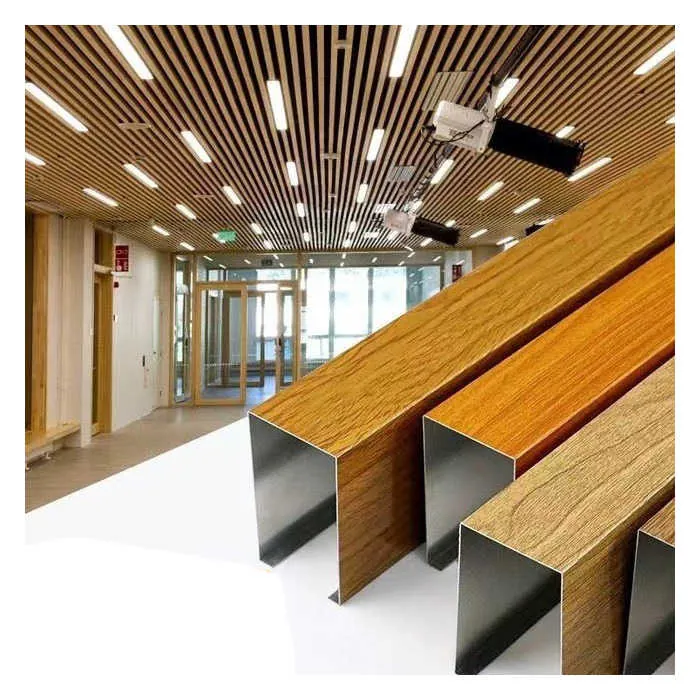
Impact on surface finish
If a thick oxide film or uneven oxide spots are present on the billet, as the metal flows through the die the oxide may fracture or locally detach. This can leave marks, pits, “grey lines”, or “oxide streaks” on the extruded profile.
Impact on metal flow and die performance
When aluminium flows through a die, any non‑metallic film (such as oxide or smut) between the billet and container/ram walls can:
- Increase friction or local drag, leading to higher pressure, temperature rises, or non‑uniform flow.
- Cause the die exit surface to have inclusions, or cause irregular cooling and therefore change mechanical or surface properties.
- Shorten die life because oxide fragments may act as abrasive particles or hotspots.
Impact on mechanical properties or downstream processing
Defects introduced by oxide films may lead to weak zones, micro‑cracks, or poor bonding in welded or anodised parts. Also, if the surface is not clean, subsequent surface treatment (anodising, powder coating) may fail adhesion or show uneven colour.
A thin, uniform natural oxide layer on aluminium always prevents extrusion defects.False
While a natural thin oxide layer is protective, in extrusion operations uneven or excessive oxide film can still cause defects in flow or surface finish.
Excessive or uneven oxide on the billet surface increases the risk of defects in the extruded aluminium profile.Totta
Such films can interfere with metal flow, cause surface marks, die wear or inclusions.
How to remove oxide before extrusion?
Given the risks of oxide affecting quality, preparing the billet and die environment is important. Here are the methods, steps and considerations that we implement.
Removing oxide (or preventing excessive buildup) before extrusion involves cleaning the billet surface, controlling the furnace/ram environment, using proper lubrication, and sometimes chemical treatments.
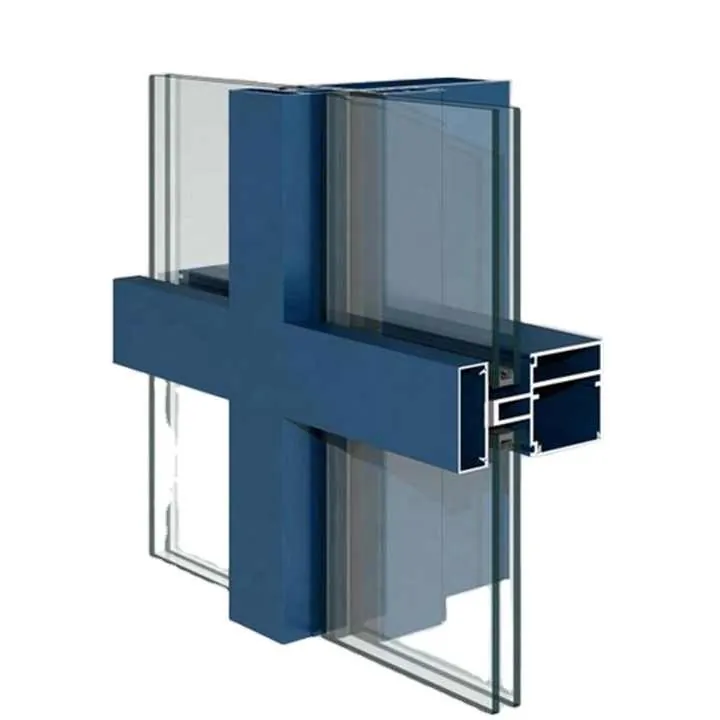
Key preparation steps
- Billet cleaning: Remove oils, oxides, dirt and smut from the surface of the aluminium billets prior to extrusion.
- Surface brushing or desmut treatment: Mechanical brushing or chemical desmutting helps remove thick oxide build-up.
- Control billet heating and atmosphere: Reducing oxygen exposure helps lower oxide thickness during preheat.
- Proper lubrication / parting agent: Prevents billet sticking and reduces interface oxidation.
- Pre‑extrusion inspection: Ensure billet is free of crust, scale, or visual surface oxide irregularities.
Considerations for customised extrusion supply
When supplying high‑precision profiles (such as for architectural purposes, solar frames, or lighting fixtures), we emphasise: “Please provide clean billets, request surface‑finish specification, and allow time for proper pre‑extrusion cleaning.” Otherwise you may compromise surface aesthetic, tolerance or downstream finish.
It is impossible to reduce oxide formation on aluminium billets before extrusion.False
While aluminium will always form some oxide, steps like cleaning, reducing oxygen exposure, and controlling atmosphere can minimise harmful oxide formation.
Using nitrogen or an inert atmosphere around the extrusion die can help reduce oxide formation during the extrusion process.Totta
Literature on extrusion process notes that inert atmospheres around the die/container reduce oxide formation on the shape being extruded.
Can coatings prevent oxidation?
After extrusion, or even during finishing, protective coatings or treatments can improve resistance to oxidation and corrosion. This helps not only surface appearance but long‑term durability.
Yes, coatings and surface treatments can prevent or significantly slow oxidation—by either thickening the oxide layer in a controlled way (such as anodising) or by providing a barrier between the aluminium and the oxygen/moisture environment (such as powder coating or painting).
Common treatments
| Coating Method | Miten se toimii | Sovellukset |
|---|---|---|
| Anodisointi | Thickens natural oxide layer via electrochemical method | Architectural, electronics |
| Jauhemaalaus | Applies polymer powder layer as oxygen barrier | Outdoor profiles, industrial framing |
| Chromate/Conversion Coating | Chemical passivation that improves corrosion resistance | Base layer for paint or adhesives |
| Paint Coating | Adds decorative and functional polymer topcoat | Indoor architectural profiles |
Effectiveness in extrusion
For outdoor or visible aluminum profiles, coatings are essential. Powder coating or anodising are among the most specified finish treatments for custom aluminum profiles.
Practical considerations
- Coatings add cost and lead time.
- Surface must be clean and oxide-free for coatings to adhere.
- Some coatings like anodising increase corrosion resistance but don’t prevent mechanical damage.
- Coated profiles need protection during transport and handling.
Applying a powder coat to an extruded aluminium profile can help prevent further oxidation of the surface.Totta
Powder coating acts as a barrier to oxygen and moisture, reducing oxidation and corrosion of the aluminium beneath.
Once an anodised oxide layer is applied, no further oxidation or maintenance of the aluminium part is ever needed.False
While anodising greatly improves corrosion resistance, depending on environment and damage, further oxidation or coating degradation may still occur and maintenance could be required.
Päätelmä
Oxide in aluminium extrusion refers to the aluminum oxide layer that forms naturally or under process conditions. While a thin oxide layer is protective, excessive or uneven oxide can harm extrusion quality. Removing or controlling oxide early helps ensure excellent surface finish and performance. Finally, coatings like anodising or powder‑coat play a key role in preventing oxidation and extending service life.