What are standard commercial tolerances for aluminum extrusions?

Worried whether your aluminium extrusion will meet fit and function requirements under standard tolerances? Let’s clarify what “standard” means.
Standard commercial tolerances for aluminum extrusions refer to commonly accepted deviation limits (in dimensions, straightness, twist, flatness, angles) as defined by industry standards such as The Aluminum Association or EN series.
In what follows I’ll walk you through: how extrusion tolerances are measured; why tighter tolerances increase cost; where tolerance issues commonly occur; and how quality checks help ensure consistency.
How are extrusion tolerances measured?
Ever wondered how an extruded profile’s conformity is assessed? The process uses both dimensional and geometric checks.
Measurement of extrusion tolerances involves verifying cross‑section dimensions (width, height, wall thickness), and geometric qualities (straightness, bow, twist, flatness, squareness) against the specified limits in the contracting standard or drawing.
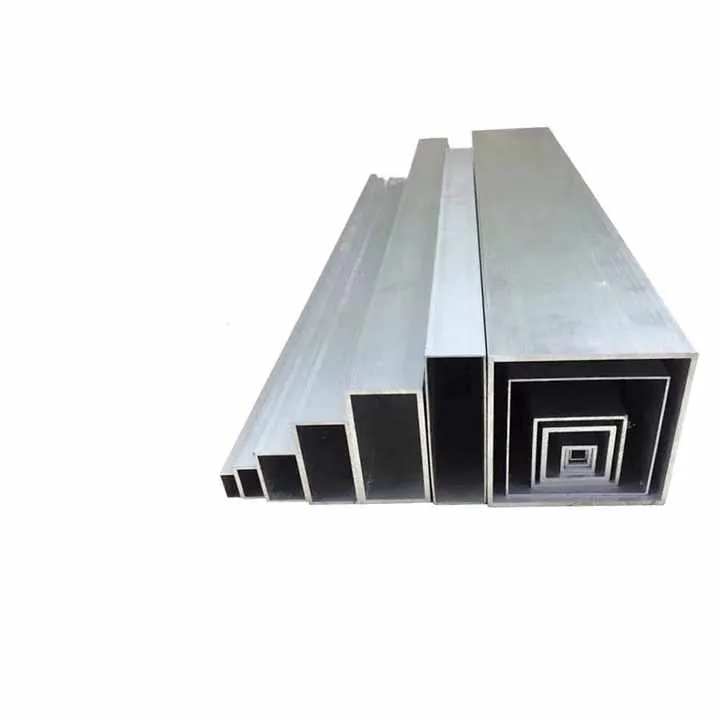
When inspecting an aluminium extrusion, there are multiple aspects to measure. Let’s break them down.
Dimensional (linear) tolerances
These cover features like width, height, wall thickness, or hole diameter. For example, tolerances for a 50 mm wide extrusion might be ±0.40 mm, and for wall thickness ±10%. These numbers vary depending on profile size and standard used.
Geometric tolerances
| Geometric Feature | Common Tolerance Range |
|---|---|
| Suoruus | ±0.30 mm per 300 mm |
| Twist | ±0.5 degrees per 300 mm |
| Tasaisuus | ±0.10 mm per 25 mm |
| Squareness | ±1° at corners |
These geometric characteristics are measured using straight edges, feeler gauges, or digital instruments depending on complexity.
Measurement steps
- Use calibrated tools like micrometers, calipers, or laser gauges.
- Measure multiple points—start, middle, end of each length.
- Confirm orientation and reference datum as per drawing.
- Compare against tolerance tables or drawing limits.
- Record and report deviations if outside acceptable range.
Standard tolerances for aluminium extrusions cover both linear dimensions (e.g., width, thickness) and geometric characteristics (straightness, twist, flatness).Totta
Because industry standards define acceptable limits for both types of deviation.
Any aluminium extrusion can be measured using only one dimension (width) to verify full tolerance compliance.False
Because multiple dimensions and geometric properties must be checked for full compliance.
Why tighter tolerances increase cost?
Wanting very tight tolerances is understandable when parts must fit precisely—but it often comes with higher cost.
Tighter tolerances increase cost because achieving them demands more precise tooling, slower machine speeds, more die maintenance, higher scrap rates, and more inspection—all of which add time and expense.

Factors that drive up cost
Tooling precision
The extrusion die must be made with smaller allowances. That increases machining time and complexity.
Slower production
Press speed must be reduced to control dimensional stability. Slower runs mean fewer units per shift, raising per-piece cost.
Jäähdytys ja käsittely
More precise cooling control is required. Even minor differences in temperature can throw off dimensions in tight-tolerance profiles.
Scrap rate and rework
When tolerances are narrow, more parts fall outside spec and must be scrapped or reprocessed. This waste adds up quickly.
Extra quality checks
Profiles require more frequent and precise measurement. Custom tools or gauges may be needed, increasing cost.
Documentation and risk
Manufacturers must account for greater risk of rejects or complaints, often adding buffers into pricing.
As tolerances become tighter than industry standard, manufacturing cost of aluminum extrusions increases significantly.Totta
Because tighter tolerances require better tooling, slower process, more inspection and higher rejection rates.
Tighter tolerances have no impact on production speed or cost if the extrusion machine is new.False
Even advanced machines require more time and control to meet strict tolerances.
Where tolerance issues commonly occur?
Even when tolerances are specified and measured, there are areas in aluminium extrusion production where problems tend to arise.
Tolerance issues commonly occur in features such as wall thickness variations, cross‑section dimension deviations, twist and straightness over length, and contour/fillet radii, particularly when the profile is complex or large.

Common tolerance challenges
| Feature Affected | Cause of Variation |
|---|---|
| Seinämän paksuus | Uneven flow or cooling |
| Leveys / korkeus | Die wear or thermal shrinkage |
| Twist | Unbalanced cooling during run |
| Bow / Straightness | Improper handling post-extrusion |
| Radii / Fillets | Difficult to control in sharp corners |
Thin walls or webs are especially difficult to maintain within tolerance. Slight shifts in temperature or metal flow cause changes.
Asymmetrical profiles often cool unevenly, causing twist or bow. This is worse in longer profiles (6m or more) or ones with large cross-sections.
Fillets and contours may not fully fill during extrusion or may shrink unpredictably. These tend to deviate the most if the die isn’t in perfect condition.
Profiles later machined, drilled, or bent must also be held to close tolerance in their extruded form. Otherwise, secondary operations multiply the deviation.
Wall thickness variation is one of the most common tolerance issues in extruded aluminium profiles.Totta
Because thin features are harder to control during flow and cooling.
Once the die is made, all features of an extruded aluminium profile will always meet tolerance automatically.False
Because downstream processes and conditions still affect dimensions.
Can quality checks ensure consistency?
When tolerance issues matter (and they always do for fit‑critical extrusions), robust quality checks help ensure consistency and compliance.
Yes—quality checks (incoming material, in‑process checks, final inspection including measuring key dimensions and geometry) are vital to ensure extruded profiles meet the specified tolerances and maintain consistency batch to batch.

How quality checks are applied
Incoming inspection
Check alloy and temper of billet. If material varies, dimensions may shift during pressing.
Käynnissä olevat tarkastukset
Monitor extrusion press settings. Adjust as soon as dimensions drift from the expected range.
Final measurements
Use micrometers or digital tools to measure width, height, thickness. Measure straightness using a flat table and feeler gauge. Twist is measured with height difference across diagonals.
Dokumentaatio
Each batch is logged with measurements, date, press conditions, and die used. This makes tracing and correction easier if issues arise.
Customer communication
Reports showing adherence to tolerances help in building confidence, especially for overseas clients with strict requirements.
Jatkuva parantaminen
Identify frequent deviation points, update process or die as needed. Over time this reduces cost and rework.
Implementing final inspection and measurement of key dimensions and geometry helps ensure aluminium extrusions meet specified tolerances consistently.Totta
Because verification and monitoring catch deviations, allowing correction before large batches or deliveries.
Quality checks are unnecessary if the extrusion die is perfect.False
Because even with a perfect die, factors like temperature, speed, and handling can still cause deviations.
Päätelmä
Standard commercial tolerances for aluminium extrusions provide a baseline of acceptable deviation in size and geometry. Understanding how they’re measured, why tighter ones cost more, where problems often arise, and how quality checks ensure consistency is key for reliable production and customer satisfaction.