Kuinka harjata alumiinipuristetta?

When you have an aluminum extrusion and you want it to look premium, the brushed finish is a smart choice. It gives a clean texture and hides some minor imperfections.
In short: brushing involves using abrasives in a consistent direction to generate fine linear grain on the surface, then optionally protecting the finish with coatings. You’ll want to pay attention to abrasives, grit sequence, brushing technique, and finishing protection.
Let’s walk through four key questions: what abrasives create a brushed finish, why the grit sequence matters, how you keep brushing lines uniform, and can you protect the brushed finish with coatings.
What abrasives create brushed finish?

When I started brushing aluminum profiles at our factory, I realised that the choice of abrasives is more important than many expect.
The right abrasives for brushing aluminum include sandpapers (120 grit up to 600 grit depending on finish desired), non‑woven scotch‑brite pads, and flap wheels designed for aluminum.
Why these materials work
- Aluminum is relatively soft and tends to load abrasives easily. Using non‑loading abrasives helps.
- Non‑woven pads provide a nice uniform grain without aggressive cutting.
- The initial abrasive should remove machining or extrusion marks; later abrasives refine the grain.
Practical steps
- Clean the surface to remove oil, dirt, machining residue.
- Choose initial abrasive: 120–180 grit for heavy marks, 240+ for light.
- Apply brushing motion in one consistent direction.
- Use a finish pad to refine scratches and set final grain.
- Inspect the finish visually: deeper lines from coarse grit, subtle grain from higher grit.
You must always start brushing aluminum with 60 grit abrasive.False
Using grit as low as 60 may damage aluminum workpiece and create too deep scratch patterns; many guides recommend starting at 120 grit for typical work.
Non‑woven pads like Scotch‑Brite can be used to refine the brushed finish on aluminum.Totta
Non‑woven pads are widely cited for achieving a consistent grain finish on aluminum.
Why grit sequence affects surface?
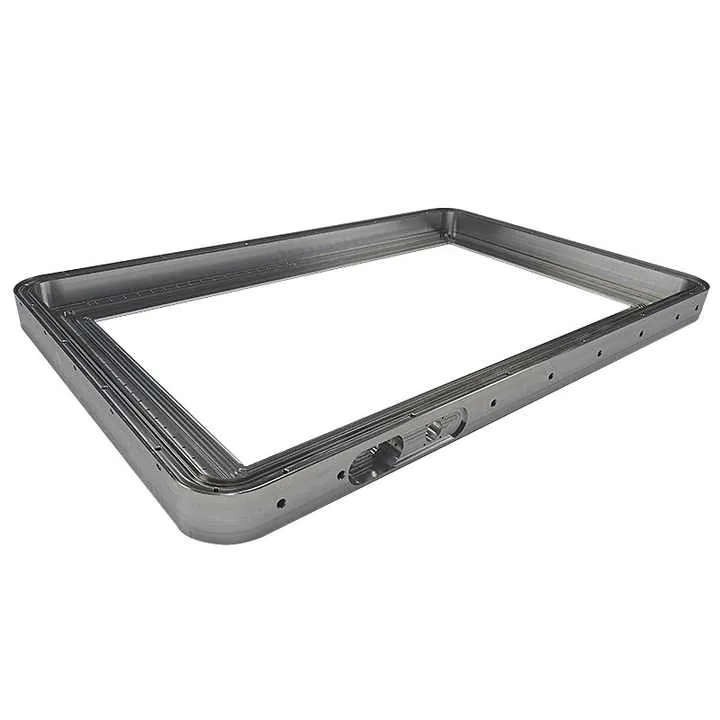
When I discuss finishing with our clients, I emphasise: the sequence of grit matters almost as much as the choice of abrasive.
Grit sequence influences the depth and visibility of grain lines, the uniformity of texture, and the readiness of the surface for finishing or coating.
Why sequence matters
- Skipping grits may leave earlier scratches visible.
- Deeper grain with low grit; finer satin finish with high grit.
- Surface prep affects coating adhesion and visual result.
Recommended sequence
- Step 1: Start with 120 grit to remove major marks.
- Step 2: Use 240–320 grit for refinement.
- Step 3: Finish with 400–600 grit or non‑woven pads.
- Step 4: Final pass with Scotch‑Brite for consistent grain.
In production
We always use a set brushing spec: start at 120, refine at 240, finish with Scotch‑Brite. If we skip steps, uneven sheen or marks appear. Especially before anodising, surface prep is critical to avoid defects showing through.
Using a finer grit first then a coarser grit gives the best brushed finish.False
You should start coarser to remove defects then move to finer grit. Doing the opposite could leave deep scratch marks that remain visible.
A proper grit sequence results in a uniform grain direction, consistent texture and better appearance.Totta
Proper sequence refines the surface progressively and aids uniform final texture.
How to maintain uniform brushing lines?
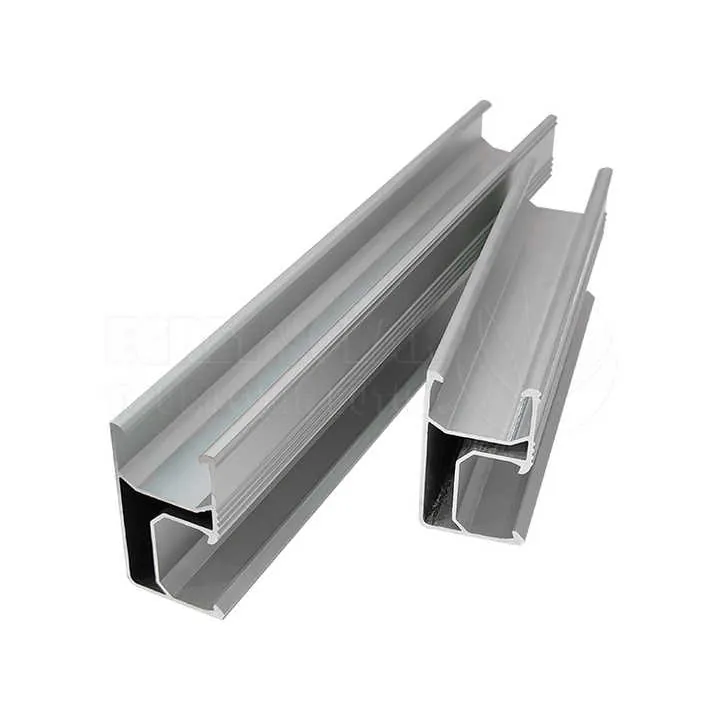
Uniform brushing lines are what distinguish a good finish from an amateur result.
Maintaining uniform brushing lines requires consistent direction, even pressure, controlled speed, and removing contamination or embedded particles in abrasives.
Key techniques
- Always brush in one direction (e.g., profile length).
- Overlap each pass slightly.
- Maintain even pressure and speed.
- Keep abrasives and surface clean.
- Use mechanical brushing if brushing large quantities.
Common defects and causes
| Defect visible | Todennäköinen syy |
|---|---|
| Grain changes mid‑surface | Changed direction or stopped mid‑pass |
| Deep scratches remain | Skipped intermediate grit |
| Uneven sheen | Inconsistent speed/pressure |
| Polished corners | Excess edge pressure |
| Embedded particles | Dirty abrasives or surface |
In our factory
We inspect each brushed profile under light. We verify direction, texture, and roughness. If the brushing is inconsistent, we rework it before moving to coating or anodizing.
Changing direction mid‑pass has no effect on the quality of brushing lines.False
Changing direction mid‑pass disrupts grain flow and results in inconsistent or visible transitions in the finish.
Using clean abrasives and steady pressure is essential to achieve uniform brushing lines.Totta
Clean tools avoid contamination and steady pressure & speed ensure consistent grain depth and appearance.
Can coatings protect brushed aluminum?

Brushing exposes clean aluminum—but it also exposes vulnerability to oxidation, wear, and visual changes over time.
Yes — coatings such as clear coats, anodizing, or powder coating can preserve brushed aluminum from damage and environmental wear.
Coating options
- Clear coat: Seals the grain and prevents oxidation/fingerprints.
- Anodisointi: Thickens oxide layer, ideal for architecture.
- Jauhemaalaus: Adds color and protection, but can hide grain.
- Wax/oil: Light protection for indoor or decorative use.
- Conversion coatings: Adds corrosion resistance before top coating.
Why use coatings
- Brushed grain collects contaminants.
- Exterior use exposes surface to weather, UV, chemicals.
- Coating preserves look and function.
- It prepares surface for bonding or painting.
Our practice
We recommend anodizing after brushing for outdoor parts, or clear coating for interiors. We ensure brushed parts are clean and dry before coating to avoid defects.
A brushed aluminum finish does not require any coating because aluminum is naturally corrosion‑resistant.False
While aluminum is naturally more corrosion resistant than some metals, the brushed texture exposes micro‑grooves and the surface can benefit from additional protection especially in exterior or harsh use.
Applying a clear coat or anodising after brushing helps preserve the appearance and durability of the brushed finish.Totta
Protective coatings lock in the texture, protect from oxidation, wear and help maintain visual appearance over time.
Päätelmä
Brushing aluminum extrusions is a finishing process that combines the right abrasives, a proper grit sequence, careful technique to maintain uniform lines, and ideally protective coatings to seal and preserve the finish. When done well, the result is an aluminum profile with a premium appearance and durable surface.