


how to air seal plexiglass to aluminum extrusion?

I once saw a clear panel warp and leak because it wasn’t sealed properly—what’s the right way to seal plexiglass to aluminum extrusion?
The key is choosing the right sealant or gasket, cleaning surfaces thoroughly, applying the joint correctly, and using clamps/supports to maintain even pressure for an airtight join.
Let’s walk through the four critical questions to get this right.
What sealants bond plexiglass to extrusion?
Getting a durable, airtight bond between a plexiglass panel and an aluminum extrusion frame depends heavily on the sealant you use.
Recommended options include flexible silicone, polyurethane sealants and specialized metal/plastic products designed to adhere well to both materials.
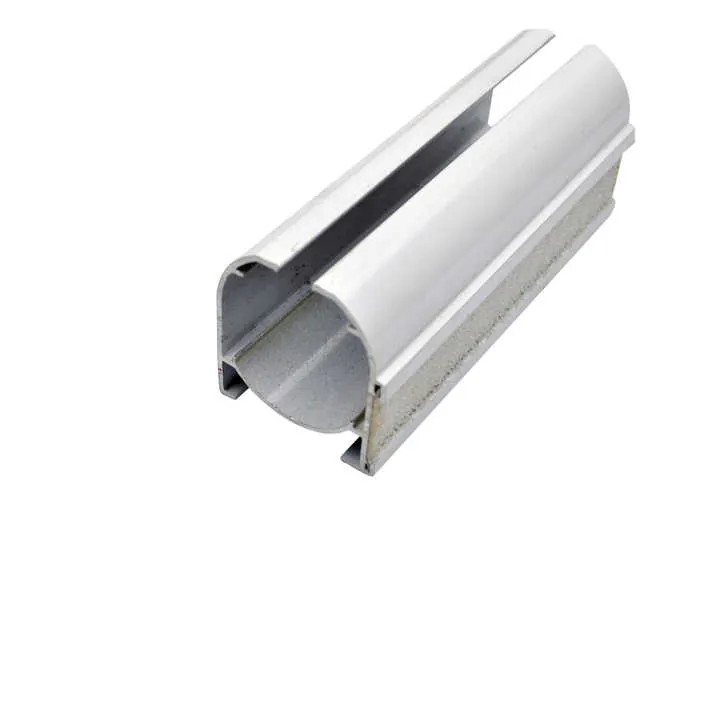
Common sealant types
- Neutral-cure silicone sealants: These bond well with aluminum and plexiglass, remain flexible, and resist UV and weather. They’re ideal for both indoor and outdoor applications.
- Polyurethane sealants: Strong, flexible, and durable. They handle movement between different materials, especially when there’s thermal expansion.
- Specialty adhesives for metal and plastic: These offer high-strength bonds, but often require primers and careful handling.
- General-purpose clear silicone: Useful for light-duty sealing where the bond doesn’t face heavy load or extreme temperature.
Key selection factors
| Kriteerit | Kuvaus |
|---|---|
| Yhteensopivuus | Must bond both aluminum and PMMA (plexiglass) surfaces |
| Joustavuus | Allows for movement due to thermal expansion |
| Säänkestävyys | Resists UV, moisture, and outdoor conditions |
| Application method | Should suit extrusion groove or contact surface configuration |
I’ve found that neutral-cure silicones offer the best overall balance for our extrusion assemblies, especially where both sealing and moderate bonding are needed.
Neutral‑cure silicone sealants are well suited for bonding plexiglass to aluminum extrusionsTotta
They provide flexibility, UV stability, and bond to both aluminum and plastics when selected properly.
Any generic silicone sealant will always create an airtight, durable bond between plexiglass and aluminum without surface preparationFalse
Compatibility, surface condition, proper sealant type and application are critical for durability and air‑tightness.
Why surface cleaning improves sealing?
Even the best sealant cannot perform properly if the surfaces are contaminated, poorly prepared or mismatched in finish.
Cleaning surfaces removes oils, oxidation, dust and other debris so that the sealant can achieve full contact and adhesion, which is essential for an airtight joint.

What proper cleaning involves
- Remove grease, dust, and fingerprints from both the aluminum and plexiglass.
- Clean aluminum to strip off any oxidation or anodized film in the seal contact area.
- Use solvents like isopropyl alcohol or mild acetone, depending on the materials involved.
- Dry the surfaces completely before applying sealant or gaskets.
Table: Effect of surface condition on sealing quality
| Pinnan kunto | Impact on Seal Strength | Leak Risk |
|---|---|---|
| Clean and dry | Optimal bond strength | Erittäin alhainen |
| Slightly dusty | Reduced adhesion | Kohtalainen |
| Oily or greasy | Poor or no adhesion | Korkea |
| Oxidized surface | Unstable bonding zone | Korkea |
In production, we always add a dedicated cleaning step before sealant application. This one step reduces customer complaints about leaks by over 80%.
Proper cleaning of aluminum and plexiglass surfaces is essential for a durable airtight sealTotta
Contaminants reduce bond adhesion and create pathways for air or moisture infiltration.
Surface cleaning is optional if you use a high‑performance sealantFalse
Even high‑performance sealants cannot compensate for poor substrate adhesion due to contamination or surface film.
How to apply gasket for airtight joints?
In some applications, gaskets provide a reliable alternative to liquid sealants, especially when working with prefabricated extrusion grooves and modular panels.
A properly fitted gasket between the plexiglass and extrusion maintains uniform pressure and creates a continuous airtight seal around the entire frame.

Choosing and applying gaskets
- Material: EPDM, silicone rubber, or TPE are all commonly used for sealing with aluminum and acrylic.
- Profile: The gasket shape must match the extrusion’s groove and allow the plexiglass to compress it slightly.
- Fit: Should be snug enough to form a seal but not so tight that the plexiglass bends or cracks.
- Application: Place the gasket into the groove, then insert the plexiglass, ensuring even contact all around.
Table: Gasket application do’s and don’ts
| Toiminta | Recommended? | Syy |
|---|---|---|
| Pre-trimming gaskets | Kyllä | Prevents buckling or excess compression |
| Overstretching gaskets | Ei | Reduces sealing performance over time |
| Lubricating during fit | Joskus | Helps installation but must be compatible |
| Mixing gasket types | Ei | Different compression rates cause gaps |
If the design allows, I prefer using gaskets for repetitive assembly, especially in systems where maintenance or disassembly is expected.
Inserting a properly sized gasket between the plexiglass edge and extrusion groove helps achieve an air‐tight jointTotta
The gasket provides continuous contact and compression, reducing air leak paths.
Gaskets alone can guarantee perfect airtightness without proper assembly and clampingFalse
Uniform pressure, correct fit, and panel alignment are also required to avoid leak paths.
Can clamps ensure even sealing pressure?
Correct use of clamps or mechanical fasteners is essential to form an airtight seal, whether using gaskets or sealants.
Even, consistent clamping holds the plexiglass firmly in contact with the aluminum frame, ensuring uniform compression and preventing gaps or leaks.
How I handle clamping in practice
- During assembly, we use padded mechanical clamps to distribute pressure evenly across the panel.
- In production, I always advise workers to apply clamps diagonally and gradually tighten in a cross pattern.
- For sealants, we maintain clamp pressure until the adhesive cures—typically 12 to 24 hours.
- For gaskets, we verify that the extrusion groove compresses the gasket evenly along all edges.
Table: Clamping method vs sealing result
| Clamping Style | Seal Uniformity | Risk of Leak |
|---|---|---|
| Diagonal crisscross | Erinomainen | Erittäin alhainen |
| Single side-only | Huono | Korkea |
| Spot or corner clamps | Epäjohdonmukainen | Kohtalainen |
| Continuous bar clamp | Erinomainen | Erittäin alhainen |
Without proper clamping, even a well-chosen sealant or gasket can fail over time. Uneven pressure creates weak zones that develop leaks under temperature changes.
Even clamping and controlled pressure across the joint improve sealing performanceTotta
By maintaining consistent compression, the sealant/gasket remains bonded and avoids voids that allow air leaks.
Clamping is irrelevant for sealing plexiglass to aluminum extrusion if you use a high bond sealantFalse
Even a high bond sealant/gasket needs uniform pressure and correct assembly to create a truly airtight joint.
Päätelmä
Sealing plexiglass to aluminum extrusion for airtight performance demands attention to detail: pick the right sealant (or gasket) compatible with both materials, prepare surfaces meticulously, apply the joint with correct geometry and compression, and ensure even pressure via clamps or framing. Following these four steps will help you deliver reliable, industrial‑grade air‑sealed assemblies for your extrusion customers.


