How much does aluminum extrusion cost?

Opening up: You wonder about the budget for aluminum profiles and feel uncertain.
Clear answer: The cost of aluminum extrusion depends on several key parts—material cost, alloy grade, tooling, machining, finish and volume—and typical custom profiles might run around US $2.50‑$8.00 per kg, though actual cost depends heavily on specifics.
Now let’s move into each influencing factor so you can see what drives cost and what you actually control.
What factors influence extrusion pricing?
Opening: You face a quote and feel many numbers you don’t fully understand.
Clear answer: The main cost drivers are raw material, tooling and die cost, manufacturing labour and overhead, finishing and secondary operations, and logistics.

Sukella syvemmälle
When I review an extrusion quote I like to break down the cost structure into major buckets. Here is how I look at things:
Major cost buckets
| Cost component | Typical share or impact | Mitä tarkistaa |
|---|---|---|
| Raaka-aine (aihio) | Often 60‑75% of total cost | Which aluminium alloy, current raw material cost |
| Tooling / die cost | One‑time cost amortised over units | Is it a new die? How many parts will it cover? |
| Manufacturing labour & overhead | Significant especially in high wage regions | What are labour rates, machine efficiencies? |
| Surface finish & secondary ops | Adds cost beyond extrusion itself | What finishes are required? What secondary works? |
| Volume / order quantity | Higher volume improves unit economics | What is the volume threshold for cost reduction? |
| Logistics, packaging, shipping | Important for export or long supply chains | Sisältyykö rahti/pakkaus? |
By reviewing each of these you gain clarity on “why is my quote this high?” or “how cheap can we make this?”. You shift from being surprised to being informed.
Here are some practical tips I’ve learned working in extrusion supply:
- Use standard profiles where you can. Custom shapes cost more because tooling is unique and run‑rates are lower.
- Fix your alloy and finish early. Changing later often means tooling or rework cost.
- Negotiate die amortisation up front. If you expect repeat runs, ask for better terms.
- Understand sourcing region: labour, energy, logistics vary, and those differences show up in cost.
- Ask for a cost breakout: raw material, tooling, labour, finishing, logistics each separated helps you ask informed questions.
- Plan for volume: bigger commitment often brings better pricing and lower per‑unit cost.
To sum up, cost of aluminum extrusion is not just “per kg” or “per unit”—it is a composite of many contributors. Knowing each contributor gives you power to negotiate, design cost‑effectively, and avoid surprises.
Why do alloy grades change cost?
Opening: You might think “aluminium is aluminium”, but the choice of alloy makes a big difference.
Clear answer: Higher grade or more specialised alloys cost more because raw material price, more complex processing or finishing demands, and lower production volumes lift cost.

Sukella syvemmälle
When we speak of alloy grades in aluminium extrusion we mean which aluminium alloy (for example 6063‑T5, 6061‑T6, 2024, etc) is used. Each alloy has different properties: strength, corrosion resistance, machinability. These differences translate into cost for several reasons:
1. Raw material cost variation
Even within aluminium, the billets of different alloys carry different costs. Standard alloy might be relatively low cost, but a higher strength alloy or specialist temper might cost significantly more. The difference might be +10‑20% for a step‑up alloy, or +40‑60% for premium aerospace level.
2. Processing complexity or quality requirement
A higher grade alloy often needs tighter controls, more exact heat treatment or tempering, and perhaps higher quality surface finish. These demands raise labour, overhead, inspection cost. For example if you require 6061‑T6 instead of 6063 you might need more QA steps or more careful process control.
3. Smaller production volumes / less common stock
If you pick an uncommon alloy or special temper, the manufacturer may not have ready stock, or may need to order special billets. That adds cost through longer lead time, possible premium on raw material, and less efficiency in production.
4. Finish compatibility
Some alloys are easier to anodise, powder‑coat or finish in general. If the alloy doesn’t take finishing well, extra processing or prep might be needed, adding cost.
Here’s a small table summarising how alloy grade might impact cost:
| Seoslaatu | Typical relative cost | Tyypillinen käyttötapaus |
|---|---|---|
| 6063 (architectural) | Baseline cost | Window frames, standard profiles |
| 6061 (structural) | +10‑20% vs baseline | Machine frames, structural components |
| 2024 / 7075 (aerospace/high strength) | +40‑60% or more | Aerospace parts, high load structural use |
From a buyer’s view here are suggestions to manage alloy‑related cost:
- Ask: “Is 6063 acceptable or do we truly need a higher grade alloy?”
- If you pick the higher grade, get cost increment details so you know the trade‑off.
- Consolidate alloys: fewer alloy types means less inventory for supplier and may reduce cost.
- For non‑critical applications consider whether recycled or lower spec alloy is acceptable.
- Check finishing requirement vs alloy choice: sometimes a premium finish forces a higher alloy.
In my experience, pushing on the alloy choice yields meaningful cost savings—especially when the part’s function does not demand the highest spec. But you must always match performance requirements. Cutting alloy spec where structural integrity or corrosion resistance is critical would be risky.
Where do machining fees add expense?
Opening: You might assume extrusion is “just push the profile and done”, but machining and secondary operations often tip the cost.
Clear answer: Machining (CNC, drilling, tapping), secondary finishes (anodising, powder coat), bending, welding, special packaging—each adds cost beyond the base extrusion.
Sukella syvemmälle
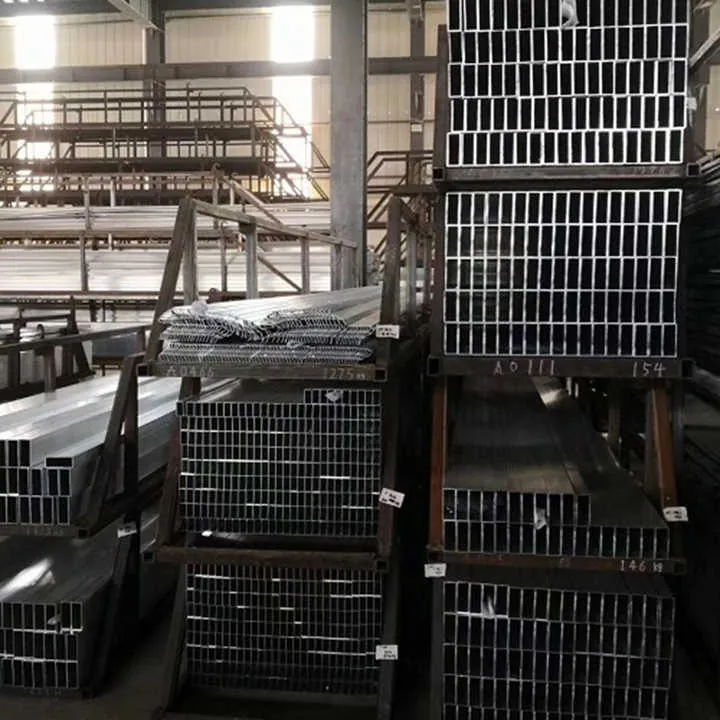
When you review a quote for custom extruded profiles you will often see two parts: “extrusion cost” and “secondary operations cost”. These secondary operations can sometimes equal or exceed the base extrusion cost depending on complexity. Let’s unpack this.
Secondary operations include:
- Machining (CNC: drilling, tapping, slotting, cutting)
- Bending or shaping beyond straight extrusion
- Heat treatment or tempering
- Surface finishes: anodising, powder coating, wood‑grain finish, PVDF coating
- Packaging, inspection, logistics and export compliance
- Special tolerances or tight dimensional control
Why these raise cost:
- Machining time means machine usage, labour, tooling wear. The more holes/features and tighter tolerances, the more time and cost. For example, drilling multiple holes in each profile adds cumulative labour cost.
- Finishes add material cost, extra labour, process stages. A premium wood‑grain finish takes more effort than a basic clear anodise.
- Setup and changeover costs: If you run small volume with many different secondary operations you might pay more per unit because the setup cost is spread very thin.
- Tighter tolerances increase inspection, scrap risk, rework. That raises cost.
- If the profile is complex and needs fixtures or slower feed rates, cycle time increases and cost goes up.
What I check when evaluating machining/secondary pricing:
- How many holes/features? Could we reduce count?
- Are all tolerances necessary? Could we allow a looser tolerance on non‑critical features?
- Are finishing requirements standard or premium? Can we switch to something simpler?
- Can we batch similar parts so secondary operations run efficiently?
- What is included in packaging/logistics? Especially for international export you want to know if packaging for shipping damage is included or extra cost.
- Can the extrusion supplier do finishing in house (reducing handling/shipping) or is it outsourced (cost plus shipping)?
Cost illustration
Let’s say base extrusion cost is $3.00 per kg. Then if you add machining and finishing you might add 15‑40% more cost depending on complexity. So final cost could be $3.45 to $4.20 (or more). If finishing is heavy or tolerance is very tight, it may go even higher. If you don’t check these extras you may be surprised when actual cost is much higher than base quote.
What you can do to reduce cost:
- Design for manufacturability: reduce number of drilled holes, reduce features not essential.
- Use simpler finishes when acceptable. Basic anodise often sufficient.
- Consolidate parts: fewer different parts means less tooling changes and fewer setups.
- Agree on finishing supplier with good terms, maybe integrate finishing into the extrusion supplier’s process chain.
- Get itemised cost breakout: know exactly how much the extrusion is, how much finishing/machining is, how much packaging/logistics is.
In summary, machining and secondary operations are a major cost driver you can influence—but they often hide in the quote. Understanding and managing them gives you stronger control over total cost.
Can volume discounts reduce costs?
Opening: You hope that buying larger quantity will lower the price—and yes it does, but you must pay attention.
Clear answer: Yes, larger order volumes usually lower per‑unit cost because fixed costs (tooling, set‑up) spread over more units. But you must consider design stability, commitment and logistics.
Sukella syvemmälle
Volume is one of the most powerful levers for cost reduction in aluminium extrusion. Here is how I think about it:
Why volume drives cost down
- Tooling/die cost is mostly fixed. Example: If you pay for a die upfront and produce 10,000 units rather than 1,000 units, the die cost per unit is ten times lower.
- Setup overhead (machine set‑up, changeover, inspection) remains similar in time whether you produce few units or many. More units means overhead cost per unit falls.
- Production efficiency improves at higher volumes: fewer stoppages, more consistent operations, better yield, less waste.
- Suppliers often give discounts when you hit volume thresholds: for example 500 kg order price, then discount at 2,000 kg, stronger discount at 10,000 kg.
- Longer‑term or repeat order commitments give supplier certainty; they may pass savings to you.
What to check and negotiate
- Minimum order quantity (MOQ): If you order too small, you pay premium. You might ask: “What minimum quantity triggers the lowest per‑unit cost?”
- Volume breakpoints: Ask supplier to show volumes vs unit cost chart.
- Commitment vs flexibility: If you commit to buying more over time you may get better rate now.
- Scrap and yield: At higher volumes scrap component is spread across more units. At low volumes scrap becomes bigger cost fraction.
- Inventory risk for you and supplier: Bigger volume order means more risk if design changes or demand falls; the supplier will include a buffer or extra cost.
- Logistics: Larger shipments may reduce per‑unit logistics cost (bulk shipping discounts), but storage/inventory cost may rise.
Example from practice
In one manufacturing case, if you buy only a small batch (100 units) you might pay full tooling cost per unit. But if you buy 1,000 or 5,000 units you might negotiate away tooling cost or spread it so unit cost drops significantly. I have seen orders where price per kg drops by 10‑30% when going from low volume to high volume.
Advice for procurement teams
- Estimate realistic lifetime volume for that profile. Don’t assume one‑off order only if you will use part across future projects.
- Negotiate upfront: “If I commit to X kg over 12 months I get rate Y.”
- Consolidate profiles: fewer unique profiles means you produce more volume per profile which reduces cost.
- Understand breakpoints: sometimes cost reduction only happens at high volume thresholds—know them.
- Balance trade‑offs: high volume may increase lead time, or require more inventory holding—factor that in.
- Talk to supplier about flexibility: can you start smaller and scale up, or reduce tooling cost if you pay a higher unit price now?
So yes volume discounts reduce cost, but they come with conditions and require strategic planning rather than simply ordering more.
Päätelmä
From my experience working in aluminium extrusion supply, cost is never just “per kg” in isolation. The price you pay reflects raw material, alloy grade, tooling, machining and finishing, volume and logistics. If you design with awareness of these levers and negotiate smartly, you can reduce cost without compromising quality. Always ask for a cost breakout, focus on volume strategy, choose the simplest alloy that meets your performance needs, minimise secondary operations, and plan logistics carefully. With that approach you’ll gain both cost control and supply reliability.