Alumiinipuristuksen ohutseinämäisyys?
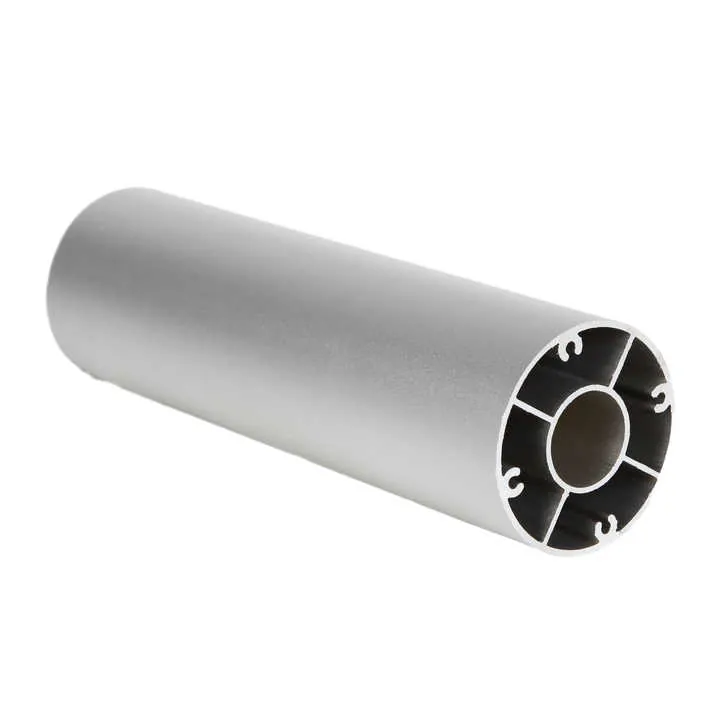
Thin walls often look simple on drawings. In real production, they cause delays, scrap, and redesigns. Many buyers only discover limits after tooling starts. This gap between design and reality creates cost pressure and missed timelines.
Aluminum extrusion can achieve thin walls, but only within clear process limits that depend on alloy, profile shape, tooling, and press control. When these factors align, thin-wall extrusion becomes stable, repeatable, and cost-effective.
Thin-wall capability is not a single number. It is a system result. Understanding the limits before design freeze helps buyers avoid hidden risks and protect supply stability.
What minimum wall thickness can extrusion achieve?
Thin walls are often pushed too far during early design. The risk is not only breakage. It also includes poor surface, distortion, and unstable dimensions. These problems show up after dies are built, not before.
In standard industrial conditions, aluminum extrusion can reliably achieve wall thicknesses from 0.8 mm to 1.2 mm, while advanced control and simple shapes may reach 0.6 mm. Below this range, cost and risk increase fast.

Practical industry ranges
Thin-wall limits depend on repeatability, not lab results. In mass production, stable output matters more than extreme records.
| Seinäpaksuusalue | Production stability | Tyypillisiä käyttötapauksia |
|---|---|---|
| 0.6-0.8 mm | Alhainen tai keskisuuri | Electronics, decorative trims |
| 0.8-1.0 mm | Keskisuuri tai suuri | Lighting, frames, enclosures |
| 1.0-1.2 mm | Korkea | Structural light-duty profiles |
| Above 1.2 mm | Erittäin korkea | Construction, industrial frames |
Why thinner is harder
Thin walls cool faster than thick sections. This creates uneven metal flow. The aluminum may slow down or tear inside the die. Tool wear also rises fast.
Press and die effects
Large presses with stable ram speed help thin walls. Die bearing length must be precise. Short bearings cause speed loss. Long bearings cause tearing.
Real production mindset
From daily factory experience, designs below 0.8 mm should only be approved after die simulation and trial extrusion. Paper approval is not enough.
Aluminum extrusion can reliably produce wall thicknesses around 0.8 to 1.2 mm in mass production.Totta
This range balances metal flow stability, die life, and dimensional control in real factory conditions.
Any aluminum profile can easily reach 0.5 mm wall thickness without special tooling.False
Walls below 0.6 mm require special shapes, alloys, and process control and are not universally achievable.
How does profile shape influence thin-wall success?
Many thin-wall failures are not alloy problems. They are shape problems. Geometry controls metal flow more than raw strength.
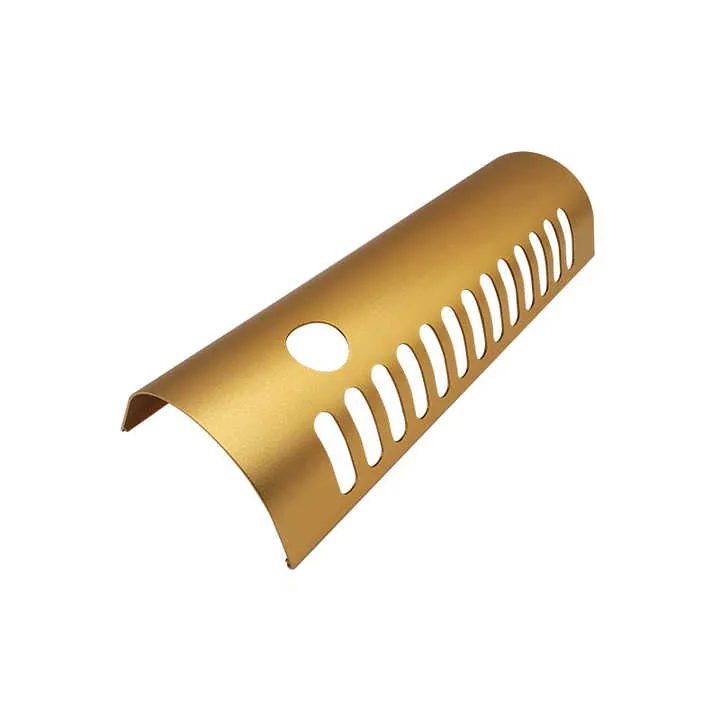
Simple, symmetric, and open shapes have much higher thin-wall success than complex or closed profiles. Shape decides whether metal flows evenly or fights itself.
Symmetry matters
When walls mirror each other, metal speed stays balanced. Asymmetry creates pressure differences. Thin areas starve first.
Open vs closed profiles
Closed hollow profiles trap metal. They need higher pressure. Thin walls inside closed cavities are the hardest to control.
| Shape feature | Thin-wall impact | Riskitaso |
|---|---|---|
| Symmetric cross-section | Improves flow balance | Matala |
| Open channels | Easier extrusion | Matala |
| Terävät kulmat | Flow restriction | Medium |
| Closed hollows | Pressure buildup | Korkea |
| Epätasainen seinämän paksuus | Speed mismatch | Korkea |
Corner radius control
Sharp internal corners block metal flow. Adding even a small radius improves results. For thin walls, generous radii are not optional.
Design for flow, not looks
Designers often optimize for appearance. Extrusion rewards flow logic. When flow wins, surface quality follows.
Early design review value
Early feedback saves tooling cost. Shape adjustments before die cutting reduce scrap and lead time.
Symmetric and open profile shapes improve thin-wall extrusion success.Totta
Balanced geometry allows even metal flow and reduces pressure differences during extrusion.
Profile shape has little effect on thin-wall extrusion quality.False
Shape strongly controls metal flow, pressure, and stability in thin-wall extrusion.
Can thin-wall extrusions maintain strength?
Thin walls often raise concern about strength. Many buyers assume thinner means weaker. This is only partly true.
Thin-wall extrusions can maintain sufficient strength when alloy choice, temper, and load direction are properly matched. Strength depends on system design, not wall thickness alone.
Load direction matters
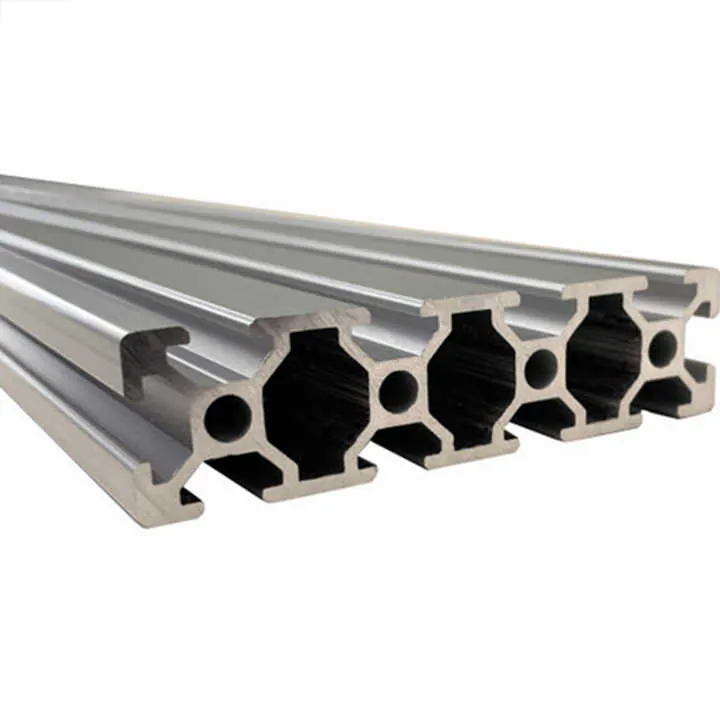
Extrusions are strongest along the length. Thin walls handle axial loads better than bending loads.
Section design over thickness
A thin wall with ribs often outperforms a thick flat wall. Geometry multiplies strength more than material mass.
Alloy and temper effects
Heat-treated alloys regain strength after extrusion. Natural aging also improves properties over time.
Typical strength comparison
| Suunnittelutapa | Suhteellinen vahvuus | Materiaalin käyttö |
|---|---|---|
| Thick flat wall | Medium | Korkea |
| Thin wall with ribs | Korkea | Medium |
| Thin wall no ribs | Matala | Matala |
Real application examples
Lighting housings and solar frames use thin walls daily. Failure is rare when design matches load.
Engineering mindset
Strength should be verified by load cases, not by visual thickness judgment.
Thin-wall extrusions can meet strength needs through proper design and alloy selection.Totta
Geometry, temper, and load direction allow thin walls to perform reliably in many applications.
Thin walls always result in weak aluminum profiles.False
Strength depends on overall design, not wall thickness alone.
Which alloys are best for thin-wall profiles?
Alloys behave differently during flow. Some spread smoothly. Others resist deformation. Choosing the wrong alloy increases scrap risk.
6xxx series alloys, especially 6063 and 6061, are best suited for thin-wall aluminum extrusion due to their balanced flow and strength. These alloys dominate thin-wall production worldwide.
Why 6063 leads
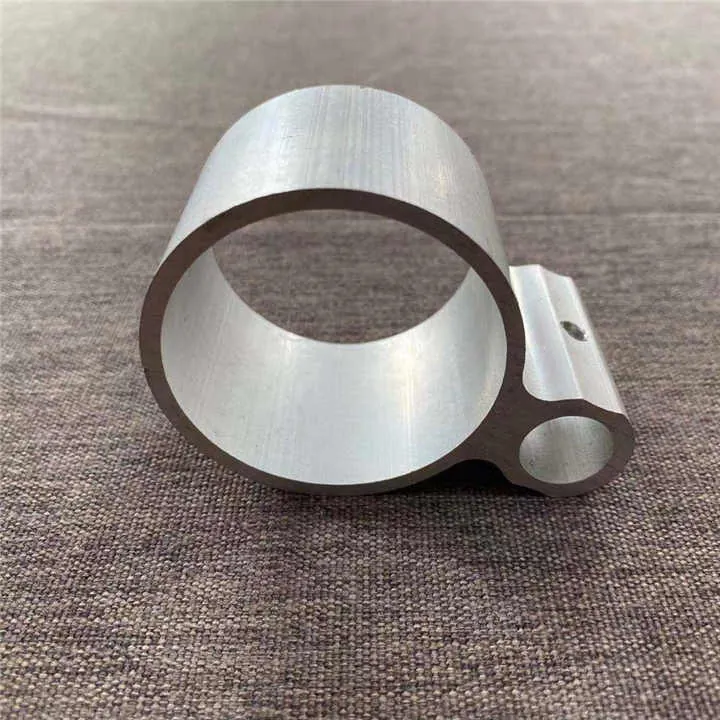
6063 flows easily and gives excellent surface finish. It supports thinner walls with less pressure.
When 6061 is needed
6061 offers higher strength but slightly worse flow. Thin walls are possible, but shape must be simpler.
Alloy comparison
| Metalliseos | Flow ability | Thin-wall suitability | Tyypillinen käyttö |
|---|---|---|---|
| 6063 | Erinomainen | Erittäin korkea | Architectural, lighting |
| 6061 | Hyvä | Korkea | Rakenteellinen, teollinen |
| 6082 | Medium | Medium | Heavy-duty profiles |
| 7075 | Huono | Matala | Työstetyt osat |
Surface quality link
Thin walls show defects faster. Alloys with smoother flow reduce streaks and tearing.
Supplier capability matters
Even the right alloy fails with poor billet quality or temperature control. Alloy choice and process must match.
6063 aluminum alloy is highly suitable for thin-wall extrusion.Totta
Its excellent flow and surface quality support stable thin-wall production.
High-strength alloys like 7075 are ideal for thin-wall extrusion.False
Such alloys have poor flow and are rarely suitable for thin-wall extrusion.
Päätelmä
Thin-wall aluminum extrusion is achievable when limits are respected. Wall thickness, shape, strength, and alloy must align. Early design review and realistic targets protect cost, quality, and delivery.