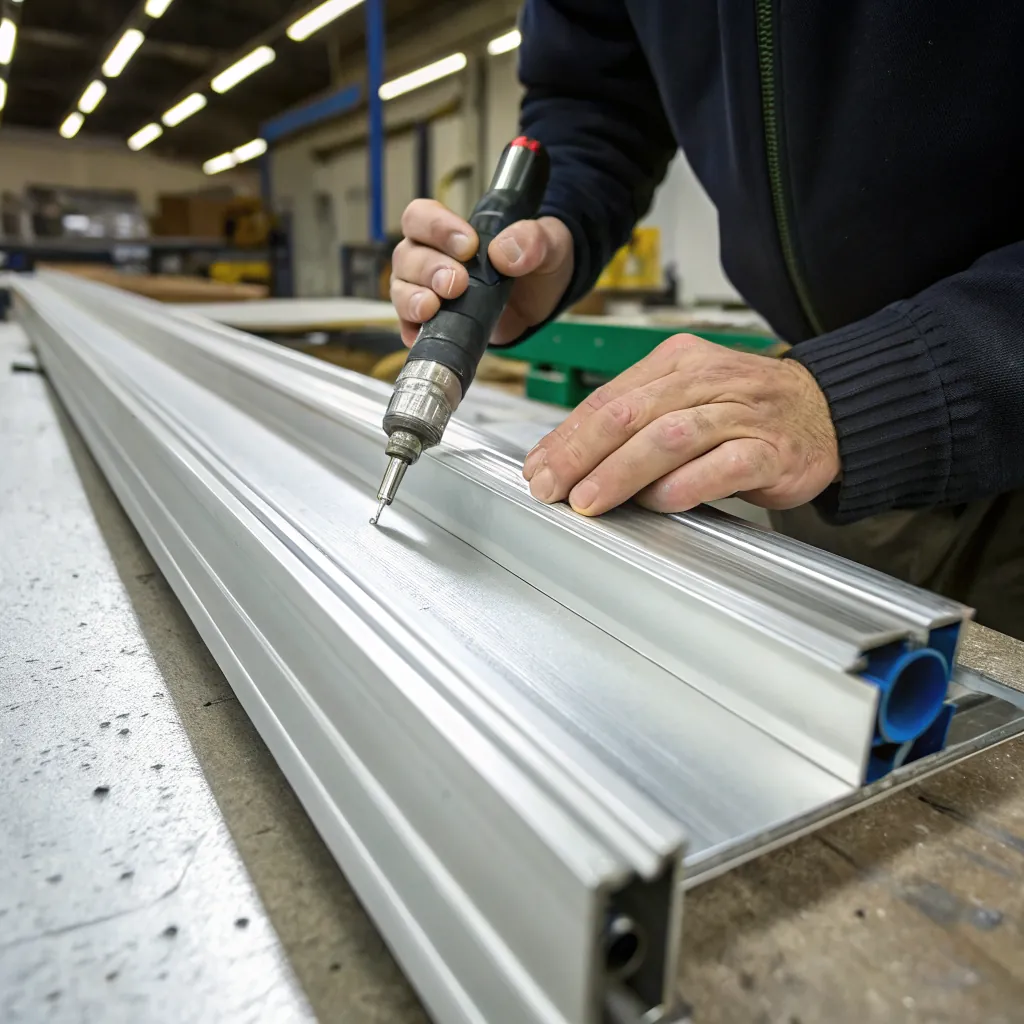
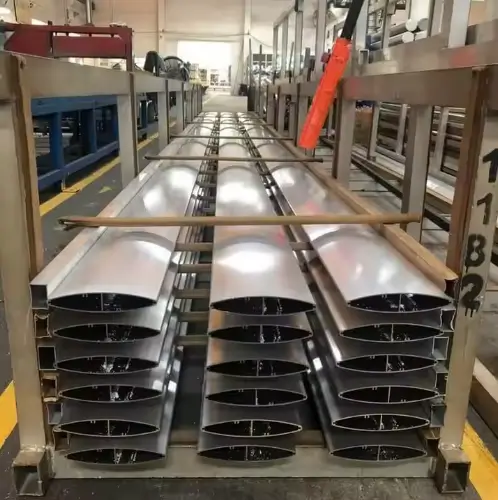
Alumiinipuristustuotteet rakenteellisiin kehyksiin?

Monet hankkeet epäonnistuvat ennen kuin ne edes alkavat. Väärä runkovalinta johtaa taipumiseen, tärinään tai varhaiseen epäonnistumiseen. Monet ostajat olettavat, että kaikki alumiiniprofiilit toimivat samalla tavalla. Tämä oletus luo riskin.
Alumiiniprofiilit tarjoavat joustavia, vahvoja ja skaalautuvia vaihtoehtoja rakenteelliseen kehystämiseen, kun käytetään oikeaa profiilia, seosta ja suunnittelumenetelmää.
Rakenteellisessa kehystyksessä ei ole kyse vain lujuudesta. Kyse on myös kuormitusreiteistä, liitosten suunnittelusta ja pitkän aikavälin vakaudesta. Tässä artikkelissa kerrotaan, miten alumiinipuristevaihtoehdot valitaan todelliseen rakennekäyttöön.
Mitkä suulakepuristustyypit ovat ihanteellisia rakenteelliseen käyttöön?

Rakenteelliset rungot epäonnistuvat, kun profiilit valitaan ulkonäön eikä toiminnan perusteella. Ohuet seinät, avoimet profiilit ja heikot liitokset aiheuttavat piileviä ongelmia.
Suljetut ja puolisuljetut alumiiniprofiilit, joissa on paksummat seinät, ovat ihanteellisia rakenteelliseen kehystämiseen, koska ne jakavat kuormitusta paremmin ja kestävät vääntöä paremmin.
Oikean suulakepuristustyypin valinta on ensimmäinen askel kohti turvallista runkoa.
Yleiset rakenteelliset alumiinipursotustyypit
Kaikki suulakepuristimet eivät sovellu rakenteeseen. Jotkut ovat koristeellisia. Jotkut ovat kantavia.
Yleisimpiä rakennetyyppejä ovat:
- Nelikulmaiset ja suorakaiteen muotoiset onteloprofiilit
- T-aukkoiset teollisuusprofiilit
- I-palkki- ja T-palkkiprofiilit
- Laatikkoprofiilit, joissa on sisäiset kylkiluut
Kukin tyyppi käsittelee kuormia eri tavalla.
Miksi onttojen profiilien suorituskyky on parempi
Suljetut ontot profiilit kestävät taivutusta ja vääntymistä paremmin kuin avoimet muodot. Kuormitus jakautuu koko kehälle.
Tämä tekee niistä vakaita sekä pysty- että vaakasuuntaisten voimien vaikutuksesta.
Yleisten suulakepuristustyyppien vertailu
| Profiilin tyyppi | Taivutusvastus | Vääntökestävyys | Tyypillinen käyttö |
|---|---|---|---|
| Avoin U-muoto | Matala | Erittäin alhainen | Kevyet kehykset |
| T-uraprofiili | Medium | Medium | Modulaariset järjestelmät |
| Neliön muotoinen ontto | Korkea | Korkea | Rakenteelliset kehykset |
| Laatikko, jossa on kylkiluut | Erittäin korkea | Erittäin korkea | Raskaan kuorman kehykset |
Tämä taulukko osoittaa, miksi onttoja profiileja käytetään eniten rakennesuunnitelmissa.
Seinämän paksuudella on enemmän merkitystä kuin koolla
Monet ostajat keskittyvät vain ulkoisiin ulottuvuuksiin. Tämä aiheuttaa alimitoitusta.
Suuri profiili, jossa on ohuet seinät, voi pettää aikaisemmin kuin pienempi profiili, jossa on paksut seinät.
Seinämän paksuus vaikuttaa suoraan:
- Taivutusvastus
- Väsymisikä
- Nivelen lujuus
Todellinen tuotantokokemus
Eräässä projektissa asiakas valitsi leveän T-uraprofiilin tukemaan liikkuvia laitteita. Runko värähteli käytön aikana.
Kun siirryttiin laatikkoprofiiliin, jossa on sisäiset kylkiluut, tärinä väheni jyrkästi ilman, että koko kasvoi.
Suljetut alumiiniprofiilit tarjoavat paremman rakenteellisen suorituskyvyn kuin avoimet profiilit.Totta
Suljetut profiilit jakavat jännityksen tasaisesti ja kestävät taivutusta ja vääntymistä.
Mitä tahansa alumiiniprofiilia voidaan käyttää turvallisesti rakenteelliseen runkoon, jos se on riittävän suuri.False
Profiilin muoto ja seinämän paksuus ovat kriittisiä, ei pelkästään koko.
Miten runkoprofiilit valitaan kuormituksen perusteella?

Kuormituksen virhearviointi on hiljainen vian aiheuttaja. Monet rungot näyttävät vahvoilta, mutta pettävät dynaamisessa tai epätasaisessa kuormituksessa.
Runkoprofiilin valinnassa on otettava huomioon kuormitustyyppi, suunta, suuruus ja varmuuskerroin, ei pelkästään staattinen paino.
Kuormituskäyttäytymisen ymmärtäminen muuttaa profiilien valintaa.
Kuormitustyypit rakenteellisessa kehystyksessä
Rakenteelliset rungot kantavat harvoin vain yhtä kuormitustyyppiä.
Yleisiä kuormia ovat:
- Laitteiden painosta aiheutuvat staattiset kuormat
- Liikkeestä aiheutuvat dynaamiset kuormat
- Äkillisen voiman aiheuttamat iskukuormat
- Palkkeja pitkin jakautuneet kuormat
Jokainen kuormitus vaikuttaa runkoon eri tavalla.
Kuormituksen suunta ja jännityspolut
Pystysuorat kuormat aiheuttavat taivutusta. Vaakakuormat aiheuttavat leikkauksen. Vääntö johtuu offset-voimista.
Profiilien on oltava linjassa kuormitusreittien kanssa jännityskeskittymien välttämiseksi.
Kuorman perusvalintalogiikka
Prosessi etenee yleensä seuraavasti:
- Tunnista enimmäiskuorma
- Kuorman suunnan tunnistaminen
- Jännevälien pituuden määrittäminen
- Valitse varmuuskerroin
- Tarkista taipuman rajat
Yhdenkin vaiheen ohittaminen johtaa riskiin.
Tyypilliset käytetyt varmuuskertoimet
| Sovellustyyppi | Turvallisuuskerroin |
|---|---|
| Staattiset laitteet | 1,5-2,0 |
| Liikkuvat koneet | 2,0-3,0 |
| Ihmisten pääsy | 3,0 tai korkeampi |
Suuremmat varmuuskertoimet vähentävät taipuma- ja väsymisriskiä.
Taipuminen on tärkeämpää kuin epäonnistuminen
Monet alumiinirungot eivät rikkoudu. Ne taipuvat liikaa.
Liiallinen taipuma aiheuttaa:
- Kohdistusvirhe
- Melu
- Kiinnittimen löystyminen
- Väsymissäröt
Suunnittelurajoissa käytetään usein taipumissuhteita kuten L/200 tai L/300.
Käytännön suunnitteluesimerkki
Kuljetinrunko kantoi vain kohtalaista painoa. Profiilin lujuus riitti, mutta taipuminen aiheutti hihnan seurantaongelmia.
Kun siirryttiin korkeampaan profiiliin samalla painolla, taipuma pieneni ilman, että materiaalikustannukset muuttuivat.
Profiilin valinnassa on otettava huomioon kuormituksen suunta ja taipumisrajat, ei pelkästään lujuus.Totta
Rungot vioittuvat usein pikemminkin liiallisen taivutuksen kuin murtumisen vuoksi.
Jos alumiinirunko ei rikkoudu, se on rakenteellisesti hyväksyttävä.False
Liiallinen taipuma voi silti aiheuttaa toiminnallisia ja väsymisongelmia.
Voivatko puristekappaleet korvata teräksen rakenteellisessa runkorakenteessa?

Terästä pidetään usein oletusarvoisena rakennusmateriaalina. Alumiini hylätään joskus liian aikaisin.
Alumiiniprofiilit voivat korvata teräksen monissa rakenteellisissa runkosovelluksissa, kun painonpudotus, korroosionkestävyys ja modulaarisuus ovat ensisijaisia tavoitteita.
Päätös riippuu sovelluksen tavoitteista, ei perinteistä.
Lujuus-painoetu
Alumiinin absoluuttinen lujuus on pienempi kuin teräksen. Se on kuitenkin paljon kevyempi.
Tämä antaa alumiinille vahvan lujuus-painosuhteen.
Monien runkojen kohdalla paino on tärkeämpi kuin lopullinen lujuus.
Korroosio ja ympäristö
Teräs tarvitsee pinnoitusta tai maalausta. Alumiini muodostaa oman oksidikerroksensa.
Kosteissa tai ulkotiloissa alumiini kestää usein pidempään ja vaatii vähemmän huoltoa.
Valmistuksen ja kokoonpanon edut
Alumiiniprofiilit mahdollistavat:
- Pulttipakkaus
- Modulaarinen laajennus
- Vähennetty hitsaus
- Nopeampi asennus
Nämä edut vähentävät työvoimakustannuksia.
Alumiini- ja teräsrunkojen vertailu
| Kiinteistö | Alumiini suulakepuristus | Teräsrakenne |
|---|---|---|
| Paino | Matala | Korkea |
| Korroosionkestävyys | Korkea | Medium |
| Valmistuksen nopeus | Nopea | Hitaampi |
| Modulaarisuus | Erinomainen | Rajoitettu |
| Alkuperäiset materiaalikustannukset | Korkeampi | Alempi |
Tämä taulukko osoittaa kompromisseja, ei voittajaa.
Missä alumiinin EI pitäisi korvata terästä
Alumiini ei ole ihanteellinen:
- Erittäin korkean lämpötilan alueet
- Äärimmäiset iskukuormat
- Erittäin raskaat staattiset kuormat
Näissä tapauksissa teräs on edelleen hallitsevassa asemassa.
Todellinen projektinäkemys
Eräässä tehdasalustahankkeessa siirtyminen teräksestä alumiiniin vähensi kokonaispainoa yli 40 prosenttia.
Tämä mahdollisti pienemmät perustukset ja nopeamman asennuksen.
Alumiiniprofiilit voivat korvata teräksen monissa rakenteellisissa runkosovelluksissa.Totta
Alumiini tarjoaa paino-, korroosio- ja modulaarisia etuja.
Alumiiniprofiilit ovat aina heikompia ja vaarallisempia kuin teräsrakenteet.False
Oikein suunnitellut alumiinirungot voivat täyttää monet rakenteelliset vaatimukset turvallisesti.
Millaiset rakenteet parantavat rakenteellisten järjestelmien vakautta?

Monet rakenteelliset epäonnistumiset johtuvat huonosta suunnittelusta, eivät heikosta materiaalista. Profiilit eivät yksinään takaa vakautta.
Rakenteellinen vakaus paranee oikean geometrian, tukien, liitosten suunnittelun ja kuormituksen jakautumisen avulla.
Suunnitteluvalinnoilla on usein enemmän merkitystä kuin materiaaliluokalla.
Kolmioinnin merkitys
Kolmiomaiset muodot kestävät muodonmuutoksia. Suorakulmiot eivät.
Vinotukien lisääminen lisää jäykkyyttä ilman suurta lisäpainoa.
Liitoksen suunnittelu ja liitoksen lujuus
Heikot liitokset pilaavat vahvat rungot.
Ruuviliitosten on oltava:
- Jaa kuorma tasaisesti
- Estä kierto
- Säilytä esijännitys
Löysät liitokset aiheuttavat tärinää ja väsymistä.
Rungon geometrian periaatteet
Vakaat kehykset noudattavat yksinkertaisia sääntöjä:
- Lyhyemmät jännevälit vähentävät taivutusta
- Korkeammat osat lisäävät jäykkyyttä
- Symmetria tasapainottaa kuormitusta
Geometrian huomiotta jättäminen aiheuttaa epätasaista rasitusta.
Yleiset vakausparannukset
| Suunnittelumenetelmä | Vakaushyöty |
|---|---|
| Diagonaalinen jäykistys | Vähentää huojuntaa |
| Laippalevyt | Vahvistaa niveliä |
| Kylkiprofiilit | Jäykkyyden lisääminen |
| Kuormanjakopalkit | Vähennä huippustressiä |
Nämä menetelmät toimivat yhdessä, eivät yksinään.
Tärinänhallinta alumiinirungoissa
Alumiini on kevyempää, joten tärinään on kiinnitettävä huomiota.
Ratkaisuihin kuuluvat:
- Poikkileikkauksen korkeuden lisääminen
- Vaimennuselementtien lisääminen
- Nivelten kireyden parantaminen
Tärinän huomiotta jättäminen johtaa meluun ja väsymykseen.
Suunnittelun oppi kokemuksesta
Eräässä automatisoidussa järjestelmässä runko täytti lujuusrajat, mutta tärisi käytön aikana.
Vinotukien lisäämisen jälkeen tärinä väheni ilman profiilien muuttamista.
Rakenteellinen vakaus riippuu suuresti rungon geometriasta ja liitosten suunnittelusta.Totta
Hyvä suunnittelu jakaa kuormitusta ja rajoittaa muodonmuutoksia.
Pelkästään paksumpien alumiiniprofiilien käyttö takaa rakenteellisen vakauden.False
Huono geometria ja heikot liitokset voivat silti aiheuttaa epävakautta.
Päätelmä
Alumiiniprofiilirakenteiden kehystäminen onnistuu, kun profiilityyppi, kuormitusanalyysi, materiaalivalinta ja suunnittelugeometria toimivat yhdessä. Älykkään valinnan ja oikeanlaisen suunnittelun ansiosta alumiinirungot ovat vahvoja, vakaita ja luotettavia monissa rakennesovelluksissa.