Alumiinipursotuksen vähimmäissäteen suunnittelusäännöt?
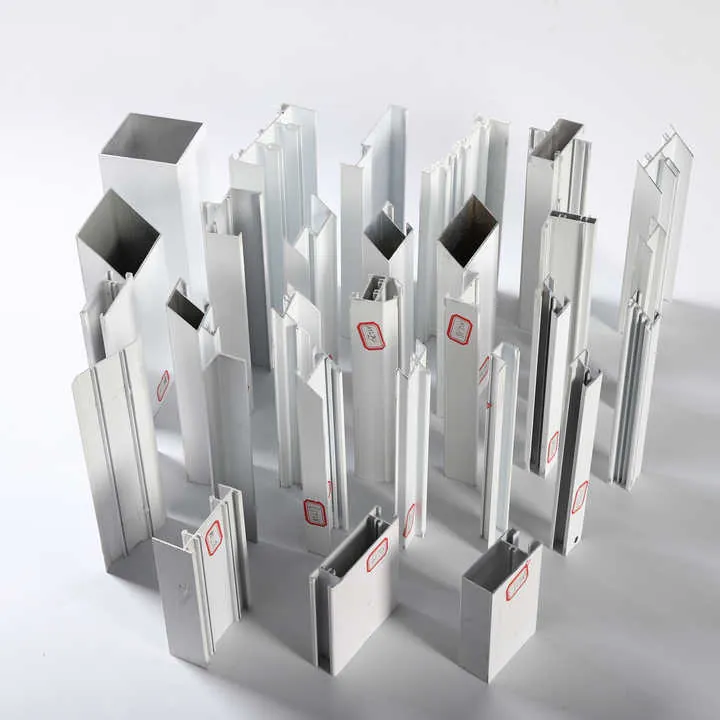
Alumiiniprofiilit epäonnistuvat usein tuotannon loppuvaiheessa, koska kulmasäteet on arvattu eikä suunniteltu. Tämä riski maksaa aikaa, työkaluja ja luottamusta.
Alumiinipuristuksessa vähimmäissäde riippuu seoksesta, seinämän paksuudesta ja profiilin virtauksesta, ja sen on oltava riittävän suuri, jotta metalli voi liikkua ilman repeämiä tai jännityksen muodostumista.
Monet ostajat luulevat, että sädesäännöt ovat pelkkiä numeroita. Ne eivät ole. Säde on järjestelmän tulos. Se johtuu metallin virtauksesta, muotin lujuudesta ja lopullisesta käytöstä. Tässä artikkelissa selitetään säännöt yksinkertaisin termein, jotka perustuvat siihen, mitä näemme työmaalla joka päivä.
Mikä on suulakepuristetun alumiinin pienin taivutussäde?
Lyhyet säteet näyttävät piirustuksissa siistiltä, mutta ne ovat suurin syy muottien murtumiseen ja profiilien pettämiseen.
Useimmissa suulakepuristetuissa alumiiniprofiileissa sisäkulman säteen tulisi olla vähintään 0,5-1,5 kertaa seinämän paksuus seoksesta ja profiilin muodosta riippuen.

Kun suunnittelijat kysyvät pienintä taivutussädettä, he usein sekoittavat taivutussäännöt puristussääntöihin. Puristaminen ei ole levyn taivuttamista. Alumiini työnnetään muotin läpi pehmeänä massana. Se virtaa. Kulmat ohjaavat virtausta. Jos kulma on liian terävä, metalli ei täyty tasaisesti.
Miten säde toimii puristamisen aikana
Muotin sisällä alumiini siirtyy säiliöstä kapeisiin kanaviin. Kulmissa virtausnopeus muuttuu. Terävä kulma hidastaa metallia sisäreunalla. Ulkoreuna liikkuu nopeammin. Tämä aiheuttaa jännitystä ja lämpöeroja.
Jos säde on liian pieni, tapahtuu kolme asiaa:
- Kulma ei täyty kokonaan
- Pintaviivat näkyvät
- Mikrosäröt muodostuvat stressin alaisena
Nämä viat eivät välttämättä näy aluksi. Ne ilmenevät myöhemmin anodisoinnin, koneistuksen tai kokoonpanon aikana.
Yhteiset vähimmäissäteitä koskevat suuntaviivat
Tuotantotietojen perusteella nämä ovat turvallisia lähtökohtia:
| Seinämän paksuus (mm) | Suositeltu sisäinen säde (mm) |
|---|---|
| 1.0 - 1.5 | 0.8 - 1.2 |
| 1.6 - 2.5 | 1.2 - 2.5 |
| 2.6 - 4.0 | 2.0 - 4.0 |
| > 4.0 | >= seinämän paksuus |
Nämä eivät ole tiukkoja rajoja. Ne ovat toimintasääntöjä, joilla tasapainotetaan muotin käyttöikää, pinnan laatua ja kustannuksia.
Sisäinen vs. ulkoinen säde
Sisäsäteellä on enemmän merkitystä kuin ulkosäteellä. Ulkokulmat voivat näyttää teräviltä, vaikka sisäsäde olisi suuri. Tämä on keskeinen suunnittelutemppu.
Suosittelemme usein, että sisäinen säde pidetään suurpiirteisenä ja että käytetään pientä ulkoista viistettä tai jälkityöstöä, jos tarvitaan terävää ulkonäköä.
Todellinen vaikutus tuotantoon
Kun säde on liian pieni:
- Suodattimen kiillotusaika pitenee
- Puristusnopeus laskee
- Romutusaste nousee
- Toimitusaika pitenee
Todellisissa projekteissa säteen kasvattaminen vain 0,5 mm:llä vähentää usein vikojen määrää yli puolella.
Alumiinipuristekappaleiden sisäkulman vähimmäissäde liittyy yleensä pikemminkin seinämän paksuuteen kuin profiilin kokonaiskokoon.Totta
Metallin virtausjännitys keskittyy ohuisiin seinämiin, joten seinämän paksuus ohjaa sitä, kuinka pieni säde voi olla ilman vikoja.
Nollasäteinen sisäkulma voidaan turvallisesti pursottaa, jos seos on riittävän pehmeää.False
Nollasäteiset kulmat estävät metallin virtauksen ja aiheuttavat lähes aina halkeamia, taittumia tai muotin rikkoutumisen riippumatta metalliseoksen pehmeydestä.
Miten seinämän paksuus ja seos vaikuttavat säteen rajoihin?
Suunnittelijat keskittyvät usein muotoon, mutta paksuus ja metalliseos ratkaisevat, mikä on mahdollista.
Paksummat seinämät mahdollistavat suuremman jännityksen leviämisen ja pienemmän suhteellisen säteen, kun taas kovemmat seokset tarvitsevat suurempia säteitä halkeilun ja virtauksen epätasapainon välttämiseksi.
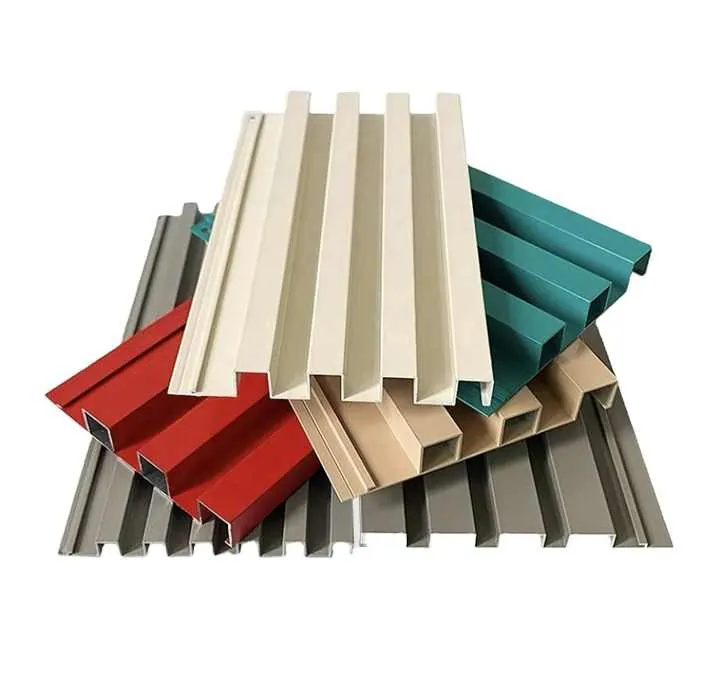
Seinämän paksuus ja seos toimivat yhdessä. Yhtä niistä ei voida arvioida yksin.
Seinämän paksuuden vaikutukset
Ohuet seinämät jäähtyvät nopeammin ja vastustavat virtausta. Kulmissa tämä vastus on voimakkaampi. Pieni säde ohuessa seinämässä luo kuristuspisteen.
Tärkeimmät havainnot tuotannosta:
- Ohuet seinät tarvitsevat suurempia sädesuhteita
- Paksut seinät sietävät tiukempia kaaria
- Epätasainen paksuus lisää riskiä
Yhtenäinen seinämäpaksuus auttaa enemmän kuin mikään muu suunnittelumuutos.
Seosaine-erot käytännössä
Kaikki alumiini ei käyttäydy samalla tavalla. Tässä on yksinkertainen vertailu:
| Metalliseos | Virtauskyky | Säteen herkkyys | Tyypillinen käyttö |
|---|---|---|---|
| 6063 | Korkea | Matala | Arkkitehtuuri |
| 6061 | Medium | Medium | Rakenteellinen |
| 6005A | Medium | Medium | Liikenne |
| 7075 | Matala | Erittäin korkea | Ilmailu- ja avaruusala |
6063 virtaa sujuvasti. Se täyttää kulmat helposti. 6061 on vahvempi mutta jäykempi. Se tarvitsee anteliaampia säteitä.
Miksi kovemmat seokset tarvitsevat suurempia säteitä?
Kovat seokset kestävät muodonmuutoksia. Puristamisen aikana ne tarvitsevat enemmän painetta liikkumiseen. Terävissä kulmissa paine kasvaa. Tämä johtaa:
- Die stressihalkeamat
- Pinnan repeäminen
- Lyhyt käyttöikä
Neuvomme usein lisäämään sädettä 30-50 prosenttia, kun vaihdetaan 6063:sta 6061:een, vaikka muoto pysyisi samana.
Paksuus ja seos yhdistettynä
Ohut seinämä kovassa metalliseoksessa on pahin tapaus. Monet epäonnistumiset johtuvat tästä sekoituksesta.
Hyvä suunnittelu noudattaa tätä järjestystä:
- Valitse metalliseos toiminnon mukaan
- Aseta seinämän vähimmäispaksuus
- Määritä kulman säde viimeksi
Tämän järjestyksen ohittaminen johtaa uudelleensuunnittelusilmukoihin.
Siirtyminen 6063-alumiinista 6061-alumiiniin edellyttää yleensä kulmasäteiden kasvattamista, jotta suulakepuristamisen laatu säilyy.Totta
6061:n virtausominaisuudet ovat heikommat, joten suuremmat säteet vähentävät jännitystä ja parantavat metallin virtausta.
Seinäpaksuudella on vain vähän vaikutusta kulman vähimmäissäteeseen, jos suulakepuristusnopeutta alennetaan.False
Nopeuden vähentäminen ei voi täysin kompensoida ohuiden seinämien ja terävien kulmien aiheuttamaa virtauksen tukkeutumista.
Voivatko terävät kulmat heikentää profiilin eheyttä?
Terävät kulmat näyttävät vahvoilta, mutta ne kätkevät usein heikkoutta.
Kyllä, terävät sisäkulmat luovat jännityskeskittymiä, jotka lyhentävät väsymiskestävyyttä ja lisäävät halkeiluriskiä kuormituksen ja lämpötilan vaihtelun yhteydessä.
Profiilin eheys ei ole vain paperin vahvuutta. Kyse on siitä, miten profiili käyttäytyy puristamisen, työstön ja käytön jälkeen.
Jännityskonsentraatio yksinkertaisesti selitettynä
Jännitys virtaa materiaalin läpi kuin vesi putken läpi. Terävät kulmat toimivat kuin äkilliset mutkat. Paine kasvaa kulmaan.
Tämä aiheuttaa:
- Paikallinen tuotos
- Mikrosäröjen syntyminen
- Varhainen väsymisvaurio
Pieni säde levittää jännityksen laajemmalle alueelle.
Vaikutus jälkikäsittelyn aikana
Monet profiilit ovat myöhemmin:
- CNC-työstetty
- Porattu
- Hitsattu
- Anodisoitu
Terävät kulmat lisäävät ongelmia kaikissa näissä vaiheissa.
Anodisoinnin aikana terävät kulmat houkuttelevat suurempaa virrantiheyttä. Tämä johtaa värivaihteluihin ja palojälkiin.
Hitsauksen aikana lämpö kerääntyy kulmiin. Tämä lisää vääntymisriskiä.
Esimerkkejä kenttähäiriöistä
Kantavissa rungoissa halkeamat alkavat usein terävistä sisäkulmista, eivät tasaisista osista. Vaikka laskelmat menevät läpi, todellinen käyttö paljastaa heikot kohdat.
Säde vahvuusominaisuutena
Säteen lisääminen ei heikennä mallia. Se usein vahvistaa sitä.
Etuihin kuuluvat:
- Parempi väsymiskestävyys
- Vakaampi pintakäsittely
- Pidempi käyttöikä
Suunnittelijat pelkäävät joskus, että säde vähentää istuvuutta tai tilaa. Useimmissa tapauksissa muutos on pieni ja hyöty suuri.
Visuaalinen terävyys vs. rakenteellinen terveys
Profiili voi näyttää terävältä ilman, että se on sisältä terävä. Tämä on keskeinen ajatus.
Sisäinen säde suojaa eheyttä. Ulkoinen muotoilu ohjaa ulkonäköä.
Terävät sisäkulmat lisäävät jännityskeskittymiä ja lyhentävät suulakepuristettujen alumiiniprofiilien väsymiskestävyyttä.Totta
Jännitys keskittyy jyrkkiin geometrian muutoksiin, mikä nopeuttaa säröjen syntymistä syklisessä kuormituksessa.
Ulkoiset terävät kulmat ovat profiilin lujuuden kannalta vaarallisempia kuin sisäiset terävät kulmat.False
Sisäkulmiin kohdistuu enemmän rakenteellista rasitusta, ja ne ovat eheyden kannalta kriittisempiä kuin ulkoreunat.
Onko kulmasäteitä koskevia suunnittelustandardeja saatavilla?
Monet suunnittelijat etsivät yhtä vakionumeroa. Tällaista numeroa ei ole olemassa.
Yleistä vähimmäissädettä koskevaa standardia ei ole olemassa, mutta puristusliittojen ja valmistajien laatimat alan ohjeet antavat turvallisia suunnittelualueita.
Standardit antavat suuntaa, eivät takuita.
Yleiset viitelähteet
Suunnittelijat konsultoivat usein:
- Alumiinipuristussuunnittelun käsikirjat
- Toimittajien valmiuksia koskevat oppaat
- Hankekohtaiset testitiedot
Näissä asiakirjoissa sovitaan periaatteista, ei tarkoista arvoista.
Tyypilliset ohjearvot
Useimmat oppaat suosittelevat:
- Sisäsäsäde >= 0,5 x seinämän paksuus pehmeiden seosten osalta.
- Sisäinen säde >= 1,0 x seinämän paksuus rakenneseosten osalta
- Suuremmat säteet onttoja ja ohuita profiileja varten
Nämä valikoimat suojaavat sekä tuotetta että työkaluja.
Miksi standardit pysyvät joustavina
Puristusolosuhteet vaihtelevat:
- Lehdistön koko
- Die design
- Jäähdytysmenetelmä
- Tuotannon nopeus
Yhdellä painokoneella toimiva säde voi epäonnistua toisella painokoneella. Siksi kokemuksella on merkitystä.
Miten sovellamme standardeja todellisissa hankkeissa
Aloitamme suuntaviivoilla. Sitten simuloimme virtausta. Sitten säädämme riskin perusteella.
Suurten volyymien projekteissa valitsemme aina konservatiiviset säteet. Prototyyppejä varten voimme testata rajoja.
Parhaat käytännöt ostajille ja suunnittelijoille
Turvallisin lähestymistapa on yksinkertainen:
- Jaa kuorma ja käyttöolosuhteet ajoissa
- Hyväksy säteen palaute suulakepuristimelta
- Lukitussäde ennen stanssausta
Myöhäiset säteenmuutokset maksavat eniten.
Ei ole olemassa yhtä maailmanlaajuista standardia, joka määrittelisi yhden vähimmäiskulmasäteen kaikille alumiiniprofiileille.Totta
Puristustulokset riippuvat seoksesta, seinämän paksuudesta, muotin suunnittelusta ja puristimen kapasiteetista.
Julkaistujen ohjeiden noudattaminen takaa aina virheettömän puristamisen.False
Ohjeet vähentävät riskiä, mutta ne eivät voi korvata hankekohtaista arviointia ja testausta.
Päätelmä
Minimisäteen suunnittelu ei ole arvailua. Se on seoksen, seinämän paksuuden ja virtauksen tasapaino. Näiden sääntöjen noudattaminen suojaa lujuutta, pinnanlaatua ja toimitusaikaa.