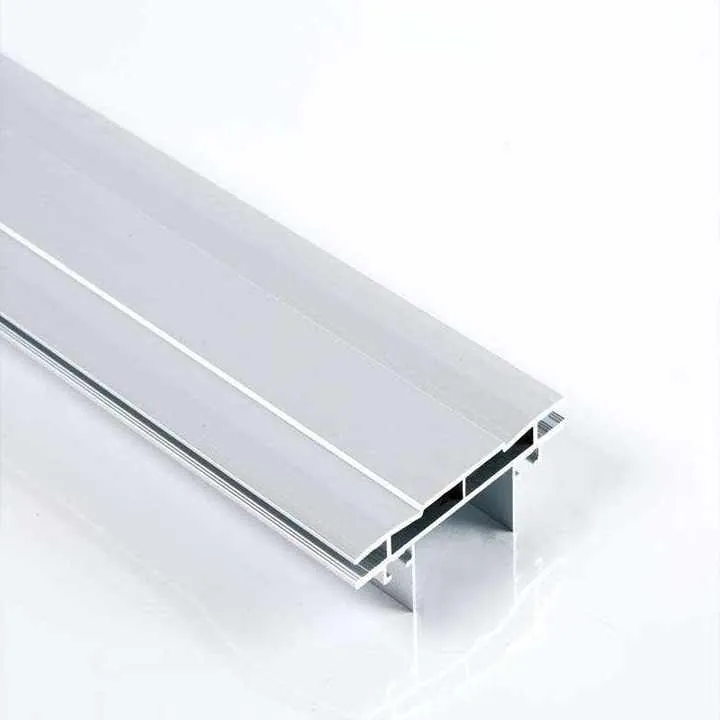
Aluminum extrusion chemical composition testing?
Poor control of alloy composition can destroy an extrusion project. Profiles may crack, bend, or fail inspection. Many buyers only discover this problem after shipment, when it is already too late.
Aluminum extrusion chemical composition testing ensures that the alloy contains the correct percentage of elements such as silicon, magnesium, and iron. Manufacturers typically use spectrometers and laboratory analysis to verify that the alloy meets standards like 6063 or 6061 before production and shipment.
In many projects, buyers only focus on shape, tolerance, and surface treatment. However, the chemical composition inside the aluminum billet determines the real performance of the extrusion. Strength, corrosion resistance, and machining quality all depend on the alloy formula.
Understanding how extrusion factories test alloy composition helps buyers evaluate suppliers more clearly. It also helps avoid hidden risks in large-scale manufacturing projects.
What methods are used to test alloy composition?
Composition errors can hide inside aluminum billets. The material may look perfect on the surface. Yet the wrong alloy mix can cause cracks, poor anodizing, or weak structural strength.
Factories usually test aluminum alloy composition using Optical Emission Spectroscopy (OES), X-ray fluorescence (XRF), and laboratory chemical analysis. These methods measure the percentage of alloying elements quickly and accurately before extrusion production begins.

Common Testing Methods in Aluminum Extrusion
Several technologies are widely used in aluminum manufacturing plants. Each method has different advantages depending on accuracy and speed.
| Testausmenetelmä | Testing Principle | Tarkkuustaso | Tyypillinen käyttö |
|---|---|---|---|
| Optical Emission Spectroscopy (OES) | Spark excites atoms and measures emitted light | Erittäin korkea | Primary alloy verification |
| X-ray Fluorescence (XRF) | X-ray detects elemental signatures | Keskisuuri tai suuri | Rapid on-site checks |
| Wet Chemical Analysis | Laboratory chemical reactions | Erittäin korkea | Certification testing |
| Mass Spectrometry | Ion mass detection | Erittäin korkea | Research or detailed analysis |
Optical Emission Spectroscopy (OES)
OES is the most common method used in aluminum extrusion plants.
A small spark hits the surface of the aluminum sample. This spark excites atoms in the metal. Each element emits a unique light spectrum. The machine reads the light pattern and calculates the percentage of each element.
The process takes only a few seconds. It also delivers high precision results. Because of this, many extrusion plants use OES machines near billet storage areas.
This allows engineers to test incoming raw materials immediately.
X-ray Fluorescence (XRF)
XRF devices are often portable. Inspectors can bring them directly to warehouses or production lines.
The machine shoots X-rays into the aluminum sample. Elements inside the metal emit secondary radiation. The device reads these signals and identifies the elements.
The main advantage is speed. However, the accuracy is slightly lower than OES for light elements such as magnesium.
Laboratory Chemical Analysis
For critical projects, factories sometimes send samples to laboratory facilities.
Technicians dissolve the metal sample and measure elements using chemical reagents or advanced instruments. This method takes longer but provides extremely reliable results.
Why Multiple Testing Methods Matter
Large extrusion suppliers often combine different methods.
- OES for routine inspection
- XRF for quick field checks
- Lab testing for certification
This layered approach helps prevent alloy mistakes before production starts.
Optical emission spectroscopy can identify the percentage of alloying elements by analyzing light emitted from excited atoms.Totta
The spark excitation process produces element-specific light spectra that reveal alloy composition.
X-ray fluorescence cannot detect any metallic elements in aluminum alloys.False
XRF can detect many elements in aluminum alloys, although it may have lower sensitivity for light elements like magnesium.
Which elements are measured during inspection?
Many buyers assume aluminum alloys are mostly pure aluminum. In reality, even small percentages of other elements strongly affect performance.
During alloy composition inspection, manufacturers measure elements such as silicon, magnesium, iron, copper, manganese, zinc, and titanium. These elements determine the strength, corrosion resistance, and extrusion behavior of the aluminum profile.

Major Alloying Elements in Extrusion Alloys
Different aluminum series contain different alloying elements. For extrusion, the 6000 series is the most common.
| Elementti | Typical Role in Alloy | Vaikutus suorituskykyyn |
|---|---|---|
| Pii (Si) | Forms Mg2Si strengthening phase | Improves extrusion and strength |
| Magnesium (Mg) | Combines with silicon | Increases strength and hardness |
| Rauta (Fe) | Epäpuhtauksien valvonta | Too much reduces ductility |
| Kupari (Cu) | Strength enhancer | May reduce corrosion resistance |
| Mangaani (Mn) | Viljan valvonta | Improves strength |
| Sinkki (Zn) | Minor alloying element | Strength adjustment |
| Titanium (Ti) | Grain refiner | Improves structure uniformity |
Example: 6063 Aluminum Composition
6063 is one of the most widely used extrusion alloys. It is common for architectural and decorative profiles.
Typical composition ranges:
| Elementti | Percentage Range |
|---|---|
| Pii | 0.20 – 0.60 % |
| Magnesium | 0.45 – 0.90 % |
| Rauta | ≤ 0.35 % |
| Kupari | ≤ 0.10 % |
| Mangaani | ≤ 0.10 % |
| Sinkki | ≤ 0.10 % |
| Titaani | ≤ 0.10 % |
Even small deviations from these limits can change the material behavior.
Why Element Balance Matters
Each element interacts with others inside the aluminum matrix.
For example, magnesium and silicon combine to form magnesium silicide (Mg2Si). This compound provides strength after heat treatment.
If magnesium is too low, the extrusion may become too soft. If silicon is too high, brittleness may appear.
Iron is another important factor. Excess iron can create intermetallic particles. These particles reduce ductility and may cause surface streaks during extrusion.
How Manufacturers Control Composition
Most extrusion plants rely on certified aluminum billets from smelters. These billets already come with chemical composition reports.
However, responsible manufacturers still test them again.
This double verification protects production stability.
Magnesium and silicon combine to form strengthening compounds in 6000 series aluminum alloys.Totta
Mg and Si form Mg2Si, which contributes to precipitation hardening and improved strength.
Iron is intentionally added in large quantities to improve extrusion ductility.False
Excess iron usually reduces ductility and can cause surface defects, so it is typically controlled at low levels.
Can third-party labs verify chemical compliance?
Buyers sometimes worry about internal factory reports. They may wonder whether the composition results are reliable.
This concern becomes stronger in high-value projects such as automotive or structural components.
Yes, third-party laboratories can independently verify aluminum alloy composition. These labs use advanced equipment and internationally recognized testing standards to confirm whether the material meets required specifications.

Why Third-Party Testing Is Important
Independent verification builds trust between buyers and suppliers.
Large engineering companies often require external testing before approving suppliers. This step protects them from potential material disputes later.
Third-party labs provide:
- Neutral test results
- Certified laboratory procedures
- Official inspection reports
These reports often become part of the project documentation.
Common Testing Standards
Third-party laboratories follow international standards to ensure consistency.
| Standardi | Organization | Hakemus |
|---|---|---|
| ASTM E1251 | ASTM International | Aluminum alloy composition testing |
| ISO 17025 | Kansainvälinen standardisoimisjärjestö | Laboratory accreditation |
| EN 573 | European Standard | Chemical composition limits |
| GB/T 3190 | Chinese national standard | Aluminum alloy composition |
If a laboratory is ISO 17025 accredited, its testing results are widely accepted worldwide.
Typical Third-Party Testing Process
The process is simple but controlled carefully.
- Sample selection
- Sample preparation
- Spectrometer analysis
- Element percentage calculation
- Report generation
Buyers sometimes witness the sampling process. This ensures transparency.
When Third-Party Testing Is Required
Third-party testing is common in several situations:
- Autoteollisuuden komponentit
- Ilmailu- ja avaruusalan osat
- Infrastructure projects
- High-value industrial equipment
In many cases, the cost of testing is small compared to the cost of potential failure.
From experience in extrusion manufacturing, buyers feel more confident when suppliers support third-party inspection without hesitation.
ISO 17025 accreditation indicates that a laboratory meets international standards for testing competence.Totta
ISO 17025 verifies the technical competence and reliability of laboratory testing processes.
Third-party laboratories only perform visual inspections of aluminum samples.False
Third-party labs perform detailed chemical and physical testing using specialized instruments, not just visual inspection.
How often is composition tested in mass production?
Consistent alloy composition is critical in large production runs. Even small changes in the billet chemistry can affect thousands of extrusion profiles.
In mass production, aluminum composition is usually tested for every billet batch before extrusion. Additional checks may occur during production to ensure material consistency and quality stability.

Typical Inspection Frequency
Different factories follow slightly different quality systems. However, most extrusion plants use a structured inspection schedule.
| Tuotantovaihe | Testing Frequency | Käyttötarkoitus |
|---|---|---|
| Incoming billet inspection | Each batch | Verify supplier certificate |
| Pre-production verification | Before extrusion run | Confirm alloy composition |
| Process monitoring | Random samples | Detect material variation |
| Final quality report | Per order or lot | Documentation for shipment |
This system ensures that incorrect material never enters the extrusion press.
Incoming Billet Inspection
When aluminum billets arrive at the factory, quality engineers select samples for testing.
They usually grind a small area of the billet surface. Then they perform spectrometer testing.
The measured results must match the billet certificate from the supplier.
If the values exceed tolerance limits, the entire batch may be rejected.
Monitoring During Production
Large factories sometimes perform additional checks during production.
This step helps detect unexpected variation in recycled aluminum or mixed billets.
Some factories also monitor trace elements that affect anodizing quality.
Why Frequent Testing Matters
Mass production involves thousands of profiles.
If composition problems appear after extrusion, the cost becomes very high.
Profiles may require scrapping, re-melting, or replacement shipments.
Because of this risk, serious manufacturers invest in strict inspection routines.
Quality control is not only about final inspection. It begins at the raw material stage.
Most extrusion plants test aluminum billet composition before starting production.Totta
Incoming material inspection ensures that the billet chemistry matches the specified alloy standard.
Chemical composition is only tested after the extrusion profiles are finished.False
Composition testing usually occurs before extrusion to prevent defective production runs.
Päätelmä
Chemical composition testing is the foundation of reliable aluminum extrusion. Spectrometers, laboratory analysis, and third-party verification ensure that alloys meet strict standards. When manufacturers control composition carefully, extrusion quality, mechanical performance, and long-term product reliability become much more stable.