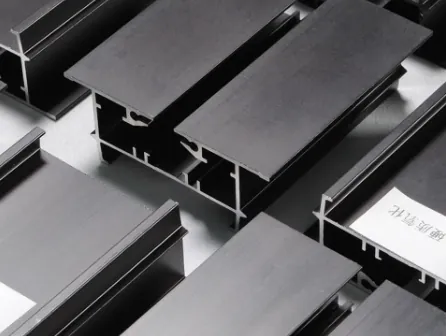

Alumiini-ikkunoiden edut ja haitat?
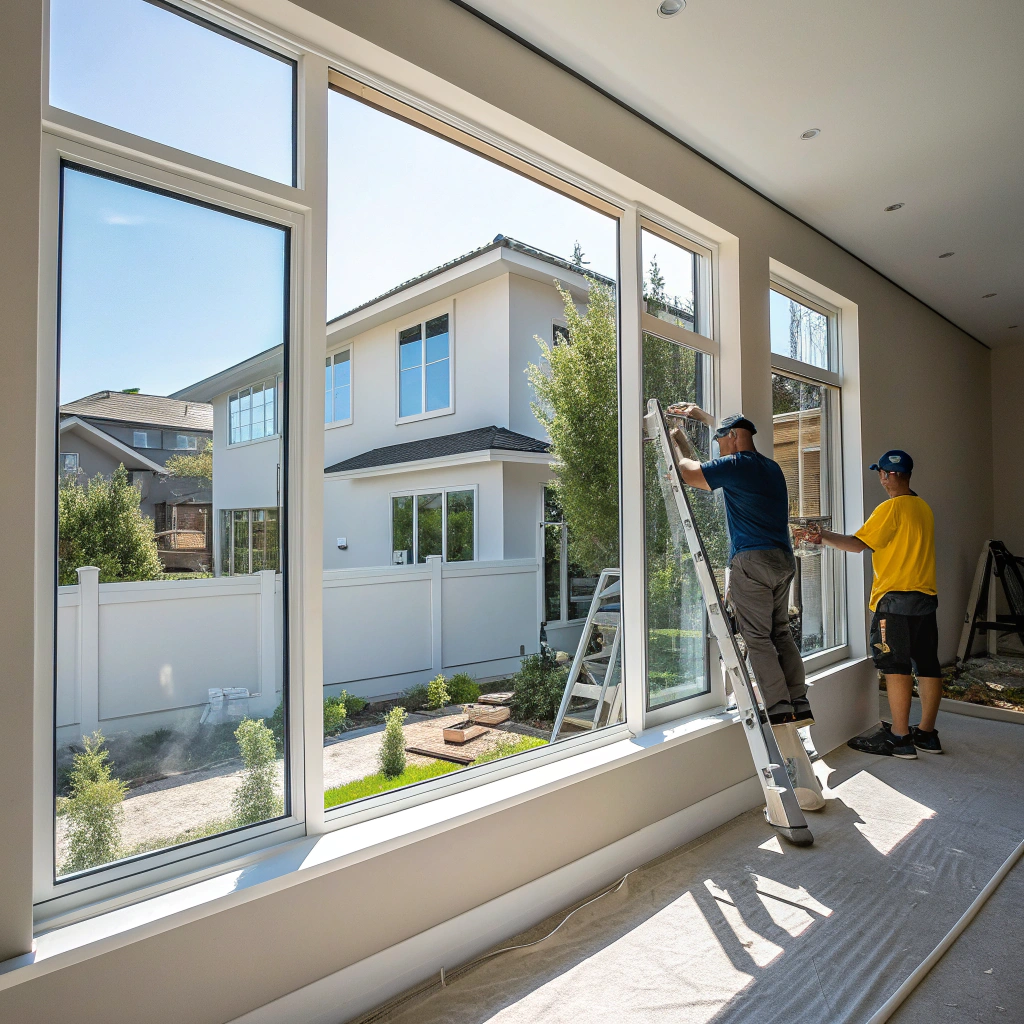
Monet ihmiset valitsevat ikkunoita miettimättä tarkkaan materiaaleja. Huono ikkunavalinta voi nostaa energialaskuja ja aiheuttaa epämukavuutta. Tämä postaus auttaa osoittamalla, mitä alumiini-ikkunat tekevät hyvin - ja missä ne ovat puutteellisia.
Alumiiniset ikkunat tarjoavat lujuutta, ohutta muotoilua ja pitkää käyttöikää. Mutta ne ovat usein eristeiden ja kustannusten vastapainona.
Tämä hyvien ja huonojen puolien yhdistelmä on tärkeä kaikille, jotka rakentavat tai ostavat ikkunoita. Jatka lukemista ja katso, milloin alumiiniikkunat sopivat - ja milloin kannattaa harkita muita materiaaleja.
Mitkä ovat alumiiniikkunoiden edut?
Alumiinikehykset tuovat mukanaan useita vahvoja etuja, joita muut materiaalit eivät pysty saavuttamaan.
Alumiini-ikkunat tarjoavat lujuutta, kestävyyttä, kapeaa profiilia ja tukea suurille lasipaneeleille - usein vertaansa vailla puuta tai vinyyliä.
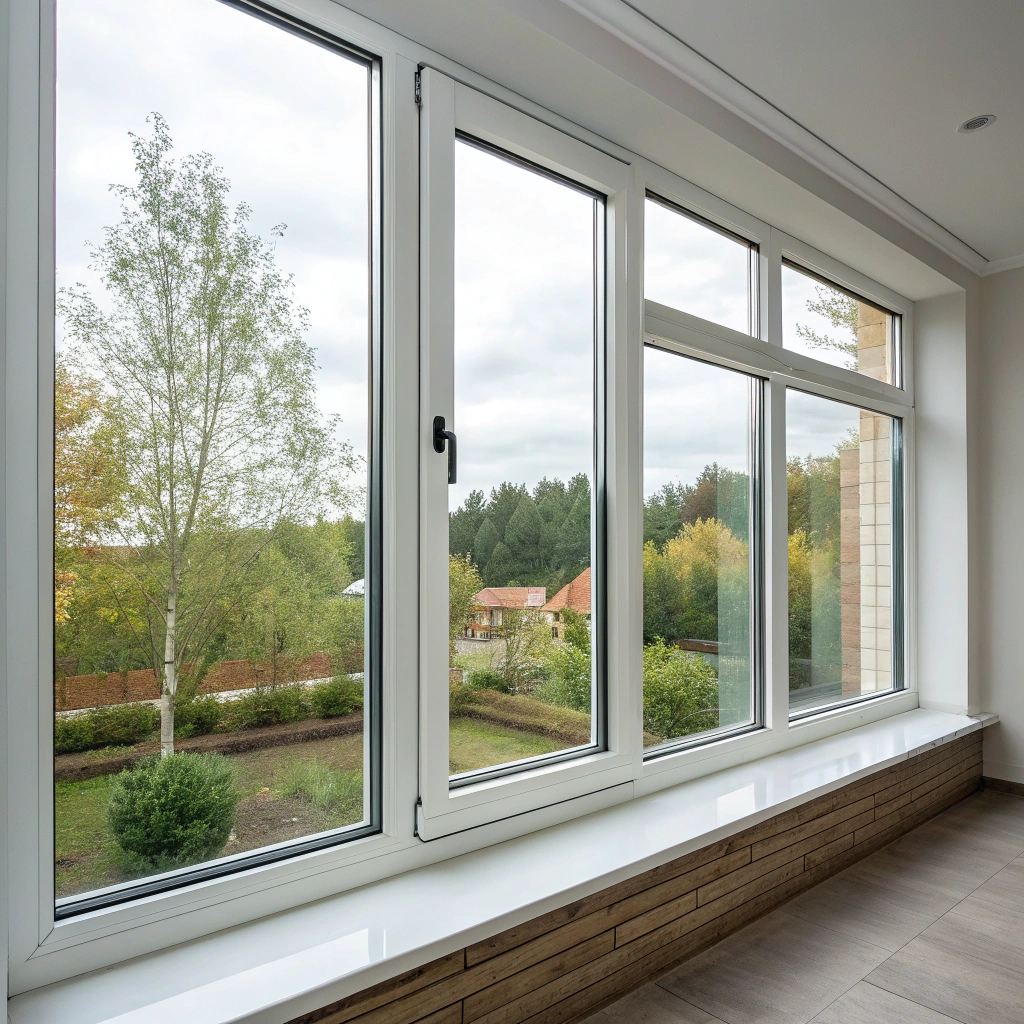
Alumiini on metalli, jossa yhdistyvät keveys ja suuri lujuus. Sen ansiosta ikkunanpuitteet pysyvät jäykkinä ohuita profiileja käytettäessä. Koska puitteiden seinät voivat olla ohuita mutta vahvoja, alumiini-ikkunoihin mahtuu enemmän lasipinta-alaa. Tämä lisää luonnonvaloa ja antaa selkeän, modernin ilmeen. Korkeissa tai leveissä ikkunoissa tai lasiliukuovissa ohut mutta vahva kehys on suuri etu.
Alumiini kestää vääntymistä, vääntymistä, kutistumista tai paisumista sään vaikutuksesta. Toisin kuin puu, se ei lahoa, ime vettä tai väänny kosteudessa. Toisin kuin vinyyli, alumiini ei laajene tai supistu paljon lämmön vaikutuksesta. Tämän ansiosta alumiiniikkunat pysyvät vakaina vuosien ajan, vaikka ne altistuisivat auringolle, sateelle tai kylmälle. Vakauden ansiosta tiivisteet pysyvät tiiviinä, lasi pysyy tukevana ja ikkunan toiminta sujuvana.
Alumiini kestää usein pitkään. Asianmukaisella viimeistelyllä (pulverimaalaus tai anodisointi) ja kunnossapidolla alumiini-ikkunat voivat palvella useita vuosia ilman suurempia vaurioita. Tämä pitkäikäisyys voi tehdä alkuperäisistä kustannuksista ajan mittaan kannattavia.
Toinen etu on, että alumiinikehykset ovat usein ohuita ja tyylikkäitä. Arkkitehdit pitävät niistä moderneissa rakennuksissa, joissa on tärkeää, että kehyksen leveys on mahdollisimman pieni ja lasipinta-ala mahdollisimman suuri. Tämä muotoilu sopii nykyaikaisiin taloihin tai toimistoihin, joissa on suuret ikkunat, verhoseinät tai panoraamanäkymät.
Alumiiniikkunat kestävät usein suuria tai raskaita lasilevyjä. Esimerkiksi myymälöiden julkisivuissa, liikerakennuksissa tai suurissa liukuovissa alumiini kestää painoa paremmin kuin vinyyli tai puu. Tämä kantavuus laajentaa suunnitteluvaihtoehtoja tehokkaasti.
Seuraavassa on yhteenveto tärkeimmistä eduista:
| Advantage | Hyöty |
|---|---|
| Korkea lujuus | Tukee suuria tai raskaita lasilevyjä |
| Ohut runko | Enemmän lasia, enemmän valoa, moderni ilme |
| Säänkestävyys | Vähemmän vääntymistä, kutistumista ja turvotusta |
| Pitkä käyttöikä | Kestää vuosikymmeniä ja hajoaa vähän |
| Suurten paneelien kantavuus | Sallii leveät tai korkeat ikkunat ja ovet |
Alumiiniikkunat mahdollistavat ohuemmat kehykset ja suuremman lasipinta-alan kuin puu- tai vinyyli-ikkunat.Totta
Koska alumiinilla on suuri lujuus myös ohuina osina, se mahdollistaa kehyksen pienen leveyden ja suuren lasipinnan.
Alumiiniset ikkunat ovat aina huoltovapaitaFalse
Ne kestävät vääntymistä, mutta pinnoite tai tiiviste saattaa silti vaatia huoltoa korroosion tai vuotojen estämiseksi.
Mikä seuraavista on alumiinisten ikkunankehysten haittapuoli?
Jopa vahvat materiaalit tuovat mukanaan kompromisseja. Alumiinikehyksillä on haittoja, joilla on merkitystä ilmaston ja käytön mukaan.
Alumiiniikkunoiden suuri haittapuoli on huono lämmöneristävyys ilman erityistä suunnittelua, jolloin on vaarana energiahäviö ja tiivistyminen.
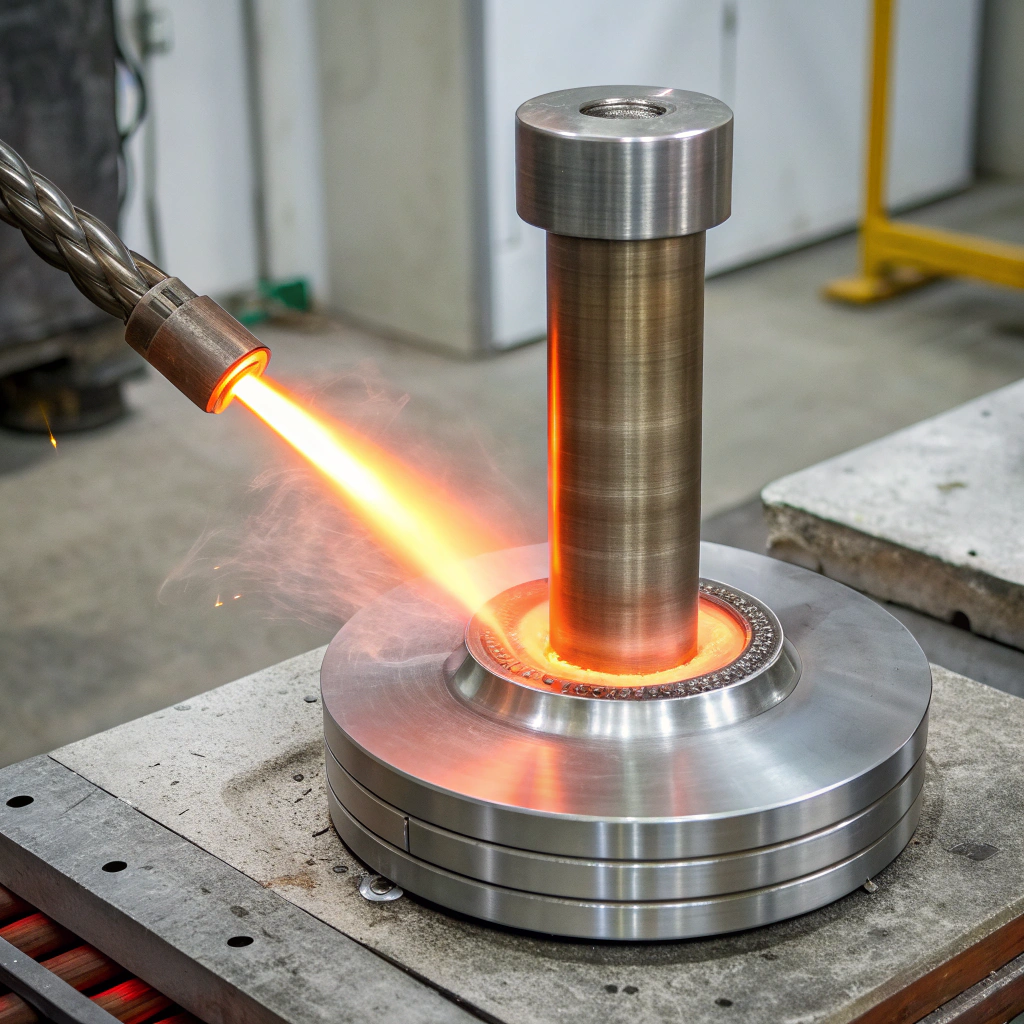
Alumiini on metallia. Metallit johtavat nopeasti lämpöä ja kylmää. Jos kehyksessä ei ole lämpöeristystä (eristyssulku kehyksen sisällä), ulkolämpötila siirtyy metallin läpi sisälle. Talvella kylmä tunkeutuu sisään, kesällä lämpö tulee sisään. Tämä nostaa lämmitys- tai jäähdytyskustannuksia. Johtuminen vaikeuttaa sisäilman viihtyisyyttä ilmastovaihteluissa.
Alumiinirungot voivat myös tuntua kylmiltä talvella tai kuumilta kesällä. Tämä epämukavuus on ristiriidassa vinyylin tai puun kanssa. Kylmä kehys lasin lähellä voi aiheuttaa kondensaatiota, jos sisäilma on lämmintä ja kosteaa. Kondensaatio voi vahingoittaa ympäröiviä seiniä tai ikkunalaudoitusta ja aiheuttaa ajan mittaan hometta.
Alumiiniset ikkunat maksavat usein enemmän kuin yksinkertaiset vinyyli-ikkunat. Itse metalli on kalliimpaa kuin muovi. Viimeistelyvaiheet - jauhemaalaus, anodisointi, tiivistys - lisäävät kustannuksia. Jos lisäät lämpökatkon, sääsuojauksen ja erikoislaitteita, kustannukset nousevat. Tämä saattaa tehdä alumiiniikkunoista vähemmän budjettiystävällisiä edullisissa asunnoissa.
Äänieristys voi olla heikompi. Metallirungot siirtävät tärinää ja ääntä helposti. Ilman paksuja tiivisteitä tai eristettyä lasitusta ulkoinen melu - liikenne, tuuli, läheiset rakennustyöt - voi siirtyä rakennukseen enemmän kuin eristetyissä vinyyli- tai puukehyksissä.
Suolaisessa tai kosteassa ympäristössä (rannikon läheisyydessä tai rankkasateiden vaikutuksesta) alumiini voi syöpyä, jos pinnoite pettää tai naarmuuntuu. Tällainen altistuminen voi heikentää rungon eheyttä pitkän ajan kuluessa. Kunnossapito (uudelleenpinnoitus, tiivistys) on entistä tärkeämpää tällaisissa ympäristöissä.
Tässä ovat tärkeimmät haitat:
| Haitta | Vaikutus |
|---|---|
| Korkea lämmönjohtavuus | Energiahäviö, huono eristys, epämukavuus |
| Kondensoitumisvaara | Kosteus, mahdollinen home tai vaurio |
| Korkeammat kustannukset | Kalliimpi kuin vinyylikehykset tai vakiokehykset |
| Huono äänieristys | Enemmän ulkoista melua |
| Mahdollinen korroosio | Tarvitsevat pinnoitteita ja huoltoa ajan myötä |
Alumiiniset ikkunanpuitteet ilman lämpökatkoa aiheuttavat huonon energiatehokkuuden.Totta
Koska metalli siirtää lämpöä nopeasti, runko siirtää ulkolämpötilan sisätiloihin ilman eristyssulkua.
Alumiiniset ikkunanpuitteet tarjoavat aina paremman eristyksen kuin vinyylikarmitFalse
Ilman lisättyä lämpökatkoa tai eristystä alumiini johtaa lämpöä enemmän kuin vinyyli, joten eristys on huonompi.
Kuinka kauan alumiini-ikkunat kestävät?
Alumiiniikkunat kestävät usein kauemmin kuin monet muut ikkunatyypit, kun niitä huolletaan asianmukaisesti.
Hyvällä asennuksella ja kunnossapidolla alumiini-ikkunat kestävät usein 20-40 vuotta - joskus pidempäänkin - ja tarjoavat pitkäaikaista arvoa.
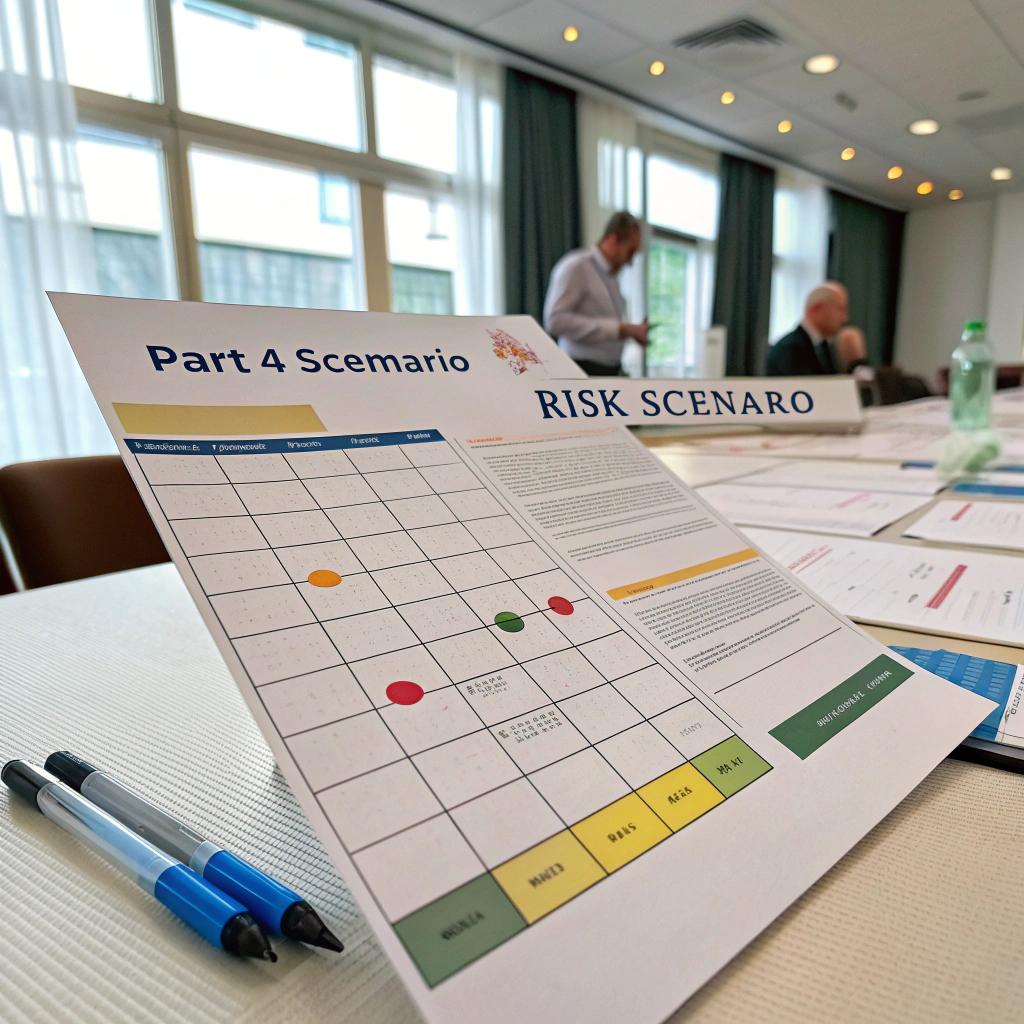
Pitkäikäisyys riippuu monista tekijöistä. Alumiiniseoksen laadulla, paksuudella, pinnoitteella tai viimeistelyllä, ilmasto-olosuhteilla, asennuksen laadulla ja kunnossapidolla on kaikki merkitystä. Korkealuokkaiset seokset, joissa on oikea seoskoodi (kuten 6063 tai 6061), kestävät väsymystä ja säilyttävät muotonsa ajan myötä. Hyvä viimeistely, kuten jauhemaalaus tai anodisointi, suojaa korroosiolta ja säältä. Jos nämä on tehty hyvin, alumiinirungot kestävät ruostumista, lahoa ja vääntymistä, jotka ovat yleisiä puun tai vinyylin ongelmia.
Maltillisessa ilmastossa (vähäinen kosteus, vähäsuolainen, tasainen lämpötila) alumiini-ikkunoiden kuluminen on vähäistä vuosikymmeniä. Tiivisteet ja sääsuojat saattavat joutua vaihtamaan ajoittain. Lasiyksiköt saattavat vaatia ajan mittaan uudelleen tiivistämistä. Itse karmi kuitenkin vioittuu harvoin.
Vaikeissa ympäristöissä - rannikolla, korkeassa kosteudessa tai alueilla, joissa lämpötila vaihtelee voimakkaasti - käyttöikä pysyy edelleen vakaana, mutta vaatii enemmän huoltoa. Suojapinnoitteet saattavat haalistua tai naarmuuntua. Jos pinnoite tai tiiviste pettää, voi syntyä korroosiota tai tiivistevuotoja. Säännöllinen tarkastus, korjausmaalaus tai uudelleen tiivistäminen on tärkeää. Tällaisissa tapauksissa alumiiniikkunat saattavat silti kestää 20-30 vuotta tai kauemmin.
Kestävyys riippuu myös laitteiston laadusta. Halvat saranat, lukot ja liukulaitteiden rullat voivat pettää aikaisemmin. Laitteiston vaihtaminen on helpompaa kuin koko ikkunan vaihtaminen. Hyvä huolto pidentää kliinistä käyttöikää.
Seuraavassa on taulukko tyypillisistä elinkaaritekijöistä:
| Tekijä | Hyvä skenaario | Riskiskenaario |
|---|---|---|
| Seoksen laatu ja paksuus | Korkealuokkainen, paksu metalliseos | Ohut, heikkolaatuinen metalliseos |
| Viimeistely / pinnoite | Asianmukainen jauhemaalaus tai anodisointi | Huono pinnoite tai vaurioituminen ajan myötä |
| Altistuminen ilmastolle | Kohtalainen ilmasto, lievä kosteus | Rannikko, korkea kosteus, suolainen ilma |
| Tiivistys- ja sääsuojatyöt | Hyvä asennus ja säännöllinen tarkastus | Laiminlyödyt tiivisteet tai huono tiivistys |
| Laitteisto ja asennus | Laadukas laitteisto, asianmukainen asennus | Halpa laitteisto, huono asennus |
Jos kaikki sujuu hyvin, alumiiniikkunat toimivat luotettavasti vuosikymmeniä ilman rakenteellisia vikoja. Tämä kestävyys voi kompensoida korkeammat alkuperäiset kustannukset koko elinkaaren aikana.
Alumiiniset ikkunat kestävät usein 20-40 vuotta asianmukaisella viimeistelyllä ja kunnossapidolla.Totta
Alumiini kestää lahoa ja vääntymistä, ja hyvän pinnoitteen ansiosta runko säilyy ehjänä vuosikymmeniä.
Alumiiniikkunat kestävät aina pidempään kuin puuikkunat missä tahansa ympäristössä.False
Oikein käsitellyt puuikkunat voivat kestää myös pitkään; alumiinin käyttöikää voivat lyhentää ankarat olosuhteet tai huono hoito.
Mitkä ovat alumiinin haitat?
Kun sanomme “alumiinin haitat”, tarkoitamme alumiinin tyypillisiä haittoja ikkunankarmimateriaalina todellisessa käytössä.
Alumiini tuo kestävyyttä ja lujuutta - mutta niiden vastapainona ovat eristys, kustannukset, melu ja sääsuojauksen ylläpito.
Ensinnäkin alumiinin hyvä lämmönjohtavuus johtaa usein huonoon lämpötehokkuuteen. Ellei kehyksessä ole sisäistä lämpökatkoa (muovi- tai eristyssulku metallin sisällä), kehys siirtää ulkolämpötilan sisätiloihin. Tämä tarkoittaa, että huoneet voivat kylmetä talvella ja kuumentua kesällä, ja energialaskut nousevat. Tämä metallin ominaisuus toimii aina eristystä vastaan.
Toiseksi alumiinirungot voivat aiheuttaa kondensaatiota. Metalli jäähtyy nopeammin kuin ilma. Kylmällä säällä sisäkehys voi kylmetä niin paljon, että sisäilman kosteus tiivistyy siihen. Kosteus voi tippua tai kertyä. Ajan myötä se voi vahingoittaa seinän reunoja, maalia tai ikkunatiivisteitä ja edistää homeen muodostumista. Tämä riski on suurempi kosteassa ilmastossa tai huonosti eristetyissä rakennuksissa.
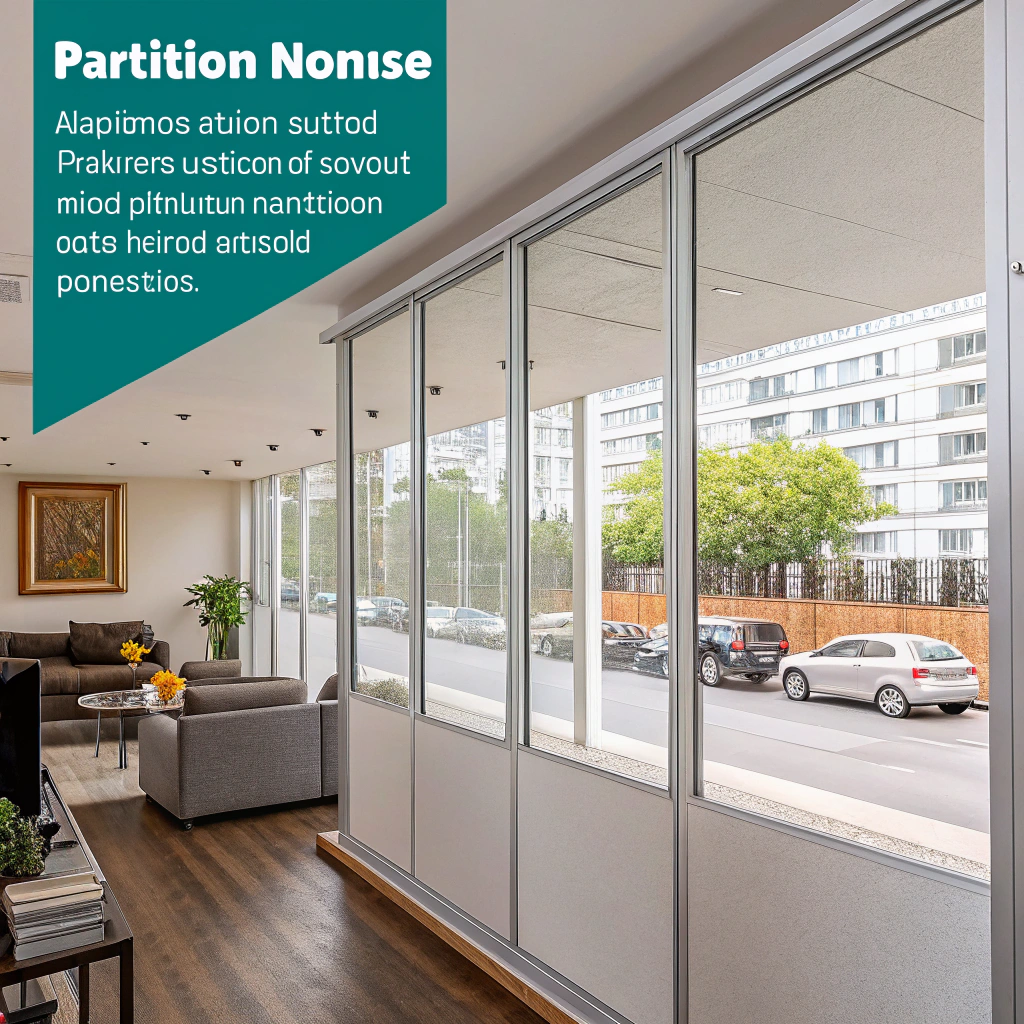
Kolmanneksi äänieristys on usein huonompi. Metalli ei absorboi ääniaaltoja juurikaan. Ilman asianmukaista lasitusta ja tiivistystä alumiiniikkunat saattavat päästää läpi enemmän ulkomelua. Tällä voi olla merkitystä kodeissa, jotka sijaitsevat lähellä liikennettä, rautateitä tai vilkkaita katuja. Meluisissa ympäristöissä alumiinikarmit eivät ehkä yksinään riitä äänenvaimennukseen.
Neljänneksi, viimeistelyllä ja kunnossapidolla on merkitystä. Alumiini kestää lahoamista, mutta korroosio on mahdollista, jos pinnoite pettää tai runko naarmuuntuu. Rannikkoalueilla, joilla on suolaista ilmaa, voi esiintyä hapettumista tai korroosiota. Sen estämiseksi jauhemaalaus tai anodisointi on tehtävä hyvin. Tämä viimeistely voi haalistua, lohkeilla tai kulua ajan myötä. Uudelleenmaalauksesta tai uudelleen pinnoituksesta tulee huoltotoimenpide. Tämä tarkoittaa, että alumiini-ikkunat eivät ole “aseta ja unohda” - ne tarvitsevat ajoittaista hoitoa.
Viidenneksi kustannukset ovat yleensä korkeammat. Raakametalli, tarkka valmistus ja viimeistely (pinnoitus, tiivistys, hitsaus tai puusepäntyöt) maksavat enemmän kuin perusvinyyli tai puu. Tämä tekee alumiiniikkunoista kalliimpia aluksi. Budjettitietoisissa hankkeissa ne eivät ehkä ole ihanteellisia.
Kuudenneksi, joissakin tapauksissa alumiinikehykset voivat tuntua kylmiltä talvella tai kuumilta kesällä. Se voi olla epämiellyttävää. Ikkunoiden puitteita voi myös tarttua tai laajeta hieman lämpötilan mukaan, mikä vaikuttaa käyttömukavuuteen.
Lisäksi asennusvaatimukset ovat korkeammat. Koska alumiinirungot ovat jäykkiä ja painavia, asennuksen on oltava tarkka. Huono asennus voi aiheuttaa vuotoja, huonoa tiivistystä tai vääränlaista asentoa. Tällaisten ongelmien korjaaminen on vaikeampaa kuin kevyemmissä vinyylikehyksissä.
Kun alumiinin haitat ovat tärkeimpiä
- Kylmissä ilmastoissa ilman lämpökatkoa
- Meluisilla alueilla ilman äänilasitusta
- Rannikkoalueilla, joilla on suolaista ilmaa
- Kun tarvitaan pieni budjetti
- Kun omistajat haluavat vähän huoltoa ja ei uudelleenmaalausta.
Näistä haitoista huolimatta alumiiniikkunat voivat toimia hyvin. Ostajien on kuitenkin varauduttava asianmukaiseen viimeistelyyn, eristykseen ja huoltoon. Näin varmistetaan, että lujuus- ja kestävyysedut ovat hallitsevia - ja haitat pysyvät hallinnassa.
Alumiiniset ikkunat vaativat usein pinnoitteen huoltoa korroosion estämiseksi, erityisesti suolaisessa tai kosteassa ilmastossa.Totta
Ilman ylläpidettyä suojapinnoitetta kosteudelle tai suolaiselle ilmalle altistuvat alumiinikehykset voivat ajan mittaan syöpyä.
Alumiini-ikkunat ovat vähän huoltoa vaativia, eivätkä ne vaadi koskaan uudelleen maalausta tai tiivistämistä.False
Niiden suojaava pintakäsittely voi kulua ajan mittaan, ja niitä on huollettava ankarassa säässä tai suolaisen ilman ympäristössä.
Päätelmä
Alumiiniset ikkunat tarjoavat pitkän käyttöiän, vahvan tuen raskaalle lasille ja modernin selkeän ulkonäön. Ne haastavat myös energiatehokkuuden, eristyksen ja ylläpidon. Valitse alumiini, kun rakenne, kestävyys tai muotoilu sitä vaativat - mutta varautukaa kuitenkin asianmukaiseen tiivistämiseen, eristämiseen ja huoltoon, jotta vältytte haitoilta.