

Alumiiniprofiilien pintakäsittelystandardit?

Alumiiniprofiileissa esiintyy usein ei-toivottuja jälkiä tai karheaa pintaa. Nämä pintavirheet eivät ainoastaan heikennä tuotteen ulkonäköä, vaan voivat myös vaikuttaa asiakastyytyväisyyteen ja tuotteen jatkokäyttöön.
Alumiinipuristustuotteiden pintakäsittelystandardeissa määritellään, kuinka puhtaan, sileän ja virheettömän puristettu profiili tulisi olla sekä ulkonäöltään että toiminnallisesti.
Selkeät pintakäsittelystandardit luovat luottamusta, auttavat vähentämään hylkäysmääriä ja edistävät sujuvaa kansainvälistä kauppaa. Tämän artikkelin loppuosassa käsitellään pintakäsittelytyyppejä, laadunvalvontamenetelmiä, merkittävimpiä standardeja sekä sitä, vaikuttaako pintakäsittely materiaalin lujuuteen.
Mitkä ovat suulakepuristetun alumiinin yleisimmät pintakäsittelytavat?
Pintakäsittelemättömät alumiiniosat voivat ruostua tai näyttää epäammattimaisilta, etenkin korkealaatuisissa tai näkyvissä olevissa sovelluksissa.
Yleisimpiä pintakäsittelytapoja ovat vakiopinta, anodisointi, jauhemaalaus, maalaus, harjaus ja kiillotus. Kukin niistä soveltuu eri käyttötarkoituksiin ja tarjoaa omanlaisen suojan.
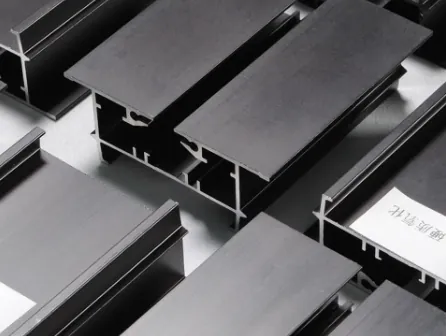
Yleisimmät pintakäsittelyvaihtoehdot selitettynä
Alumiini on luonnostaan reaktiivista. Kun se altistuu ilmalle, sen pinnalle muodostuu ohut oksidikerros. Tämä kerros ei kuitenkaan ole aina kestävä tai tasainen. Pintakäsittelyillä vahvistetaan oksidikerrosta tai peitetään se suojaavilla tai koristeellisilla pinnoitteilla. Alla on lueteltu yleisimmät vaihtoehdot:
| Viimeistelytyyppi | Visuaalinen vaikutus | Suojaustaso | Tyypillinen sovellus |
|---|---|---|---|
| Mill viimeistely | Tylsät, harmaat, työkalunjäljet | Matala | Piilotetut osat, sisäiset rakenteet |
| Anodisoitu | Matta, metallinen kiilto | Medium-High | Ikkunakehykset, aurinkopaneelikehykset, julkisivut |
| Jauhemaali | Sileä, yksivärinen | Korkea | Kaiteet, opasteet, rakennusosat |
| Harjattu | Suoraviivainen syykuvio, mattapinta | Medium | Sisustuslistat, kalusteet, esittelypaneelit |
| Kiillotettu | Heijastava, kiiltävä | Matala-keskisuuri | Koristeelliset tai sisätiloissa näkyvät osat |
| Maalattu | Kiiltävät tai mukautetut sävyt | Medium | Räätälöity brändäys tai yhteensopivat väriteemat |
Valintaan vaikuttavat keskeiset tekijät
Pintakäsittelyn valinta riippuu seuraavista tekijöistä:
- Missä tuotetta käytetään (sisällä vai ulkona)
- Pakollinen läsnäolo
- Korroosionkestävyyden tarve
- Kustannus- ja volyymiennusteet
- Läpimenoaika ja saatavuus
Rakennushankkeissa, kuten verhoseinissä tai aurinkopaneelien kehyksissä, suositaan anodisointia. Jauhemaalaus on ihanteellinen ratkaisu, kun tarvitaan sekä väriä että suojaa. Koriste-esineissä käytetään usein harjausta tai kiillotusta.
Mill-pinta on yleensä alumiinipinnoitteista suojaavin.False
Valmistuspinta tarjoaa vähiten suojaa, koska se on käsittelemätön ja altis korroosiolle.
Anodisoitu alumiini kestää korroosiota paremmin kuin käsittelemätön alumiini.Totta
Anodisointi paksuntaa alumiinin pintakerrosta ja tarjoaa erinomaisen korroosiosuojan.
Miten viimeistelyn laatua mitataan tuotannossa?
Asiakkaat odottavat tasalaatuisuutta, mutta pinnanlaatu voi vaihdella eri erien välillä, ellei sitä seurata asianmukaisesti.
Viimeistelyn laatua arvioidaan pinnoitteen paksuuden, ulkonäöllisen tasaisuuden, pinnan karheuden, värin vastaavuuden ja tarttuvuuden perusteella. Näitä seurataan mittauslaitteilla ja silmämääräisellä tarkastuksella.

Keskeiset tarkastusmittarit
Alumiinipintojen laatuun vaikuttavat sekä fyysiset mitat että ulkonäölliset vaatimukset. Tehtaissa arvioidaan näitä seikkoja käyttämällä erilaisia työkaluja ja koulutettua henkilöstöä:
| Metrinen | Kuvaus | Käytetyt työkalut |
|---|---|---|
| Pinnoitteen paksuus | Anodisoinnin tai maalipinnan paksuus | Pyörrevirta- tai magneettimittari |
| Pinnan karheus (Ra) | Sileys mitattuna mikroneina | Profilometri tai kosketusanturi |
| Värin tasaisuus | Vertaa näytteeseen kiinteässä valaistuksessa | Visuaalinen tai spektrofotometri |
| Kiiltoaste | Kiiltotaso kiillotetuille tai pinnoitetuille pinnoille | Kiiltomittari |
| Tartunnan lujuus | Kuinka hyvin pinnoite tarttuu alumiiniin | Teippitesti tai ristiviivatesti |
| Näköhäiriöiden määrä | Jäljet, kuopat, juovat tai epätasainen ulkonäkö | Manuaalinen tarkastus kiinteän valon alla |
Tuotannon aikainen tarkastusprosessi
Useimmat laitokset käyttävät satunnaisotanta tilausmäärän mukaan. Silmämääräiset tarkastukset kattavat usein 100%-tuotteen, kun taas paksuus ja karheus voidaan testata 500–1000 kg:n välein.
Tarkastajat noudattavat vakiintuneita valaistus- ja kuvakulmia vikojen havaitsemiseksi. Pinnoitteen paksuus ja Ra-arvot kirjataan ylös ja tarkastetaan. Poikkeamia voi ilmetä käyttäjän käsittelytavasta, epätasaisesta puhdistuksesta tai koneen kulumisesta johtuen.
Johdonmukaisuuden säilyttäminen
Standardien ylläpitämiseksi laatutiimit:
- Kalibroi työkalut säännöllisesti
- Kouluta henkilöstöä vakiomuotoisten vikakynnysten suhteen
- Käytä seurantakaavioita trendien seuraamiseen
- Aseta sallitun poikkeaman rajat
- Vertaa vakiopintaisten näytteiden kanssa
Jos virheiden määrä ylittää sallitut rajat, erä voidaan joko käsitellä uudelleen, hylätä tai myydä alennuksella. Asianmukainen tarkastus ehkäisee kalliita palautuksia ja turvaa pitkäaikaiset toimittajasuhteet.
Pinnoitteen paksuus tarkastetaan silmämääräisesti ilman mittauslaitteita.False
Pinnoitteen paksuus on mitattava asianmukaisilla mittalaitteilla tarkkuuden varmistamiseksi.
Pintakäsittelyn tarkastuksiin sisältyy sekä silmämääräisiä tarkastuksia että numeerisia testejä.Totta
Lopputarkastuksiin kuuluu silmämääräisiä tarkastuksia sekä laitteita, joilla mitataan pinnan karheutta, paksuutta ja tarttuvuutta.
Onko pinnan ulkonäölle olemassa kansainvälisiä standardeja?
Kiistat viimeistelyn laadusta ovat yleisiä, kun ostajat ja tehtaat käyttävät erilaisia vertailukohtia.
Kyllä, ISO:n ja ASTM:n kaltaiset järjestöt julkaisevat alumiiniprofiilien pintakäsittelystandardeja, jotka kattavat virheet, toleranssit ja pintakäsittelyluokitukset.

Esimerkkejä sovellettavista standardeista
| Standardi | Organisaatio | Keskeiset painopistealueet |
|---|---|---|
| ISO 7599 | ISO | Anodisoinnin paksuus ja pinnan laatu |
| ISO 2768 | ISO | Pinnan ulkonäköä koskevat yleiset toleranssit |
| ASTM B921 | ASTM | Anodisoidun alumiinin tekniset tiedot |
| EN 755-9 | EU/ISO | Profiilien mitta- ja ulkonäköpoikkeamat |
Miten standardeja käytetään
Kansainväliset ostajat viittaavat usein standardeihin piirustuksissaan tai sopimuksissaan. Teknisissä vaatimuksissa saatetaan esimerkiksi mainita: “Pintakäsittely standardin ISO 7599 luokan AA15 mukaisesti.” Tämä tarkoittaa, että anodisoinnin paksuuden on oltava vähintään 15 mikronia ja sen on täytettävä pinnan ulkonäköä koskevat vaatimukset.
Vakiomuotoisissa asiakirjoissa määritellään:
- Sallitut naarmut tai kolhut
- Kiiltosarja pinnoitteille
- Pinnoitteen paksuuden toleranssi
- Pinnan karheuden raja-arvot (tarvittaessa)
- Tarkastusmenettelyt
Näiden määritelmien avulla vältetään epämääräisiä termejä, kuten “sileä” tai “puhdas”, joiden merkitys vaihtelee kulttuurista tai kokemuksesta riippuen.
Rajoitukset ja kiertotavat
Monissa standardeissa sallitaan pienet vauriot, jos ne eivät vaikuta laitteen toimintaan. Kriittisten osien osalta ostajat lisäävät usein räätälöidyt tekniset tiedot esimerkiksi: “Päivänvalossa 1 metrin etäisyydeltä ei näy näkyviä vikoja.” Tämä asettaa tiukemmat vaatimukset.
Jotkut yritykset pitävät myös vertailupaneelit — todelliset alumiininäytteet, joiden pintakäsittely on hyväksytty — rinnakkaisvertailua varten.
Vaikka kansainväliset standardit ovatkin hyödyllisiä, niitä saatetaan joutua täydentämään, jotta tiettyjen toimialojen brändi- tai ulkoasutavoitteet saavutetaan.
ISO:lla ja ASTM:llä ei ole standardeja alumiinin pintakäsittelylle.False
Sekä ISO:lla että ASTM:llä on vakiintuneet standardit alumiinipinnoitteille, mukaan lukien anodisointi ja suulakepuristettujen profiilien ulkonäkö.
Ostajat voivat pyytää kansainvälisiä standardeja tiukempia pintakäsittelyvaatimuksia.Totta
Usein määritellään erityisvaatimuksia, jotta osat täyttävät tiukat ulkonäkö- tai brändivaatimukset.
Voivatko pintakäsittelyt vaikuttaa rakenteellisiin ominaisuuksiin?
Jotkut pelkäävät, että pintakäsittelyt saattavat heikentää alumiinia tai aiheuttaa piileviä vaurioita.
Pintakäsittelyt vaikuttavat pinnan ominaisuuksiin, kuten korroosionkestävyyteen tai kulutuskestävyyteen, mutta eivät yleensä heikennä materiaalin lujuutta, kun ne on tehty oikein.

Eri pintakäsittelyjen vaikutus rakenteeseen
Pintakäsittely parantaa suojaa, mutta voi myös vaikuttaa siihen, miten alumiini käyttäytyy rasituksessa tai altistuksessa. Näin se tapahtuu:
- Anodisointi: Muodostaa kovan oksidikerroksen, joka kestää korroosiota ja kulumista. Se ei muuta materiaalin lujuutta, mutta voi parantaa väsymislujuutta hieman.
- Jauhemaalaus: Muodostaa paksun, kiinteän muovimaisen kuoren. Ylikovettumisen seurauksena lämpö voi pehmentää joitakin metalliseoksia, mutta asianmukaisella prosessinvalvonnalla tämä voidaan välttää.
- Maalaus: Tarjoaa vähäisen suojan, ei vaikuta rakenteeseen.
- Kiillotus tai harjaus: Poistaa ohuen pintakerroksen. Jos käsittelyä jatketaan liikaa, siihen voi syntyä mikroskooppisen pieniä lovia, jotka voivat toimia jännityksen keskittymäkohtina.
Miten pintakäsittelyt suojaavat rakennetta
Hyvät viimeistelyt:
- Estä korroosiota, joka heikentää liitoksia ajan myötä
- Vähennä kitkaa ja kulumista, erityisesti liikkuvissa osissa
- Estää hapettumista, joka aiheuttaa pinnan pistekorroosiota
Huonosti viimeistellyt pinnat tai pinnoitusvirheet voivat kerätä kosteutta tai kemikaaleja. Tämä voi nopeuttaa korroosiota etenkin meri- tai teollisuusympäristöissä.
Mitä välttää
- Pintakäsittelyjen tekeminen heikkolaatuisille profiileille
- Jauhemaalien kuivaus väärässä lämpötilassa
- Piilevien halkeamien tarkastamatta jättäminen ennen pinnoitusta
- Kantavien osien hionta
Parhaiden tulosten saavuttamiseksi pintakäsittelyn tulisi olla osa rakennesuunnittelua, ei jälkikäteen lisätty seikka. Jotkin pintakäsittelyt, kuten anodisointi, parantavat pinnan kovuutta lisäämättä painoa. Toiset, kuten jauhemaalaus, tarjoavat suojaa, mutta vaativat lämpötilan hallintaa.
Jauhemaalaus parantaa pinnan kovuutta ja korroosionkestävyyttä, mutta voi heikentää alumiinin lujuutta, jos se kuivataan väärin.Totta
Liiallinen kuumuus kovettumisen aikana voi muuttaa joidenkin alumiiniseosten karkaisutilaa, etenkin ohuiden profiilien kohdalla.
Kaikki pintakäsittelyt parantavat alumiiniosien ydinlujuutta.False
Useimmat pintakäsittelyt parantavat pinnan ominaisuuksia, mutta eivät vaikuta alumiinin sisäisiin mekaanisiin ominaisuuksiin.
Päätelmä
Pintakäsittelystandardien ymmärtäminen auttaa varmistamaan, että alumiiniprofiilisi täyttävät sekä ulkonäölliset että suorituskykyvaatimukset. Valitsemalla oikean pintakäsittelyn, mittaamalla sen asianmukaisesti ja noudattamalla kansainvälisiä standardeja voit toimittaa luotettavia ja houkuttelevia tuotteita joka kerta.


