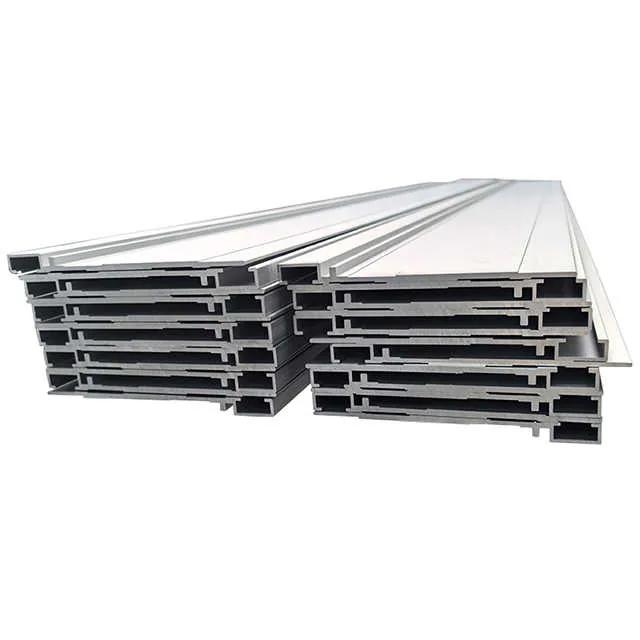
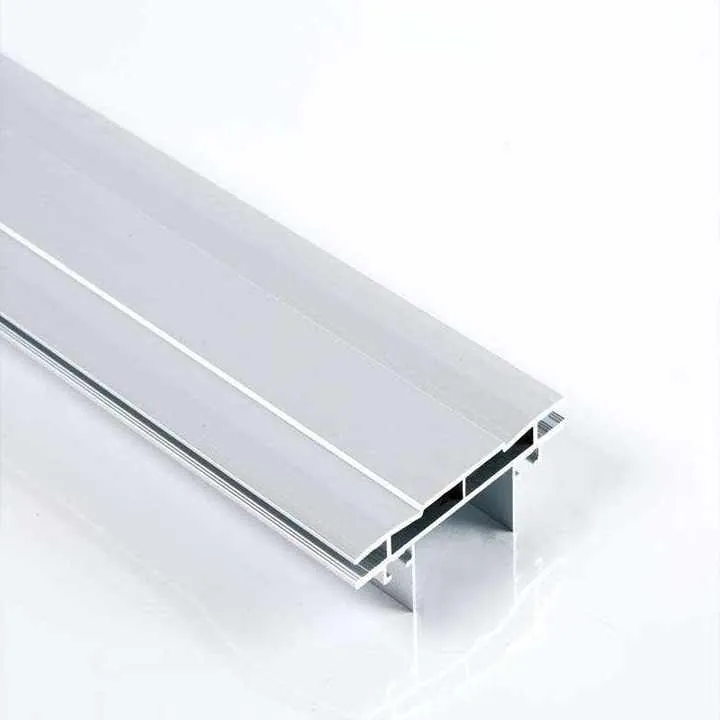
Mikä osa alumiinipuristuspuristimesta pitää muotin?

Kun osat irtoavat väärin tai muotti rikkoutuu liian pian, syy on usein yhdessä unohdetussa paikassa - muottitelineessä. Heikot pitimet voivat pilata suulakepuristamisen, hukata materiaalia tai vahingoittaa koneita.
Alumiinipuristuspuristimessa muotinpidin, joka sijaitsee puristussäiliön ja levyn välissä, lukitsee muotin turvallisesti paikoilleen käytön aikana vallitsevan äärimmäisen paineen alaisena.
Jos haluat tasaisen suulakepuristamisen ja pitkän työkalun käyttöiän, muotinpitimen roolin ymmärtäminen on välttämätöntä. Katsotaanpa, mitä se tekee, miksi se on rakennettu vahvaksi ja miten paremmalla työkalulla saadaan aikaan parempia osia.
Millä komponentilla suulakepuristusmuotit kiinnitetään?
Vahva matriisi ei merkitse mitään, jos sitä ei pidetä paikallaan. Kun paine iskee, muotin on pysyttävä paikoillaan, tai kaikki muu pettää.
Muotinpidin on työkalukotelo, joka kiinnittää muotin ja siihen liittyvät työkalut puristimeen. Se varmistaa, että muotti pysyy keskellä ja vakaana, kun alumiini pakotetaan sen läpi korkealla paineella.

Jokaisessa suulakepuristuspuristimessa on keskialue, joka vastaanottaa suulakepinon. Siihen kuuluvat muotti, tukirengas (tai muotin rengas) ja puskuri. Yhdessä nämä muodostavat jäykän rakenteen, joka kestää suuren kuormituksen. Muotinpidin pitää koko pinon sisällään.
Muotinpidin on kiinnitetty suoraan puristimen alustaan. Siinä on urat ja ohjaustapit täydellisen kohdistuksen varmistamiseksi. Useimmat muotinpitimet on valmistettu lämpökäsitellystä työkaluteräksestä. Tämä materiaali kestää kulumista, muodonmuutoksia ja lämpösykliä.
Pidikkeen sisällä muotin on istuttava tasan tukirenkaan kanssa. Mahdollinen rako voi aiheuttaa virtausongelmia tai vaurioita. Puristuslevy tai lukitusrengas painaa pinon tiukasti puristuspintaa vasten. Kun ruuvi työntää aihiota, kaikki paine siirtyy tämän kiinnitetyn pinon läpi.
Die haltijan kokoonpanorakenne
| Komponentti | Toiminto |
|---|---|
| Die | Määrittää alumiiniprofiilin lopullisen muodon |
| Tukirengas | Tukee suulaketta ja estää suulakepuristimen puhkeamisen |
| Pehmuste | Siirtää paineen tasaisesti tukirakenteeseen |
| Kuoren pidike | Sisältää koko pinon ja säilyttää kohdistuksen. |
Muotinpidin pitää muotin ja tukirenkaan linjassa puristamisen aikana.Totta
Se pitää kaikki työkalun osat paikoillaan ja varmistaa vakaan ja turvallisen metallivirtauksen.
Aihio istuu suoraan muotinpitimeen ilman ylimääräisiä työkaluja.False
Aihio työnnetään säiliön läpi; muotinpidikkeessä pidetään kiinni muotista, ei aihiosta.
Miksi muotinpitimien on kestettävä painetta?
Ekstruusiopuristimet tuottavat tuhansia tonneja painetta. Tämä voima ei vain kulje muotin läpi, vaan se painaa jokaista muotin sisällä olevaa osaa.
Muotinpitimien on kestettävä äärimmäistä hydraulista painetta, jotta ne eivät jousta tai siirry. Ilman tätä lujuutta metallin virtaus muuttuu epävakaaksi ja vahingoittaa sekä työkaluja että profiileja.

Alumiini aihio ei virtaa helposti. Jotta se saataisiin muotoillun muotin läpi, puristimessa käytetään valtavaa painetta - usein yli 1000 tonnia, riippuen puristimen koosta. Kaikki tämä paine kohdistuu suoraan muotin pinoon.
Jos muotinpidin ei ole vahva, koko muottipino voi siirtyä tai taipua. Tämä aiheuttaa epätasaista metallivirtausta. Tulos? Profiileista tulee vääntyneitä, seinämäpaksuudeltaan heikkoja tai vakavasti pinnan virheitä.
Vielä pahempaa on se, että muotti tai taustalevy voi murtua, jos paine ei ole tasaisesti tuettu. Tämä tarkoittaa romua, menetettyä aikaa ja kalliita työkalujen vaihtoja.
Tämän vastustamiseksi muotinpitimet on valmistettu erittäin kovasta työkaluteräksestä. Joissakin käytetään tarkkaan työstettyjä inserttejä, jotka kestävät paremmin kuumuutta ja painetta. Toisissa käytetään sisäistä jäähdytystä lämpölaajenemisen vähentämiseksi.
Hyvät pitimet jakavat kuorman koko muotin pinnalle. Huonot mallit keskittävät rasituksen yhteen pisteeseen - resepti varhaiseen vikaantumiseen.
Miksi lujuudella on merkitystä muotinpitimissä
| Syy | Mitä tapahtuu, jos haltija on heikko |
|---|---|
| Pitää muotin kohdistettuna | Virheellinen kohdistus aiheuttaa profiilivirheitä |
| Tukee korkeaa painetta | Muotti voi murtua tai siirtyä kuormituksessa |
| Kestää lämmönvaihtelua | Lämpölaajeneminen johtaa löysyyteen |
| Pidentää muotin käyttöikää | Työkalut kuluvat nopeammin rasituksessa |
Vahva muotinpidin auttaa ehkäisemään virheasentoja, työkalun vikaantumista ja epäjohdonmukaisia puristustuloksia.Totta
Koska muotinpidin kestää muodonmuutoksia paineen alaisena, se säilyttää muotin eheyden ja varmistaa toistettavan laadun.
Puristuspuristimen paine ei vaikuta juurikaan muotinpitimeen, ainoastaan itse muottiin.False
Kaikki paine virtaa muotinpitimen kautta levyyn; heikko pidin vaikuttaa kaikkeen.
Miten kohdistus varmistaa puhtaan puristamisen?
Huono kohdistus pilaa tuotannon, vaikka käytössä olisi oikea metalliseos ja työkalut. Muotin on oltava täysin suora, tai metalli virtaa epätasaisesti ja kappale epämuodostuu.
Muotinpitimen ja muotopinon oikea kohdistus varmistaa, että metalli virtaa tasaisesti muotin läpi, mikä johtaa tarkkoihin muotoihin, sileisiin pintoihin ja vähäisempiin vikoihin.
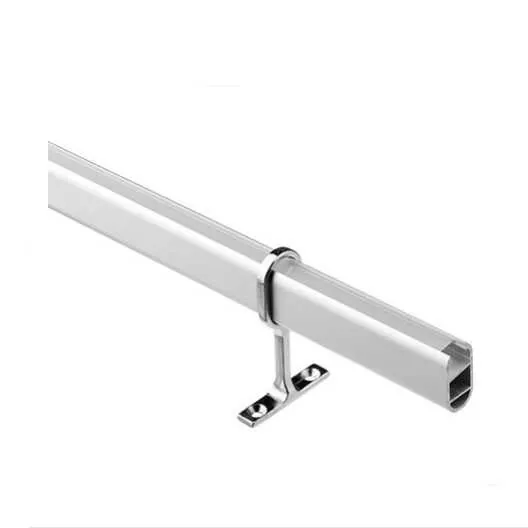
Kun pehmeää alumiinia työnnetään muotin läpi, jokaisella kulmalla on merkitystä. Jos muotti on edes hieman kallellaan, profiilin toinen puoli täyttyy nopeammin kuin toinen. Tämä johtaa vääntymiseen, epätasaisiin seinämiin tai outoihin mutkiin.
Muotinpidin auttaa estämään tämän käyttämällä tarkkoja ohjaustappeja, työstettyjä pintoja ja tiukkaa kiinnitystä. Hyvä kohdistus pitää muotin tarkalleen kohtisuorassa puristimen ruuviin nähden. Säiliön, pukin ja muotin on oltava samalla keskilinjalla.
Joissakin muotinpitimissä on itsekeskittyvät ominaisuudet. Toisissa käytetään kohdistusvälikappaleita tai -avaimia kiertymisen estämiseksi. Huippuluokan pitimet on CNC-koneistettu ±0,01 mm:n toleransseihin.
Ilman tätä linjausta suulakepuristus ei vain näytä huonolta, vaan se voi olla rakenteellisesti heikko. Toisen puolen ohuet seinämät tai kulmissa oleva jännittynyt metalli voi johtaa halkeamiin käytön aikana.
Säännöllinen tarkastus ja uudelleensuuntaus ovat myös tärkeitä. Jopa hyvät työkalut menevät epäkeskoon, jos niitä ei huolleta.
Täydellinen muotin kohdistus auttaa varmistamaan tasaisen materiaalivirran ja tasaisen profiilin laadun.Totta
Kun muotopino on keskitetty, alumiini virtaa tasaisesti, mikä estää virheiden syntymisen.
Suulakepidikkeen linjaus ei vaikuta suulakepuristustulokseen, jos itse suulake on suora.False
Jopa suora matriisi epäonnistuu, jos se on väärässä asennossa pidikkeessä; virtauksen on tultava matriisiin tasaisesti.
Voiko työkalujen päivitys parantaa tarkkuutta?
Vanhat tai kuluneet työkalut aiheuttavat enemmän romua ja seisokkiaikaa. Työkalunpitimen suunnittelun, materiaalien tai linjausjärjestelmien päivittäminen voi parantaa laatua ja suorituskykyä huomattavasti.
Parantamalla muotinpitimiä ja niihin liittyviä työkaluja voidaan parantaa kappaleiden tarkkuutta, vähentää virheasentoja, pidentää muotin käyttöikää ja lisätä toistettavuutta tuotantoerissä.
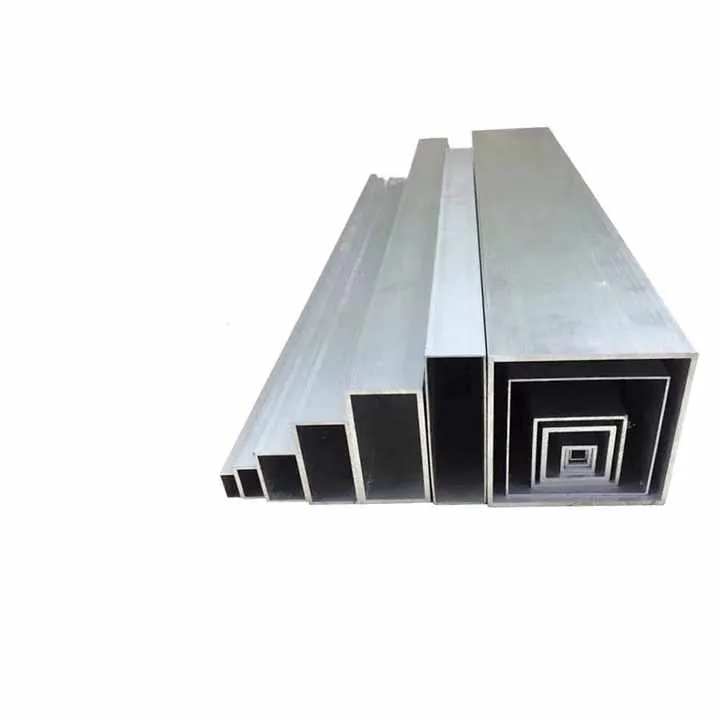
Työkalujen päivitykset tarkoittavat yleensä parempia materiaaleja, tarkempaa työstöä ja älykkäitä ominaisuuksia, jotka parantavat asennusta ja käyttöä. Esimerkiksi joissakin muotinpitimissä käytetään nykyään integroituja ohjausrenkaita, jotka pitävät muotit aina kohdakkain.
Nykyaikaiset pitimet on suunniteltu myös nopeampaan muotin vaihtoon. Liukukiskot, lukitusnokat ja pikakiinnittimet auttavat lyhentämään asetusaikaa, mikä on tärkeää tiukoissa tuotantoaikatauluissa.
Joissakin huippuluokan pitimissä on lämpötilan säätökanavat. Ne auttavat estämään lämmön kertymistä pitkien ajojen aikana ja parantavat pinnan viimeistelyä ja profiilin tasaisuutta.
Lisäksi on olemassa digitaalisia päivityksiä - antureita, jotka seuraavat pidikkeen asentoa, rasitusta tai lämpötilaa. Nämä järjestelmät havaitsevat virheasennon tai ylikuormituksen ennen kuin se aiheuttaa vahinkoa.
Jos profiilit ovat epäjohdonmukaisia, syynä voi olla työkalu. Parempi pidin tarkoittaa parempia tuloksia.
Työkalujen päivityksen edut
| Päivitystyyppi | Tärkein hyöty |
|---|---|
| Korkean tarkkuuden pidike | Parempi kohdistus, vähemmän osavaihtelua |
| Karkaistusta teräksestä valmistettu kokoonpano | Pidempi käyttöikä, vähemmän muodonmuutoksia |
| Lämmönsäätökanavat | Parempi viimeistely, enemmän johdonmukaisuutta |
| Pikavaihtosuunnittelu | Nopeampi asennus, vähemmän seisokkiaikaa |
Muotinpitimen ja työkalujärjestelmän päivittäminen voi johtaa tiukempiin toleransseihin ja pienempään romuun.Totta
Parempi kohdistus, vahvempi tuki ja parannettu lämpökäsittely parantavat tulostuksen tasaisuutta.
Työkalujen päivitykset parantavat vain tuotantonopeutta, eivät laatua tai tarkkuutta.False
Nykyaikaiset työkalut parantavat asennusta, kohdistusta, lujuutta ja lämmönsäätöä, jotka kaikki vaikuttavat tuotteen laatuun.
Päätelmä
Muotinpidin on suulakepuristimen selkäranka. Se lukitsee suulakepinon paikalleen, pitää kaiken linjassa ja kestää puristamisen koko voiman. Sen lujuus, tarkkuus ja muotoilu vaikuttavat suoraan profiilin laatuun. Paremmilla työkaluilla ja huolellisella kohdistuksella jokainen suulakepuristus voi täyttää vaatimukset - puhdas, vahva ja johdonmukainen.