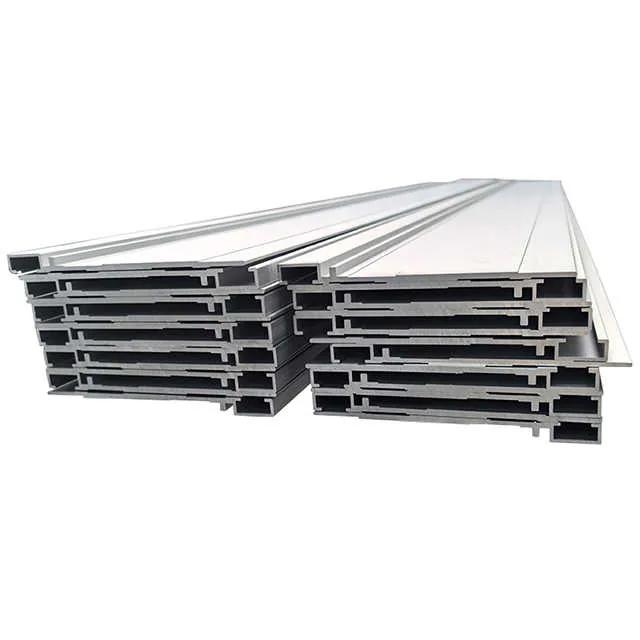
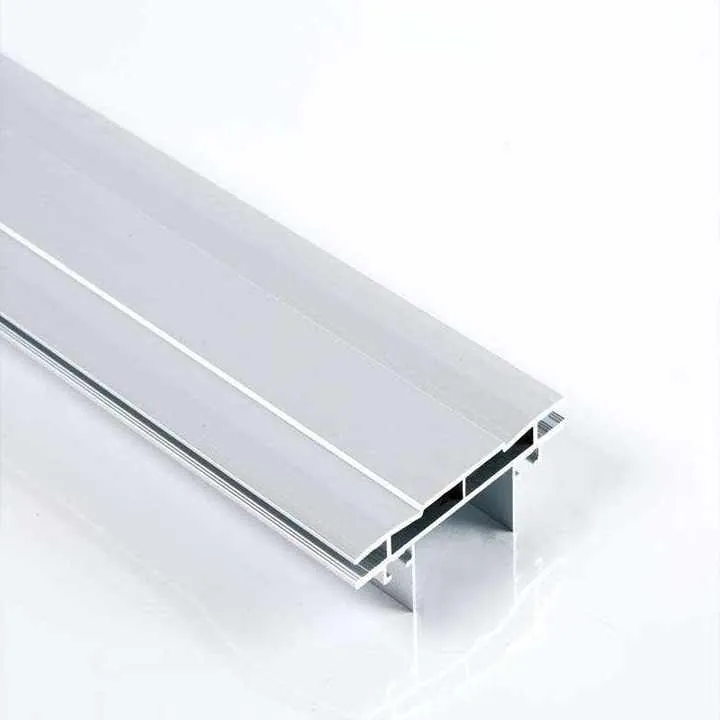
Mitä on alumiinipuristuksen prototyyppien valmistus?

Kun uusi tuotesuunnittelu törmää konseptin ja todellisuuden väliseen seinään, alumiinipuristeprototyyppien valmistus auttaa kuromaan kuilun umpeen nopeasti.
Alumiinin suulakepuristusprototyyppien valmistuksessa käytetään suulakepuristusprosessia - alumiinin pakottamista muotoillun muotin läpi - testiprofiilien luomiseksi nopeasti ja edullisesti, mikä mahdollistaa toiminnalliset prototyypit, jotka heijastavat tuotanto-osia.
Seuraavissa kappaleissa tarkastelemme, miten tämä lähestymistapa nopeuttaa kehitystä, parantaa prototyyppien työkaluja, validoi malleja tehokkaasti ja vähentää riskejä pienissä erissä.
Miten ekstruusioprototyyppien rakentaminen nopeuttaa kehitystä?
Suunnittelutiimit joutuvat usein kohtaamaan viivästyksiä, koska työkalujen tai monimutkaisten koneistusten valmistaminen kestää liian kauan - alumiinisulakepuristusprototyyppien valmistus lyhentää odotusaikaa huomattavasti.
Käyttämällä suulakepuristusta profiilin muodostamiseen varhaisessa vaiheessa suunnittelijat saavat todellisen laitteiston, jota he voivat testata, muokata ja siirtyä nopeammin prototyypistä tuotantoon.

Kun mietin, miten uusi alumiiniprofiili syntyy, tyypillinen polku on CAD-suunnittelu → työkalujen valmistus → tuotanto → testaus. Tämä ketju kestää usein viikkoja tai jopa kuukausia. Suulakepuristusprototyyppien valmistuksessa työkalujen valmistuskustannukset ja -aika ovat alhaisemmat verrattuna muihin menetelmiin (esimerkiksi metalliruiskuvaluun tai suuriin valukappaleisiin), ja prototyypin valmistusaika lyhenee. Esimerkiksi Aluminum Extruders Council toteaa, että suulakepuristustyökalut tarjoavat “lyhyet läpimenoajat ja alhaisemmat työkalukustannukset kuin valu- tai ruiskuvalu”.”
Koska suulakepuristuksella voidaan luoda jatkuvia profiileja, joiden poikkileikkaus on sama kuin lopullisen osan, voit testata todellisia rakenteellisia, lämpö- tai kokoonpanokäyttäytymisiä pelkkien visuaalisten mock-upien sijasta. Kuten eräässä valkoisessa kirjassa todetaan: “Alumiinista suulakepuristamalla valmistetut prototyypit säilyttävät materiaalin luonnollisen lujuuden ja kestävyyden ... mahdollistaen tarkan testauksen erilaisissa skenaarioissa.”
Käytännössä tämä tarkoittaa:
- Profiili suunnitellaan kerran, muotti valmistetaan ja pieniä määriä testataan.
- Saat osia, jotka ovat hyvin samankaltaisia kuin tuotannossa - sama metalliseos (usein 6061 tai 6063), samat viimeistelyvaihtoehdot, sama poikkileikkauksen muoto.
- Voit koota ne, testata sopivuutta ja toimintaa, säätää tarvittaessa profiilia tai työkalumuotteja ja toistaa niitä.
- Koska suulakepuristusprosessi on tehokas materiaalin käytön ja muodonmuodostuksen kannalta, vältytään suurelta määrältä työstöjätettä, mikä myös nopeuttaa prosessia.
Yksi varoitus: muotin suunnittelu vie vielä jonkin verran aikaa ja kustannuksia. Täysimittaiseen sarjatuotantoon verrattuna suhteelliset kustannukset ovat kuitenkin alhaisemmat, ja suunnitteluvirheiden varhaisesta havaitsemisesta saatavat säästöt ovat suuremmat. Kun ensisijainen tavoitteesi on “ota se käsiin, testaa, tarkenna, toista”, suulakepuristusprototyyppien valmistus on houkutteleva vaihtoehto.
Alumiinipursotusprototyyppien valmistuksessa on lyhyemmät toimitusajat kuin valu- tai ruiskuvaluprototyyppien valmistuksessa.Totta
Teollisuuden lähteet huomauttavat, että suulakepuristustyökalujen toimitusajat ovat lyhyet ja työkalukustannukset alhaisemmat kuin valussa tai ruiskuvalussa.
Alumiinipuristamalla tapahtuva prototyyppien valmistus maksaa aina vähemmän kuin 3D-tulostaminen missä tahansa määrässä.False
Vaikka suulakepuristustyökalujen ja prototyyppien valmistus voi olla monissa tapauksissa kustannustehokasta, hyvin pienissä erissä tai yksinkertaisissa muodoissa 3D-tulostus voi olla edullisempaa.
Miksi nopea työkalujen valmistus hyödyttää prototyyppien valmistusta?
Prototyyppiajot epäonnistuvat usein siksi, että työkalut ovat raskaita, hitaita tai eivät edusta tuotantoa - nopeat työkalut muuttavat tämän suulakepuristuksessa.
Nopea työkalujen valmistus suulakepuristusprosessissa tarkoittaa, että voit valmistaa prototyyppimuotteja nopeammin, testata useampia muunnelmia ja tarkentaa niitä ennen täydelliseen tuotantotyökalujen valmistukseen sitoutumista.

Kerrataanpa, mitä “nopea työkaluprosessi” tarkoittaa alumiinipuristusprototyyppien valmistuksen yhteydessä. Pohjimmiltaan sillä tarkoitetaan työkalumenetelmää (muotin valmistus, asetukset), joka on nopeampi, kevyempi ja soveltuu pikemminkin prototyyppi- ja piensarjatuotantoon kuin pelkästään pitkäaikaiseen massatuotantoon. Prototyyppisarjoissa ei useinkaan tarvita täysin karkaistua, erittäin kestävää, miljooniin sykleihin tarkoitettua muottia. Sen sijaan tarvitaan muotti, joka on riittävän hyvä satoja tai tuhansia osia varten ja joka mahdollistaa suunnittelun todentamisen ja testaamisen.
Lähteistä: Yksi toimittaja toteaa: “Prototyyppi pienen erän tukeen: käsittelemme alumiinipuristeprototyyppejä (1 kappale) aina satoihin yksiköihin asti - täydellinen tuotetestaukseen, markkinakokeisiin tai pienen volyymin tuotantoon.” Nopea työkalujen valmistus helpottaa tätä. Pikavalmistuksen etuja ovat mm:
- Nopeammat iteraatiot
- Alhaisemmat aloituskustannukset
- Parempi riskienhallinta
- Siirtymävalmius
Tässä on työkaluvaihtoehtojen vertailu:
| Työkalutyyppi | Tyypillinen asennusaika | Tyypillinen määrä | Kustannukset | Ihanteellinen käyttö |
|---|---|---|---|---|
| Nopea prototyyppi kuolee | Päivistä muutamaan viikkoon | 1 - satoja | Matala | Testaus, variantit |
| Tuotantomuotti | Viikoista kuukausiin | Tuhansista miljooniin | Korkea | Massatuotanto |
Kun tuotteesi on vielä suunnittelun validointivaiheessa, nopean työkalun avulla voit ajaa todellisia alumiinista suulakepuristettuja osia todellisissa kokoonpano-olosuhteissa, todellisessa ympäristössä ja todellisessa viimeistelyssä. Tämä antaa paljon parempaa palautetta kuin puhtaasti koneistetut kappaleet tai 3D-tulostetut mallit. Koska työkalut on sovitettu yhteen lopullisen prosessin kanssa, voit arvioida valmistettavuutta, viimeistelyä ja toissijaisia toimintoja (koneistus, taivutus, hitsaus) varhaisessa vaiheessa. Tämä auttaa varmistamaan, että lopullinen tuotantotyökalu on optimoitu ja että yllätyksiä esiintyy vähemmän.
Pursotuksen nopean työkalutuotannon ansiosta voit testata varsinaisia suulakepuristettuja profiileja varhaisessa vaiheessa ennen täyttä tuotantoa.Totta
Nopea työkalujen valmistus mahdollistaa suulakepuristettujen profiilien prototyyppisarjojen (1 kappaleesta satoihin) testaamisen ennen täydellistä tuotantotyökalujen valmistusta.
Nopea työkalujen valmistus tarkoittaa aina sitä, että muotin valmistusprosessi jätetään kokonaan väliin.False
Puristamiseen tarvitaan edelleen muotteja; nopeat työkalut tarkoittavat nopeampaa tai edullisempaa muottien valmistusta, ei sen ohittamista kokonaan.
Missä prototyypit auttavat suunnittelun validoinnissa?
Saatat luulla, että prototyypit ovat vain visuaalisia, mutta suulakepuristetuilla alumiiniprofiileilla ne validoivat myös rakenne-, lämpö- ja integrointisuunnittelun.
Alumiinipuristamalla valmistetut prototyypit tarjoavat todellista materiaalikäyttäytymistä ja tuotannon kaltaista geometriaa, joten voit validoida istuvuuden, muodon, toiminnan, viimeistelyn ja kokoonpanon ennen täysimittaista tuotantoa.

Suunnittelun testaaminen varhaisessa vaiheessa on keskeistä tuotekehityksessä. Puristusprosessilla luodut prototyypit ovat uskottavampia, koska ne jäljittelevät tarkasti lopputuotetta eivätkä ole pelkkiä malleja. Alumiinipuristusprototyypit auttavat erityisesti validoimaan:
Sovitus ja kokoonpano
Koska suulakepuristettu profiili on sama muoto, joka menee tuotantoon, voit testata, ovatko osat kohdakkain, kiinnittyvätkö ne oikein, sopivatko ne yhteen muiden osien kanssa ja kootaanko ne odotetulla tavalla.
Rakenteellinen suorituskyky
Käyttämällä todellista seosta (usein 6061 tai 6063) ja todellista puristusgeometriaa voit mitata, miten osa käyttäytyy kuormituksessa, tärinässä tai lämpöolosuhteissa.
Valmistus ja viimeistely
Prototyyppien avulla voit testata viimeistelytoimintoja (anodisointi, jauhemaalaus, puun jyvän siirto jne.) ja varmistaa pinnan laadun, toleranssit ja integroinnin myöhempiin koneistus- tai liitostoimintoihin.
Suunnittelun toistaminen
Jos havaitset ongelmia (esimerkiksi seinämän paksuus on liian ohut, kiinnitysreiät ovat väärässä paikassa, aukon leveys on vaikea puristaa tai kallis suulakepuristaa), voit säätää profiilia, suulaketta tai prosessia varhaisessa vaiheessa.
Siirtyminen tuotantoon
Koska prototyyppi valmistetaan samassa tai hyvin samankaltaisessa prosessissa kuin tuotanto, voit siirtyä massatuotantoon sujuvammin ja vähemmillä muutoksilla.
Seuraavassa on lyhyt taulukko, jossa esitetään yhteenveto tyypillisistä validointipisteistä:
| Validointityyppi | Prototyyppi Hyöty | Ekstruusioetu |
|---|---|---|
| Sovitus ja kokoonpano | Tarkista, että todelliset osat kootaan ja kohdistetaan | Profiili vastaa lopullista poikkileikkausta |
| Rakenteellinen / toiminnallinen | Mittaa kuormitus, muodonmuutos, tärinä | Todellinen materiaali, sama geometria |
| Viimeistely & pinta | Testipinnoite, pinnan ulkonäkö, kestävyys | Tukee anodisointia, pulverimaalaus jne. |
| Valmistettavuus | Tarkista, onko profiilin tuottaminen kustannustehokasta | Die ja prosessi heijastavat tuotantomenetelmää |
| Siirtymän tehokkuus | Vähemmän uudelleensuunnittelua tuotantoon siirryttäessä | Prototyyppi käyttää suulakepuristusprosessia |
Alumiinipursotuksen prototyypeillä voidaan validoida rakenteellinen suorituskyky ja viimeistelyprosessit.Totta
Lähteiden mukaan suulakepuristetusta alumiinista valmistetut prototyypit säilyttävät materiaalin luonnollisen lujuuden ja tukevat viimeistely- ja pintakokeita.
Alumiinista suulakepuristamalla valmistettuja prototyyppejä ei voida käyttää kokoonpanon sopivuuden testaamiseen.False
Niitä voidaan käyttää kokoonpanosovitukseen, koska profiili vastaa lopullista geometriaa ja prototyypit ovat oikeita osia.
Voiko pienen erän puristaminen vähentää riskejä?
Massatuotantoon siirtyminen on riskialtista, mutta pienten erien suulakepuristusprototyyppien avulla voit testata markkinoita, prosessia ja toimituslogistiikkaa ennen täydellistä käyttöönottoa.
Alumiinin puristaminen pienissä erissä mahdollistaa rajoitettujen määrien valmistamisen todellisesta lopullisesta profiilista, mikä mahdollistaa markkinakokeilut, tuotannon esivalmistuksen tarkistukset ja toimitusketjun testaukset, kun investoinnit ovat pienemmät ja riskit hallinnassa.

Valmistukseen liittyvät riskit liittyvät moniin eri aloihin - työkalujen valmistuskustannuksiin, markkinoiden hyväksyttävyyteen, tavarantoimittajien luotettavuuteen, kokoonpanoon, logistiikkaan, viimeistelyyn ja muuhun. Pienerien puristaminen on väline monien näiden riskien hallintaan. Katsotaanpa miten:
Pienemmät investoinnit ja pienempi altistuminen
Koska pienten erien suulakepuristusprototyyppien työkalut ja asetukset ovat edullisempia kuin kokonaistuotanto, ja määrät ovat rajalliset (muutamasta kappaleesta satoihin), voit pitää altistumisen hallittavissa olevalla tasolla.
Toimitusketjun ja viimeistelyjen testaus
Voit testata viimeistelyprosesseja (anodisointi, jauhemaalaus) todellisilla osilla, tarkistaa alumiiniprofiilien toimituksen ja käsittelyn, arvioida toimittajan reagointikykyä ja logistista pakkaamista - kaikki tämä ennen kuin laajennat tuotantoa.
Markkinoiden validointi
Pienen erän tuottaminen antaa sinulle mahdollisuuden luovuttaa pilottiyksiköitä avainasiakkaille, kerätä palautetta, mitata suorituskykyä ja vahvistaa kysyntää.
Iteratiivinen parantaminen
Koska pienten erien suulakepuristuksessa on edullista tarkistaa profiilia tai työkaluja ja ajaa uusi erä, voit iteroida nopeasti.
Skaalautuvuus ja siirtymävalmius
Kun profiili on validoitu pienissä erissä, voit siirtyä sujuvammin täyteen tuotantoon.
Suunnitteluun ja tuotantoon liittyvien yllätysten lieventäminen
Käyttämällä pieniä eriä todellisia suulakepuristettuja osia vähennät yllätyksiä, kun skaalausta kasvatetaan.
Tässä on erittely riskien vähentämisen eduista:
| Riskityyppi | Miten pienen erän ekstruusio auttaa |
|---|---|
| Työkalukustannukset ja muottien vikaantuminen | Alhaisemmat alkuvaiheen työkalukustannukset ja pienempi määrä osia merkitsevät pienempiä uponneita kustannuksia. |
| Tuntemattomat materiaalit/prosessit | Todelliset suulakepuristetut osat testaavat materiaalin käyttäytymistä ja prosessin vakautta |
| Kokoonpano/asennusongelmat | Aidot osat mahdollistavat istuvuuden ja toiminnan tarkistamisen |
| Markkinoiden hyväksyntä | Rajoitetut pilottiyksiköt testaavat markkinoita ennen täyttä investointia |
| Toimitusketju/viimeistelylogistiikka | Pienten sarjojen testausviimeistely, pakkaus, toimitus, käsittely. |
| Yllätyksiä mittakaavassa | Suulakepuristetun profiilin validointi etukäteen vähentää yllätyksiä tuotannossa |
Pienten erien suulakepuristusprototyyppien valmistus auttaa vähentämään tuotantoriskiä ennen täysimittaista valmistusta.Totta
Pienten erien suulakepuristaminen mahdollistaa todellisten osien piensarjatuotannon, mikä mahdollistaa markkinatestauksen ja toimitusketjun validoinnin, mikä vähentää riskejä.
Pienten erien suulakepuristusprototyyppien valmistaminen poistaa aina tarpeen muuttaa työkaluja massatuotannossa.False
Vaikka se vähentää muutoksia, työkalujen hienosäätöä saatetaan edelleen tarvita, kun volyymi ja olosuhteet muuttuvat.
Päätelmä
Alumiinipursotuksen prototyyppien rakentaminen tarjoaa nopean ja realistisen tavan testata ja hioa suunnittelua, työkaluja ja toimitusketjua ennen täysimittaista tuotantoa. Hyödyntämällä tätä menetelmää lisäät nopeutta, validoit tehokkaasti ja vähennät riskejä.