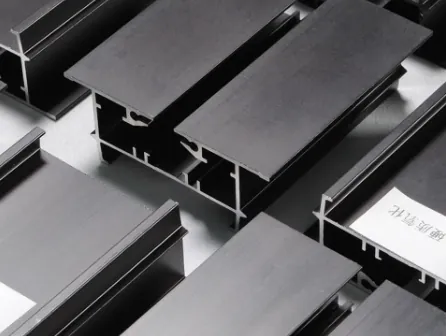
How is the Extrusion Production Process Used for Industrial Aluminum Profiles?

Ever wondered how industrial aluminum profiles are crafted with precision?
The extrusion production process for industrial aluminum profiles involves heating aluminum bars, pushing them through a die to form specific shapes, and then treating them to enhance durability. Key factors include temperature control, extrusion speed, and material selection.
While the basic process may seem straightforward, mastering aluminum extrusion involves understanding complex technical elements and precise control measures. Let’s delve deeper into each stage of this fascinating manufacturing method.
Raw material selection affects aluminum profile quality.True
Choosing the right raw materials impacts alloy composition and impurity levels, affecting product quality.
What Role Does Raw Material Selection Play in Aluminum Extrusion?
Raw material selection is pivotal in aluminum extrusion, influencing quality, efficiency, and final product performance.
Choosing the right raw materials for aluminum extrusion impacts alloy composition, impurity levels, and overall extrusion quality. This selection dictates the physical properties, durability, and performance of the final profiles, making it a critical step in the manufacturing process.
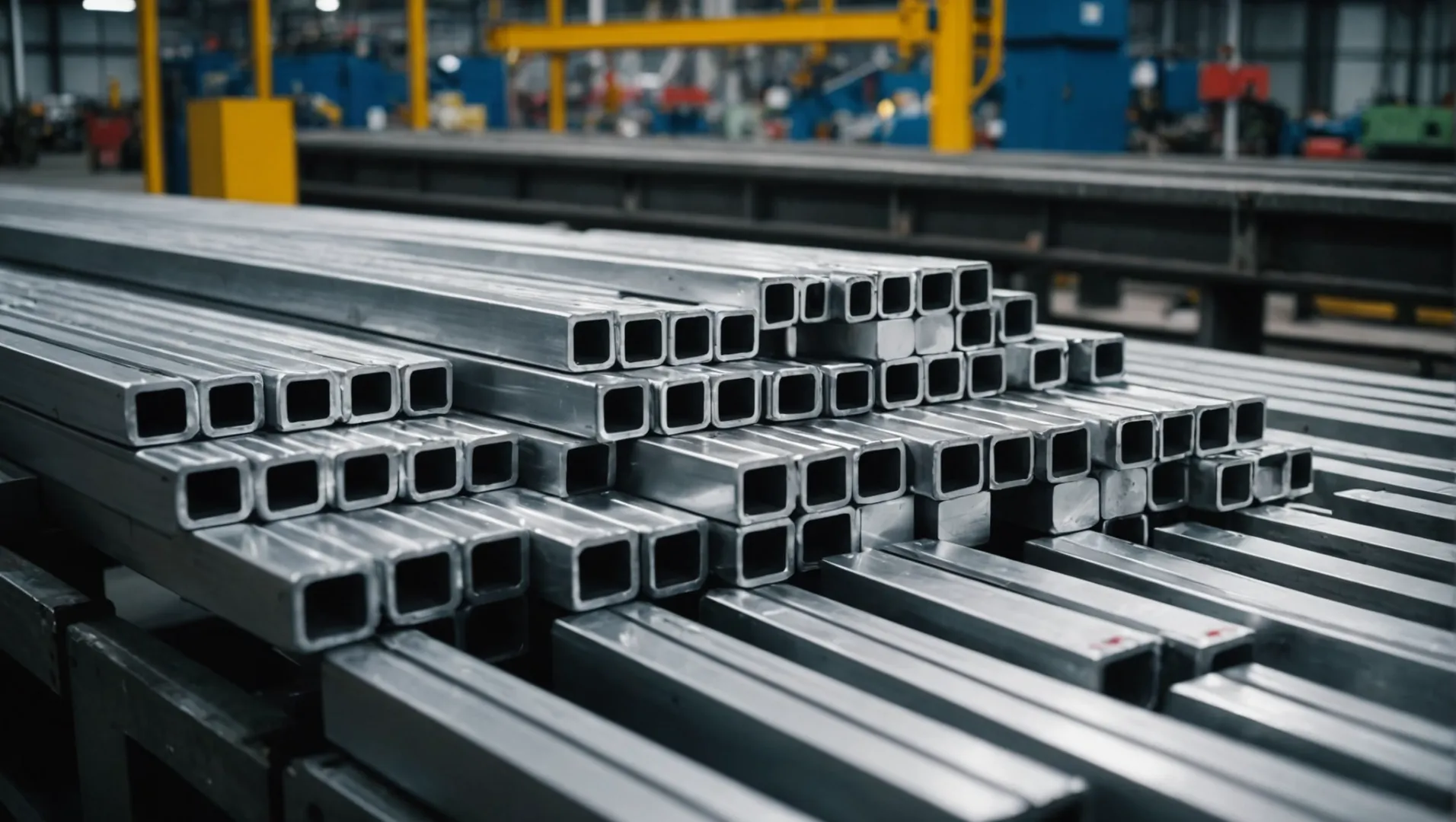
Understanding Aluminum Alloys
The selection of aluminum alloys1 is a foundational step in the extrusion process. Each alloy is composed of varying elements that determine its strength, ductility, and corrosion resistance. For example, 6063 alloy is favored for its excellent extrudability and surface finish. The specific combination of elements like magnesium and silicon influences not only the mechanical properties but also the ease with which the metal can be formed into complex shapes.
Impurities: The Unseen Influence
Active impurities within the raw materials can significantly affect the extrusion outcome. Even trace amounts of elements such as iron or copper can alter the properties of the aluminum, affecting its color, durability, and even its structural integrity. Thus, maintaining a low level of impurities is essential for producing high-quality extrusions.
Melt Superheating and Cooling
The melt superheating temperature plays a critical role in determining how well the material will flow during extrusion. This temperature needs to be carefully calibrated to ensure that the aluminum is sufficiently malleable without becoming too fluid. Additionally, the cooling rate after extrusion affects the microstructure of the aluminum, impacting its strength and hardness.
Alloy Composition and Extrusion Process
The choice of alloy composition must align with the desired characteristics of the final product. For industrial applications requiring high strength and good surface finish, alloys with specific magnesium and silicon ratios are selected. These compositions allow for better mechanical properties and surface aesthetics post-extrusion.
Practical Considerations in Material Selection
When selecting raw materials for aluminum extrusion, manufacturers must consider factors like cost, availability, and environmental impact. Balancing these considerations with technical requirements ensures a sustainable and economically viable production process. Furthermore, advancements in recycling technologies have allowed for the use of secondary aluminum without compromising quality, emphasizing the importance of sustainable practices in material selection.
6063 alloy is preferred for extrudability.True
6063 alloy is known for excellent extrudability and surface finish.
Impurities have no effect on extrusion quality.False
Impurities can alter color, durability, and structural integrity.
How Does Temperature Control Impact the Extrusion Process?
Temperature control is pivotal in the extrusion process, affecting everything from product quality to production efficiency. Discover how precise temperature management can make or break the success of industrial aluminum profiles.
Temperature control in extrusion ensures optimal material flow, affecting product quality and efficiency. Proper management of heat during extrusion is vital for maintaining alloy properties, achieving desired shapes, and enhancing mechanical strength.

Importance of Temperature in Extrusion
The extrusion process2 is highly sensitive to temperature changes. Inconsistent temperatures can lead to defects like cracking, surface imperfections, or incomplete extrusion. For instance, the extrusion temperature significantly influences the mechanical properties3 of the final product. By maintaining a consistent temperature, manufacturers ensure that the aluminum flows evenly through the die, producing uniform profiles.
Temperature and Material Flow
In the extrusion process, aluminum is heated to a malleable state before being pushed through a die. If the temperature is too low, the aluminum may resist flow, requiring more force and potentially damaging the equipment. Conversely, if it’s too high, it could cause excessive wear on the die and compromise the structural integrity of the aluminum. Thus, precise temperature control ensures smooth material flow and reduces wear on machinery.
Cooling Rate and Quenching
After the extrusion, rapid cooling or quenching is essential to lock in the desired mechanical properties of the aluminum. The cooling rate must be controlled meticulously. For example, the 6063 alloy benefits from a cooling rate of at least 38°C/min to achieve optimal hardness and strength. Adjusting factors like the number of fans or their speed can fine-tune this cooling process.
| Temperature Control Elements | Impact on Extrusion |
|---|---|
| Heating Temperature | Ensures material malleability |
| Die Temperature | Affects surface finish and precision |
| Cooling Rate | Determines final mechanical properties |
Managing Extrusion Temperature for Efficiency
Temperature also affects production efficiency4. Maintaining optimal temperatures can reduce cycle times and increase throughput, resulting in cost savings. Efficient temperature control minimizes energy consumption by reducing unnecessary reheating or cooling steps.
Moreover, by understanding and implementing precise temperature controls, manufacturers can extend die life, reducing replacement costs and downtime.
Real-World Application
Consider a scenario where temperature fluctuations are common due to environmental factors or equipment limitations. Implementing advanced monitoring systems can help detect deviations promptly and adjust parameters in real-time, ensuring consistent quality across batches. Such technologies are vital in settings where precision and uniformity are non-negotiable.
Inconsistent extrusion temperatures cause defects.True
Temperature fluctuations lead to cracking, surface imperfections, or incomplete extrusion.
High extrusion temperatures reduce die wear.False
Excessive heat increases die wear and compromises aluminum's structural integrity.
Why is Mould Design Crucial in Aluminum Profile Production?
Ever wondered why precise mould design is pivotal in creating top-notch aluminum profiles? Discover how it shapes the quality and efficiency of production.
Mould design is crucial in aluminum profile production because it ensures precise extrusion shapes, enhances product quality, and minimizes production flaws. The right design facilitates uniformity, durability, and cost-effectiveness by allowing efficient material flow and reducing defects.
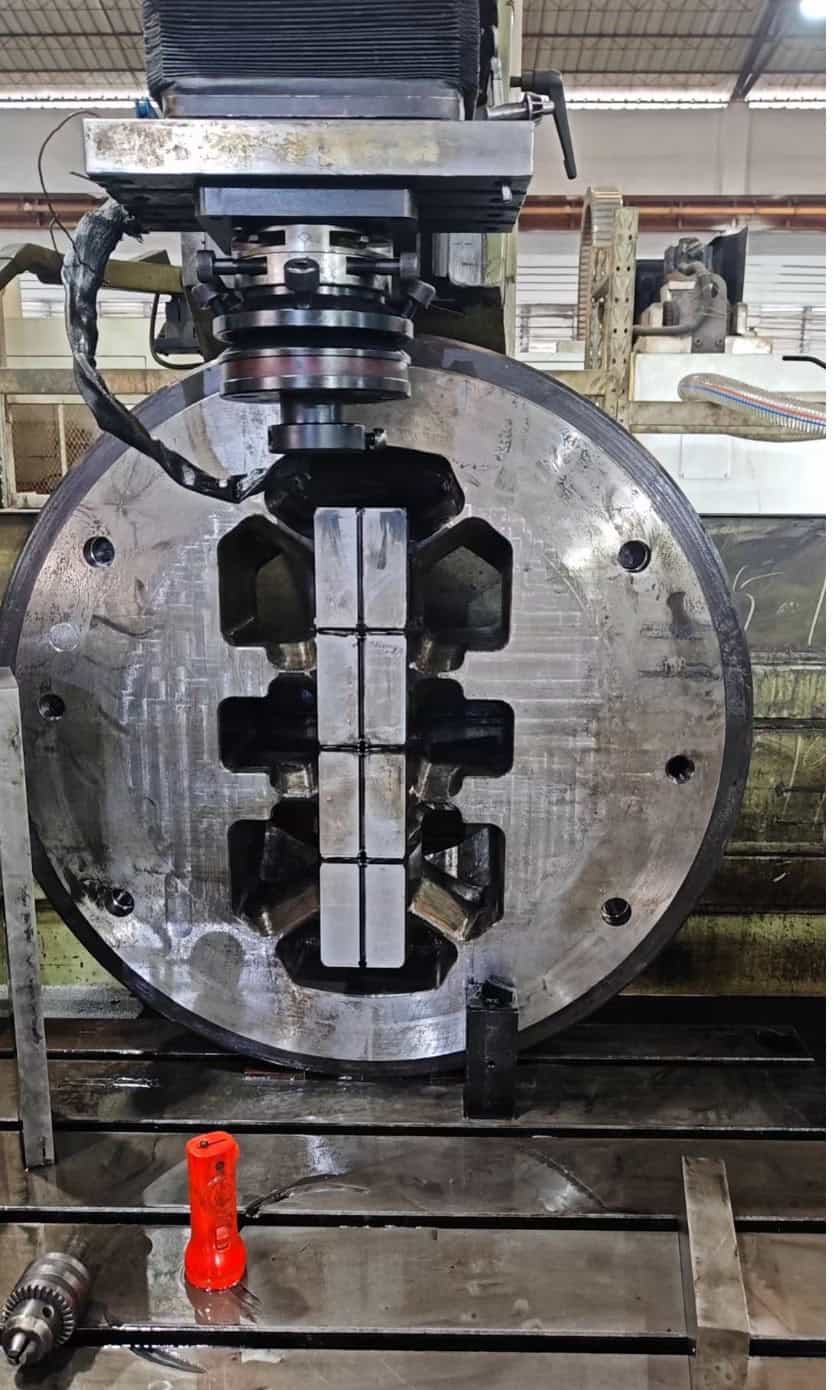
The Role of Mould Design in Shaping Aluminum Profiles
Moulds are the backbone of aluminum profile production, responsible for forming raw aluminum into specific shapes. This process begins with heating aluminum bars before pushing them through the custom-designed mould5 that dictates the final profile’s cross-section. A precise mould not only ensures accurate dimensions but also optimizes material flow and minimizes waste.
A well-designed mould accounts for thermal expansion and contraction, ensuring the final product’s stability and uniformity. By addressing potential stress points, manufacturers can prevent cracks and other structural flaws during extrusion.
Materials and Hardness: Keys to Mould Longevity
Choosing the right materials and hardness for the mould is paramount. Materials must withstand high temperatures and pressures without deforming or wearing out quickly. For instance, steel alloys are often preferred due to their durability and resistance6 to wear.
The hardness of the mould also plays a critical role in preventing surface defects like scratches. A balance is needed; overly hard materials can become brittle, while softer ones might wear down faster, affecting the mould’s precision over time.
Maintenance: A Preventative Approach
Regular maintenance is vital to prolong the life of the mould and maintain product quality. This involves routine cleaning to remove residues that could alter the profile’s surface finish. Early detection and repair of any damage prevent production delays and costly downtimes.
Implementing a systematic maintenance schedule7 helps identify minor issues before they escalate, ensuring continuous production efficiency.
Case Study: Efficiency Through Mould Innovation
Consider a manufacturer that transitioned from traditional moulds to advanced 3D-printed designs. This shift allowed for more complex profiles and significantly reduced material waste by optimizing flow paths within the mould. The initial investment in technology was offset by savings in raw materials and increased throughput, demonstrating how innovation in mould design can directly impact efficiency.
By exploring these dimensions, it’s clear that mould design is not merely a step in the process but a cornerstone of aluminum profile production.
Mould design affects aluminum profile quality.True
Precise moulds ensure accurate extrusion shapes, enhancing product quality.
Steel alloys are unsuitable for extrusion moulds.False
Steel alloys are preferred for their durability and wear resistance.
What Are the Steps in Surface Treatment for Aluminum Profiles?
Transforming aluminum profiles involves more than just shaping; surface treatment ensures durability and aesthetic appeal.
Surface treatment of aluminum profiles includes sandblasting, pretreatment, degreasing, etching, oxidation, and sealing to enhance performance and appearance.
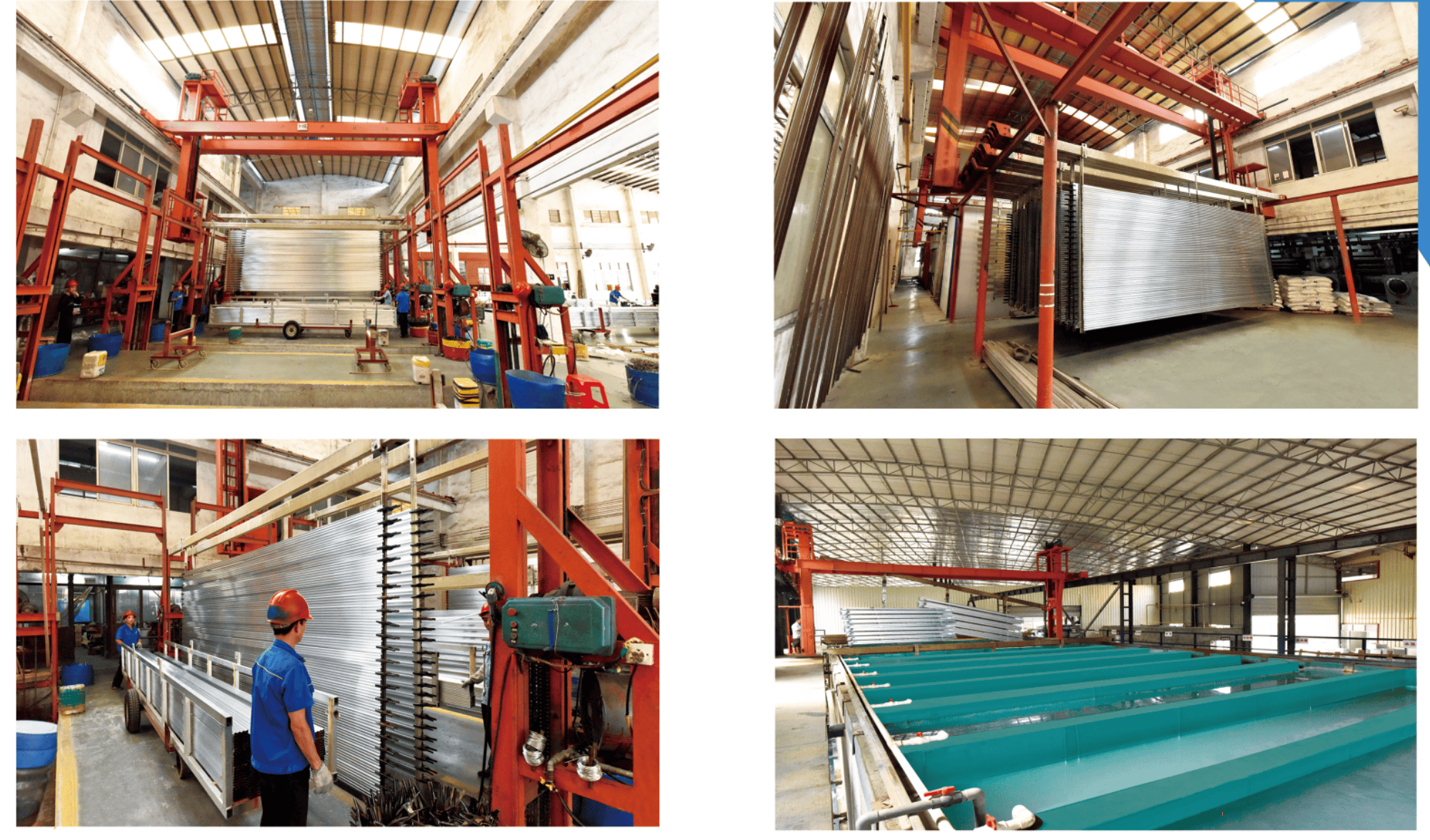
Understanding Surface Treatment Steps
The surface treatment of aluminum profiles is a comprehensive process that enhances the material’s durability and aesthetic quality. Here’s a detailed look at each step involved in this critical phase:
-
Surface Sandblasting
Sandblasting is the initial step that prepares the surface by removing impurities and creating a uniform texture. This process involves projecting abrasive materials onto the aluminum surface, which helps in smoothing out imperfections and increasing adhesion for subsequent treatments.
-
Surface Pretreatment
Pretreatment involves cleaning the aluminum profile to remove any contaminants like oils or dust that might interfere with further processing. This step is crucial for ensuring that treatments like oxidation bond effectively with the aluminum surface.
-
Degreasing Process
After pretreatment, degreasing is performed to eliminate any residual oils or lubricants. This is typically done using alkaline solutions that break down grease, ensuring a clean and receptive surface for further chemical treatments.
-
Acid and Alkaline Etching
Etching processes are employed to refine the surface even further. Acid etching removes a thin layer of aluminum to reveal a fresh surface, while alkaline etching helps in achieving a satin finish by smoothing out microscopic irregularities.
-
Neutralisation Process
Following etching, neutralisation is essential to balance the pH levels on the surface. This step prevents any adverse reactions during the oxidation process by stabilizing the aluminum’s chemical state.
-
Oxidation Treatment
Oxidation is perhaps the most critical step, where an anodic layer is formed on the aluminum surface. This protective oxide layer enhances corrosion resistance and can be dyed for aesthetic purposes.
-
Sealing Process
Sealing locks in the anodic layer and further enhances corrosion resistance. This is usually done by immersing the profiles in hot water or steam, causing the pores of the oxide layer to close.
-
Final Inspection and Quality Control
Once all treatments are completed, a thorough inspection ensures that the profiles meet quality standards in terms of both appearance and functional properties.
The surface treatment process not only improves the functional attributes of aluminum profiles but also allows for customization in color and texture, making them suitable for various industrial applications. For more on optimizing these processes, check our guide on effective surface treatment techniques8.
Sandblasting is the first step in aluminum surface treatment.True
Sandblasting removes impurities and prepares the surface for treatment.
Sealing is performed before oxidation in aluminum treatment.False
Sealing occurs after oxidation to lock in the anodic layer.
Conclusion
Understanding the intricacies of the extrusion process is essential for producing high-quality aluminum profiles that meet industry standards.
-
Learn how different alloys affect extrusion efficiency and final product quality.: From improved strength to better weldability, alloying hones the characteristics of aluminum to suit the end product better. Wrought Aluminum Alloys for … ↩
-
Learn why precise temperature management is crucial for quality extrusion.: Temperature is the most important parameter in Aluminum Extrusion Process controlling Production, Wastage, Cost, Quality and the Life of the Press. ↩
-
Discover how extrusion temperatures alter aluminum’s mechanical properties.: In the temperature range of 380 °C–410 °C, with the increase of extrusion temperature, the alloy grain coarsing, strength and plasticity gradually decrease. ↩
-
Understand how efficient temperature control boosts production efficiency.: Temperature control in extrusion is pivotal to ensuring the consistency and quality of the final product. The primary consideration is … ↩
-
Understand how tailored moulds enhance precision and efficiency.: Other benefits include aluminum’s excellent weldability, sleek appearance, extended durability, and non-magnetic nature. Of course, aluminum’s greatest … ↩
-
Discover durable materials that withstand high extrusion pressures.: 6061 aluminum is best employed in large blow molds, low-volume injection molds, and compression molds. It is similar to 6013, but a bit stickier. ↩
-
Learn how maintenance prevents costly downtimes.: 1. Prevent Unplanned Downtime: Regular maintenance plays a crucial role in preventing unexpected breakdowns and costly production downtime. By … ↩
-
Explore comprehensive methods to improve aluminum profile quality.: In this blog we will discuss the most common surface treatments for aluminium: sublimation, anodising, powder coating and wet painting. ↩