From Traditional to Modern: Evolution of Aluminum Processing Technology

Aluminum processing has come a long way since its inception, revolutionizing industries with its advancements.
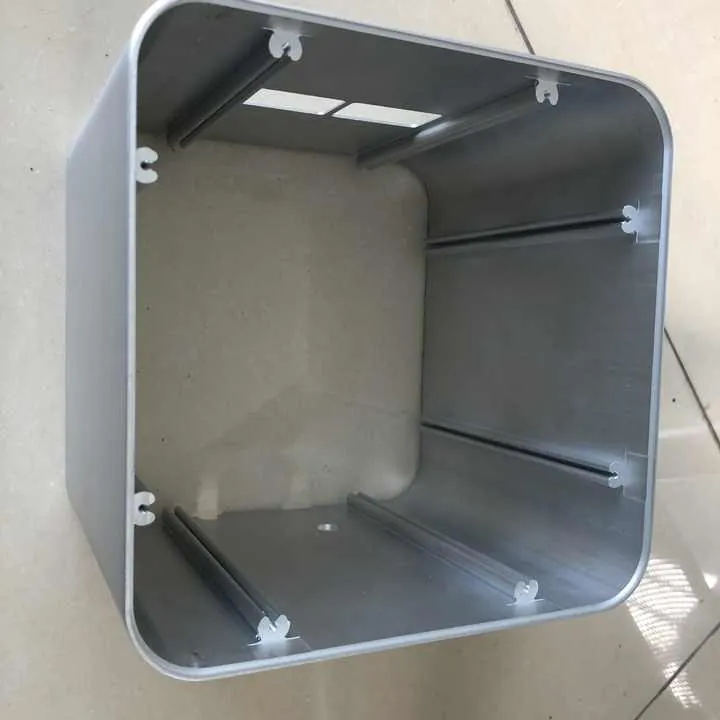
Aluminum processing technology has evolved from basic casting and machining to modern extrusion techniques that enhance precision and efficiency. These advancements include the use of computer numerical control systems and automation, which allow for precise control over dimensions and shapes, significantly improving the quality and adaptability of aluminum products.
While the core principles of aluminum processing remain the same, the methods have dramatically improved in terms of precision and efficiency. The shift from manual to automated processes not only boosts production but also enhances product quality. Let’s delve deeper into how these modern techniques are reshaping the aluminum industry.
Aluminum processing now uses computer numerical control systems.True
CNC systems allow precise control over dimensions, enhancing quality.
Manual aluminum processing is more efficient than automated methods.False
Automation boosts production and quality, surpassing manual efficiency.
What Are the Key Differences Between Traditional and Modern Aluminum Processing Methods?
Aluminum processing has evolved dramatically from its labor-intensive roots to modern, precision-driven techniques. Understanding these differences is crucial for industries reliant on aluminum’s versatility.
Traditional aluminum processing methods relied heavily on manual labor and basic machinery, leading to variability in product quality. Modern methods utilize advanced technology like CNC systems and automation, ensuring precision, efficiency, and consistent quality across various applications.

The Evolution of Aluminum Processing
Historically, aluminum processing was labor-intensive, relying heavily on manual skills1. This often resulted in inconsistent product quality, with variances in dimensions and surface finishes. Basic casting and machining were the cornerstones of this era, requiring significant effort
from skilled workers.
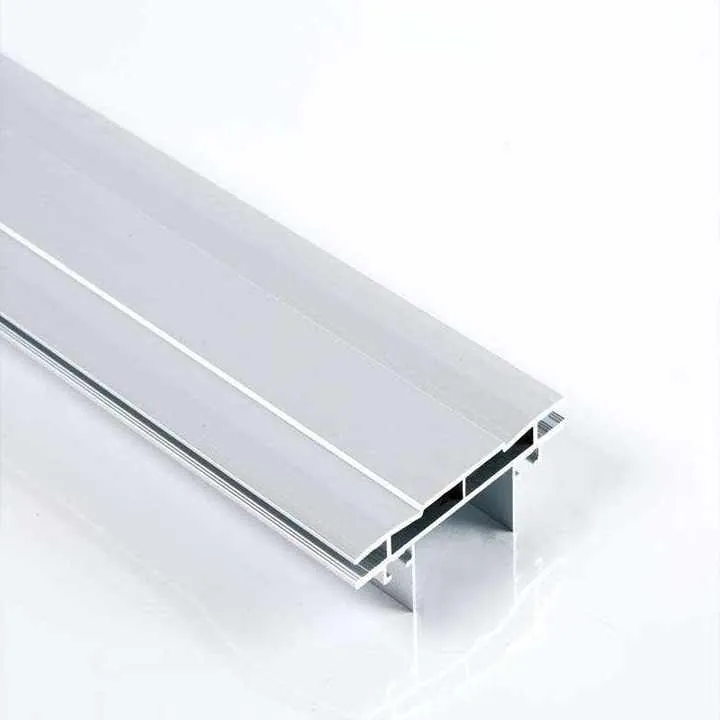
In contrast, modern techniques have revolutionized the industry. The introduction of extrusion technology enables the creation of continuous lengths of aluminum profiles by heating billets and forcing them through a die. This process allows for precise control over shape and dimensions.
Technology’s Impact on Quality
Modern aluminum processing benefits greatly from automation and computer numerical control (CNC) systems. These advancements reduce waste, increase efficiency, and allow for the creation of complex shapes previously deemed impossible. Automation not only improves production speed but also enhances precision by minimizing human error.
For instance:
| Feature | Traditional Methods | Modern Methods |
|---|---|---|
| Precision | Limited by manual skills | Enhanced by CNC systems |
| Efficiency | Labor-intensive | Highly automated |
| Complexity | Basic shapes | Complex designs possible |
The Role of Surface Treatments
Enhanced surface treatments like anodizing and powder coating have transformed aluminum’s durability and aesthetics. These treatments provide superior corrosion resistance and a variety of finishes.
- Anodizing: Improves corrosion resistance while allowing for different colors.
- Powder Coating: Offers durable and aesthetically pleasing finishes.
Automation and Sustainability
Intelligent processing methods integrate robotics and AI-driven systems to streamline manufacturing. This not only increases production speed but also supports sustainability2 by reducing energy consumption and waste.
Furthermore, the adaptability of modern processes caters to diverse needs across industries, from construction to automotive manufacturing.
Meeting Diverse Needs with Deep Processing Technologies
Modern methods are versatile, offering tailored solutions through deep processing technologies. These include machining, fabrication, and innovative joining techniques. Manufacturers can customize aluminum profiles by adjusting alloy compositions or surface treatments to meet specific demands.
Such advancements help companies like David’s, focusing on outdoor equipment, to design durable products suited for demanding environments. By leveraging these technologies, companies enhance their product offerings significantly.
In conclusion, understanding the transition from traditional to modern aluminum processing methods is essential for industries aiming to leverage these advances for better quality, efficiency, and sustainability outcomes. Explore more3 about the impact of technology on aluminum processing innovation.
Modern aluminum processing uses CNC systems.True
CNC systems enhance precision and allow complex designs in modern processing.
Traditional methods allowed for complex aluminum designs.False
Traditional methods were limited to basic shapes due to manual processes.
How Does Intelligent Automation Improve Aluminum Profile Production?
Discover how intelligent automation transforms aluminum profile production, boosting efficiency and quality through cutting-edge technologies. Explore the benefits of AI-driven systems and automation in this industry.
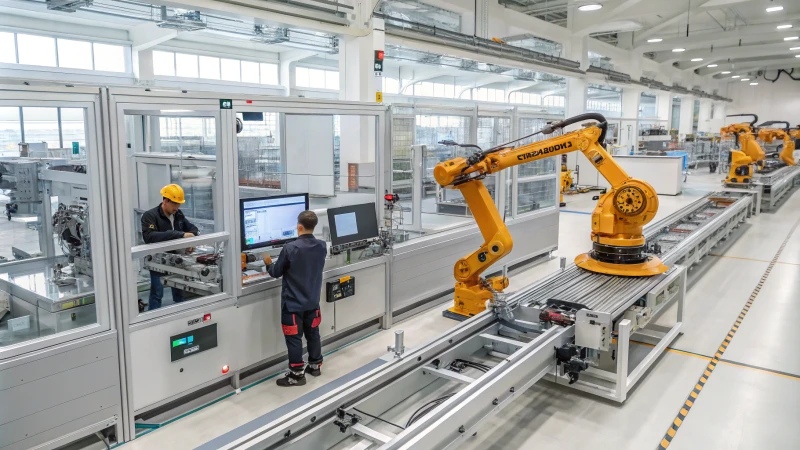
Intelligent automation revolutionizes aluminum profile production by enhancing precision, reducing human error, and increasing efficiency. It integrates AI and robotics to streamline processes, resulting in higher quality and more consistent products.
The Role of AI in Aluminum Production
Incorporating AI into aluminum profile production allows for real-time monitoring and adjustments. AI systems analyze production data, optimize parameters, and predict maintenance needs4, ensuring smoother operations.
Robotics Enhancing Efficiency
Robotics streamline repetitive tasks such as material handling and assembly. Robots operate around the clock without fatigue, significantly boosting output. They execute complex maneuvers5 with precision, minimizing errors.
| Advantages | Traditional Methods | Intelligent Automation |
|---|---|---|
| Production Speed | Variable | Consistent & Fast |
| Precision | Human-Dependent | Machine-Driven |
| Labor Cost | High | Reduced |
Enhancing Quality Through Automation
Automated quality inspection systems utilize sensors to detect defects and ensure uniformity in profiles. This technology reduces waste and assures customers receive consistent high-quality products6.
Customization Capabilities with Automation
Intelligent automation enables rapid customization to meet specific client needs. Advanced software configurations allow for quick adjustments7 in designs, accommodating complex shapes and sizes efficiently.
Aluminum manufacturers leveraging these technologies enjoy enhanced operational stability and cost-effectiveness. Exploring case studies of successful implementations8 reveals the tangible benefits realized by early adopters in the industry.
AI optimizes aluminum production parameters.True
AI analyzes data to adjust production settings for optimal efficiency.
Robots cannot handle complex tasks in production.False
Robots execute complex maneuvers with precision, enhancing productivity.
What Are the Benefits of Advanced Surface Treatments in Modern Processing?
Discover how advanced surface treatments revolutionize modern processing by enhancing durability, aesthetics, and functionality. Explore the transformative benefits that these innovative techniques bring to various industries.
Advanced surface treatments in modern processing enhance corrosion resistance, improve aesthetic appeal, and boost mechanical properties of materials, offering significant advantages in industries like automotive, aerospace, and construction.
Enhancing Corrosion Resistance
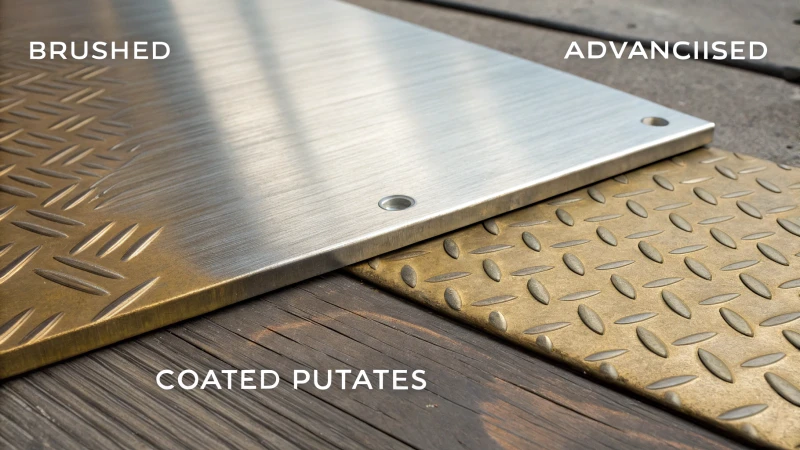
One of the primary benefits of advanced surface treatments is enhanced corrosion resistance. Techniques such as anodizing and powder coating9 create protective layers that prevent oxidation and extend the lifespan of materials, especially metals used in harsh environments like marine or industrial settings.
| Surface Treatment | Corrosion Resistance | Application |
|---|---|---|
| Anodizing | High | Aerospace |
| Powder Coating | Medium | Automotive |
Aesthetic Improvements
Advanced surface treatments can significantly enhance the visual appeal of products. By using methods like electroplating and sputter coating10, manufacturers can offer a wide range of colors and finishes. This flexibility is crucial for industries like consumer electronics, where appearance is a key selling point.
Mechanical Property Enhancement
Surface treatments also play a crucial role in enhancing mechanical properties. Hard coatings, for example, increase wear resistance, which is vital for components subjected to high stress or friction. This improvement is especially beneficial for machinery and tool manufacturing11.
Application Versatility
The versatility of modern surface treatments allows for customization based on specific requirements. Industries can choose treatments that align with their functional needs, whether it’s to improve adhesion properties or to enhance thermal conductivity.
Example: In the construction industry, architectural anodizing12 provides not only corrosion resistance but also a durable aesthetic finish that withstands harsh weather conditions.
Technological Integration
The integration of technology in surface treatment processes has further expanded their capabilities. Computer-controlled systems ensure precision and consistency, leading to high-quality finishes with minimal defects. Innovations in laser treatment technology13 enable precise control over surface modifications, making them suitable for delicate applications such as medical implants.
By incorporating these advanced techniques, industries can significantly improve product performance and longevity while meeting specific design requirements efficiently. These innovations are paving the way for more sustainable and cost-effective manufacturing practices across various sectors.
Anodizing improves corrosion resistance in aerospace.True
Anodizing creates a protective oxide layer, enhancing corrosion resistance.
Electroplating reduces the mechanical strength of materials.False
Electroplating enhances appearance and can improve wear resistance, not reduce strength.
How Do Deep Processing Technologies Meet Diverse Industry Needs?
Deep processing technologies are transforming industries by catering to diverse needs, enhancing efficiency, and enabling customization. Discover how these advancements are reshaping manufacturing landscapes worldwide.
Deep processing technologies meet diverse industry needs by providing advanced machining, fabrication, and joining techniques. These technologies enable customization, enhance precision, and improve efficiency across sectors like construction, automotive, and electronics.
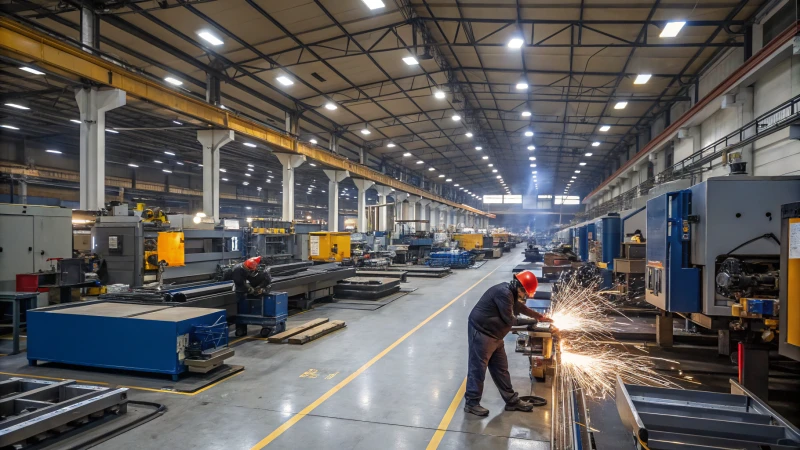
Advanced Machining and Fabrication Techniques
Deep processing technologies have significantly enhanced machining and fabrication capabilities. These advancements allow industries to produce complex components with tight tolerances and superior finishes. For example, modern CNC machining14 enables manufacturers to precisely control dimensions, resulting in improved fit and function in applications ranging from aerospace to consumer electronics.
Additionally, laser cutting15 provides clean, accurate cuts for intricate designs, making it a preferred choice in industries where precision is paramount.
| Industry | Application |
|---|---|
| Aerospace | Precision components for aircraft |
| Automotive | Custom parts with tight tolerances |
| Consumer Goods | Detailed engravings on electronic cases |
Innovations in Joining Techniques
Joining technologies have evolved, allowing industries to create stronger and more reliable assemblies. Modern welding methods, such as friction stir welding16, provide robust connections for aluminum profiles used in transportation and construction.
Bonding advancements, like adhesive technologies, offer alternatives to mechanical fasteners, reducing weight and enhancing design flexibility. These innovations are crucial for sectors prioritizing lightweight and high-strength materials.
Customization Options for Diverse Needs
The ability to customize products is a key advantage of deep processing technologies. Industries can tailor solutions by adjusting alloy compositions or surface treatments. For instance, in the automotive industry, custom alloy blends17 are used to enhance performance while meeting specific customer requirements.
Furthermore, surface treatments such as anodizing provide not only aesthetic appeal but also corrosion resistance, which is critical in harsh environments. This adaptability ensures industries can meet the unique demands of their markets while maintaining quality and efficiency.
These technologies highlight the shift towards more adaptive manufacturing processes that cater to diverse needs across various sectors.
CNC machining enhances precision in aerospace components.True
CNC machining allows precise control of dimensions, improving fit and function.
Friction stir welding weakens aluminum profiles in construction.False
Friction stir welding strengthens connections, enhancing reliability in construction.
Conclusion
Aluminum processing has evolved from manual methods to advanced automated techniques, enhancing precision, efficiency, and product quality through technologies like CNC systems and intelligent automation.
-
Discover how historical manual skills influenced aluminum processing techniques. ↩
-
Learn how modern processing reduces environmental impact. ↩
-
Understand how technology drives innovation in aluminum manufacturing. ↩
-
Learn how AI enables real-time adjustments, improving process efficiency and reducing downtime. ↩
-
Explore how robotics enhances productivity in material handling tasks. ↩
-
Discover how automation ensures consistent product quality through advanced inspection techniques. ↩
-
Find out how automation allows for rapid design changes to meet client specifications. ↩
-
Read about successful implementations of automation technologies in the aluminum industry. ↩
-
Anodizing and powder coating enhance durability and aesthetic appeal by providing a protective layer against corrosion. ↩
-
Electroplating and sputter coating offer diverse color options and finishes, improving product aesthetics and marketability. ↩
-
Surface treatments enhance wear resistance in machinery, reducing maintenance costs and extending component life. ↩
-
Architectural anodizing combines durability with aesthetic appeal for construction projects exposed to weather elements. ↩
-
Laser treatment technology allows precise surface modifications for delicate applications like medical implants. ↩
-
Discover how modern CNC machining offers precision and versatility in manufacturing across various industries. ↩
-
Explore the precision and efficiency that laser cutting brings to complex industrial applications. ↩
-
Learn about the strength and reliability that friction stir welding provides in metal joining processes. ↩
-
Find out how custom alloy blends enhance vehicle performance and meet specific design criteria. ↩