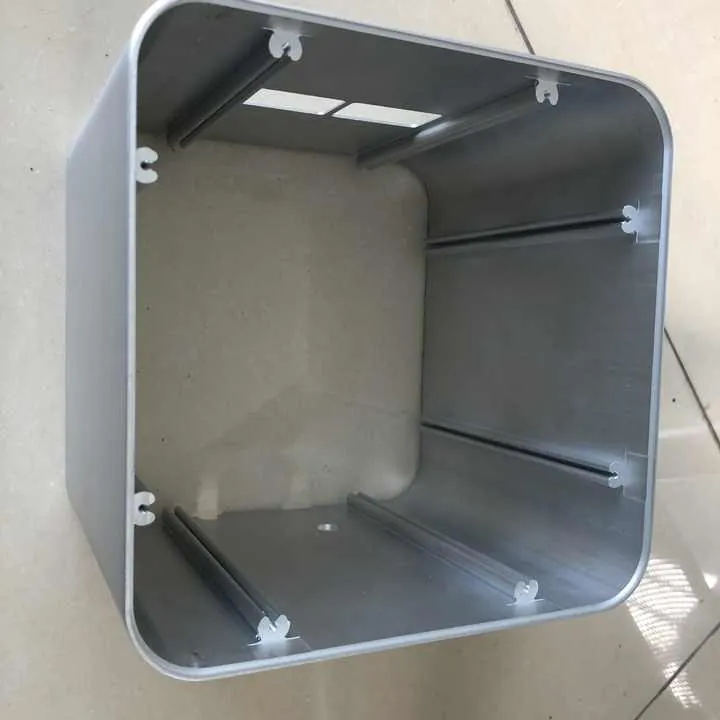
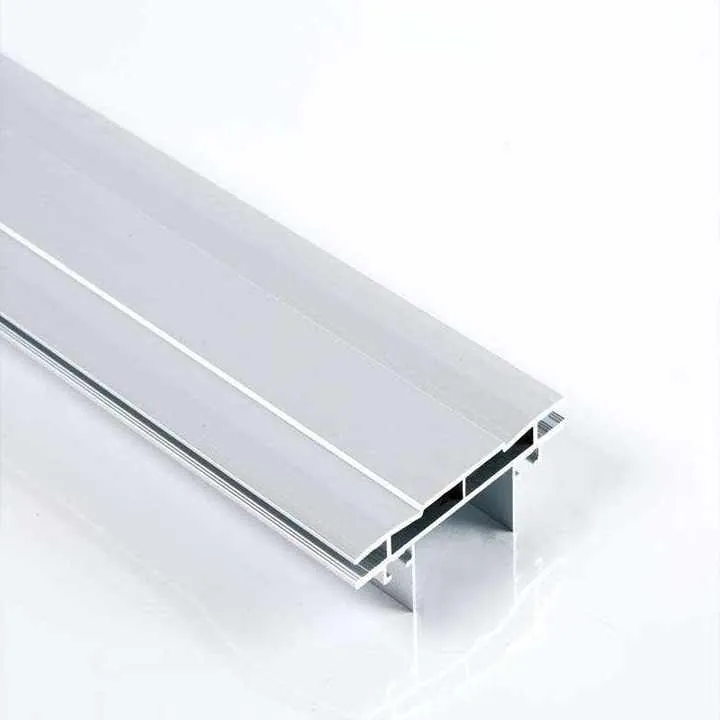
Where can I buy 80/20 aluminum extrusion profiles?

Have you ever felt frustrated trying to source the right aluminum extrusion for your project—only to hit dead‑ends and shipping surprises?
You can buy high‑quality T‑slot aluminum extrusions (like the 80/20 style) from industrial distributors, online retailers, and direct from the manufacturer.
Now let’s dig into how and where you can buy them, what specs to compare, how shipping works, and whether bulk orders really save you money.
What stores carry 80/20 extrusion products?
Imagine walking into a store and finding all the framing pieces you need—no waiting and no extra hassle.
Industrial supply companies, online retailers and the original manufacturer of the extrusion all carry the product lines (and sometimes cut‑to‑length service).

When I first started ordering for our manufacturing line, I searched for where to buy the popular brand of T‑slot aluminum framing (commonly referred to as “80/20” though that’s also a company name). The company and their full line is sold directly from their website. For example their official site says: “Start Shopping … A large selection of framing including T‑Slot aluminum, steel pipe, …” and you can find full catalogues.
Beyond the manufacturer, many distributors and industrial supply houses carry the same profiles, such as automation supply vendors. One site says they offer live inventory and “orders ship same day Monday‑Friday before 3pm PT” for the “80/20 extrusions.” Even general e‑commerce sites list extrusions: a reddit post noted that Amazon, Grainger, Fastenal all carry T‑slot aluminum extrusions.
Here’s a simple comparison table you might keep in mind:
| Type of Store | Eelised | Things to Check |
|---|---|---|
| Manufacturer’s website | Full catalog, direct support, custom options | Lead time, shipping cost |
| Specialized industrial distributor | Good stock, faster shipping, parts/accessories bundled | Length cut‑to‑size availability, minimums |
| General industrial supply / e‑commerce | Easy checkout, familiarity, maybe lower price for standard lengths | Shipping cost for long pieces, less customisation |
In my experience the best bet was to go with the manufacturer for custom sizes or large volumes, and with a local distributor for smaller runs or standard sizes. If you need specific lengths, it’s wise to call ahead and confirm cut‑to‑length availability and shipping logistics.
Industrial supply distributors carry 80/20 extrusion profiles from stock.Tõsi
Distributors such as the site in the search result offer live inventory and same‑day shipping for 80/20 extrusions.
Only the manufacturer sells 80/20 extrusion profiles; distributors cannot.Vale
Various distributors list and ship 80/20 extrusion profiles, not only the manufacturer.
Why compare 80/20 profile specs?
If you skip checking the specs you may end up with a piece that is too weak, too small, or incompatible with your system—painful surprise.
Comparing the profile size, slot pattern, material grade and finish ensures you pick the right extrusion for strength, fit and surface requirement.
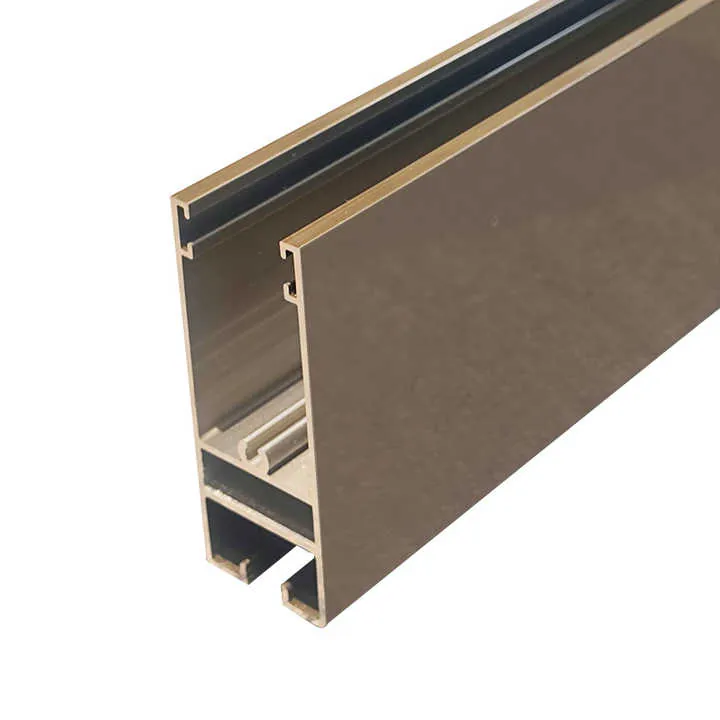
When I first ordered for an industrial automation project I realised there are several key specs you must compare. First, there is the series size (for example 10‑Series, 15‑Series) which determines the cross‑section dimension and slot size. The model name of the extrusion from the manufacturer (e.g., 1010, 1020, 1515) reflects that. For instance the product 80/20 1010‑S indicates a 1 in × 1 in size. The mechanical strength, compatibility with fasteners, and slot accessories depend on that.
Material grade is another important spec. Some extrusions are made with aluminium alloy like 6063‑T5 or 6061‑T6. The surface treatment also matters: clear anodize, black anodize, powder coat, wood‑grain finish, etc. If you don’t check finish you may get a raw extrusion when you need a coated one.
Slot pattern and number of open T‑slots per side matters: some profiles have four open slots, some six; the accessories you use (brackets, connectors) may require matching slot width and shape.
Length cut, tolerances, flatness, and delivery condition also vary. If you buy long bars (e.g., 97 inch, 6 ft) shipping cost goes up; if the extrusions are bent or warped you’ll struggle during assembly.
Here’s a spec‑comparison table you could keep:
| Spec | Miks see on oluline | Mida otsida |
|---|---|---|
| Cross‑section size series | Strength and compatibility | 10‑Series vs 15‑Series vs 20‑Series |
| Slot count & geometry | Fastener compatibility | 4‑open vs 6‑open etc |
| Sulam ja karastamine | Structural properties | 6061‑T6 stronger than 6063‑T5 |
| Pinna viimistlus | Corrosion resistance, aesthetics | Clear anodize, black, powder coat |
| Length & tolerance | Fit in your design, shipping cost | Pre‑cut, custom cut, straightness |
In my story I once ordered a 1 in × 1 in profile thinking it was fine, but because the slot size was smaller than the connector I had, I had to reorder a larger series—so comparing those specs ahead of purchase saves time and cost.
You should always compare the alloy grade when choosing aluminum extrusion profiles.Tõsi
The alloy grade (e.g., 6063‑T5 vs 6061‑T6) affects strength and suitability for the application.
Surface finish of the profile does not matter at all for structural framing.Vale
Surface finish affects corrosion resistance, aesthetics and sometimes tolerance or compatibility with accessories.
How does shipping work for 80/20 profiles?
Shipping long metal bars can be tricky—excess cost, damage risk, and longer transit time can all bite you.
Shipping of T‑slot aluminum extrusions often includes considerations of length, weight, packaging protection, freight vs parcel service and minimum order thresholds.
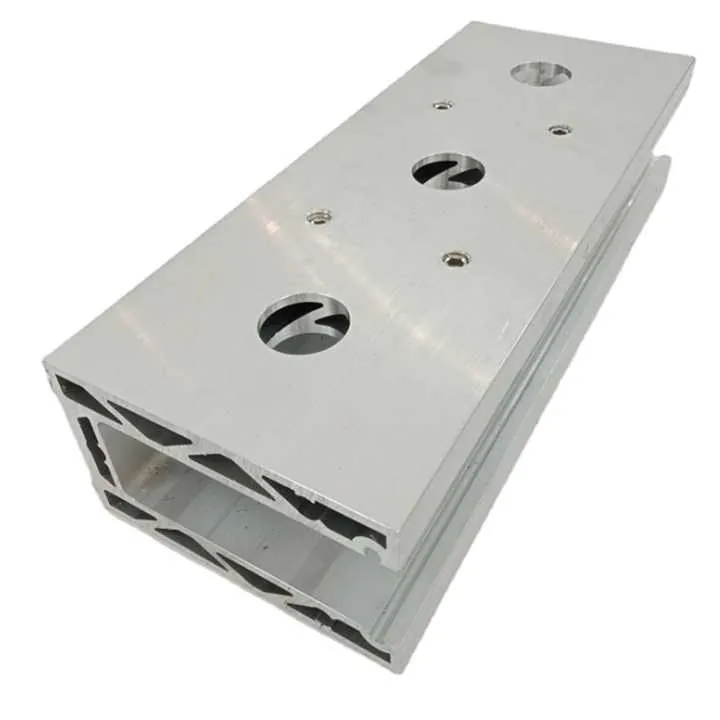
When I arranged logistics for our factory purchase, I learned several shipping aspects you should ask about. First is the length of the extrusions. Long bars (for example 72 inches, 97 inches) cost more to ship, because they exceed standard parcel dimensions and may require freight shipments or special handling.
Packaging and shipping protection is also important: aluminum bars can easily get bent during shipping, which affects straightness and assembly. You want to confirm whether the seller uses angle guards, corner protectors, and whether they guarantee straight delivery.
Delivery zones matter: if you’re ordering from China, you’ll want to know whether the vendor exports, what the incoterms are (FOB, CIF, etc), and what customs or local duties apply. Also lead time is part of shipping: if the bar is cut custom, it may add days or weeks.
Carriers vary: For smaller sizes they may ship via UPS/FedEx; for large lengths they may use LTL freight. Freight often requires lift‑gate, pallet, and may incur “inside delivery” charges if it needs to go beyond curbside.
Here’s a checklist:
- Confirm max standard length shipping (e.g., 6 ft, 10 ft).
- Ask for flatness/straightness guarantee.
- Ask about cut‑to‑length services and whether shipping cost is included.
- Ask for freight terms if many or large bars.
- Ask about lead time for custom lengths.
- Verify export/shipping if you’re outside domestic region.
Longer extrusion bars typically cost more to ship than shorter ones.Tõsi
Because size, weight and freight class increase shipping cost for longer bars.
Shipping cost is always negligible for aluminum extrusion bars.Vale
Shipping cost can be significant for long lengths, large orders, and when freight rather than parcel carriers are needed.
Can bulk 80/20 orders lower pricing?
Nobody likes paying full list price when they could pay less. Bulk ordering might give you that savings—if you plan it right.
Yes—ordering larger volumes, full bars, or pallet‑loads of profiles often results in lower per‑unit pricing, better shipping terms and sometimes cutting/packaging discounts.
From my experience in sourcing for large clients, bulk purchases can significantly lower cost—but you still need to negotiate and plan smartly. Here are the factors that influence whether bulk ordering pays off:
Volume discounts
Manufacturers and distributors often have pricing tiers. For example if you buy 100 pieces versus 10 pieces, you may get a discount.
Full‑bar vs cut‑bar
Ordering full‑length stock (e.g., 96 inches) may cost less per foot compared with custom cut lengths. If you order multiple bars and then cut them yourself or at your factory, you’ll save.
Minimum order quantity (MOQ) and order lead time
Distributors may impose MOQs for cheaper pricing. If you can commit to a certain MOQ you may negotiate better terms.
Shipping consolidation
When you place a larger order, you may be able to use pallet shipping, negotiate better freight terms or reduce per‑unit shipping cost.
Packaging and machining in‑house
If you commit to bulk order and handle in‑house cutting or machining, you can choose a supplier who offers raw stock and do the value add yourself.
Risk and inventory cost
On the flip side, bulk orders may tie up capital in inventory, carry risk of changes in spec, changes in project demand, or storage/handling costs.
Here’s a mini decision table:
| Küsimus | If answer is “Yes” | If answer is “No” |
|---|---|---|
| Do I use many bars per project? | Bulk order likely worth it | Smaller lots better |
| Do I have storage space? | Yes → bulk works | No → avoid excess inventory |
| Can I commit to standard lengths? | Yes → lowest price | No → custom cuts raise cost |
| Will shipping cost drop per unit? | Yes → use freight / pallet | No → many small parcel shipments may cost more |
Ordering full‑bar stock in volume can reduce the per‑unit cost of aluminum extrusions.Tõsi
Larger volume and longer standard lengths reduce handling cost, cutting cost and shipping cost per unit.
Bulk ordering always means no risk of excess inventory.Vale
Bulk orders can tie up capital, risk spec changes or storage/handling costs.
Kokkuvõte
In summary, you can buy T‑slot aluminum extrusions like 80/20 from manufacturer, industrial distributors or online storefronts. You should always compare size, slot geometry, alloy grade and finish specs. Shipping for long bars can increase cost and risk, so plan logistics carefully. And yes—if you’re ordering in volume, bulk purchases can reduce cost, but only if you have the storage, demand and logistics to support it.