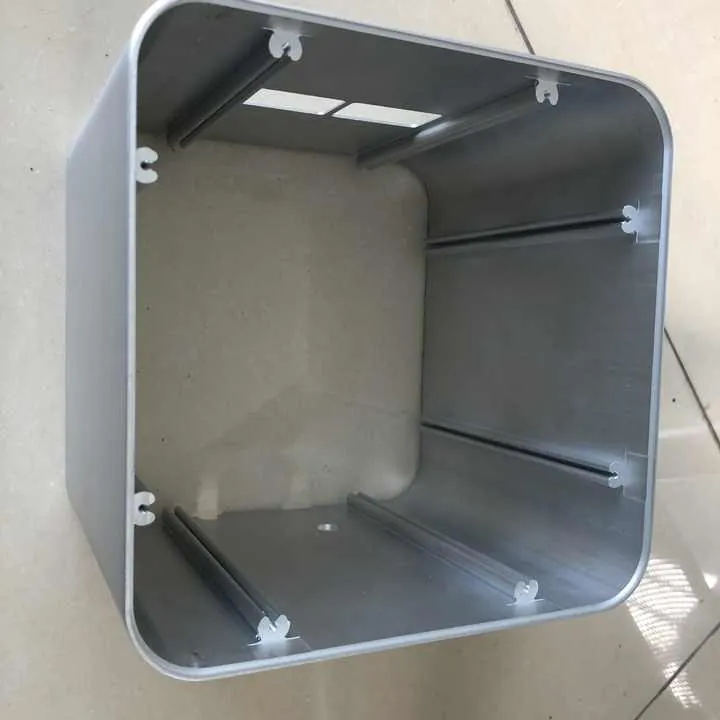
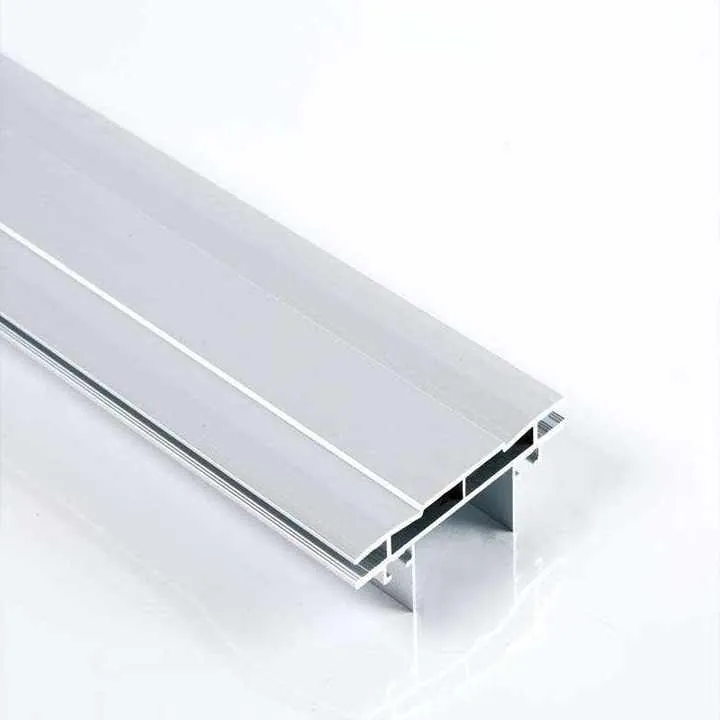
Mis teeb alumiiniumist ekstrusiooni?

Aluminum extrusion seems simple from the outside. Yet many wonder why raw aluminum turns into complex shapes. Mistakes in understanding cause wasted money and wrong parts.
Aluminum extrusion is a process where heated aluminum billet is forced through a shaped die under high pressure. This process makes profiles with consistent cross‑sections and enables a wide range of shapes, sizes, and uses.
Read on to learn how extrusion really works, where metal flows in the press, and how finishing can improve the final part.
What defines extrusion production?
Extrusion begins long before the metal touches the press. If the billet is wrong or the die is off, extrusion fails. Good prep sets the stage for success.
Extrusion production is defined by billet prep, heating, die design, press setup, and controlled flow under pressure — all tuned to alloy type, profile shape, and final use.
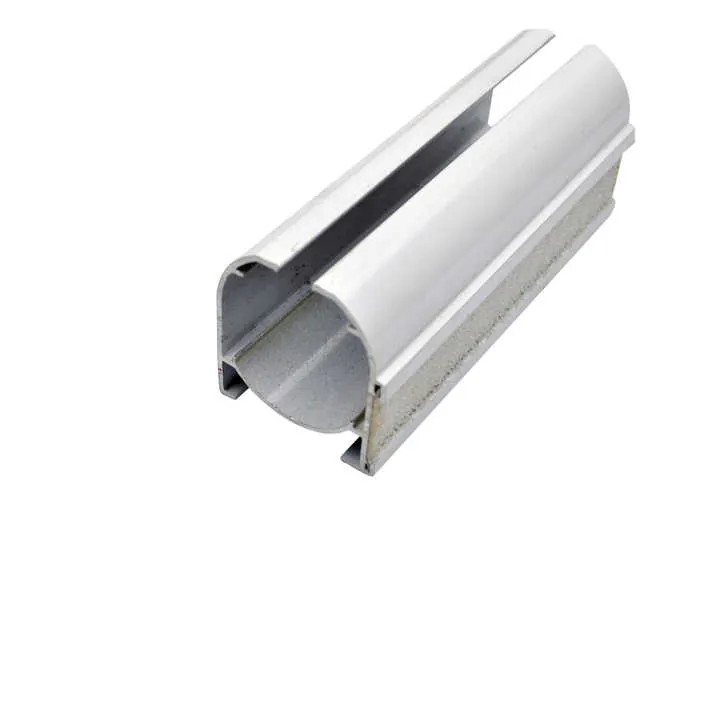
Extrusion is more than pushing metal. The first step is selecting the right aluminum alloy. Common alloys like 6063 or 6061 behave differently under heat and pressure. The billet must start clean, with correct composition. Impure or wrong alloy may split or deform.
Next is heating. The billet must reach the correct temperature — usually around 400–500°C. If too cold, metal cracks. If too hot, metal becomes too soft and surface may spoil. Heating must be uniform. Poor heating yields weak or uneven extrusion.
Then comes die design. The die defines the shape. Good die has smooth entry curves, gradual transitions, and balanced wall thickness. If die is poorly designed, metal flow will be uneven, causing defects such as warping, surface marks, or weak spots.
Press setup matters. Press must align billet, die, and container precisely. Ram speed, pressure ramp‑up, and lubrication need calibration. Lubricant or high‑quality coating helps metal flow, reduces friction, and avoids sticking.
Finally flow control. As metal flows through die, speed and pressure must stay within safe range. Too fast can cause turbulence and cracking. Too slow may cool metal inside die and cause poor flow. Temperature drop inside die often causes hardness or uneven surface.
The combination of alloy choice, billet quality, die design, heating, lubrication, and flow control defines the extrusion production. This set of conditions ensures the output has correct shape, good mechanical properties and an acceptable finish.
Key production stages and their role
| Etapp | Eesmärk | Risk if not done right |
|---|---|---|
| Alloy & billet prep | Ensure correct composition and purity | Cracks, impurities, weak strength |
| Küte | Make metal soft and flowable | Breakage if cold, surface damage if hot |
| Kujundusmeetodid | Define shape and flow path | Distortion, uneven thickness, defects |
| Press setup & ram | Apply pressure and control flow | Mis‑alignment, poor flow, scrap parts |
| Lubrication & control | Smooth flow, reduce friction, control temperature | Sticking, rough surface, strength loss |
The quality of the die design strongly influences both shape precision and surface finish of extruded aluminum.Tõsi
Die geometry guides metal flow and wall thickness consistency, which affects final precision and surface quality.
Using any aluminum alloy will produce similar extrusion results without adjusting heating or pressure.Vale
Different alloys have different flow characteristics, so heating and pressure must be adjusted for the alloy used.
Why pressure forces metal flow?
When metal flows through a die, pressure and heat work together. Without correct pressure, metal refuses to shape. Without enough heat, pressure alone will crack metal.
Pressure on heated aluminum forces it through the die. Pressure intensity, die opening, and friction determine how smoothly metal flows and how good the final profile will be.
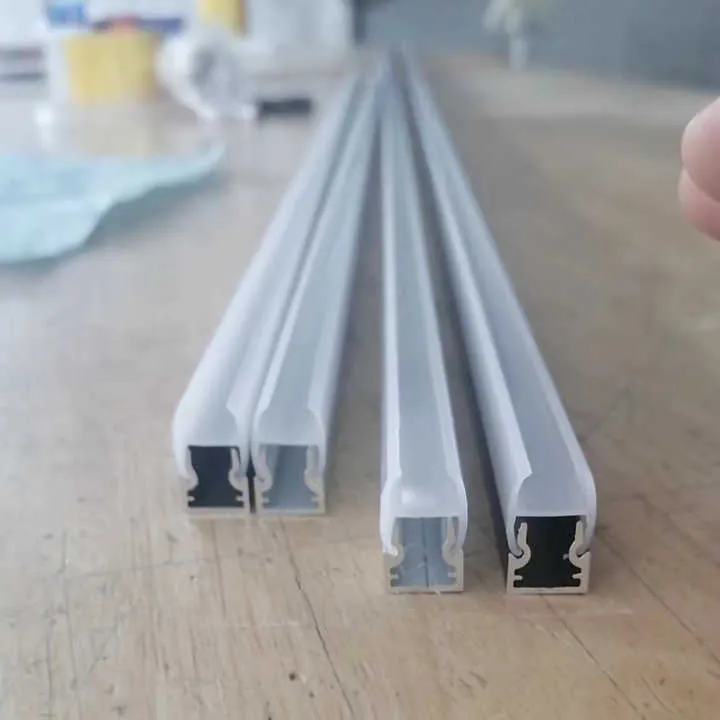
Metal does not flow on its own once solid. In extrusion, aluminum billet is heated to make it soft but still solid. Then the press pushes a ram against the billet. The ram applies very high pressure — sometimes thousands of tons depending on billet size and alloy. This pressure squeezes the heated metal and forces it to yield. The die opening, which has the cross‑section shape of the final profile, provides the path for flow.
The flow begins at the billet front, where pressure builds up. As metal yields, it starts to flow into the die opening. Friction at container walls and die entry resists flow, so lubricant or coating helps reduce friction. Without lubrication, pressure must increase, which risks tearing or cracking metal.
Die opening size matters. Smaller die openings or more complex shapes need higher pressure. For profiles with thick walls or tight corners, higher pressure ensures full metal filling. Low pressure may lead to incomplete fill, voids or weak spots.
Also metal flow must be steady. Sudden changes — like jerky ram movement or pressure spikes — may cause turbulence inside the metal. That turbulence leads to defects: swirl marks, cracks, uneven grain, or warping.
Temperature is part of the equation. Heated metal must stay hot while being pressed. If die or container is cold, metal cools too fast at the surface. The surface may harden, resist flow, or crack. So temperature control during flow is important.
Thus pressure is not just force — it is part of a controlled system with heat, friction, die design and speed. Only correct pressure, aligned with other variables, creates a clean, strong extrusion.
How pressure, die, and flow interact
| Tegur | Effect on Metal Flow |
|---|---|
| Kõrgem surve | Better fill of complex shapes; risk of die damage if too high |
| Määrimine / katmine | Smooth flow, less friction, cleaner surface |
| Controlled ram speed | Stable flow, fewer defects |
| Heating and temperature control | Soft metal, even flow, proper crystallization |
High pressure alone can ensure good extrusion even if lubrication is poor.Vale
Without lubrication or coating, friction rises. Pressure alone may cause metal tearing or surface damage.
For complex shapes, higher pressure is often needed to force metal through tight die openings.Tõsi
Tighter or complicated die openings increase resistance. Higher pressure helps metal fully flow into all cavities.
Where extrusion occurs inside the press?
Many imagine extrusion happens at the die exit. In truth the container, billet location, ram, and die work together deep inside the press. Understanding press internals helps see where deformation begins and finishes.
Inside the extrusion press, the billet sits in a heated container and a ram pushes it. Metal flow starts where ram meets billet and finishes after it exits die. This controlled flow path defines how shapes are formed.

The extrusion press has several main parts: the container, the billet chamber, the ram (or pusher), the die at the front, and sometimes a dummy block or dummy cap behind the billet. The billet rests inside the heated container. The container keeps billet heated and aligns it. Behind billet sits the ram (or dummy block then ram) that pushes metal forward. At the front is the die — a steel block with a shaped hole matching the desired profile.
When extrusion starts, the ram moves forward, pushing the billet metal. Pressure builds, and metal begins to yield inside the container. At first the metal begins to deform in the region right under the ram head. That is where flow begins. As pressure continues, metal flows forward, pressed against container walls, sliding until it reaches the die entrance.
Inside the die entrance, metal flow becomes constrained. Walls of the die force the metal to deform and adopt the die shape. The geometry inside container and die core helps guide flow. Metal must fold and flow from a circular billet shape into the complex cross‑section profile.
The actual change from billet cylinder to part shape happens inside the die. But the flow path — from billet front to die exit — is continuous. Press conditions inside container (heat, lubrication, pressure) strongly affect final quality. If container walls are too cold or mis‑lubricated, friction or uneven heating may cause surface defects or internal stress.
Once metal exits die, the profile enters a run‑out table or cooling station. The part must remain straight, so exit speed, cooling, and support must be correct. Warping or bending here ruins geometry.
Extrusion press components and their role
| Press Part | Rolli |
|---|---|
| Konteiner | Hold and heat billet, guide metal flow |
| Ram / Dummy | Push billet, build pressure, force flow |
| Die | Define shape, control final cross‑section |
| Lubrication layer | Reduce friction, ease metal sliding |
| Run‑out table / Cooling line | Guide profile after exit, cool and straighten |
The shape transformation from billet to profile happens entirely inside the die, not in the container.Tõsi
Container heats and holds billet; die forces the shape change to occur as metal is squeezed through the die opening.
Once metal leaves the die, it can still deform and change cross‑section under pressure.Vale
After die exit, pressure is gone. The shape is fixed; only bending or warping from cooling can change it, not cross‑section under pressure.
Can post-processing enhance finish?
Extruded aluminum is usable right after exit. Yet many projects need smoother surfaces, better corrosion resistance, or specific look. Post‑processing can make a big difference.
Post‑processing such as anodizing, painting, CNC trimming, or heat treatment can increase strength, improve surface finish, and add durability — often essential for final use.

After extrusion, the raw profile — often called mill‑finish — may have minor surface marks, oxide scale, or rough edges. For many industrial or consumer applications, this is enough. But when the part appears in visible architecture, machinery, or products, post‑processing becomes important.
Common post‑process steps include:
- Anodeerimine — This electro‑chemical process builds a protective aluminum oxide layer. It improves corrosion resistance and allows coloring. For outdoor or architectural parts, anodizing prevents corrosion and gives clean look.
- Powder coating or painting — Adds color and extra protection. Helps resist weather, wear, and improves aesthetics. Good for frames, panels, and visible parts.
- CNC machining / drilling / tapping — Custom holes, slots or detailed geometry often needed after extrusion. That custom work ensures profiles meet exact design.
- Cutting and trimming — Extrusion yields long lengths. Cutting to exact length and deburring ends improves safety and fit.
- Kuumtöötlus — For some alloys, aging or thermal treatment increases strength and hardness. Important for structural or mechanical parts.
These steps add cost and time. They must be planned early. When design allows, using extruded parts directly saves money and time.
Benefits and trade‑offs of post‑processing
| Protsess | Kasu | Trade‑off / Cost |
|---|---|---|
| Anodeerimine | Corrosion resistance, clean surface, color options | Extra cost, processing time, small thickness change |
| Pulbriga katmine | Color, weather/wear resistance | Thicker coating, added cost |
| CNC-töötlemine | Accurate holes, custom shapes | Setup time, scrap cost, extra per‑part cost |
| Kuumtöötlus | Improved strength, better mechanical properties | Requires correct alloy, adds cost |
Post‑processing improves final quality. Good finish and protection extend part life. Custom machining ensures parts fit in assemblies. Heat treatment ensures parts handle load. For many applications, extrusion alone is not enough.
However, cost and lead time rise. For large orders, finishing may add 20–40% cost. For small orders, finishing costs more per part due to setup fees.
Also, extra processes may affect tolerances. For example, anodizing slightly changes surface dimensions. Designers must allow tolerances for that. Painting adds thickness. Machining can remove material and introduce stress unless controlled.
Thus buyers should weigh function, appearance, durability, and cost when choosing post‑processing. In many cases, the extra value justifies the added cost.
Anodizing always improves corrosion resistance without affecting part tolerances.Vale
Anodizing adds thickness to surface and may slightly change dimensions; design tolerances must allow for that.
If a part is for outdoor use, anodizing or coating is often necessary to ensure long life.Tõsi
Aluminum oxide layer or coating protects the metal from oxidation and environmental damage, extending durability outdoors.
Kokkuvõte
Aluminum extrusion is the result of precise heating, controlled pressure, good die design, and correct flow in the press. What matters is temperature, pressure, lubrication, and setup. After extrusion, post‑processing can shape surface quality, strength, and durability. Knowing each step helps design better parts and avoid waste.