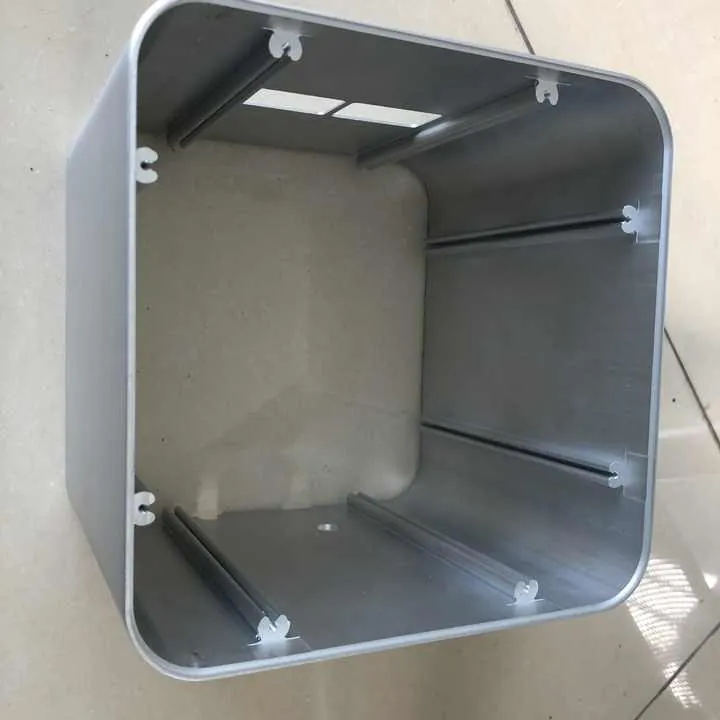
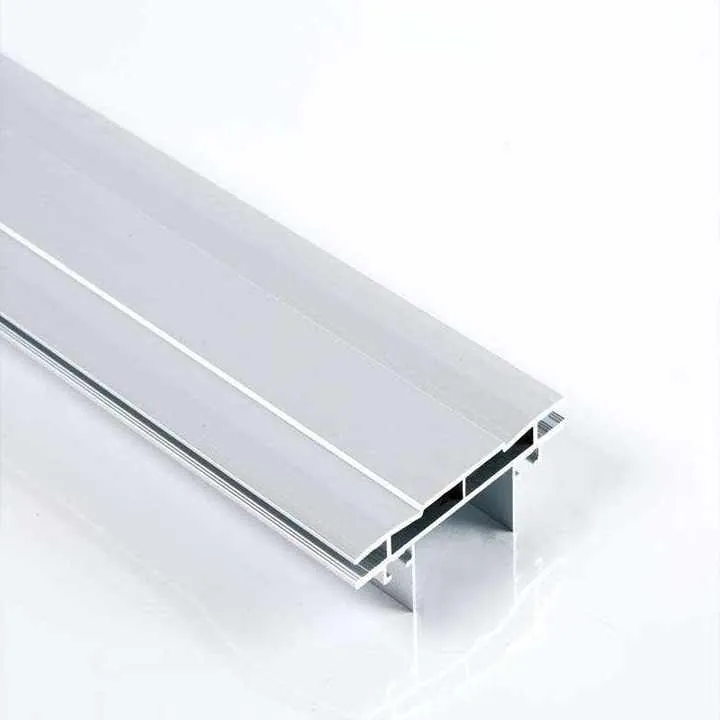
Milleks kasutatakse alumiiniumprofiile?

Aluminum extrusions are long profiles made by pushing heated aluminum alloy through a shaped die to create consistent cross‑sections. They serve as versatile building blocks for structural, industrial and outdoor applications.
How do extrusions support structural framing?
Imagine constructing a frame for a large machine, building façade, or structural module—and rather than welding heavy steel beams, you use lightweight extruded aluminum profiles that slot together. This is how extrusions support structural framing.
Extrusions support structural framing by delivering strong yet lightweight members, allowing integrated features (slots, channels, flanges) and enabling quick assembly or reconfiguration of structural systems.
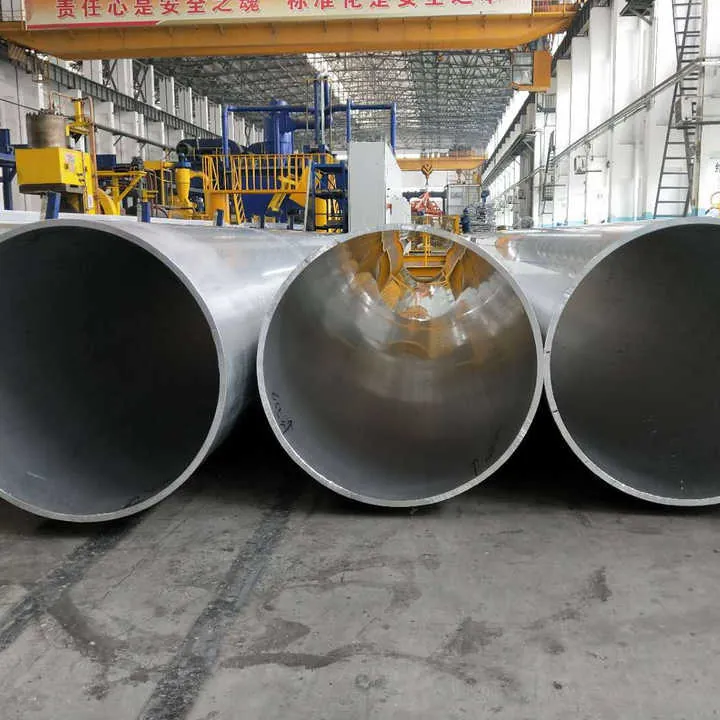
Key reasons they are effective for framing
- The strength‑to‑weight ratio of aluminum is high, so frames built from extrusions can carry loads while remaining lighter than steel equivalents.
- Profiles often include T‑slots, channels or built‑in grooves allowing bolts, brackets or panels to attach easily—no welding required.
- Framing systems made from extrusions can be assembled, adjusted and extended.
- In structural architecture, anodized extruded aluminum has been used to build screen walls, planter modules and outdoor enclosures, showing durability and finish quality in structural usage.
What this means for your business
Since you supply aluminum extrusions in a B2B model for large projects (e.g., building‑construction, solar frames, industrial use), presenting them as structural components gives your customers confidence. Emphasize that you are supplying profiles ready for framing systems—less welding, fewer heavy components, easier installation.
T‑slot aluminum extrusions are well suited for structural framing because they reduce the need for welding and simplify assembly.Tõsi
One of the documented advantages of T‑slot aluminum framing is easier assembly and modular design.
Extruded aluminum profiles are rarely used in structural framing because they can’t carry significant loads.Vale
In reality, extruded aluminum profiles are widely used in structural framing due to their favorable strength‑to‑weight ratio and modular features.
Why are extrusions ideal for automation lines?
In modern automated manufacturing, adaptability, modularity and speed are key. Extruded aluminum profiles fit these requirements and are therefore ideal in automation environments.
Extrusions are ideal for automation lines because they provide modular structural framing, easy mounting of sensors/actuators, quick reconfiguration of conveyor or robotic cells, and durable, lightweight support systems.

How they benefit automation
- Automation requires structures like workstations, protective guards, conveyor supports, robotic bases. Using extruded aluminum allows these to be built with T‑slot profiles, fasteners and accessories rather than custom welded frames.
- Reconfiguration is common in automation: changeover between products, addition of modules, relocation of lines. Extruded profiles support this because of slide‑in connectors, adjustable holes, and reusable components.
- Extruded aluminum is lightweight, reducing the burden on mobile robotics, conveyor lifts and adjustable systems, and enables easier installation and maintenance.
- Because many automation environments demand clean‑design, corrosion resistance and modular assembly, aluminum extrusions (with anodize finishes) are a strong choice.
Implications for your clients
Since many of your target customers are machinery manufacturers, precision part makers, and automation factories—you can position your extrusions not just as raw material, but as “building blocks for automation systems.” Showcase how your profiles integrate into machine frames, conveyors, safety enclosures, modular workstations. Highlight nearby markets: robotics, material handling, packaging.
Using extruded aluminum profiles in automation lines enables faster installation and easier reconfiguration than welded steel frames.Tõsi
The modular nature, ease of assembly and adjustment of aluminum extrusions support faster and more flexible setups.
Extruded aluminum profiles are unsuitable for automation because they can’t support loads of conveyor systems.Vale
In fact, many automation systems use extruded aluminum for structural support, conveyor stands and machine frameworks.
Where are extrusion profiles applied outdoors?
Extruded aluminum is well suited for outdoor use—thanks to corrosion resistance, durability and ability to be finished—and finds many applications in outdoor structures and systems.
Extrusion profiles are applied outdoors in façade systems, solar mounting frames, outdoor equipment enclosures, structural supports in marine or resort environments, outdoor furniture/fixtures, and more.

Outdoor use cases
- Architectural façade frames, screen walls, cladding supports: extruded profiles are used in outdoor screen walls and planter modules.
- Solar panel mounting and track systems: extrusions are widely accepted in solar framing due to length, corrosion resistance and custom shapes.
- Outdoor equipment enclosures such as poolside cabinets, weatherproof stations, shade structures.
- Outdoor railings, guardrails, deck supports: aluminum extrusions provide finishes that resist weather, reduce maintenance, and deliver aesthetics.
Why this matters for your product offering
Since your company offers finishing options (oxidation/anodize, spray, wood‑grain) and serves global markets (including outdoor use in Middle East, Africa, etc.), you can highlight outdoor‑ready credentials: corrosion resistance, finish durability, structural capability in outdoor environment. Your customers in construction, solar, infrastructure will value that.
Extruded aluminum profiles are unsuitable for outdoor use because they corrode quickly.Vale
Aluminum forms a protective oxide layer, and when anodised or powder coated, extrusions offer excellent outdoor durability.
Extruded aluminum profiles are commonly used in outdoor structural systems and equipment enclosures.Tõsi
Examples of outdoor architecture, solar frames and weather‑resistant enclosures use extruded aluminum profiles.
Can extrusions enhance product modularity?
Yes—one of the biggest advantages of extruded aluminum profiles is their facilitation of modular design. For businesses requiring flexibility, scalability and customization, extrusions play a central role.
Extrusions enhance product modularity because they allow interchangeable components, slot‑in features, standardised profiles with accessories, easy reconfiguration and scalable systems.
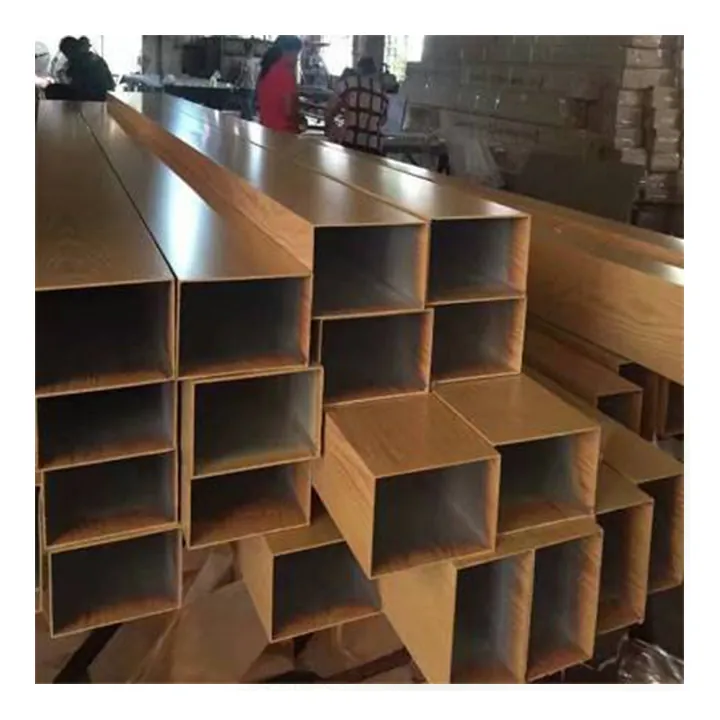
How modularity is achieved
- T‑slot profiles enable fasteners to slide in and mount components anywhere along the length, offering flexibility for connectors, panels, sensors and accessories.
- Modular frame kits built from extrusions can be adjusted or expanded; they support customization and reconfiguration as the product evolves.
- When product families change, or when customers want to scale production, extruded modules can be reused or repurposed which reduces waste and cost.
- Because the profiles are long and continuous, you can cut to multiple lengths, build modular units, then combine them—this supports mass customization.
Strategic value for your clients
Since your target clients include machine builders, assembly line integrators, construction firms and parts fabricators, emphasize that extruded aluminum delivers modularity: frames that evolve as production changes, structural elements that adapt, joinery that is reusable. That helps your clients reduce lead time, adapt to new product lines, and manage cost. You can position your offering not just as “custom extruded profile”, but as “modular building system component”.
Aluminum extrusions support modular assembly by allowing components and accessories to attach via standard slots.Tõsi
One of the documented advantages of T‑slot aluminum profiles is the ability to mount components easily and adjust as needed.
Once an aluminum extrusion profile is manufactured it cannot be modified or reused in another configuration.Vale
Due to modularity and slot features, extruded profiles can often be reused, reconfigured or adjusted for new designs.
Kokkuvõte
Aluminum extrusions are used across structural framing, automation systems, outdoor installations and modular product systems. Their strength‑to‑weight ratio, modular design features, finish durability and flexibility make them ideal for your B2B supply into global markets. By framing your offering around these usage scenarios—with specific examples targeted at construction, automation and modular systems—you strengthen your value proposition and speak the language of your customers.