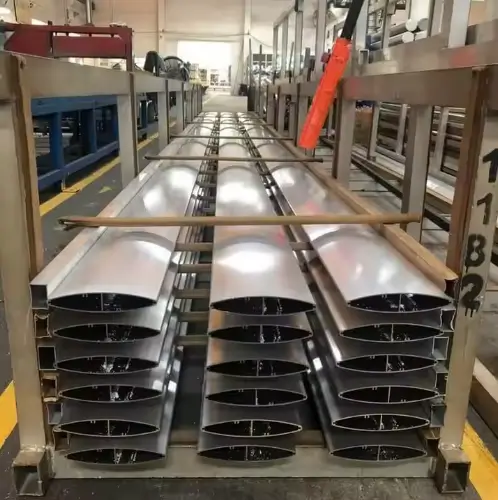
Kuidas lõigata alumiiniumprofiili?

When you struggle with jagged ends or mis-aligned frames from cutting aluminum extrusion, the problem isn’t just the material—it’s the method.
Cutting aluminum extrusion cleanly requires the right tool, correct speed, secure workholding, and proper fixturing.
I’ll walk you through the why and how of each key step.
What tools cut aluminum extrusion cleanly?
Imagine finishing an aluminum profile and still seeing burrs or uneven edges—frustrating, right?
The best tools for cutting aluminum extrusion are mitre or chop saws with carbide‑tipped, non‑ferrous metal blades, properly clamped and supported.

From my experience I’ve found that selecting the right tool makes the biggest difference between a clean, square, ready‑to‑assemble cut and a piece that requires extra filing or square‑checking. Here’s how I break it down:
Tool types and blade selection
- A mitre saw or chop saw is often recommended. It can easily cut at any angle and produce smooth, clean cuts.
- Use a blade designed for non‑ferrous metals (aluminum, brass, etc.). A carbide blade sharpened for aluminum usually provides burr-free results.
- Standard wood blades saab cut aluminum, but the finish and precision will suffer.
- Clamp the profile securely before cutting. Movement during cutting often leads to poor results.
Best practice tips
- Measure twice, mark once. Use a speed square for accuracy.
- Align the blade properly with the marked line.
- Let the saw cut slowly and smoothly—don’t force it.
- Deburr the cut edge to remove sharp corners or residue.
Why it matters for your business
When your product quality depends on precise aluminum parts, bad cuts can lead to misalignment, rework, and customer complaints. Using the right tools avoids these issues and builds trust with your clients.
Carbide-tipped blades designed for non-ferrous metals are ideal for cutting aluminum extrusion.Tõsi
These blades are specifically engineered for clean, burr-free cuts on aluminum.
You can skip clamping the extrusion if the saw is powerful enough.Vale
Clamping prevents movement and ensures safe, accurate cuts.
Why does cutting speed matter for extrusion?
Have you ever noticed that rushing the saw speed leads to chatter, rough edges or even melted aluminium bits?
Cutting speed for aluminum extrusion affects finish, burr formation, tool wear, and heat generation—slower, controlled feed gives cleaner results.
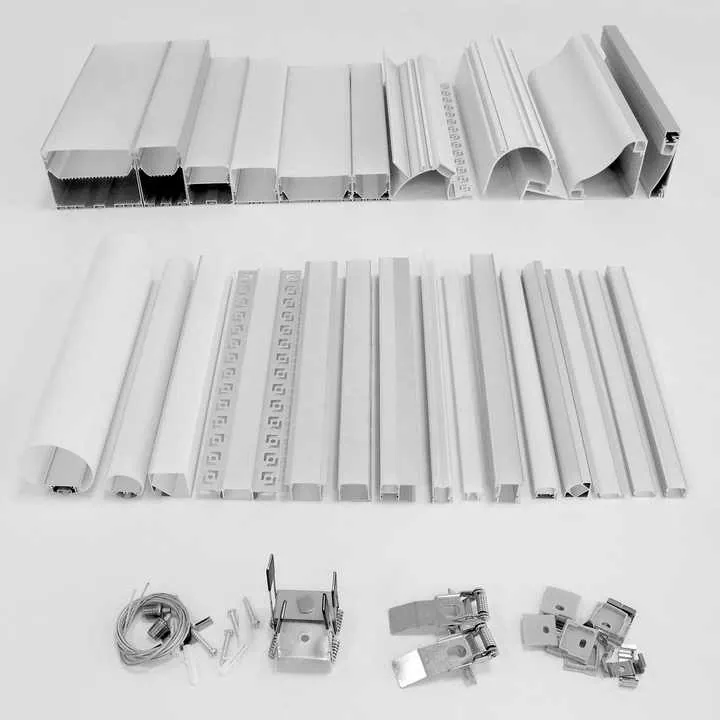
Cutting speed is often overlooked when people simply pick up a saw and “go for it”. However, when working with aluminum profiles—especially those with complex cross‑sections or thin walls—the speed and feed matter a lot for achieving consistent results.
What ‘cutting speed’ means here
In simple terms, “cutting speed” is how fast the blade moves through the material. Aluminum allows high speeds, but only with the right control and setup.
Why speed matters for aluminum extrusion
- Feeding too fast causes rough edges, heat, and tool damage.
- Too slow may reduce productivity but improves precision and finish.
- Improper speed can lead to melted edges or warped cuts.
- Stable feed reduces vibration and keeps the cut square.
Praktiline soovitus
- Use a blade with the right tooth count and hook angle.
- Don’t push the extrusion into the blade—apply consistent pressure.
- Use cold saws or automated saws for high-volume production.
- Check the cut edge for burrs or melting—signs of incorrect speed.
Implications for quality & cost
Controlling speed improves your process reliability. With fewer defects and smoother finishes, your products meet expectations. Clients save time in post-processing and trust your quality standards more.
Slower feed speeds can reduce burr formation during cutting.Tõsi
Controlled feed reduces heat and chatter, producing cleaner cuts.
Feeding aluminum too quickly helps achieve smoother cuts.Vale
Fast feeding leads to heat buildup, poor finish, and possible tool wear.
Where should aluminum extrusion be cut safely?
Cutting long aluminum profiles can be dangerous if the piece shifts, the blade binds, or chips fly into worse places.
Set up the cut in a well‑supported, securely clamped area with proper safety gear, dust/chip control and correct support for long lengths.
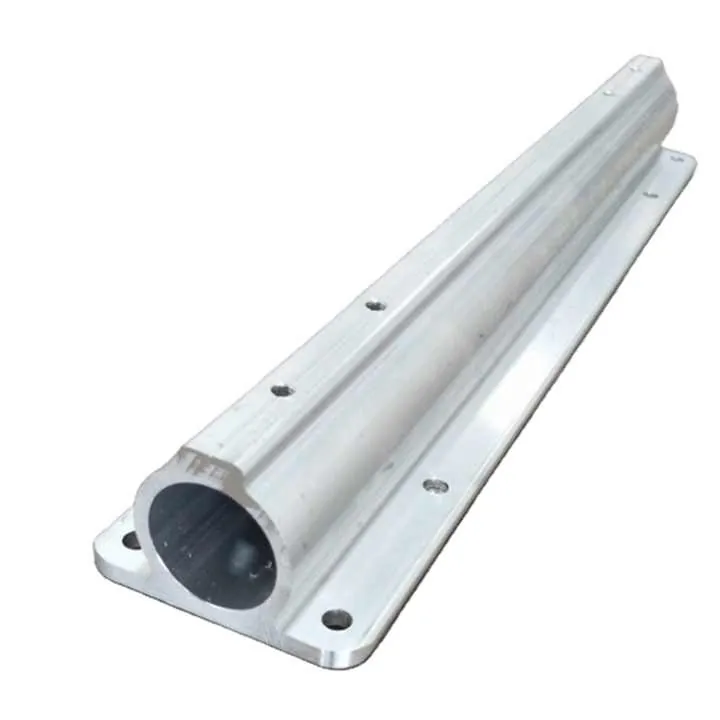
Safety and setup are often neglected when people focus only on tool and technique. But in an extrusion business environment, safe cutting practices protect your team, equipment and product quality.
Key safety & setup considerations
- Support both ends of long extrusions to prevent sagging or binding.
- Secure the piece using clamps or fixtures to avoid movement.
- Wear PPE: safety glasses, gloves, and ear protection.
- Use a dust extraction system or vacuum to manage aluminum chips.
- Separate aluminum cutting from steel to avoid cross-contamination.
Work area setup
| Safety Aspect | Parim praktika |
|---|---|
| Klammerdamine | Firmly secure extrusion before every cut |
| Workpiece support | Use roller stands or extension arms |
| Blade compatibility | Non-ferrous carbide blades only |
| Chip management | Vacuum or collection box to keep area clean |
| Area zoning | Designate aluminum-only cutting zones |
Miks see oluline on
Improper setup risks injuries, equipment damage, and poor cuts. For long profiles, a simple support mistake can waste expensive material or slow production. A well-organized safe cutting area ensures consistent results and protects your team.
Extrusions should be supported on both ends to prevent movement during cutting.Tõsi
Proper support ensures stability and improves cutting accuracy.
Aluminum extrusions can be safely cut without safety gear if the blade is sharp.Vale
PPE is always necessary to protect against flying chips and noise.
Can cutting fixtures improve extrusion accuracy?
You’ve measured, you’ve clamped, you’ve cut—but are your ends perfectly square and repeatable across dozens of identical pieces?
Cutting fixtures (or jigs/stop blocks) significantly improve repeatability, squareness and accuracy when cutting multiple identical aluminum extrusions.

In a manufacturing context like yours, where you might be supplying many pieces of the same profile to fit together in construction or machinery, accuracy and repeatability are key. That’s where fixtures and cutting jigs help enormously.
What is a cutting fixture?
A cutting fixture is a tool setup that helps hold and position aluminum consistently:
- A stop block ensures every piece is the same length.
- Clamps prevent movement and misalignment.
- Fixtures reduce human error and increase throughput.
Fixture setup tips
| Fixture Component | Funktsioon |
|---|---|
| Stop block | Maintains consistent length cuts |
| Klambrid | Secures workpiece against blade movement |
| Adjustable base | Supports different extrusion sizes |
| Square guide | Ensures clean, perpendicular cuts |
Benefits for production
- Fewer measurement errors across batches.
- Square cuts ensure proper fit in final assembly.
- Faster cutting cycles when producing hundreds of units.
- Reduced post-processing time (filing, deburring, rework).
Miks see on oluline
When your clients demand precise parts for construction, solar frames or machine use, small deviations in cut length or angle can cause major issues. Fixtures help you deliver to spec every time.
Using a stop‑block fixture can reduce the variance in cut lengths across a batch of extrusions.Tõsi
A stop‑block gives repeatable positioning, so length variance is minimized.
Fixtures are unnecessary if you use a high‑quality mitre saw and blade because the saw alone guarantees perfect cuts.Vale
Even a quality saw benefits from a fixture for repeatability and support especially for lengths and square cuts.
Kokkuvõte
Cutting aluminum extrusion cleanly and accurately comes down to four key elements: the right tools, correct cutting speed, safe and well-supported setup, and using fixtures for repeatability. If you refine each of these in your production line, you’ll deliver higher quality parts, reduce rework, and reinforce your reputation as a reliable supplier.