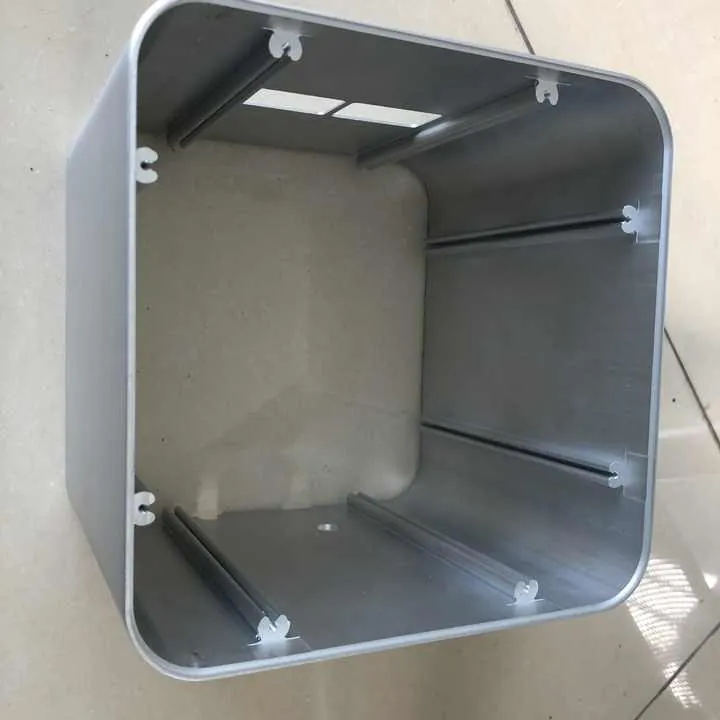
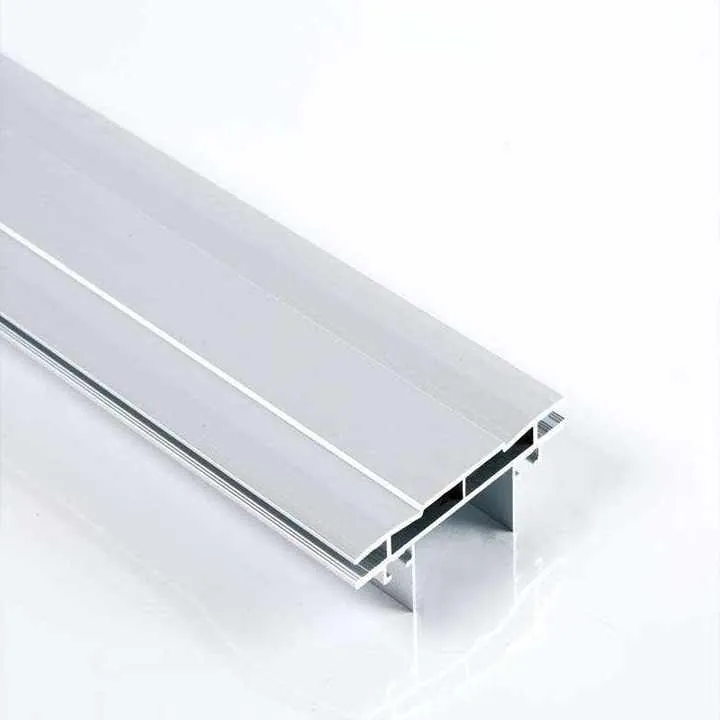
Aluminum extrusion for medical equipment housing?

Many medical devices need strong yet clean housings. If design lacks careful planning, bacteria hide in joints and crevices. Aluminum extrusion can offer a clean, rigid shell, if done right.
Aluminum extrusion can meet medical housing needs because it offers strength, light weight, and—with proper finishing and design—it can support hygiene, custom shape, and compliance.
Understanding how extrusion supports hygiene, cleaning, custom design, and regulatory rules helps companies build safe, reliable medical device enclosures.
What hygiene standards apply to medical extrusions?
Many medical devices operate in tight hygiene environments. These devices must avoid contamination from dust, fluid residues or microbes. That risk rises if housing surfaces or joints trap dirt or moisture.
Medical extrusions must meet strict hygiene standards: smooth surfaces, sealed joints, and non‑toxic materials to avoid contamination.
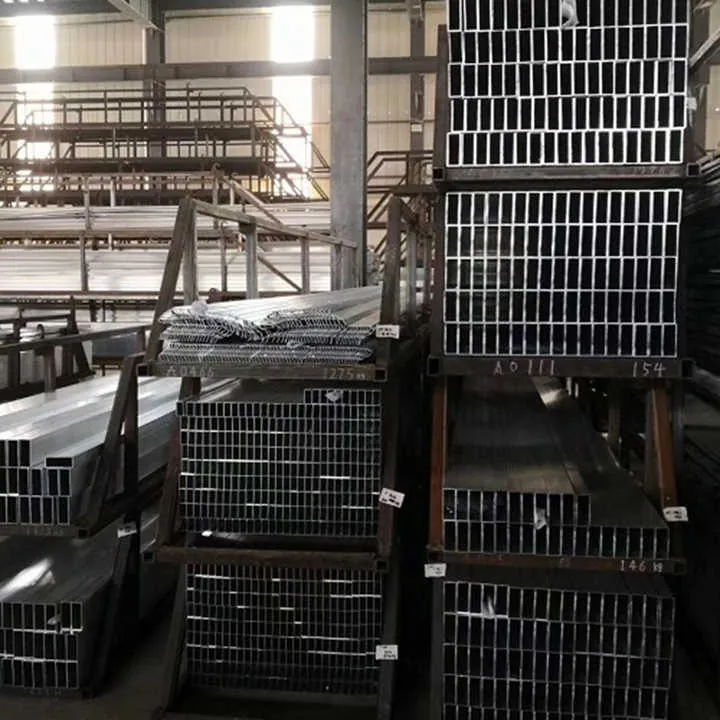
Medical users expect enclosures that resist fluid, dust, and biological substances. The housing material must not shed particles or corrode under frequent cleaning. Manufacturers need to ensure surfaces are easy to clean and seal properly. Designers must avoid hard‑to‑reach corners. Extruded aluminum can meet hygiene needs if it is designed and finished correctly.
Medical hygiene standards do not always specify aluminum extrusion explicitly. Instead, they define properties that the final product must satisfy. Common practice borrows from hospital‑cleaning protocols. For example:
- Surfaces that contact sterile areas must be smooth and scratch‑resistant.
- Joints and seams must be sealed or flush to avoid dirt traps.
- Material must resist cleaning agents, disinfectants, and frequent wiping.
- Any coatings or finishes must be stable under repeated cleaning cycles.
In practice, engineers design extrusions with rounded edges, flush joints, and minimal seams. That helps cleaning staff wipe surfaces completely without leaving residue. Sometimes, extruded parts are CNC‑machined further to remove any tiny burrs or gaps. After finishing, housings are tested under simulated cleaning cycles: they are wiped with disinfectants and then examined for corrosion or surface damage.
Hospitals follow internal hygiene standards. These often reference broader norms such as sterilization procedures, environmental cleanliness guidelines, and infection‑control policies. Even though aluminum extrusion is not always named, its use must comply with those hygiene goals.
Proper extrusion design also reduces cleaning time. If corners are sharp or joints uneven, cleaning staff must spend extra time on each unit. That adds cost and risks missed spots. With smooth extrusions, cleaning is faster and more consistent.
In short, hygiene standards for medical extrusions come from functional demands: cleanable, non‑toxic, durable surfaces. Extruded aluminum meets those needs if design and finishing are right.
Medical device housings made from aluminum extrusion must have smooth surfaces to meet hygiene requirementsTõsi
Smooth surfaces and sealed seams prevent dirt and microbes from hiding, making cleaning effective.
It is acceptable to leave exposed joints and sharp corners on metal housings as long as the material is aluminumVale
Exposed joints and sharp corners trap dirt, fluids and microbes, violating hygiene standards, even if the material is aluminum.
How is surface finishing handled for easy cleaning?
Surface finishing affects how easy it is to clean the housing. If the surface is rough or porous, cleaning becomes hard. That hurts hygiene and may lead to corrosion. Good finishing makes cleaning simple and reduces wear.
Producers use smooth, sealed finishes like anodizing or powder coating to make cleaning easy and keep surfaces stable.
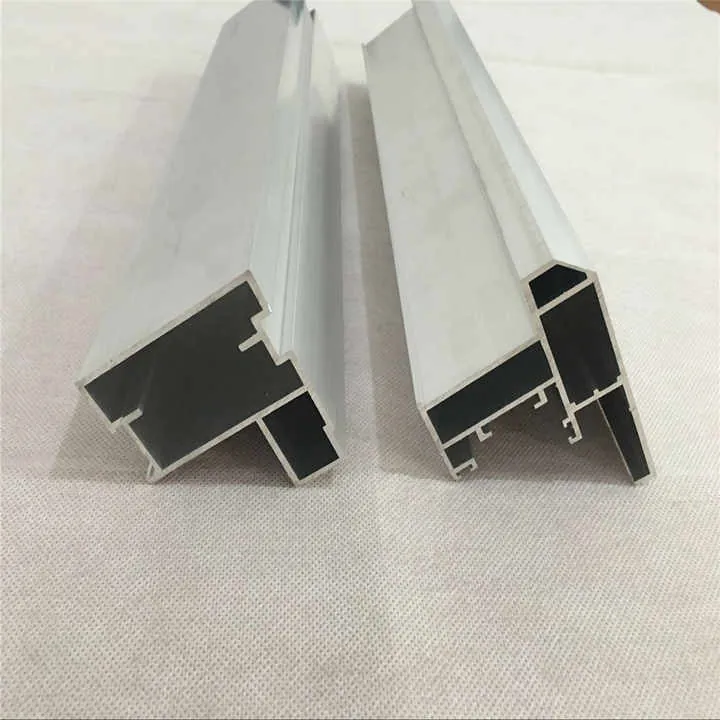
Many finishing methods fit medical needs. Common ones are anodizing, powder coating, and electropolishing. Each gives a smooth, sealed surface. Designers also ensure features like rounded corners and flush joints. That way, cleaning staff can wipe the device quickly without missing spots.
Common finishing methods and cleaning ease
| Finish method | Surface feel | Cleaning ease | Märkused |
|---|---|---|---|
| Anodeeritud | Smooth, sealed oxide | High – resists stains and scratches | Good for repeated wiping and disinfectants |
| Pulbervärvitud | Smooth, uniform paint | High – uniform surface covers seams | Must ensure coating thickness uniformity |
| Electropolished (after machining) | Very smooth, slightly glossy metal | Very high – minimal crevices | Requires careful process control |
Anodizing adds an oxide layer that protects metal from chemicals and wear. That layer resists corrosion and does not absorb liquids. Powder coating adds a sealed paint layer that covers all joints and holes. Electropolishing removes tiny surface roughness and makes the bare metal very smooth. All these help cleaning fluids run off, not collect.
Designers also shape extrusions to help cleaning. They use larger radii instead of sharp corners. They avoid deep grooves or recesses. They tighten tolerances to reduce gaps between parts. In some cases, housings are sealed with gaskets to prevent fluid ingress. That helps in devices exposed to cleaning sprays or hospital environments.
When finishing is done correctly, housings can endure repeated cleaning cycles over many years. They resist discoloration, corrosion, or surface degradation. That maintains hygiene and device appearance.
If finishing is poor or missing, problems arise. Powder coating may chip if coated unevenly. Anodized surfaces may scratch and expose raw aluminum. Rough machining marks can trap dirt. All these reduce cleaning effectiveness and risk contamination.
Thus surface finishing is vital. It ensures the final medical housing remains cleanable, durable and safe through long use.
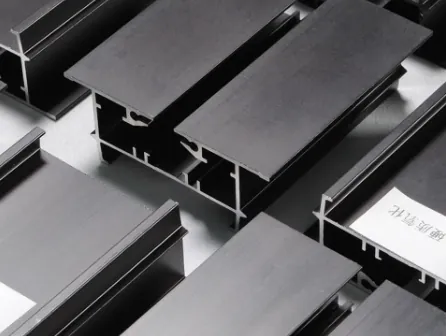
Anodized and powder coated aluminum surfaces are easier to clean and maintain than raw machined aluminum in medical housingsTõsi
These finishes seal the surface and resist scratches and fluids, making cleaning easier and preventing contamination.
Raw machined aluminum surfaces are equally easy to clean and maintain as anodized surfaces in medical devicesVale
Raw machined aluminum has micro‑roughness and may corrode or trap fluids, making cleaning harder and risking contamination.
Are custom enclosures common in medical devices?
Medical devices come in many shapes and sizes. Not all devices use standard boxes. Many need custom enclosures to match their function, ergonomics, or mounting needs. Standard housings often are too generic or too bulky.
Custom metal enclosures remain common because medical devices often need tailored shape, size, and strength to meet design and safety needs.
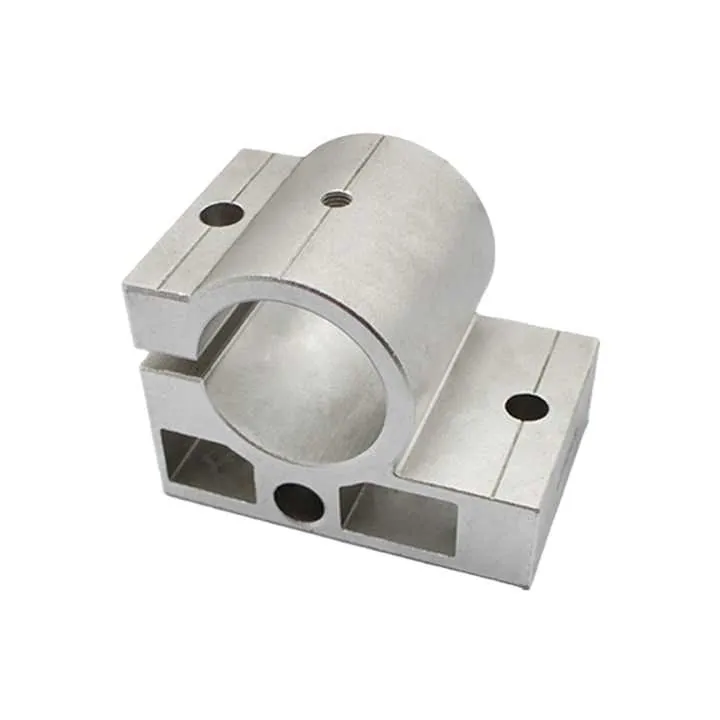
In many medical systems, the internal parts define the outer shell. For example, a diagnostic machine may need a frame that supports heavy internal modules. A handheld medical tool may need a thin but rigid shell. Each case requires a unique enclosure. Designers choose aluminum extrusion because it supports custom lengths, cross‑sections, and structural needs.
Benefits of custom aluminum enclosures
| Kasu | Kirjeldus |
|---|---|
| Tailored geometry | Fit exactly to internal components and mounting design |
| Integrated features | Add grooves, cable paths, PCB rails inside profile |
| Reduced part count | Eliminate brackets or holders by shaping extrusion correctly |
| Consistent strength | Uniform wall thickness for structural support and EMI shielding |
| Upgrade ready | Reuse same profile for new models by adjusting length/panels |
Not all medical devices use custom aluminum housings. For small, low-cost devices, plastic may be used. For large, simple housings, sheet metal may be enough. But for many mid‑size to large devices that require strength, rigidity and clean lines, custom extruded enclosures remain common.
Custom extrusion also supports scalability. If a device model evolves, the same extrusion profile can be reused. Only length or panel design changes. That helps medical device makers manage design updates and regulatory re‑approval easier.
Thus custom aluminum enclosures remain a popular choice in medical device industry when balance of strength, cleanliness, and design flexibility is needed.
Custom aluminum extrusion enclosures are widely used in mid‑size to large medical devices because they offer flexibility and strengthTõsi
Custom extrusions allow tailored shape, structural support, and integrated features suited to medical device demands.
Custom aluminum enclosures are rarely used in medical devices because standard plastic molds are cheaper and always meet needsVale
Plastic molds may suit small devices but cannot offer the same structural strength, durability, and clean‑surface advantages needed for many medical systems.
What certifications are needed for healthcare use?
Medical devices receive certification or clearance before they enter hospitals or clinics. The housing itself must not add risk. The final product must meet quality, safety, and material standards. For aluminum housings, that means the material, finish, manufacturing process, and documentation must comply.
Medical housings must comply with regulatory certifications like ISO 13485, and region controls like FDA rules or CE marking for EU devices. Extrusion suppliers must support documentation traceability.
Medical device makers usually follow a set of regulations depending on region. In the United States, devices follow 21 CFR 820 and may require FDA clearance. In Europe, they follow MDR and need CE marking. Globally, many companies follow ISO 13485 for quality control.
Key certifications for aluminum medical housings
| Certification / Standard | Region / Purpose | What it covers regarding housing |
|---|---|---|
| ISO 13485 | Global / Quality system | Controls process, traceability, records |
| 21 CFR 820 | USA / Medical device quality | Process control, record keeping, audits |
| EU MDR + CE Mark | EU / Safety and quality | Safety, material compliance, documentation |
| RoHS / REACH | EU & others / Material safety | Restricts harmful substances in materials |
To comply, extrusion suppliers must keep batch records. They must document aluminum alloy type, source, heat treatment, finishing method, and inspection results. They also need quality control to inspect dimensions, finish quality, and any possible defects.
Medical device makers often audit their suppliers. They check whether supplier maintains clean processes, controls dust, and avoids contamination. Suppliers may need cleanroom assembly or dust‑free packaging. That helps ensure the housing does not introduce particles into sterile environments.
So certification is not just a paper step. It reflects real controls in material, process, finishing and documentation. That makes housing reliable and safe for medical use.
ISO 13485 and 21 CFR 820 are commonly required standards for aluminum housings used in medical devicesTõsi
These standards control quality systems, traceability, and process control, which cover material sourcing and manufacturing trace records.
Aluminum housings for medical devices do not need documentation about material batch or finish if final device is certifiedVale
Certification requires traceability and documentation through the supply chain, including housing materials and finish.
Kokkuvõte
Aluminum extrusion can meet demands for medical device housings when hygiene, cleaning, custom design, and regulatory compliance are built in from design stage. With proper finishing and documentation, extruded housings become reliable and safe shells for many medical devices.