Alumiiniumist ekstrusioonkonteinerite laadimismeetodid?

Shipping aluminum extrusions can be tricky if you don’t know the right methods. Let’s dive into the best practices for securing and loading these materials safely.
To load aluminum extrusions properly, a few essential methods can ensure safe shipping. Key practices include using pallets, strapping, and protective materials to secure long profiles and prevent any damage during transit.
Now that we know the importance of securing the load, let’s explore some of the best practices in container loading. How do we ensure that long profiles stay safe during shipping?
What are standard practices for container loading?
Loading a container with aluminum extrusions might seem straightforward, but it requires thoughtful preparation. A few important techniques will help ensure the extrusions arrive in perfect condition.
Standard practices for container loading include properly palletizing materials, using strapping to secure profiles, and employing cushioning materials to prevent any movement or damage during transit.

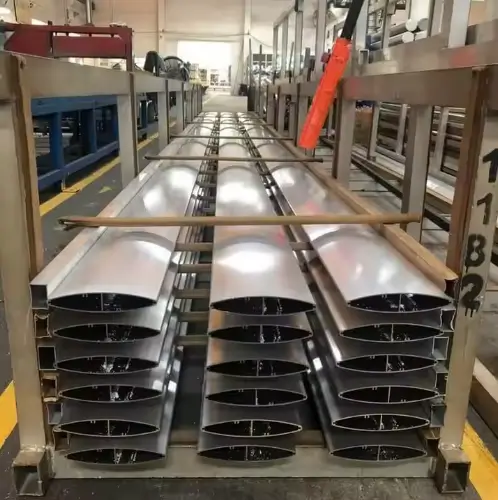
When it comes to loading aluminum extrusions into containers, there are several critical practices to follow. First and foremost, palletizing the aluminum profiles is a standard practice. Pallets help support the weight of the extrusions and make loading and unloading easier. These pallets should be strong enough to bear the weight without breaking, and they need to be the correct size for the extrusions. This ensures that the aluminum profiles are well-supported, preventing bending or warping.
Another vital aspect of container loading is securing the profiles using strapping. Strapping, which can be made from steel or plastic, is often used to keep the aluminum extrusions in place. By strapping the profiles tightly, you reduce the risk of any movement within the container. This is particularly important for long profiles, which can shift and become damaged if not properly secured.
In addition to strapping, cushioning materials are also essential. Using materials like foam, air bags, or cardboard inserts can prevent the profiles from coming into contact with each other. This helps to avoid scratches and dents, which are common issues with aluminum extrusions. Proper cushioning also helps absorb shocks during transit, ensuring that the profiles remain intact.
Maximizing the space inside the container is also critical. When loading, it’s important to make the best use of the available space by stacking the profiles carefully. Heavier profiles should be placed at the bottom, while lighter ones can be stacked on top. This helps to maintain the stability of the load, preventing shifting and making the most of the container’s capacity. In some cases, divider panels or wooden slats can be used to separate different types of profiles, ensuring that each section remains organized and protected.
Finally, it’s important to ensure that the weight is evenly distributed across the container. Uneven loading can lead to shifting or even tipping during transit, which can result in damage to the aluminum profiles or the container itself.
Palletizing aluminum extrusions is essential to ensure safe loading in containersTõsi
Pallets provide stable support, helping to prevent bending or warping of aluminum profiles during transit.
Strapping is not necessary for securing long aluminum profiles in containersVale
Strapping plays a critical role in preventing profiles from shifting during shipping, especially long or heavy profiles.
How are long profiles secured during shipping?
Shipping long aluminum profiles presents its own set of challenges. Without proper security methods, they could bend, scratch, or even get damaged during transit.
Long profiles are typically secured with strapping, cushioning materials, and support systems to prevent shifting and damage during shipping. Protective caps and wooden supports are also often used.
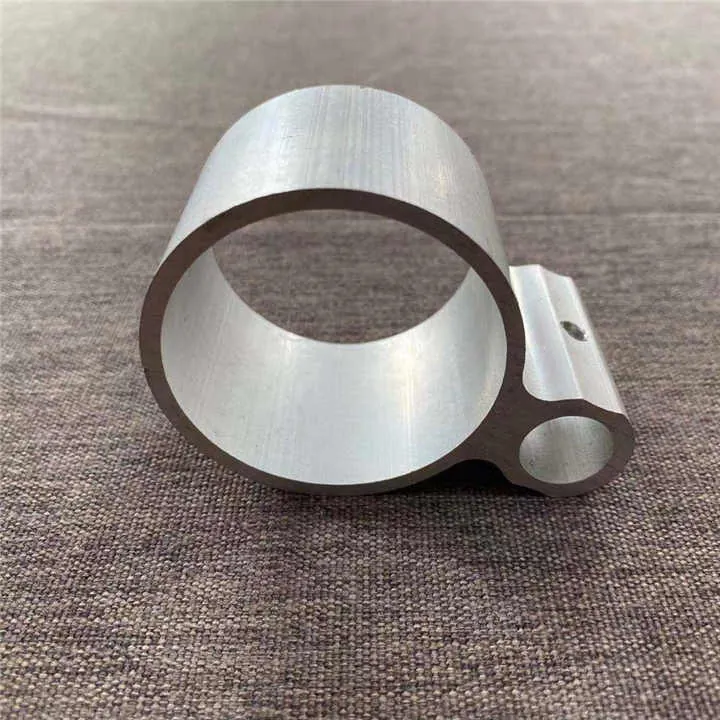
Long aluminum profiles require extra attention when securing them for shipping. Due to their size, they are more prone to bending or shifting, which can lead to serious damage. To prevent this, various techniques are employed.
One of the primary methods used to secure long profiles is strapping. Strapping holds the profiles in place, ensuring they don’t move around during transport. The strapping material can be made from steel or plastic, depending on the weight and size of the profiles. Steel strapping is more commonly used for heavy profiles because it provides stronger support, while plastic strapping is often sufficient for lighter profiles.
In addition to strapping, cushioning materials such as foam or bubble wrap are used to protect the profiles. These materials help prevent direct contact between the profiles, reducing the risk of scratches or dents. The cushioning also helps absorb any vibrations or shocks that may occur during the shipping process, further protecting the aluminum profiles.
For extra protection, aluminum profiles may also be covered with protective caps at both ends. These caps prevent the ends of the profiles from being damaged when they come into contact with other materials or surfaces inside the container. Caps can also help prevent dirt or debris from entering the profiles during transit.
Another technique used to secure long profiles is the use of wooden supports. These can include wooden beams or slats placed inside the container to support the profiles and keep them upright. The wooden supports also help distribute the weight of the profiles more evenly, preventing any bending or warping. In some cases, custom racks or frames are used to hold the profiles in place, particularly for very long or heavy profiles.
Using wooden supports inside the container not only ensures that the aluminum extrusions remain secure during transit but also protects the profiles from any potential damage caused by shifting or pressure.
Protective caps are not necessary for shipping long aluminum profilesVale
Protective caps are essential for preventing damage to the ends of long profiles during transport.
Cushioning materials like foam and bubble wrap help protect aluminum profiles from scratches and dents during transitTõsi
Cushioning materials absorb shocks and prevent direct contact between profiles, minimizing the risk of damage.
Are wooden supports used inside containers?
You might wonder whether wooden supports are really necessary when loading aluminum extrusions. Let’s take a closer look at their role and importance in securing the load.
Wooden supports are commonly used inside containers to stabilize and secure aluminum extrusions. They help prevent movement and protect the materials from damage during shipping.

Wooden supports are widely used in container loading to provide additional stability for aluminum extrusions. These supports are not just a matter of convenience—they are critical in ensuring the safe transport of the materials.
Wooden pallets and beams are often used to create a stable foundation at the bottom of the container. This foundation supports the weight of the extrusions and prevents them from shifting during transit. Without this base, the aluminum profiles could slide around and get damaged or misaligned. The wooden beams or blocks also help distribute the weight more evenly, preventing any one area of the container from becoming overloaded.
In addition to the base, wooden slats or battens are often placed between the profiles to create space and prevent direct contact. This helps protect the surfaces of the aluminum profiles from scratches or dents. These slats can also act as dividers, keeping different types of profiles separated and organized.
Wooden supports are especially important for heavier aluminum profiles. They help support the weight of the profiles and keep them upright, which is essential for long or large sections. In some cases, wooden supports are combined with other support structures, like custom racks or frames, to further secure the profiles and prevent any movement.
Using wooden supports inside the container not only ensures that the aluminum extrusions remain secure during transit but also protects the profiles from any potential damage caused by shifting or pressure.
Wooden supports inside containers are not necessary for shipping aluminum extrusionsVale
Wooden supports are crucial in stabilizing and protecting aluminum extrusions during shipping, especially for larger or heavier profiles.
Wooden supports help prevent movement and ensure the stability of aluminum profiles during shippingTõsi
Wooden supports stabilize the load, reducing the risk of shifting and damage during transit.
Can mixed profiles be packed together safely?
Mixing different types of aluminum profiles in one container can be tricky. But is it safe to pack them together? Let’s find out what makes mixed-profile packing possible.
Mixed profiles can be packed together safely if they are properly separated and cushioned. Dividers, cushioning, and secure strapping help prevent damage during transit.

Packing mixed profiles together in the same container is possible, but it requires extra attention to ensure safety. When you’re dealing with different sizes, shapes, and weights of profiles, the risk of damage increases if they’re not properly secured. Here are a few key strategies for packing mixed profiles safely.
The first step is to group similar profiles together. By grouping profiles of similar sizes and weights, you reduce the chances of heavier profiles crushing or damaging lighter ones. This is especially important for profiles that have different shapes or delicate surfaces. For example, profiles with sharp edges should be packed separately from smoother ones to avoid contact that could cause scratches.
Dividers and separators play a crucial role in mixed-profile packing. Wooden slats, plastic dividers, or even foam sheets can be used to separate different profiles, preventing direct contact. These dividers not only protect the profiles but also help organize the load, making it easier to secure everything inside the container.
Cushioning materials like foam, bubble wrap, or cardboard should be placed between profiles to absorb shocks and prevent any movement. This cushioning helps to prevent abrasion or denting of the aluminum surfaces, which can be a major issue when transporting mixed profiles.
Strapping is another key element in securing mixed profiles. By using strapping, you can hold all of the profiles together and ensure they remain tightly packed during shipping. It’s important to apply the strapping in a way that keeps the profiles from shifting, especially if they are different lengths or weights.
With the right precautions, packing mixed profiles together is entirely feasible. The goal is to create a secure, organized load where the profiles are protected from damage and kept in place throughout the journey.
It is unsafe to pack mixed profiles together in the same containerVale
With proper cushioning, dividers, and secure strapping, mixed profiles can be packed safely and securely in the same container.
Dividers and cushioning materials are essential for safely packing mixed aluminum profilesTõsi
Dividers and cushioning prevent profiles from making direct contact and protect them from damage during transport.
Kokkuvõte
In conclusion, proper container loading is essential for shipping aluminum extrusions safely. By using pallets, strapping, wooden supports, and protective materials, you can ensure that your profiles remain secure and undamaged during transport.