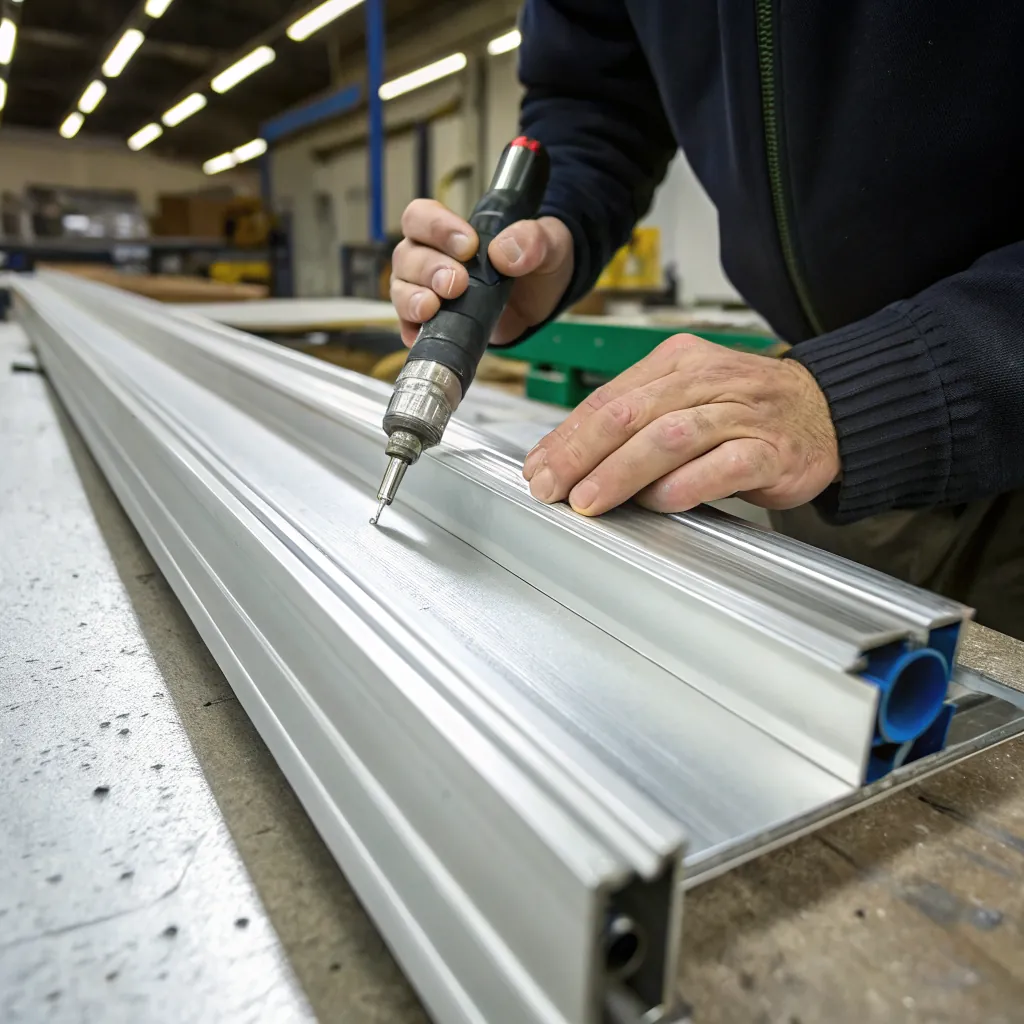
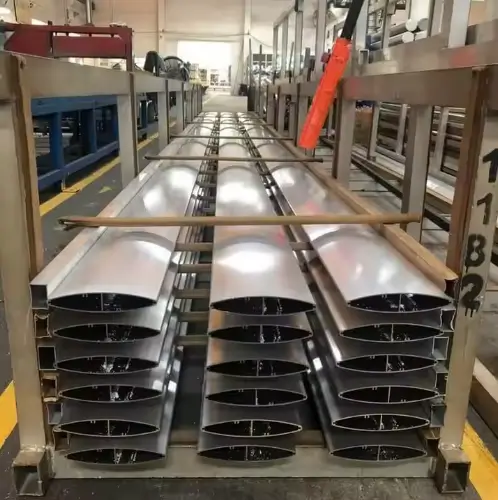
Alumiiniumi ekstrusiooni kattekihi kleepuvusnõuded?

Pinnakatted ebaõnnestuvad sagedamini halva nakkuvuse kui halva materjalivaliku tõttu. Koorimine, villimine ja koorumine ilmnevad tavaliselt pärast paigaldamist. Paljud ostjad keskenduvad katte paksusele ja värvile. Kleepuvust kontrollitakse liiga hilja.
Alumiiniumi ekstrusioonkatte kleepuvus sõltub pinna seisundist, ettevalmistusmeetodist, katte tüübist ja katsestandarditest, mida kasutatakse sideme tugevuse kontrollimiseks.
Reaalsetes projektides põhjustavad liimumisprobleemid ümbertöötamist, viivitusi ja klientide kaebusi. Selles artiklis selgitatakse, millised kleepumisstandardid kehtivad, kuidas kleepumist testitakse, miks eelpuhastamine on oluline ja millised pinnakatted kleepuvad anodeeritud alumiiniumiga kõige paremini.
Millised kleepuvusnormid kehtivad pinnakatete suhtes?
Paljud kattevead on tingitud ebaselgetest standarditest. Ilma määratletud kleepumiskriteeriumideta hindavad tarnijad ja ostjad kvaliteeti erinevalt. See põhjustab vaidlusi.
Pinnakatte haardumine alumiiniumprofiilidel on tavaliselt määratletud ISO ja ASTM meetoditega määratletud ristlõike-, tõmbe- või painutuskatsete standardite abil.

Miks on vajalikud kleepumisstandardid
Liimimisstandardid annavad ühise keele. Need määravad kindlaks, kui suur jõud või kahjustus on enne rikke tekkimist vastuvõetav. Ilma standarditeta muutub kontroll subjektiivseks.
Standardid aitavad:
- Võrdle tarnijaid
- Seadistage läbimise või läbikukkumise piirid
- Vähendada kvaliteedivaidlusi
Samuti juhivad nad katmisliini seadistamist ja pinna ettevalmistamist.
Tavaliselt viidatud standardid
Enamik tööstuslikke alumiiniumkatteid järgib väikest rühma standardeid.
| Standard | Katse tüüp | Tüüpiline kasutamine |
|---|---|---|
| ASTM D3359 | Cross-hatch | Pulbriga katmine |
| ISO 2409 | Ristlõiked | Anodeeritud või värvitud |
| ASTM D4541 | Pull-off | Suure jõudlusega katted |
Need standardid on laialdaselt tunnustatud ja neid on lihtne auditeerida.
Kuidas standardeid tellimustes täpsustatakse
Head ostutellimused ei ütle lihtsalt “hea haardumine”. Nad täpsustavad:
- Katsemeetod
- Vastuvõtuklass või reiting
- Katse asukoht ja sagedus
Näiteks arhitektuuripindade puhul on sageli nõutav ristsirgusklass 0 või 1.
Praktilised probleemid tehastes
Tegelikkuses võib haardumine ühe profiili puhul erineda. Nurgad, keevisõmblused ja paksud lõigud käituvad erinevalt.
Sellepärast, tõsised ostjad:
- Määratleda kriitilised katsealad
- nõuda rutiinseid liiniauditeid
- Arvestuse pidamine partii kohta
Selline lähenemisviis vähendab juhuslikke tõrkeid pärast tarnimist.
Pinnakatte adhesiivsust hinnatakse tavaliselt ASTM ja ISO katsestandardite abil.Tõsi
Need standardid määratlevad tunnustatud meetodid ja hinnangud haardumise kohta.
Puuduvad ametlikud standardid alumiiniumprofiilide pinnakatte haardumise kohta.Vale
Laialdaselt kasutatakse mitmeid rahvusvahelisi standardeid.
Kuidas testitakse kleepumist pressitud pindadel?
Adhesiivsuse testimine ei ole keeruline. Siiski viib vale testimine valede järeldusteni. Meetodi valik peab vastama katte tüübile ja rakendusele.
Alumiiniumprofiilide kleepumist katsetatakse, kui katet mehaaniliselt pingestatakse lõikamise, tõmbamise, painutamise või löögimeetodite abil.
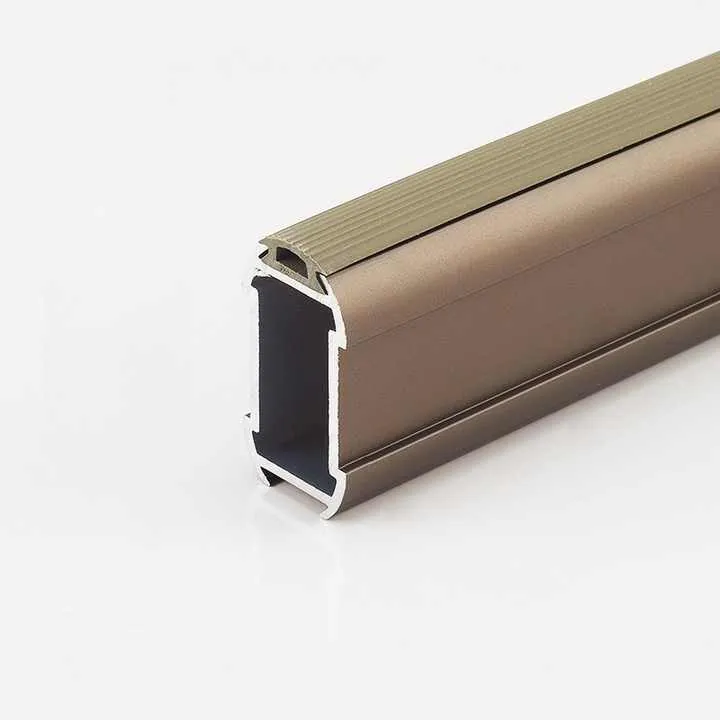
Ristlõike- ja ristlõikekatse
See on kõige levinum meetod. Läbi kattekihi lõigatakse aluspinnale võre. Teip paigaldatakse ja eemaldatakse.
Tulemust hinnatakse selle alusel, kui palju katet eraldub.
Eelised:
- Kiire
- Madalad kulud
- Lihtne korrata
Piirangud:
- Pinnakahjustused
- Subjektiivne serva hindamine
Tõmbekatsed
Tõmbekatse mõõdab tegelikku jõudu, mis on vajalik katte eemaldamiseks. Pinnale liimitakse ja tõmmatakse risti.
See meetod annab numbrilised väärtused. See on kasulik paksude või kriitiliste katete puhul.
Siiski:
- See kahjustab osa
- Pinna ettevalmistamine mõjutab liimi tugevust
- Ei sobi õhukeste dekoratiivsete kihtide jaoks
Painutus- ja deformatsioonikatsed
Mõnda ekstrusiooni painutatakse või vormitakse pärast katmist. Painutuskatsetega kontrollitakse, kas kate praguneb või koorub deformatsiooni ajal.
Need testid on tavalised:
- Autoosad
- Kaadrid koos järeltöötlusega
Õige testi valimine
| Katsemeetod | Best For | Ei ole ideaalne |
|---|---|---|
| Cross-hatch | Pulbriga katmine | Väga paksud kiled |
| Pull-off | Rasked katted | Õhuke dekoratiivne viimistlus |
| Kõveruse test | Kujundatud profiilid | Jäigad struktuurid |
Testimine peaks kajastama tegelikke kasutustingimusi.
Ristkattekatsed kontrollivad katte haardumist lõikamise ja teibi eemaldamise teel.Tõsi
Selle meetodiga hinnatakse kattekihi seotust, jälgides selle eraldumist.
Tõmbekatsed ei kahjusta alumiiniumprofiili.Vale
Nad kahjustavad testitud piirkonda püsivalt.
Kas eelpuhastamine võib parandada pinnakatte kinnitumist?
Halb haardumine algab sageli juba enne katmist. Pinna saastumine takistab liimumist. Paljud ebaõnnestumised tulenevad puhastusetappide vahelejätmisest või lühendamisest.
Korralik eelpuhastus parandab oluliselt pinnakatte haarduvust, eemaldades alumiiniumist pressitud pindadelt õlid, oksiidid ja jäägid.
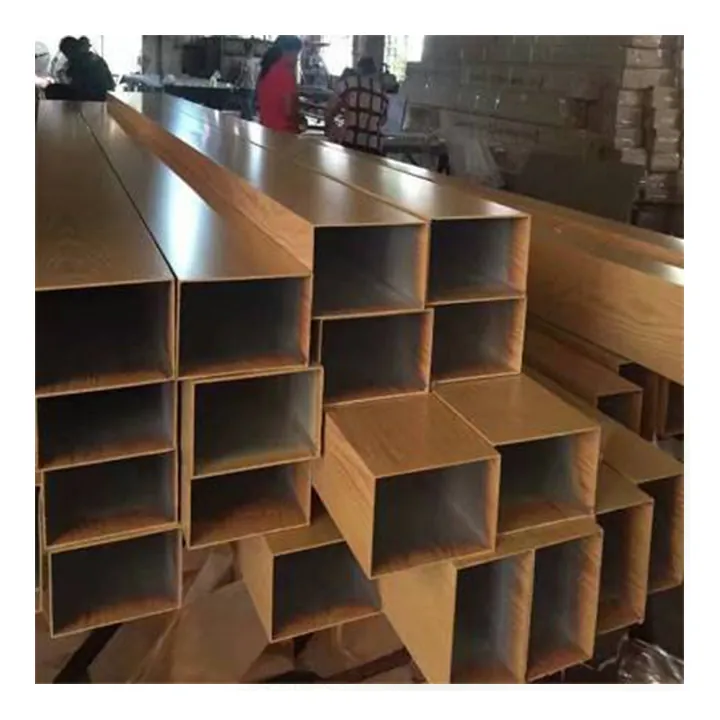
Pinnasaasteallikad
Väljapressimisseadmed väljuvad pressist koos jääkidega. Käsitsemine lisab rohkem.
Tavalised saasteained on järgmised:
- Ekstrusiooni määrdeained
- Lõikeõlid
- Sõrmejäljed
- Looduslikud oksiidikihid
Isegi puhtad pinnad võivad takistada liimumist.
Tööstuses kasutatavad eelpuhastusmeetodid
Enne katmist on tavaline mitu puhastusetappi.
Rasvatustamine
Leeliseline või lahustiga rasvatustamine eemaldab õlid ja orgaanilised ained.
söövitus
Happeline või leeliseline söövitus eemaldab pinna oksiidid ja tekitab mikrokareduse.
Konversioonkatte
Kromaat- või kroomivabad süsteemid parandavad keemilist sidumist alumiiniumi ja katte vahel.
Puhastamise mõju kleepumistulemustele
Tootmises parandab korralik puhastamine sageli ristkriipsu tulemusi ühe või kahe klassi võrra. Samuti vähendab see pikaajalist delaminatsiooni.
| Puhastamise tase | Tüüpiline kleepumistulemus |
|---|---|
| Minimaalne pühkimine | Kehv kuni rahuldav |
| Ainult rasvatustamine | Õiglane |
| Täielik eeltöötlus | Hea kuni suurepärane |
See näitab, miks investeeringud eeltöötlusse tasuvad end ära.
Projektides esinevad sagedased vead
Mõned ostjad nõuavad odavat katmist ja jätavad eeltöötluse vahele. Esialgne välimus tundub hea. Kuu aja pärast ilmnevad tõrked.
Hea tava hõlmab järgmist:
- Eelkäsitlusliinide auditeerimine
- Kemikaalide kontsentratsiooni kontrollimine
- Loputusvee kvaliteedi jälgimine
Need kontrollid kaitsevad kleepuvuse järjepidevust.
Pinna eelpuhastamine parandab pinnakatte haardumist alumiiniumprofiilidel.Tõsi
See eemaldab saasteained ja parandab sidumist.
Pinna saastumine ei mõjuta pinnakatte haardumist.Vale
Saastumine takistab nõuetekohast sidumist.
Millised pinnakatted kleepuvad anodeeritud alumiiniumil kõige paremini?
Anodeeritud alumiiniumil on stabiilne oksiidikiht. See kiht parandab korrosioonikindlust. Samuti muudab see pinnakatete liimumist.
Parimad nakkumistulemused on pinnakatetel, mis seovad end keemiliselt või mehaaniliselt anodeeritud alumiiniumi pooridesse.

Anodeeritud pindade olemus
Anodeerimine loob poorse oksiidstruktuuri. Need poorid võivad vastu võtta värvaineid või hermeetikuid. Need mõjutavad ka katte haardumist.
Tihendamata anodeerimine võimaldab paremat mehaanilist kinnitumist. Täielikult suletud pinnad vähendavad haardumist.
Anodeeritud alumiiniumile tavaliselt kantavad pinnakatted
Kõik pinnakatted ei käitu ühtemoodi.
| Kattekihi tüüp | Kleepumine anodeeritud pinnale |
|---|---|
| Pulbriga katmine | Hea korraliku ettevalmistusega |
| Epoksüvärv | Väga hea |
| Akrüülvärv | Keskmine |
| Silikoonipõhine | Vaene |
See tabel aitab kaasa katte valimisele.
Ettevalmistus enne anodeeritud detailide katmist
Kerge hõõrdumine või keemiline aktiveerimine parandab haardumist. Puhastamine üksi ei ole sageli piisav.
Reaalses tootmises:
- Kasutatakse kerget lõhkamist
- Keemiline aktiveerimine avab poorid
- Vältitakse liigset tihendamist
Õppetunnid kohapealsete rakenduste kohta
Projektid ebaõnnestuvad, kui anodeeritud osad on kaetud ilma ülevaatuseta. Eeldatakse, et oksiidikiht aitab. Tegelikkuses võib see tihendamisel vähendada liimumist.
Selge suhtlus anodeerimis- ja katmisprotsessi vahel on kriitilise tähtsusega. Enne masstootmist tuleb kontrollida protsessi ühilduvust.
Poorsed anodeeritud pinnad võivad parandada pinnakatete mehaanilist kinnitumist.Tõsi
Avatud poorid võimaldavad paremat sidumist.
Kõik pinnakatted kinnituvad sama hästi suletud anodeeritud alumiiniumile.Vale
Tihendamine vähendab paljude pinnakatete haardumist.
Kokkuvõte
Pinnakatte kinnitumine alumiiniumprofiilidele sõltub selgetest standarditest, õigest testimisest, nõuetekohasest eelpuhastusest ja pinnakatte ühilduvusest. Haardumisnõuete varajane määratlemine aitab vältida koorumist, ümbertöötlemist ja pikaajalisi tõrkeid.