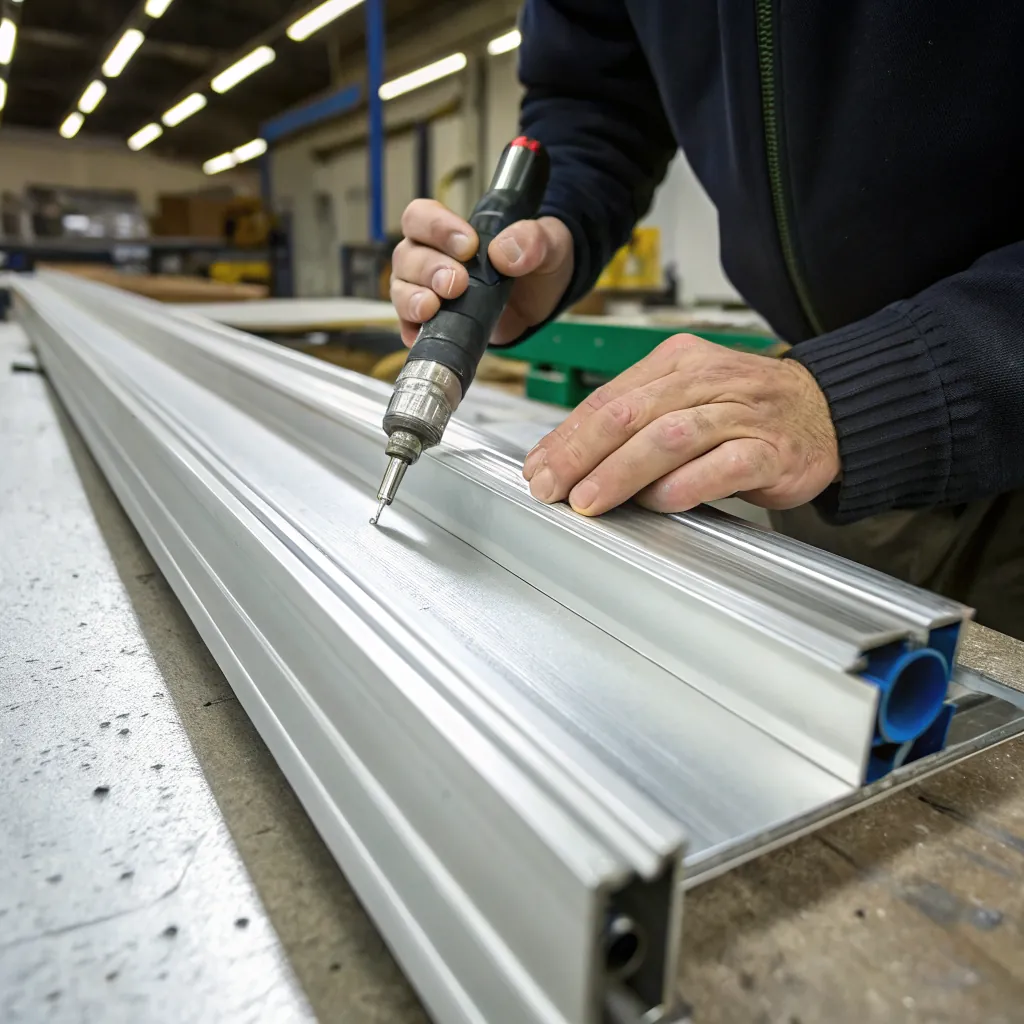
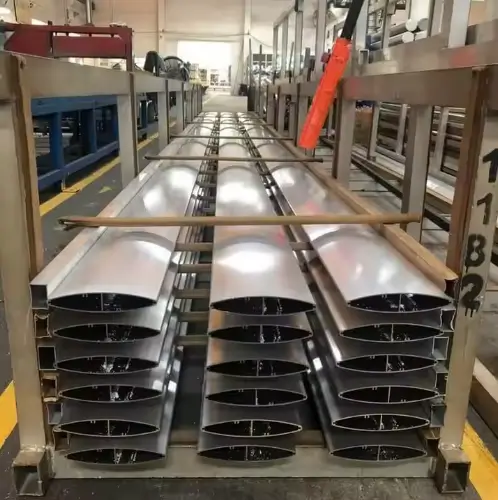
Alumiiniumprofiilide keemiline vastupidavus?

Kemikaalidega kokkupuude on paljudes projektides vaikiv risk. Paljud ostjad eeldavad, et alumiinium on alati ohutu. See vale eeldus toob sageli kaasa korrosiooni, rikke ja kulukadu.
Alumiiniumprofiilidel on hea keemiline vastupidavus paljudes tavalistes keskkondades, kuid vastupidavuse tase sõltub sulamist, pinna seisundist ja kemikaali tüübist.
Paljud ostjad küsivad vastupanuandmeid, kuid vähesed oskavad neid lugeda. See artikkel selgitab alumiiniumist pressimisseadmete keemilist vastupidavust selgelt ja praktiliselt, tuginedes tegelikule tootmiskogemusele.
Milliste kemikaalide suhtes on alumiiniumprofiilid vastupidavad?
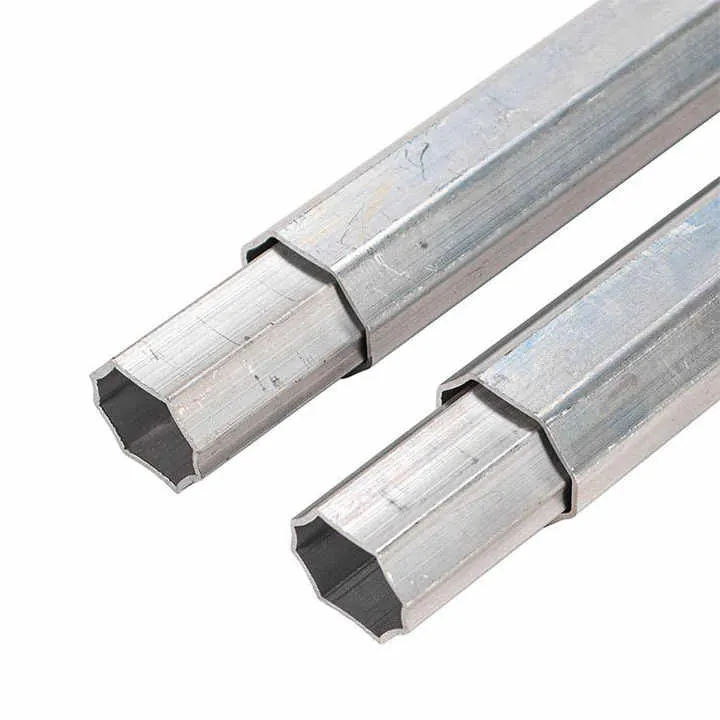
Keemilised kahjustused toimuvad sageli aeglaselt. See algab värvimuutusega. Seejärel ilmneb lõhestumine. Lõpuks kaotab profiil oma tugevuse. Paljusid rikkeid saaks vältida, kui teaks, millistele kemikaalidele alumiinium vastu peab.
Alumiiniumprofiilid on vastupidavad paljudele neutraalsetele ja kergetele kemikaalidele, sealhulgas veele, õhule, alkoholidele ja nõrkadele hapetele, kuid nad reageerivad tugevalt tugevate hapete ja leelismetallidega.
See vastupidavus tuleneb looduslikust oksiidikihist, mis moodustub alumiiniumpindadel. See kiht on õhuke, kuid paljudes keskkondades stabiilne.
Looduslik oksiidkaitse
Kui alumiinium kohtub õhuga, moodustab see oksiidikile. See kile on tihe ja kleepub tihedalt metallipinnale. See takistab hapniku ja niiskuse jõudmist põhimetallile.
Seetõttu sobib alumiinium hästi kasutamiseks välistingimustes, kuivades siseruumides ja kergetes tööstuslikes tingimustes.
Kemikaalid Alumiinium peab tavaliselt hästi vastu
Igapäevases ja tööstuslikus kasutuses on alumiiniumprofiilid paljude ainete suhtes väga vastupidavad.
| Keemiline tüüp | Vastupidavuse tase | Tüüpiline kasutuskeskkond |
|---|---|---|
| Magevesi | Suurepärane | Jahutussüsteemid |
| Merevesi | Hea | Merestruktuurid |
| Alkoholid | Suurepärane | Puhastusprotsessid |
| Nõrgad orgaanilised happed | Hea | Toiduvarustus |
| Õlid ja kütused | Suurepärane | Masinate raamid |
Need kemikaalid ei lagunda oksiidikihti kiiresti. Paljudel juhtudel võib alumiinium püsida aastakümneid ilma nähtavate kahjustusteta.
Kemikaalid, millele alumiinium EI pea vastu
Mõned kemikaalid ründavad alumiiniumi agressiivselt. Nad hävitavad oksiidikihi ja paljastavad põhimetalli.
| Keemiline tüüp | Reaktsioonirisk | Tüüpilised kahjustused |
|---|---|---|
| Tugevad happed | Kõrge | Pitting ja massikadu |
| Tugevad leelised | Väga kõrge | Kiire pinnarünnak |
| Klooriidid kõrgel kuumusel | Keskmine kuni kõrge | Kohalik korrosioon |
| Elavhõbedaühendid | Extreme | Struktuuriline rike |
Seetõttu ei kasutata alumiiniumi mõnes keemiatehases, kui ei ole rakendatud täiendavat kaitset.
Sulami erinevused on oluline
Kõik alumiiniumprofiilid ei käitu ühtemoodi. Levinud on 6063 ja 6061 sulamid, kuid nende vastupidavus ei ole ühesugune.
6063 on parema pinnakvaliteedi ja korrosioonikindlusega. 6061 on suurema tugevusega, kuid mõnes olukorras veidi madalama keemilise vastupidavusega.
See erinevus muutub kriitiliseks pikaajalise kokkupuute keskkonnas.
Alumiiniumprofiilid on tänu stabiilsele oksiidikihile looduslikult vastupidav veele, õhule ja paljudele kergetele kemikaalidele.Tõsi
Oksiidikiht moodustub automaatselt ja kaitseb alumiiniumi paljudes tavalistes keskkondades.
Alumiiniumprofiilid on ilma pinnatöötluseta ohutult vastupidavad kõikidele tugevatele hapetele ja leelistele.Vale
Tugevad happed ja leelised hävitavad oksiidikihi ja ründavad alumiiniumi kiiresti.
Kuidas mõjutab pinnakate keemilist vastupidavust?
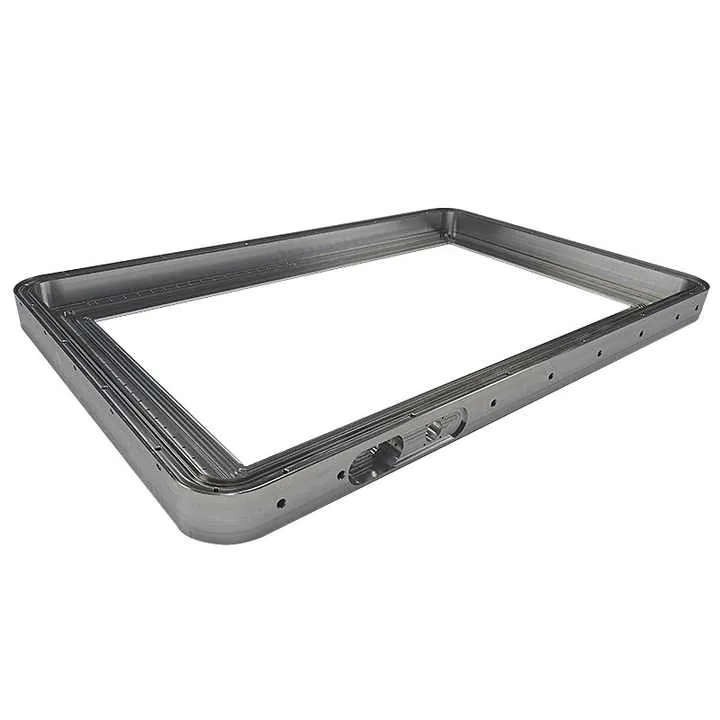
Paljud ostjad keskenduvad ainult sulami kvaliteediklassile. See viib sageli valede materjalivalikute tegemiseni. Pinnakate on sama oluline kui põhimetall.
Pinnakattevahendid parandavad märkimisväärselt keemilist vastupidavust, tihendades alumiiniumpinda ja blokeerides keemilise kontakti.
Erinevad katted pakuvad erinevat kaitsetaset. Valik sõltub kemikaali tüübist, temperatuurist ja kokkupuuteajast.
Miks pinnakatted muudavad vastupanukäitumist
Kattekihi toimib tõkkena. See takistab kemikaalide otsest kokkupuudet alumiiniumiga. Kui kate jääb terveks, peatub korrosioon.
Kui kate ei toimi, algab kiiresti korrosioon. Seepärast on katte kvaliteet olulisem kui ainult katte paksus.
Tavalised alumiiniumprofiilide kattetüübid
Anodeerimine
Anodeerimine paksendab oksiidikihti. See parandab korrosiooni- ja kulumiskindlust. Samuti loob see poorse struktuuri, mida saab tihendada.
Anodeeritud alumiinium toimib hästi kergetes keemilistes keskkondades. Siiski ei ole kõik anodeeritud kihid võrdsed.
Pulbriga katmine
Pulbriga katmine lisab alumiiniumile polümeerikihi. See pakub tugevat vastupidavust paljudele hapetele ja sooladele.
Samuti parandab see välimust ja UV-kindlust. Kuid kui see on kriimustatud, võib avatud alumiinium korrodeeruda.
Elektroforeesiga katmine
See kate tagab ühtlase katte, isegi sügavate soonte puhul. See on hästi vastupidav niiskusele ja kergetele kemikaalidele.
Seda kasutatakse sageli arhitektuuri- ja autotööstuses.
Pinnakatte valik keemilise kokkupuute alusel
| Pinnakatte tüüp | Happekindlus | Leeliskindlus | Tüüpiline kasutusviis |
|---|---|---|---|
| Anodeerimine | Keskmine | Madal | Arhitektuur |
| Pulbriga katmine | Kõrge | Keskmine | Välitingimustes kasutatavad raamid |
| Elektroforees | Keskmine | Keskmine | Autoosad |
Vale katte valimine põhjustab varajase rikke, isegi kvaliteetse sulami puhul.
Reaalne ülevaade tootmisest
Varasemates projektides ebaõnnestusid õhukese anodeeringuga profiilid leeliselistes puhastusliinides. Samad profiilid pulbervärviga kestsid aastaid.
See erinevus tulenes katte valikust, mitte sulami vahetusest.
Pinnakatted vähendavad keemilist kokkupuudet ja parandavad alumiiniumi ekstrusiooni vastupidavust.Tõsi
Pinnakatted toimivad tõketena, mis takistavad kemikaalide jõudmist alumiiniumpinnale.
Kõik pinnakattevahendid tagavad samasuguse keemilise vastupidavuse.Vale
Erinevad katted kaitsevad erinevate kemikaalide ja kokkupuutetingimuste eest.
Kas anodeeritud pinnad peavad vastu karmidele kemikaalidele?
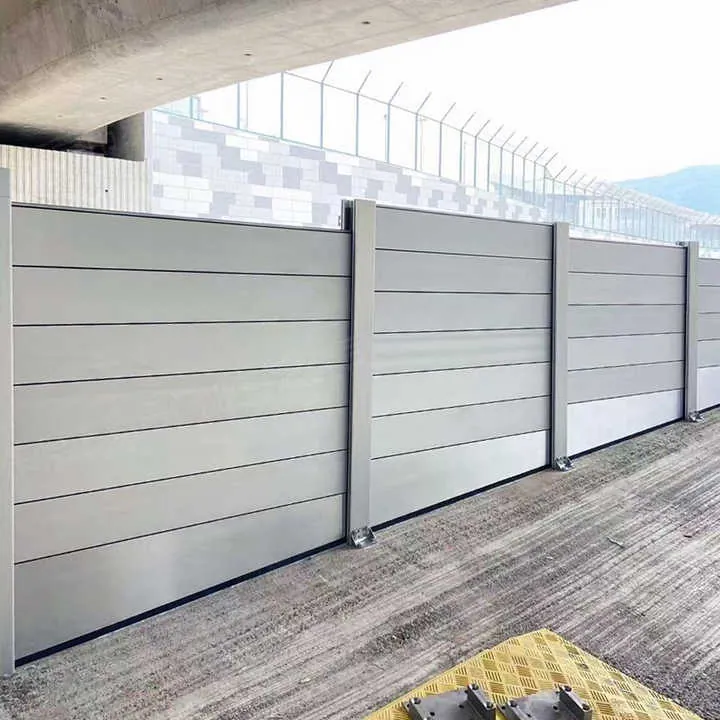
Anodeerimist mõistetakse sageli valesti. Paljud ostjad usuvad, et anodeeritud alumiinium on kemikaalikindel. See uskumus põhjustab kulukaid vigu.
Anodeeritud pinnad peavad hästi vastu kergetele kemikaalidele, kuid ei talu pikemat kokkupuudet tugevate hapete või leelismetallidega.
Anodiseerimise piirväärtuste mõistmine on keemilises keskkonnas kriitilise tähtsusega.
Kuidas anodeerimine tegelikult toimib
Anodeerimine muudab pinna alumiiniumoksiidiks. See oksiidikiht on paksem kui looduslik oksiid.
Kihil on poorid. Need poorid võivad absorbeerida värvaineid või hermeetilisi aineid.
Tihendamine parandab vastupidavust, kuid ei tee alumiiniumi immuunseks.
Toimivus erinevate kemikaalide puhul
Anodeeritud alumiinium toimib hästi:
- Neutraalne vesi
- Atmosfääri kokkupuude
- Kerged puhastusvahendid
- Nõrgad orgaanilised happed
See toimib halvasti:
- Naatriumhüdroksiidi lahused
- Soolhape
- Väävelhape suures kontsentratsioonis
Need kemikaalid lahustavad aja jooksul oksiidikihi.
Anodeerimise paksuse mõju
Paksem anodeerimine parandab vastupidavust. Kuid paranemine on piiratud.
| Anodeerimise paksus | Keemilise vastupidavuse tase |
|---|---|
| 5-10 mikronit | Basic |
| 10-15 mikronit | Keskmine |
| 20-25 mikronit | Kõrgem, kuid piiratud |
Isegi paks anodiseerimine ebaõnnestub tugevates leeliselistes mahutites.
Tihendatud vs. tihendamata anodeerimine
Tihendamine sulgeb pindmised poorid. See vähendab kemikaalide sissetungi.
Tihendamata anodeerimine imab vedelikke kergesti. See põhjustab kiiremat korrosiooni.
Paljud tõrked juhtuvad seetõttu, et anodeerimine ei olnud korralikult suletud.
Praktilised nõuanded tootmisest
Keemiatehaste puhul piisab harva ainult anodeerimisest. Teisene katmine või materjali vahetamine on ohutum.
Anodeerimine sobib kõige paremini arhitektuurseks ja kergetööstuslikuks kasutamiseks.
Anodeeritud alumiinium peab vastu kergetele kemikaalidele, kuid ei suuda toimida tugevate hapete või leeliste toimel.Tõsi
Tugevad kemikaalid lahustavad anodeeritud oksiidikihi aja jooksul.
Anodeerimise paksuse suurendamine muudab alumiiniumi täielikult vastupidavaks karmidele kemikaalidele.Vale
Paksus parandab vastupidavust, kuid ei suuda peatada tugevate kemikaalide rünnakut.
Millised katsestandardid mõõdavad takistuse andmeid?

Väited keemilise vastupidavuse kohta tähendavad vähe ilma katseandmeteta. Paljud ostjad saavad aruanded, kuid ei tea, mida need näitavad.
Keemilise vastupidavuse andmeid mõõdetakse rahvusvaheliste standarditega määratletud standardiseeritud korrosiooni- ja kokkupuutekatsete abil.
Need standardid aitavad võrrelda materjale kontrollitud tingimustes.
Miks standardid on olulised
Ilma standarditeta ei saa tulemusi võrrelda. Katsetingimused muudavad tulemusi.
Standardid määravad kindlaks kemikaali tüübi, kontsentratsiooni, temperatuuri ja kokkupuuteaja.
Alumiiniumprofiilide ühised katsestandardid
ASTM standardid
ASTM pakub laialdaselt kasutatavaid korrosioonikatsemeetodeid.
ASTM B117 on soolapihustuskatse. See näitab vastupidavust kloriidikeskkonnale.
ASTM G31 mõõdab vedelikes toimuvat sukeldumiskorrosiooni.
ISO standardid
ISO standardid keskenduvad ühtsetele katsemeetoditele.
ISO 9227 on sarnane soolapihustuskatsetega.
ISO 11846 testib vastupidavust tööstuslikus puhastuses kasutatavatele kemikaalidele.
EN standardid
Euroopas kasutatakse sageli EN standardeid.
Nad keskenduvad arhitektuurse alumiiniumi ja pinnatöötluse kvaliteedile.
Mida katseandmed tegelikult ütlevad
Katsetulemused näitavad suhtelist jõudlust. Need ei ennusta täpset kasutusiga.
Profiil, mis läbib 1000 tundi soolapritsimist, ei kesta tegelikus kasutuses igavesti.
Kuidas lugeda katsearuandeid õigesti
Ostjad peaksid keskenduma:
- Kasutatud kemikaali tüüp
- Kontsentratsioonitase
- Temperatuur
- Kokkupuute kestus
- Ebaõnnestumise määratlus
Nende üksikasjade eiramine viib valede järeldusteni.
Reaalse ostja vea näide
Ostja kiitis kord anodeeritud profiilid heaks ainult soolapritsmete andmete põhjal. Tegelik keskkond oli leeliseline puhastus.
Profiilid ebaõnnestusid kuude jooksul, sest test ei vastanud tegelikkusele.
Standardiseeritud katsed võimaldavad võrrelda alumiiniumi keemilist vastupidavust kontrollitud tingimustes.Tõsi
Standardid määratlevad katsetingimused ja hindamismeetodid.
Soolapritskatse läbimine tagab alumiiniumprofiili säilimise kõikides keemilistes keskkondades.Vale
Soolapritskatsed esindavad ainult kloriidiga kokkupuudet, mitte kõiki kemikaale.
Kokkuvõte
Alumiiniumi ekstrusiooni keemiline vastupidavus sõltub sulamist, pinnatöötlusest ja tegelikest kokkupuutetingimustest. Piirväärtuste mõistmine, õige katte valimine ja katseandmete õige lugemine hoiab ära kulukaid tõrkeid ja parandab pikaajalist toimivust.