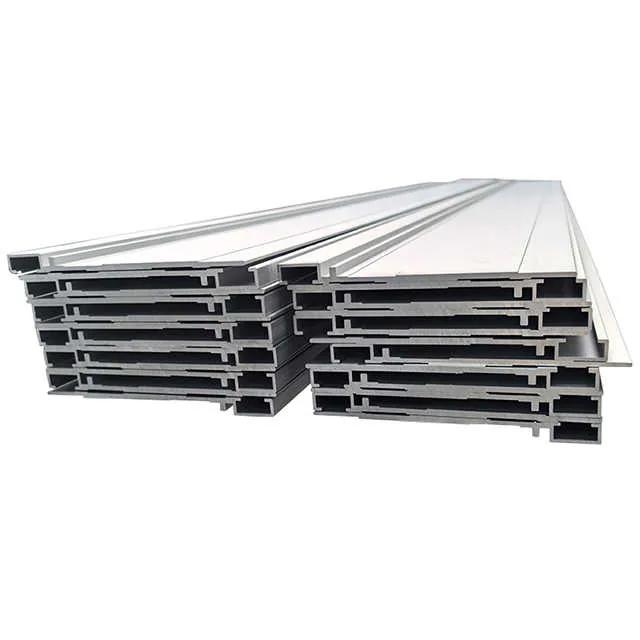
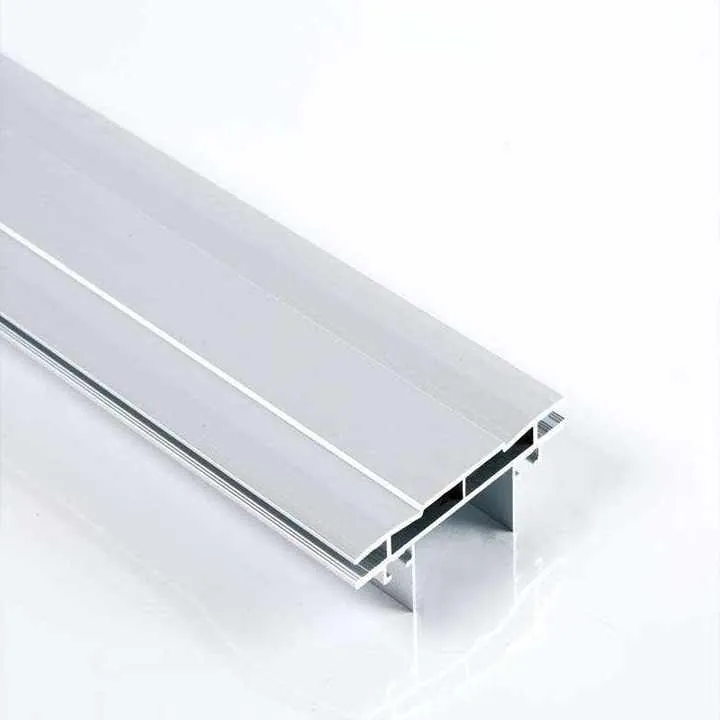
Alumiiniumist ekstrusioon kasvuhoone raamide jaoks?

Kasvuhooned muutuvad tänapäeva põllumajanduses üha olulisemaks ja nende ehitamiseks on oluline valida õigeid materjale. Alumiiniumist ekstrusioon on materjal, mis on üha enam populaarsust kogunud. Aga miks?
Kasvuhoone raamide valmistamiseks kasutatakse tavaliselt alumiiniumi, sest see pakub ainulaadset kombinatsiooni kergest vastupidavusest ja korrosioonikindlusest, mis on oluline välitingimustele ja kemikaalidele kokkupuutuvate konstruktsioonide puhul.
Uurime põhjalikumalt, miks alumiinium on ideaalne valik kasvuhoonekonstruktsioonide jaoks ja uurime konkreetseid eeliseid, mida see kasvatajatele pakub.
Miks kasutatakse kasvuhoonekonstruktsioonides tavaliselt alumiiniumi?
Kasvuhoonete materjalide valikul on oluline arvestada kaalu, tugevust ja korrosioonikindlust. Alumiinium vastab kõigile nõuetele, kuid mis teeb selle eriliseks?
Alumiiniumi eelistatakse kasvuhoonekonstruktsioonides selle kerguse, tugevuse ja vastupidavuse tõttu karmidele keskkonnatingimustele, mistõttu on see ideaalne pikaajaliseks välitingimustes kasutamiseks.

Alumiiniumi tugevuse ja kaalu suhe on üks peamisi põhjusi, miks seda kasutatakse kasvuhooneraamides. Vaatamata oma kergusele on alumiinium piisavalt tugev, et kanda raskeid klaasimaterjale, nagu klaas või polükarbonaat. Selle tugevus tagab, et konstruktsioon püsib aja jooksul stabiilsena, isegi rasketes ilmastikutingimustes.
Teine oluline alumiiniumi eelis on selle korrosioonikindlus. Erinevalt terasest, mis võib aja jooksul roostetada, moodustab alumiinium õhuga kokkupuutel loomuliku oksiidikihi. See oksiidikiht kaitseb metalli edasise korrosiooni eest, mistõttu sobib see ideaalselt väliskeskkondadesse. Kasvuhoones võib pidev kokkupuude niiskuse, niiskuse ja kemikaalidega, nagu pestitsiidid ja väetised, põhjustada teiste materjalide lagunemist. Alumiiniumi korrosioonikindlus tagab, et see kestab palju kauem, vähendades vajadust kuluka remondi või väljavahetamise järele.
Märkimist väärib ka alumiiniumi mitmekülgsus. Ekstrusiooni saab vormida mitmesuguse kuju ja profiiliga, mis võimaldab kasvuhooneid kujundada vastavalt vajadusele. Olenemata sellest, kas teil on vaja lihtsat raami või keerukamat konstruktsiooni, saab alumiiniumi hõlpsasti kohandada vastavalt erinevate kasvuhoonestiilide vajadustele. Alates väikesemahulistest harrastajate seadeldistest kuni suurte äritegevusteni saab alumiiniumist pressprofiile kohandada nii, et need pakuksid vajalikku tuge ja funktsionaalsust.
Jätkusuutlikkuse seisukohast on alumiinium 100% taaskasutatav. See muudab selle keskkonnasõbralikuks valikuks neile, kes soovivad vähendada oma keskkonnamõju. Ringlussevõtu protsess nõuab vaid väikest osa uue alumiiniumi tootmiseks vajalikust energiast, mis vähendab veelgi kasvuhoonete ehitamise üldist ökoloogilist jalajälge.
Alumiinium on korrosioonikindel ja sobib ideaalselt kasvuhoonetes kasutamiseks välistingimustes.Tõsi
Alumiiniumi looduslik oksiidikiht pakub kaitset korrosiooni eest, mistõttu sobib see ideaalselt karmidesse keskkondadesse, näiteks kasvuhoonetesse.
Alumiinium on suurte kasvuhoonekonstruktsioonide jaoks liiga nõrk.Vale
Vaatamata oma kergetele omadustele on alumiinium piisavalt tugev, et toetada suuri kasvuhoonekonstruktsioone, mistõttu on see elujõuline valik nii väikeste kui ka suuremahuliste ettevõtete jaoks.
Millised profiilid pakuvad optimaalset valguse toetust?
Kasvuhoone raamide disain on kriitilise tähtsusega, eriti kui tegemist on valguse maksimaalse kokkupuutega. Alumiiniumprofiilid on võtmetähtsusega, et saavutada parim valguse tugi. Kuidas need aitavad?
Alumiiniumprofiilid on mõeldud kasvuhoonete klaasimaterjalide turvaliseks hoidmiseks, maksimeerides valgusläbivust, säilitades samal ajal struktuurilise terviklikkuse. Erinevad profiilid valitakse sõltuvalt kasvuhoone konstruktsioonist ja konkreetsetest valgusnõuetest.
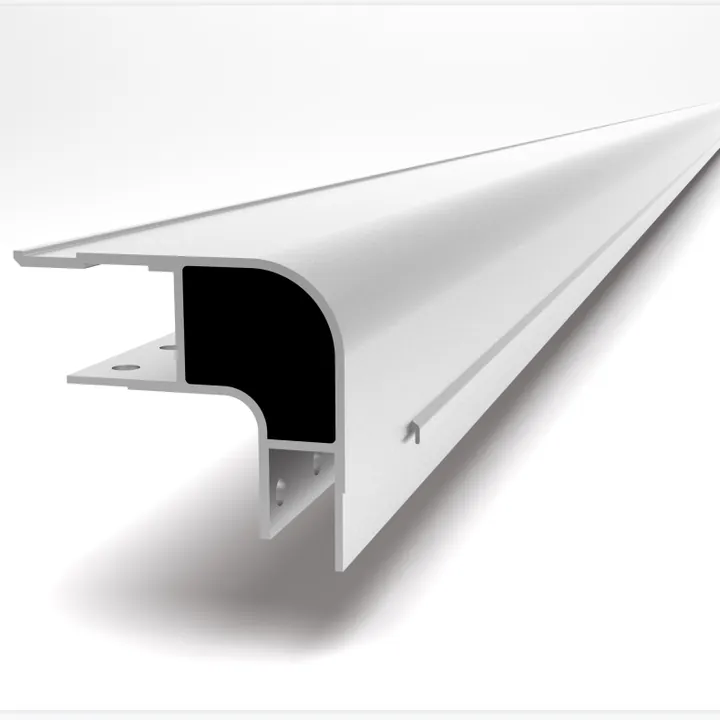
Alumiiniumprofiilide roll kasvuhoones ei seisne ainult konstruktsioonis, vaid ka selles, kuidas nad valgust toetavad. Alumiiniumprofiile kasutatakse tavaliselt klaasimaterjalide raamimiseks, olgu need siis klaas, polükarbonaat või akrüül. Need materjalid võimaldavad päikesevalgusel tungida kasvuhoonesse, mis on taimede kasvuks hädavajalik. Kuid raam peab olema ka piisavalt tugev, et kanda nende materjalide kaalu, ilma et see kahjustaks valguse läbilaskmist.
Kasvuhoone raamide puhul kasutatakse tavaliselt T-, U- ja L-kujulisi alumiiniumprofiile. T-kujulisi profiile kasutatakse sageli selleks, et hoida klaasipaneele nende servades, luues tiheda tihenduse, mis aitab vältida õhu ja niiskuse väljapääsu. U-kujulisi profiile võib kasutada samal eesmärgil, kuid need pakuvad teistsugust esteetilist ja struktuurilist tuge. L-kujulised profiilid on seevastu kasulikud nurkade või ristumiskohtade puhul, kus raam peab kohtuma 90-kraadise nurga all.
Õige profiili valimisel on oluline arvestada klaaside jaoks kasutatava materjaliga. Näiteks on polükarbonaatpaneelid kerged, kuid võivad aja jooksul painduda. Tugevam alumiiniumprofiil on vajalik, et tagada nende paneelide piisav tugi. Seevastu klaaspaneelid on raskemad ja vajavad tugevamat raami, et vältida purunemist või vajumist.
Alumiiniumprofiilid aitavad kaasa ka kasvuhoone üldisele energiatõhususele. Mõned profiilid on projekteeritud nii, et need vähendavad raami kaudu kadunud soojuse hulka, aidates säilitada stabiilset sisetemperatuuri. See on eriti oluline kliimas, kus temperatuurikõikumised võivad mõjutada taimede tervist. Alumiiniumi soojustõhusus koos õige profiiliga võib suurendada kasvuhoone võimet hoida soojust ja pakkuda optimaalseid kasvutingimusi.
Kasvuhoonetes kasutatakse erinevaid alumiiniumprofiile erinevate klaasimaterjalide toetamiseks.Tõsi
T-, U- ja L-kujulised profiilid on tavalised valikud klaas-, polükarbonaat- ja akrüülpaneelide toetamiseks kasvuhoonetes.
Alumiiniumprofiilid ei aita kaasa kasvuhoonete energiatõhususele.Vale
Alumiiniumprofiilid aitavad parandada energiatõhusust, vähendades soojuskadu, muutes kasvuhoonekeskkonna taimekasvuks stabiilsemaks.
Kas ekstrusioonid suudavad vastu pidada põllumajanduskemikaalidele?
Kasvuhooned puutuvad sageli kokku väetiste, pestitsiidide ja muude kemikaalidega. See tõstatab küsimuse: kas alumiiniumprofiilid suudavad vastu pidada põllumajanduskemikaalidele või on nad kahjustustele vastuvõtlikud?
Jah, alumiiniumprofiilid on vastupidavad paljudele tavalistele põllumajanduslikele kemikaalidele, mistõttu on need ideaalne valik kasvuhoonekeskkondadesse, kus kemikaalidega kokkupuutumine on sagedane.

Üks alumiiniumprofiilide olulisi eeliseid on nende loomulik korrosioonikindlus, mis laieneb paljudele põllumajanduskemikaalidele. Kasvuhoonetes kasutatakse sageli regulaarselt väetisi, pestitsiide, herbitsiide ja muid kemikaale. Mõned neist ainetest võivad olla üsna korrosiivsed, eriti kui nad puutuvad pikema aja jooksul kokku metallraamidega.
Alumiinium on aga tuntud oma vastupidavuse poolest sellistes tingimustes. Metalli oksiidikiht toimib kaitsva barjäärina paljude kemikaalide vastu, mis takistab lagunemist. Näiteks on alumiiniumprofiilid üldiselt vastupidavad sellistele ainetele nagu lämmastikupõhised väetised, pestitsiidid ja herbitsiidid, mida kasvuhoonetes tavaliselt kasutatakse.
Sellest hoolimata võivad mõned kemikaalid aja jooksul siiski mõjutada alumiiniumi, eriti suurtes kontsentratsioonides või äärmuslikes tingimustes. Näiteks võivad tugevad happed ja leelised aeglaselt lõhkuda kaitsva oksiidikihi. Tavaliselt ei ole see siiski probleemiks kasvuhoonetes kõige sagedamini kasutatavate kemikaalide puhul. Alumiiniumi keemilise vastupidavuse täiendavaks parandamiseks kasutavad mõned tootjad täiendavaid katteid või anodeerimist, mis võivad muuta materjali veelgi vastupidavamaks.
Võrreldes teiste materjalidega on alumiinium erakordselt hea. Näiteks teras kipub niiskuse ja kemikaalidega kokku puutudes roostetama, mis võib struktuuri nõrgestada. Seevastu alumiiniumi vastupidavus tagab, et see jääb tugevaks ja toimivaks palju pikemaks ajaks, vähendades remondi- või asendusvajadust.
Alumiinium on vastupidav enamikule kasvuhoonetes kasutatavatele põllumajanduslikele kemikaalidele.Tõsi
Alumiiniumi looduslik oksiidikiht aitab seda kaitsta tavaliste väetiste ja pestitsiidide põhjustatud lagunemise eest.
Põllumajanduskemikaalid söövitavad alumiiniumprofiile kiiresti.Vale
Alumiiniumi oksiidikiht kaitseb seda enamiku põllumajanduskemikaalide eest, muutes selle vastupidavamaks kui teised metallid, näiteks teras.
Kas ekstrusioonid sobivad suurte kasvuhoonete jaoks?
Kasvuhoonete suuruse kasvades kasvavad ka nõuded kasutatavatele materjalidele. Kas alumiiniumprofiilid suudavad toime tulla suurte kaubanduslikes kasvuhoonetes?
Alumiiniumprofiilid sobivad hästi suurte kasvuhoonete jaoks tänu nende tugevusele, mitmekülgsusele ja võimalusele kohandada neid konkreetsete struktuuriliste vajaduste järgi.

Suurte kasvuhoonete puhul on materjali valik oluline nii vastupidavuse kui ka kulutõhususe seisukohast. Alumiiniumprofiilid on nende suurte konstruktsioonide jaoks parim valik, kuna need pakuvad vajalikku tugevust ilma teiste materjalide, näiteks terase, kaalu ja kuludeta.
Alumiiniumi mitmekülgsus võimaldab seda kohandada mitmesuguste kasvuhoonekujunduste jaoks. Suuremahulised tegevused nõuavad raame, mis ei kannata mitte ainult klaasistust, vaid ka muid elemente, nagu niisutussüsteemid, ventilatsioon ja sisemised riiulid. Alumiiniumprofiile saab nende vajaduste rahuldamiseks kohandada, pakkudes tugevat tuge ilma liigse kaaluta. See on eriti oluline äritegevuse puhul, kus iga kilo materjali peab aitama kaasa üldise konstruktsiooni stabiilsusele.
Lisaks tugevusele pakuvad alumiiniumprofiilid lihtsat paigaldamist. Alumiiniumi kerge olemus vähendab transpordikulusid ja lihtsustab montaažiprotsessi, mis on suurte kasvuhoonete ehitamisel väga oluline. Raamide käsitsemiseks ja paigaldamiseks on vaja vähem töötajaid, mis võib oluliselt vähendada tööjõukulusid ehitusfaasis.
Lisaks sellele tähendab alumiiniumi korrosioonikindlus, et isegi suuremahulised kasvuhooned, mis puutuvad kokku karmide ilmastikutingimustega, säilitavad oma terviklikkuse aastaid. See on kriitiline tegur kaubanduslikele kasvatajatele, kes peavad minimeerima hoolduskulusid ja seisakuid. Alumiiniumi pikk kasutusiga ja minimaalsed hooldusnõuded teevad sellest aruka investeeringu mis tahes suuremahulise kasvuhoone projekti jaoks.
Alumiiniumprofiilid sobivad suurte kasvuhoonekonstruktsioonide jaoks.Tõsi
Alumiiniumi tugevus, kohandamisvõimalused ja paigaldamise lihtsus muudavad selle ideaalseks suurte kasvuhoonete jaoks.
Alumiinium on suurte kasvuhooneraamide jaoks liiga nõrk.Vale
Alumiiniumi tugevuse ja kaalu suhe võimaldab tal kanda suuri kasvuhoonekonstruktsioone, ilma et see kahjustaks stabiilsust.
Kokkuvõte
Kokkuvõttes pakuvad alumiiniumprofiilid kasvuhoonekonstruktsioonidele mitmeid eeliseid. Nad on kerged, tugevad ja korrosioonikindlad, mistõttu on need suurepärane valik nii väikeste kui ka suurte kasvuhoonete jaoks. Lisaks sellele taluvad nad põllumajanduskemikaale ja toetavad erinevaid klaasimaterjale, et optimeerida valguse läbilaskmist, mistõttu on need parim valik jätkusuutlikeks, pikaajalisteks kasvuhoonelahendusteks.