


Alumiiniumist ekstrusioon sobivad sulamid painutamiseks?

Paljud alumiiniumprofiilid pragunevad painutamise käigus. Teised kortsuvad või kaotavad kuju kontrolli. Need probleemid raiskavad materjali ja aega. Enamik tõrkeid tuleneb vale sulami või temperatuuri valimisest.
Painutamiseks sobivad alumiiniumist ekstrusioonisulamid, millel on tasakaalustatud tugevus ja plastilisus, mis võimaldavad plastilist deformatsiooni ilma pragunemiseta, näiteks konkreetsed 6xxx ja 5xxx seeria sulamid sobivas temperatuuris.
Painutamine ei ole ainult vormimise samm. See on materjali käitumiskatse. Sulami piiride mõistmine enne painutamist väldib kulukat ümberprojekteerimist ja praaki.
Millised alumiiniumisulamid pakuvad parimat painduvust?
Kehv painduvus üllatab sageli ostjaid. Paberil näevad paljud sulamid välja sarnased. Tegelikkuses on nende painutamiskäitumine väga erinev.
Parima painduvusega alumiiniumisulamid on madala ja keskmise tugevusega sulamid, millel on suur plastilisus, eriti 6xxx-seeria, nagu 6063, ja 5xxx-seeria, nagu 5052.
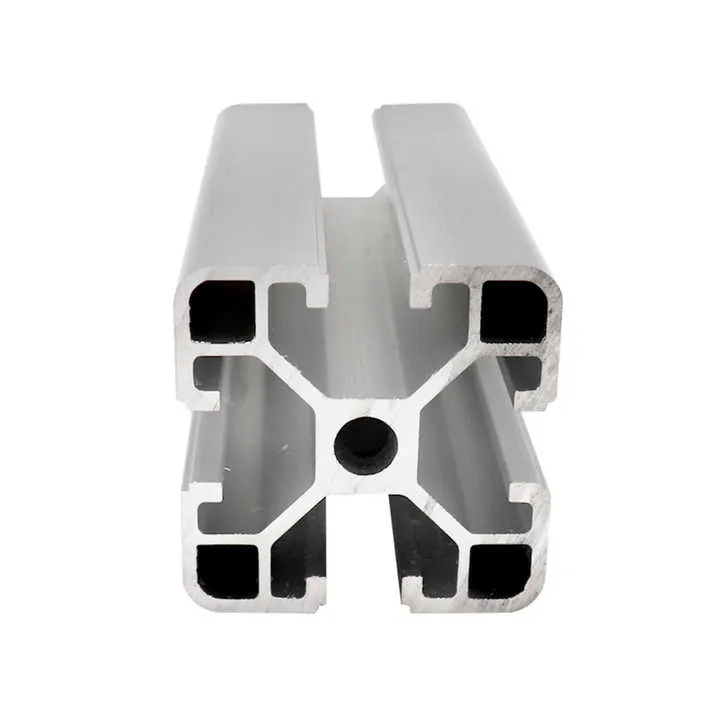
Painduvus sõltub sellest, kui palju pingeid suudab sulam enne pragunemist vastu võtta. See on tihedalt seotud sulami keemia ja terastruktuuriga.
Miks plastilisus on tähtsam kui tugevus
Painutamisel venib välisraadius, samal ajal kui sisemine raadius surub kokku. Kui sulam ei suuda piisavalt venida, tekivad praod.
Suure plastilisusega sulamid võimaldavad:
- Suuremad painderaadiused
- Tihedamad kurvid
- Väiksemad pindmised praod
Kõrge tugevusega sulamid peavad vastu deformatsioonile. See vastupidavus suurendab pragunemisohtu.
Parima tulemuslikkusega sulamiperekonnad
6xxx-seeria sulamid on kõige levinum valik painutatud ekstrusioonide jaoks.
Põhjused on järgmised:
- Tasakaalustatud magneesium ja räni
- Stabiilne teraviljastruktuur
- Ennustatav vastus moodustamisele
6063 kasutatakse laialdaselt kumerate raamide ja arhitektuursete vormide valmistamiseks. 6061 saab ka painutada, kuid nõuab suuremaid raadiusi.
5xxx-seeria sulamid, näiteks 5052, pakuvad veelgi suuremat plastilisust. Need painduvad väga hästi, kuid neid kasutatakse vähem keerukates ekstrusioonitoorikutes.
Painutavuse võrdlus sulami järgi
| Sulam | Suhteline painduvus | Tüüpiline painderaadius |
|---|---|---|
| 6063 | Väga kõrge | Tight |
| 5052 | Väga kõrge | Väga pingul |
| 6061 | Keskmine | Mõõdukas |
| 6005A | Keskmine madal | Suur |
| 7075 | Väga madal | Väga suur |
See tabel näitab selget suundumust. Kui tugevus suureneb, siis painduvus väheneb.
Praktilised nõuanded sulami valiku kohta
Painutamist nõudvate konstruktsioonide puhul:
- Valige madalaima tugevusega sulam, mis vastab koormusvajadustele
- Vältida vaserikaste sulamite kasutamist
- Määrake painutamine varakult projekteerimise käigus
Paljude projektide painutamiskatsete põhjal võib ainuüksi sulami valik vähendada pragunemisohtu rohkem kui poole võrra.
6063 alumiiniumisulam pakub suurepärast painduvust ekstrusiooni painutamistoiminguteks.Tõsi
Selle tasakaalustatud keemia tagab suure plastilisuse ja stabiilse deformatsioonikäitumise.
Suure tugevusega alumiiniumisulamid painduvad üldiselt paremini kui madala tugevusega sulamid.Vale
Suurem tugevus tähendab tavaliselt väiksemat plastilisust ja suuremat pragunemisohtu painutamisel.
Kuidas mõjutab temperatuur painutamisvõimet?
Sulami valik on vaid pool otsusest. Temperatuur otsustab sageli edu või ebaõnnestumise.
Alumiiniumi karastus mõjutab tugevalt painutamisvõimet, sest kõvemad karastused vähendavad plastilisust, samas kui pehmemad karastused võimaldavad suuremat plastilist deformatsiooni.

Temper kirjeldab alumiiniumi termilist ja mehaanilist ajalugu. See kontrollib tugevust, kõvadust ja plastilisust.
Painutamisel kasutatavad tavalised tempereid
Pressitud alumiiniumit tarnitakse sageli nendes temperatuurides:
- T4: lahusega töödeldud ja looduslikult laagerdatud
- T5: ekstrusioonist jahutatud ja kunstlikult laagerdatud
- T6: lahusega töödeldud ja kunstlikult laagerdatud
Kõik käituvad painutamise ajal erinevalt.
Pehmemad tujud painduvad paremini
T4 karastus pakub parimat painduvust. See võimaldab alumiiniumiterade libisemist ja venitamist.
T4 eelised painutamisel:
- Madalam voolavuspiir
- Suurem venivus
- Vähendatud pragunemisoht
T5 ja T6 tempereid on tugevamad, kuid vähem andestavad.
Tugevuse ja vormitavuse vaheline kompromiss
Pehme temperatuuri kasutamine parandab painutamist, kuid vähendab lõpptugevust. Paljudes projektides lahendatakse see nii, et kõigepealt painutatakse ja seejärel vanandatakse.
Tüüpiline lähenemisviis:
- Väljapressimine T4-süsteemis
- Painutamine
- Kuumtöötlemine kuni T6
Selline järjestus parandab nii vormitavust kui ka lõpptulemust.
Temperatuuri mõju võrdlus
| Temper | Tugevuse tase | Painduvus |
|---|---|---|
| T4 | Madal | Suurepärane |
| T5 | Keskmine | Mõõdukas |
| T6 | Kõrge | Vaene |
Temperatuuri eiramine toob sageli kaasa ootamatu pragunemise isegi õige sulami puhul.
Tootmiskogemuse põhjal võib enne painutamist T6-lt T4-le üle minna, mis lahendab paljud rikkejuhtumid ilma sulamit muutmata.
Pehmemad alumiiniumi tempereid, nagu T4, parandavad painutusvõimet.Tõsi
Madalam kõvadus võimaldab suuremat plastilist deformatsiooni ilma pragunemiseta.
T6 karastatud alumiinium paindub suurema tugevuse tõttu kergemini kui T4.Vale
Suurem tugevus vähendab plastilisust ja suurendab pragunemisohtu.
Kas paksuseinalisi ekstrusioone saab puhtalt painutada?
Paksus lisab veel ühe raskusastme. Paljud eeldavad, et paksud seinad ei saa hästi painduda. See ei ole alati tõsi.
Paksude seintega alumiiniumprofiile saab puhtalt painutada, kui sulamit, temperatuuri, painutusraadiust ja tööriistu on nõuetekohaselt kontrollitud.

Seina paksus mõjutab pinge jaotumist painutuse ajal. Mida paksem on seina paksus, seda suurem on pinge erinevus sise- ja välispinna vahel.
Paksude sektsioonidega seotud väljakutsed
Tavalised probleemid on järgmised:
- Välisraadiuse pragunemine
- Sisemise raadiuse kortsumine
- Ristlõike moonutamine
Need probleemid suurenevad paksuse ja kitsaste painderaadiuste korral.
Põhitegurid, mis võimaldavad puhast painutamist
Paksude profiilide puhas painutamine nõuab:
- Piisavalt suur painderaadius
- Pehme karastus enne painutamist
- Sisemine tugivahend
- Kontrollitud painutamiskiirus
Mandrellid või täitematerjalid võivad toetada õõnesprofiile.
Paksude seinte painderaadiuse reeglid
Lihtne suunis on suurendada painderaadiust, kui seina paksus suureneb.
Tüüpiline rusikareegel:
- Õhuke sein: raadius võrdub 1 kuni 2 korda seina paksusega.
- Paks sein: raadius on 3 kuni 5 korda suurem kui seina paksus.
Need on lähtepunktid, mitte garantiid.
Paksude seinte paindetegurid
| Tegur | Mõju painutamisele |
|---|---|
| Seina paksus | Suurem stress |
| Painutusraadius | Kontrollib tüve |
| Temper | Kontrollib plastilisust |
| Tööriistad | Kontrollib kuju |
Paksude seintega detailid õnnestuvad sageli, kui neid painutada mitmes etapis, mitte ühes etapis.
Kaupluse katsete põhjal on enamik paksu pressprofiili painutamise ebaõnnestumisi tulnud sellest, et püütakse kasutada õhukese seinaga reegleid.
Paksude seintega alumiiniumprofiilide painutamine on võimalik nõuetekohase protsessikontrolli korral edukalt painutada.Tõsi
Raadiuse, temperatuuri ja tööriistade reguleerimine vähendab pragusid ja moonutusi.
Paksude seintega alumiiniumprofiile ei saa painutada ilma pragunemiseta.Vale
Pragunemist on võimalik vältida õigete sulami ja painutusparameetrite abil.
Kas teatud sulamid kipuvad painutamisel pragunema?
Jah. Mõned sulamid pragunevad kergesti, isegi kerge painutuse korral. Seda ohtu tuleb varakult mõista.
Teatud alumiiniumisulamid on paindumise ajal pragunemisohtlikud madala plastilisuse, jämeda terastruktuuri või suure hulga legeerivate elementide, nagu vase ja tsingi, tõttu.

Pragunemine on piiratud pingetaluvuse sümptom. Peamist rolli mängib sulami keemia.
Kõrge riskiga sulamirühmad
Suurema pragunemisohuga sulamid on järgmised:
- 2xxx seeria sulamid
- 7xxx seeria sulamid
- Üle vanandatud 6xxx sulamid
Nende sulamite puhul on tugevus tähtsam kui vormitavus.
Miks vask ja tsink suurendavad pragunemist
Vask ja tsink tugevdavad alumiiniumi, kuid vähendavad terade vahelist libisemist. Painutamise ajal kontsentreerub pinge terade piiridel.
See viib järgmise tulemuseni:
- Mikroristlõike tekkimine
- Pragude levik piki painutusjoont
- Äkiline murdumine
Pindmised praod võivad tunduda väikesed, kuid sageli kasvavad need hoolduse käigus.
Terade struktuuri mõju
Jämedad terad halvendavad painutamisvõimet. Nad vähendavad ühtlast deformatsiooni.
Terade suurust mõjutavad:
- Ekstrusiooni temperatuur
- Jahutusmäär
- Sulami koostis
Halb protsessikontroll suurendab pragunemisohtu isegi tavaliselt painutatavate sulamite puhul.
Pragude riski võrdlus
| Sulam | Riskide lõhkumine | Painduvus |
|---|---|---|
| 6063 | Madal | Kõrge |
| 6061 | Keskmine | Keskmine |
| 6005A | Keskmine kõrge | Madal |
| 2024 | Kõrge | Väga madal |
| 7075 | Väga kõrge | Äärmiselt madal |
Projekteerijad peaksid vältima kõrge riskiga sulameid, kui on vaja painutada. Kui see on vältimatu, on suuremad raadiused ja pehmemad tempereid kohustuslikud.
Vigastusanalüüsi põhjal on sulami pragunemine painutamise ajal harva juhuslik. See on prognoositav ja ennetatav.
Vase- ja tsingirikkad alumiiniumisulamid kipuvad painutamise ajal rohkem pragunema.Tõsi
Need elemendid vähendavad plastilisust ja suurendavad pingete kontsentratsiooni.
Kõikidel alumiiniumisulamitel on painutamise ajal sarnane pragunemisoht.Vale
Pragunemisoht varieerub suuresti sõltuvalt sulami keemilisest koostisest ja karastusest.
Kokkuvõte
Edukas alumiiniumi ekstrusiooni painutamine sõltub sulami plastilisusest, temperatuuri valikust, seina paksuse kontrollimisest ja pragude ohu teadvustamisest. Painutussõbralike sulamite ja pehmete tempereide varajane valik ennetab tõrkeid ja tagab puhtad, korratavad painutamistulemused.


