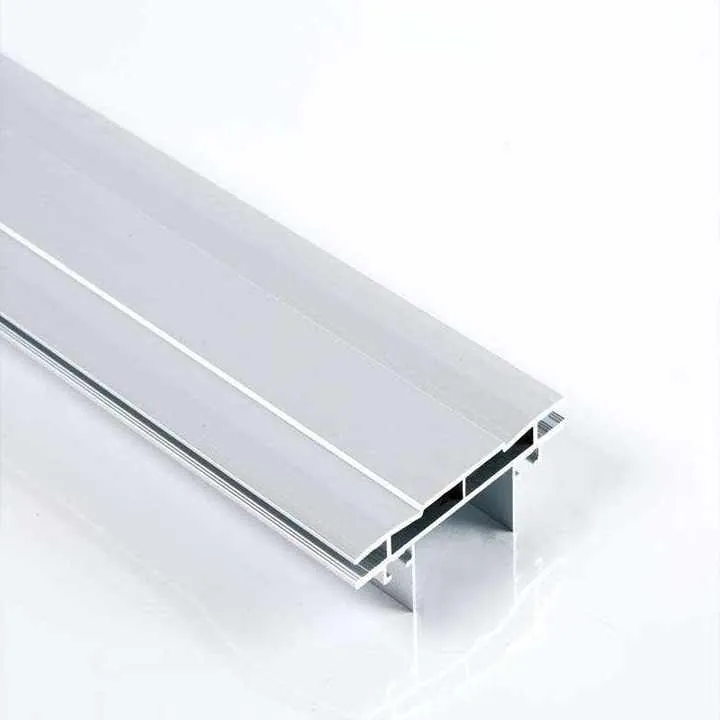

Alumiiniumprofiili standardse seinapaksuse valikud?
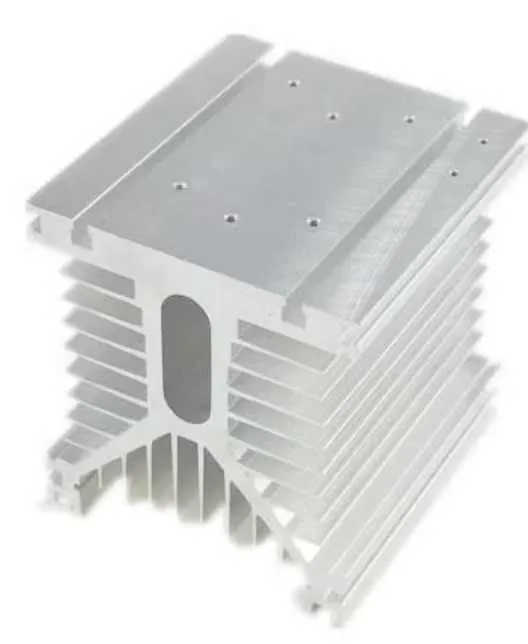
Paljud ostjad võitlevad seinapaksuse otsuste tegemisega. Liiga õhuke tundub riskantne. Liiga paksus raiskab kulusid ja kaalu. See segadus põhjustab sageli viivitusi jooniste koostamisel ja aeglustab pakkumiskutsete esitamist.
Standardseina paksuse valikud on olemas, sest ekstrusioon tasakaalustab tugevust, voolavust, kulusid ja voolavust ning enamik profiile kuulub korratavasse paksusvahemikku, mida on tõestanud tootmisreaalsus.
Nende vahemike mõistmine aitab ostjatel inseneride ja tarnijatega selgelt rääkida ning vältida ümberprojekteerimise tsükleid.
Milliseid seinapaksusi peetakse ekstrusiooni puhul standardseks?

Õhukesed seinad säästavad materjali, kuid suurendavad riski. Paksud seinad tunduvad turvalised, kuid suurendavad kulusid ja võivad põhjustada defekte. Standardseina paksus jääb nende äärmuste vahele.
Enamasti kasutatakse alumiiniumist pressprofiilide seina paksust vahemikus 1,0 mm kuni 6,0 mm, kusjuures 1,5 mm kuni 3,0 mm on kõige tavalisem vahemik stabiilse ja suure tootlikkusega tootmise jaoks.
See vahemik on olemas mingil põhjusel. See peegeldab metalli voolamise käitumist, stantsi tugevust, pressimisvõimet ja kulude kontrolli.
Miks standardid üldse olemas on
Ekstrusioon ei ole ainult kuju. Asi on selles, kuidas alumiinium voolab läbi surumismasina. Väga õhukesed seinad piiravad voolamist ja tõstavad rõhku. Väga paksud seinad aeglustavad jahutust ja vähendavad tootlikkust.
Aja jooksul on tööstusharu leidnud praktilised piirid, mis toimivad paljude presside ja sulamite puhul.
Tavalised standardpaksusega ribad
Igapäevases tootmises koondub seina paksus tavaliselt mõneks ribaks.
| Seina paksuse vahemik | Tüüpiline staatus | Märkused |
|---|---|---|
| 0,8 kuni 1,2 mm | Õhuke sein | Võimalik koos piirangutega, suurem vanarauarisk |
| 1,5-2,0 mm | Väga levinud | Stabiilne voog, hea kulutasakaal |
| 2,0 kuni 3,0 mm | Kõige tavalisem | Tugev, andestav, lihtne mehaaniline töötlemine |
| 3,0 kuni 4,0 mm | Keskmise paksusega | Struktuurne tunnetus, suurem kaal |
| 4,0 kuni 6,0 mm | Paks seina | Kasutatakse laadimiseks või mehaaniliseks töötlemiseks |
| Üle 6,0 mm | Väga paks | Erijuhtumid, madal tõhusus |
Õhukese seina reaalsus
Õhukesed seinad meelitavad disainereid. Need vähendavad kaalu ja näevad moodsad välja. Kuid alla 1,2 mm väheneb ekstrusiooni stabiilsus kiiresti.
Sageli esinevad probleemid:
- Ebatasane voolamine, mis põhjustab väändeid või vööri
- Suurem praak käivitamisel
- Tundlik sureb kulumine
- Piiratud valikud sulamite vahel
Õhukesed seinad on võimalikud, kuid need nõuavad rangemat kontrolli. Samuti suurendavad need ühiku maksumust isegi siis, kui materjali kaal langeb.
Turvaline kesktee
Kogemuste põhjal on 1,8 mm kuni 2,5 mm hea koht. Paljud arhitektuuri-, tööstus- ja süsteemiprofiilid elavad siin.
See vahemik võimaldab:
- Stabiilne voolamine
- Tavaline pressimiskiirus
- Lihtne sirgendamine
- Usaldusväärne pinna kvaliteet
- Paindlik viimistlus
Kui ostjad küsivad “standard”, siis tavaliselt mõtlevad nad seda, isegi kui nad ei ütle numbrit.
Paksud seinad ei ole alati turvalisemad
Vajadusest paksemate materjalide kasutamine ei paranda alati jõudlust. Paksud seinad võivad:
- Suurendada sisemist stressi
- Vähendada jahutuskiirust
- Tõsta ekstrusiooni maksumust meetri kohta
- Hiljem raisku minev töötlusaeg
Tavapärane tava on tihendada ainult seal, kus koormus või mehaaniline töötlemine seda nõuab, mitte kõikjal.
Enamasti kasutatakse alumiiniumist pressprofiilide seina paksust vahemikus 1,5 mm kuni 3,0 mm, sest selles vahemikus on tasakaalustatud voolamise stabiilsus, maksumus ja tugevus.Tõsi
See valik võimaldab stabiilset metallivoolu, head saagist ja paindlikku viimistlust paljude presside ja sulamite puhul.
Mis tahes seinapaksust alla 1,0 mm on alati lihtne ja odav ekstrudeerida.Vale
Väga õhukesed seinad suurendavad survet, praakimisriski ja tööriistade tundlikkust, mis sageli suurendab kulusid, mitte ei vähenda neid.
Kuidas mõjutavad erinevad rakendused seina suuruse valikut?

Seina paksus sõltub rohkem rakendusest kui teooriast. Joonis, mis eirab kasutustingimusi, tuleb sageli uuesti üle vaadata.
Erinevad rakendused mõjutavad seinapaksuse valikut, sest iga rakenduskoha puhul on koormus, vastupidavus, montaažimeetod ja maksumus erinevalt tasakaalustatud.
Arhitektuurilised rakendused
Arhitektuur väärtustab välimust, korrosioonikindlust ja süsteemi sobivust.
Tüüpiline seina paksus:
- Aknad ja uksed: 1,2-1,8 mm
- Kardinate seinakatted: 2,0 kuni 3,0 mm
- Rulood ja varjendid: 1,0 kuni 2,0 mm
Miks need vahemikud töötavad:
- Profiilide tugevus sõltub süsteemi geomeetriast, mitte ainult seina paksusest.
- Suured mahud premeerivad stabiilset, korratavat ekstrusiooni
- Viimistlused, nagu anodeerimine, eelistavad ühtlast seinajaotust
Õhukesed seinad on tavalised, kuid neid toetavad kambrid, ribid ja sügavus.
Tööstus- ja masina raamid
Tööstussüsteemides hinnatakse jäikust, korratavust ja lihtsat kokkupanekut.
Tüüpiline seina paksus:
- Masina raamid: 2,0 kuni 3,0 mm
- Kaitse ja katted: 1,5-2,0 mm
- Konveierid ja rööpad: 2,0 kuni 4,0 mm
Siin on seinad paksemad, sest:
- Profiilid võtavad poldi koormusi
- CNC-töötlemine on tavaline
- Profiilid on korduvkasutatavad paljudes masinates
Veidi paksem seina vähendab niidi eemaldumist ja deformatsiooni.
Transport ja autotööstus
Transport keskendub kaalukontrollile, õnnetusjuhtumite käitumisele ja integreerimisele.
Tüüpiline seina paksus:
- Konstruktsioonitalad: 2,0-4,0 mm
- Patareipesad: 2,5 kuni 4,0 mm
- Sisekujundused: 1,5-2,5 mm
Disainerid varieerivad sageli ühe profiili paksust. Õhukesed seinad vähendavad massi. Paksud profiilid saavad hakkama koormusradadega.
Elektroonika ja termiline
Elektroonika vajab soojuse hajutamist ja mõõtmete kontrollimist.
Tüüpiline seina paksus:
- Jahutusradiaatorid: 1,5 kuni 3,0 mm paksusega ribid
- Korpused: 1,2 kuni 2,0 mm
- LED-profiilid: 1,0 kuni 1,8 mm
Väga õhukesed ribid on võimalikud, kuid ainult teatavate sulamite ja range survevälja kontrolliga.
Taastuvenergia struktuurid
Taastuvate süsteemide prioriteediks on välitingimustes elamine ja kiire kokkupanek.
Tüüpiline seina paksus:
- Päikeserööpad: 1,8-2,5 mm
- Paigaldusraamid: 2,0-3,0 mm
- Inverteri korpused: 1,5 kuni 2,5 mm
Need profiilid peavad aastakümneid vastu pidama tuulele, lumele ja korrosioonile. Veidi paksemad seinad vähendavad pikaajalist riski.
Lihtne rakenduse võrdlus
| Taotlus | Ühine seina paksus | Peamine põhjus |
|---|---|---|
| Arhitektuur | 1,2 kuni 3,0 mm | Tasakaal näeb välja, tugevus, maksumus |
| Tööstuslik | 2,0 kuni 4,0 mm | Jäikus ja mehaaniline töötlemine |
| Transport | 1,5 kuni 4,0 mm | Kaal ja koormusteed |
| Elektroonika | 1,0 kuni 3,0 mm | Soojus ja täpsus |
| Taastuvad energiaallikad | 1,8 kuni 3,0 mm | Välitingimustes vastupidavus |
Praktikas määrab rakenduse valik vahemiku. Siis sulam, pressi suurus ja viimistlus kitsendavad seda veelgi.
Rakendusnõuded mõjutavad tugevalt ekstrusiooni seina paksust, sest koormus, montaaž ja vastupidavus on kasutusjuhu järgi erinevad.Tõsi
Iga rakendus tasakaalustab tugevust, kaalu, kulusid ja töötlemist erinevalt, mis toob kaasa erinevad standardpaksused.
Kõik alumiiniumi ekstrusioonirakendused peaksid tootmise lihtsustamiseks kasutama sama seinapaksust.Vale
Ühe paksuse kasutamine ei arvesta koormuse, montaaži ja jõudluse vajadusi ning suurendab sageli kulusid või rikete riski.
Kas konkreetsete sulamitüüpide jaoks on olemas paksusvahemikud?
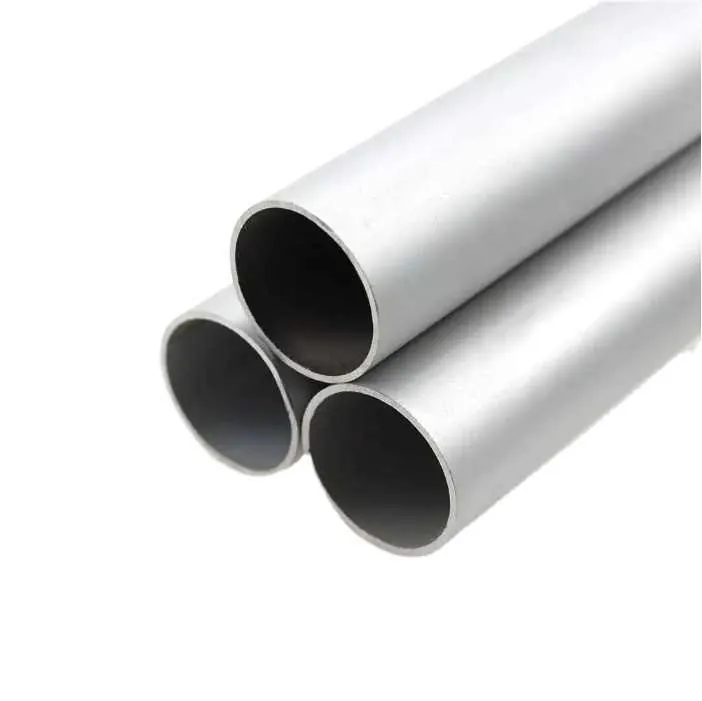
Sulamid käituvad ekstrusiooni ajal erinevalt. Selle eiramine toob kaasa ebastabiilse voolamise või halva pinnakvaliteedi.
Jah, erinevatel alumiiniumisulamitel on praktilised seinapaksuse vahemikud, sest tugevus, voolupinge ja plastilisus on sulamiperekonniti erinevad.
Miks sulam on oluline
Väljapressimise ajal peab alumiinium voolama läbi kitsaste vormiaukude. Pehmemad sulamid voolavad kergemini. Tugevamad sulamid seisavad voolamisele vastu.
See mõjutab:
- Minimaalne saavutatav seinapaksus
- Pinna kvaliteet
- Pressi kiirus
- Die elu
Ühised sulamipered ja paksuse käitumine
6xxx seeria (6063, 6061)
See on kõige tavalisem ekstrusiooniperekond.
Tüüpiline seina paksus:
- Minimaalne praktiline: 0,8-1,0 mm
- Üldine vahemik: 1,5 kuni 3,0 mm
- Ülemine praktiline: 6,0 mm ja rohkem
6063 voolab kergesti ja annab hea pinnaviimistluse. See toetab õhukesi seinu paremini kui paljud sulamid.
6061 on tugevam, kuid voolab halvemini. See eelistab veidi paksemaid seinu.
5xxx seeria
Need sulamid on hea korrosioonikindlus ja tugevus.
Tüüpiline seina paksus:
- Minimaalne praktiline: 1,5 mm
- Üldine vahemik: 2,0 kuni 4,0 mm
Nad peavad voolamisele rohkem vastu kui 6063, seega on õhukesed seinad raskemad.
7xxx seeria
Kõrge tugevus, kuid raskesti ekstrudeeritav.
Tüüpiline seina paksus:
- Minimaalne praktiline: 2,0-2,5 mm
- Üldine vahemik: 3,0 mm ja rohkem
Õhukesed seinad on nende sulamite puhul riskantsed ja kallid.
Sulam versus paksuse kompromissid
Tugevama sulami valimine ei võimalda alati õhemate seinte kasutamist. Sageli juhtub vastupidi.
Projekteerija võib eeldada, et suurem tugevus võimaldab õhemate seinte kasutamist. Ekstrusiooni puhul tähendab suurem tugevus sageli:
- Kõrgem surve
- Madalam kiirus
- Rohkem prahti
See võib teoreetilised eelised tühistada.
Praktilised juhised sulami kohta
| Sulamitüüp | Õhukese seina võime | Kulude stabiilsus | Tüüpilised kasutusviisid |
|---|---|---|---|
| 6063 | Väga hea | Kõrge | Arhitektuur, süsteemid |
| 6061 | Hea | Keskmine | Struktuurne, mehaaniline töötlemine |
| 5xxx | Mõõdukas | Keskmine | Merendus, transport |
| 7xxx | Madal | Madal | Suure tugevusega osad |
Tasakaalustatud konstruktsioonis kasutatakse sageli 6063 või 6061 standardpaksust, seejärel lisatakse sulami vahetamise asemel tugevuse tagamiseks geomeetria.
Erinevad alumiiniumisulamid toetavad erinevaid praktilisi seinapaksuse vahemikke, mis on tingitud voolavuse ja tugevuse erinevustest.Tõsi
Pehmemad sulamid, nagu 6063, võivad toetada õhemate seinte kasutamist, samas kui tugevamad sulamid nõuavad stabiilse ekstrusiooni jaoks sageli paksemaid sektsioone.
Tugevama sulami kasutamine võimaldab alati õhemate pressimisseinte kasutamist ilma tootmisriskita.Vale
Suurema tugevusega sulamid voolavad sageli halvemini ja võivad stabiilsuse ja pinna kvaliteedi säilitamiseks nõuda paksemaid seinu.
Kas tööriistu saab jagada eri seinapaksuste vahel?

Tööriistade maksumus on suur probleem. Ostjad küsivad sageli, kas üks stants saab katta mitu seinavõimalust.
Tööriistu saab mõnikord jagada sarnaste seinapaksuste puhul, kuid märkimisväärsed paksuse muutused nõuavad tavaliselt uusi stantse, et kaitsta kvaliteeti ja tootlikkust.
Miks tööriistad on paksusepõhised
Väljapressimisseade kontrollib metalli voolu. Seina paksus mõjutab:
- Laagri pikkus
- Voolutasakaal
- Rõhu jaotus
- Surma stress
2,0 mm seinte jaoks kavandatud stants ei käitu samamoodi 3,0 mm puhul.
Kui jagamine on võimalik
Väikesed kohandused võivad olla võimalikud piiratud juhtudel.
Näited:
- 2,0 mm kuni 2,2 mm väikeste laagrimuutustega
- Väike kohalik paksendus töötluspadjadele
- Laiade voolumispiiridega profiilid
Need juhtumid vajavad endiselt tehnilist läbivaatamist.
Kui jagamine on riskantne
Tööriistu ei tohiks jagada, kui:
- Paksuse muutus ületab 15-20 protsenti.
- Profiilil on juba õhukesed ja paksud lõigud
- Nõutavad on ranged tolerantsid
- Pinna viimistlus on kriitiline
Vale täringu kasutamine põhjustab sageli:
- Voolujooned
- Mõõtmete nihkumine
- Üleliigne jäägid
- Lühike eluiga
Kulude ja riskide vastandamine
Mõned ostjad soovivad stantside korduvkasutamist, et säästa esialgseid kulusid. See võib minna tagurpidi.
Die maksumus on tavaliselt väike osa:
- Vanametallide maksumus
- Viivitusmaksumus
- Kvaliteedinõude risk
Paksusele vastav stabiilne stants tasub end sageli kiiresti ära.
Töötavad tööriistad
Parem lähenemine on:
- Standardiseerida seinapaksuse perekonnad
- Ümberkasutus sureb sama perekonna piires
- Luua eraldi matriitsid suuremate paksusastmete jaoks
Näiteks hoidke 2,0 mm konstruktsioonid koos ja 3,0 mm konstruktsioonid koos.
Nii luuakse tööriistade raamatukogu, mis toetab kasvu ilma kaoseta.
Väikese seinapaksuse muutmise korral saab mõnikord tööriistu uuesti kasutada, kuid suuremad muudatused nõuavad tavaliselt stabiilseks ekstrusiooniks uusi matriitsid.Tõsi
Vormi disain sõltub seinapaksusest ja suured muutused häirivad voolu tasakaalu ja kvaliteeti.
Ühe ekstrusioonivormiga saab usaldusväärselt toota mis tahes seinapaksust, kohandades pressi seadistusi.Vale
Pressi seadistused ei suuda täielikult kompenseerida suurest seinapaksuse muutusest tingitud vormide geomeetria erinevusi.
Kokkuvõte
Standardsed alumiiniumprofiili seina paksuse valikud on olemas, sest need peegeldavad tegelikke tootmispiiranguid. Enamiku disainilahenduste puhul jääb see vahemikku 1,5 mm kuni 3,0 mm. Rakendused, sulamid ja tööriistade valmistamise otsused täpsustavad seda vahemikku. Selge paksusstrateegia vähendab kulusid, riske ja ümberprojekteerimistsükleid.