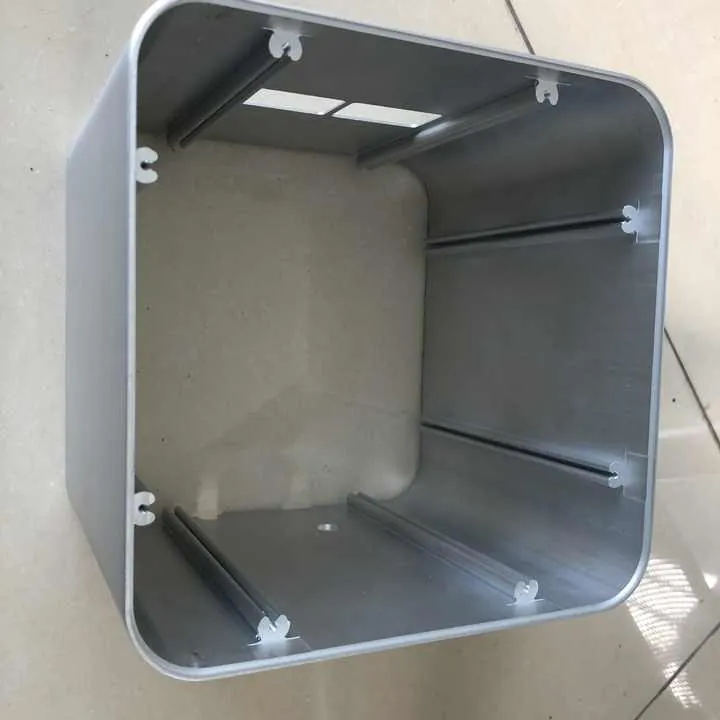
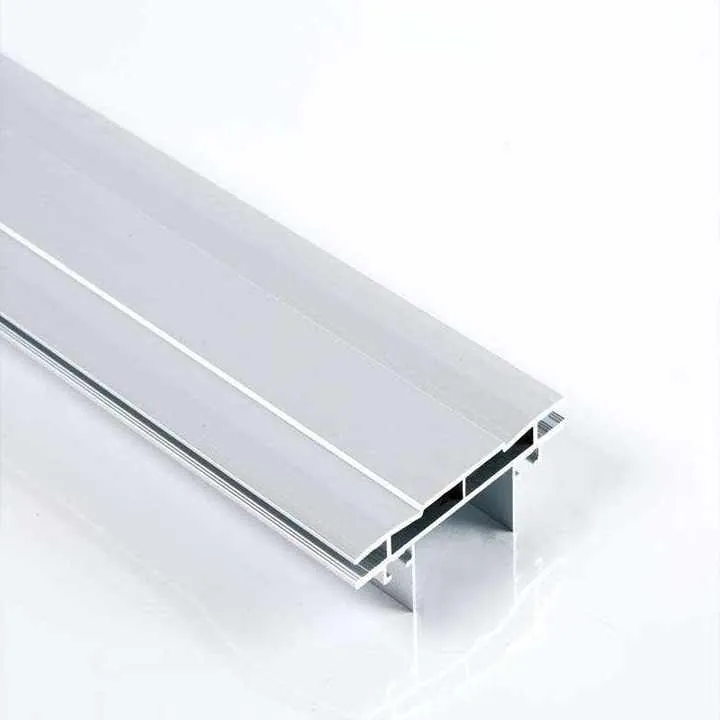
Alumiiniumist ekstrusiooni jahutuskanali disaini võimalused?

Kuumad kohad, ebaühtlane jahutus ja rõhu langus võivad muuta hea toote garantiiprobleemiks. Kui jahutuskanalid on jäänud tagaplaanile, maksab süsteem selle eest tavaliselt müra, lekete ja madala tõhususega.
Alumiiniumi ekstrusioon annab palju praktilisi võimalusi jahutuskanalite projekteerimiseks, alates lihtsatest puuridest kuni keeruliste mitmepoolsete radadeni. Parim valik tasakaalustab voolu, soojusülekannet, puhastatavust, tihendust ja kulusid, mitte ainult ühte mõõdikukorda.
Eesmärk on lihtne: soojuse kiire ja prognoositav liikumine, hoides samal ajal tootmise ja hoolduse kontrolli all. Allpool on jaotatud kanalite kuju, kuidas tehakse sisemised kanalid, millal aitab mitmekäigulisus ja kuidas kogu asi vähemate üllatustega sulgeda.
Millised kanalite geomeetriad optimeerivad jahutusvedeliku voolu?
Halb geomeetria tekitab kaks tavalist riket: suur rõhulangus ja surnud tsoonid. Suur rõhulangus raiskab pumba võimsust. Surnud tsoonid lõksutavad sooja vedelikku ja vähendavad soojusülekannet. Hea kanali kuju väldib mõlemat, jäädes samal ajal realistlikuks ekstrusiooni ja puhastamise jaoks.
Parimad jahutusvedeliku kanali geomeetriad hoiavad kiiruse ühtlasemana, vähendavad järske pöördeid ja suurendavad niisutatud perimeetrit, ilma et tekiksid raskesti puhastatavad taskud. Ümmargused ja sileda kujuga võidusõidurajad on sageli kõige ohutumad, samal ajal kui hoolikalt kavandatud mitmiklappide või tihvtide kujulised kujud võivad suurendada soojusülekannet, kui reostuse oht on väike.

Alusta sellest, mida pump "tunneb"
Flow ei hooli turundusnõuetest. See hoolib hõõrdumisest ja pööretest.
- Ümmargused kanalid on prognoositavad. Nende rõhukadu on antud pindala puhul väike ja neid on lihtne loputada.
- Racetrack (ümardatud ristkülik) sobib sageli paremini õhukestesse seintesse, säilitades samal ajal siledad nurgad.
- Teravad ristkülikud võib luua madala kiirusega nurgad. Need nurgad muutuvad tõelistes jahutusvedeliku ringides mudataskuteks.
- Serpentiinsed teed võib suurendada kiirust ja soojusülekannet, kuid iga kurv lisab kadusid ja võib mullidesse takerduda.
Soojusülekanne ei ole ainult pindala
Paljud meeskonnad ajavad taga pindala ja unustavad puhastatavuse.
- Suurem ümbermõõt võib aidata soojusülekannet.
- Kuid mikroomadused võivad kiiresti ära rikkuda.
- Veidi lihtsam kuju, mis püsib puhtana, võib kuue kuu pärast olla parem kui väljamõeldud kuju.
Geomeetria reeglid, mis tavaliselt toimivad
Järgmised rusikareeglid aitavad varakult otsuseid teha:
- Kasutage ümardatud nurgad kõikjal, kus saate.
- Vältida äkilised laienemised ja äkilised kokkutõmbed.
- Hoidke kõverusi õrn (suurem painderaadius).
- Hoidke kanalite suurused piisavalt suurena, et loputus ja eeldatava osakeste koormuse puhul.
Praktiline geomeetria võrdlus
Alljärgnev tabel on kiire juhend varajase sõelumise kohta.
| Kanali geomeetria | Voolukäitumine | Soojusülekande potentsiaal | Reostuse oht | Märkused ekstrusiooni ja kasutamise kohta |
|---|---|---|---|---|
| Ümmargune | Väga stabiilne, väike kadu | Keskmine | Madal | Kõige lihtsamini prognoositav ja puhastatav |
| Racetrack | Stabiilne, mõõdukas kadu | Keskmine kuni kõrge | Madal kuni keskmine | Hea õhukeste profiilide jaoks |
| Ristkülik (terav) | Nurgas olevad surnud tsoonid | Keskmine | Keskmine kuni kõrge | Vältida, välja arvatud juhul, kui nurgad on ümardatud |
| Multi-lobe | Võib häirida piirikihti | Kõrge | Keskmine | Töötab kõige paremini puhta jahutusvedeliku puhul |
| Väikesed näppude sarnased tunnused | Kõrge segunemine | Väga kõrge | Kõrge | Ainult filtreeritud süsteemide puhul |
Jahutuskanali ümardatud nurgad vähendavad tavaliselt rõhulangust ja vähendavad mudataskute tekkimise võimalust.Tõsi
Ümardatud nurgad vähendavad eraldumist ja nurga surnud tsooni, nii et voolamine on ühtlasem ja prahil on vähem kohti, kuhu settida.
Teravad ristkülikukujulised kanalid tagavad alati parima soojapidavuse, sest nad maksimeerivad pindala.Vale
Teravad nurgad tekitavad sageli madala kiirusega tsoone, mis rikuvad ja vähendavad aja jooksul tõhusat soojusülekannet.
Kuidas võimaldab ekstrusioon sisemisi jahutuskäike?
Paljud inimesed kujutavad väljapressimist kui lihtsat väliskuju. Tegelikkuses võib ekstrusiooniga luua sisemised tühimikud ja läbipääsud ühes etapis, kui matriits suudab seda toetada ja metallivool püsib tasakaalus.
Ekstrusioon võimaldab sisemisi jahutuskäike, kasutades õõnsaid stantse, millel on tülid ja sillad, mis kujundavad pressimise ajal sisemisi tühimikke. Sobiva matriitsitoe, metallivoolu juhtimise ja ekstrusioonijärgse viimistluse abil saab sisekanaleid valmistada korduvalt ilma pikki radu puurimata.

Põhiidee: õõnsat suru moodustub tühimik.
Sisemise läbipääsu loomiseks peab stants hoidma tüve paigal. Tüvel toetub sildadele (mida nimetatakse ka rihmadeks). Alumiinium voolab ümber nende tugede ja sulandub seejärel enne väljumist keevituskambrisse.
See loob kaks reaalsust, mis on olulised jahutuskanalite jaoks:
- Kanali sisemine kuju on võimalik, kuid see peab olema die-feasible.
- Profiilil on keevitusõmblused kus metallivoolud ühinevad, ja need õmblused tuleb paigutada targalt.
Mis kontrollib, kas kanal on teostatav
Mitmed tegurid otsustavad, kas kanalit saab hea tootlikkusega ekstrudeerida.
Metalli voolu tasakaal
Kui profiili üks pool voolab kiiremini, muutuvad seinad õhukeseks ja kanalid võivad moonutada. Abiks on tasakaalustatud seinapaksus ja sümmeetrilised omadused.
Laagrite konstruktsioon ja hõõrdumine
Väljalaske kiirust reguleerivad stantsilaagrid. Hästi häälestatud laager võib panna siseküljed ja välisseinad väljuma koos, vähendades väändumist ja koonust.
Minimaalne seinapaksus ja kangi tugevus
Väga õhukesed siseseinad võivad ekstrusiooni käigus või hiljem käitlemise ajal kokku variseda. Jahutuskanalite puhul on õhukesed seinad samuti korrosiooni ja erosiooni ohus, kui jahutusvedelik on agressiivne.
Järeltöötluse võimalused
Pressitud kanalid vajavad sageli viimistlustoiminguid, et neist saaks usaldusväärne jahutuskomponent:
- Venitus sirgendamine vähendada väändeid.
- CNC-töötlemine sadamate, kollektorite ja tihenduspindade jaoks.
- Koorimispunktide eemaldamine sadamate ristmikel.
- Pinnatöötlus nagu anodeerimine või katmine, kui korrosioonirisk on suur.
Tootmisriski vähendavad disainiharjumused
Sisekäikude kujundamisel aitavad tavaliselt need harjumused:
- Hoidke sisemised funktsioonid lihtne ja sujuv.
- Vältige sama ristlõike seinapaksuse äärmuslikke erinevusi.
- Planeerige sadamate asukohad nii, et keevisõmblused ei asuks kõrgeima pingega tihenduspindadel.
Õõnsad ekstrusioonivormid võivad moodustada sisemisi kanaleid, kasutades sildade abil toetatud tüve, luues üheastmelise sisemise läbipääsu.Tõsi
Õõnsas pressimises kujundab tüvi tühimiku, samal ajal kui sillad toetavad seda, ja alumiinium voolab ümber tugede, et moodustada sisemine õõnsus.
Ekstrusiooniga ei saa luua sisemisi jahutuskanaleid, seega on alati vaja puurida.Vale
Ekstrusiooniga saab otse luua sisemised kanalid, kui kasutatakse õõnsat stantsi ja konstruktsioon on stantsi jaoks sobiv.
Kas mitmekäigulised kanalid võivad parandada termilist tõhusust?
Väikese soojuskoormuse korral võib piisata ühest sirgete läbimisest. Kui aga soojusvoog on suur või ruumipind on kitsas, muutuvad atraktiivseks mitmekäigulised konstruktsioonid. Küsimus on selles, kas lisanduv keerukus tasub end reaalsetes süsteemides ära.
Mitmekäigulised kanalid võivad parandada termilist tõhusust, suurendades jahutusvedeliku viibimisaega, tõstes keskmist kiirust kuumades tsoonides ja vähendades temperatuuri tõusu erinevusi kogu detaili ulatuses. Need toimivad kõige paremini, kui rõhulangus, õhupuhastus ja puhastamine on algusest peale kavandatud.

Miks multi-pass võib aidata
Mitmekordne kanal juhib jahutusvedeliku üle kuuma ala rohkem kui üks kord. See võib aidata kolmel viisil:
- Ühtlasem temperatuur: Jahutusvedelik on sunnitud pühkima alasid, mis ühe läbimise korral võivad jääda vahele.
- Suurem kohalik kiirus: Voolu jagamine kitsamateks läbipääsudeks võib suurendada kiirust ja soojusülekande koefitsienti.
- Piiratud pikkuse parem kasutamine: Kui osa on lühike, lisab serpentiinne tee voolu efektiivset pikkust.
Tegelik kulu: rõhulangus ja pumba võimsus
Iga pööre ja lisapikkus lisab hõõrdekadu. Kui pumba võimsus kasvab liiga palju, võib süsteem üldiselt kuumemini töötada, sest vooluhulk väheneb. See on kompromiss.
Kasulik viis sellest mõtlemiseks:
- Kui süsteem võib endale lubada suuremat rõhulangust, võib mitmekäiguline süsteem olla kasulik.
- Kui pump on juba oma piiri lähedal, võib mitmikjuhtimine tagasilöögi anda.
Õhupuhastus ja mullilõksud
Mitme läbipääsuga paigutused tekitavad sageli kõrgeid punkte, mis püüavad õhku kinni. Kinnijäänud õhk vähendab jahutust ja võib põhjustada müra. Hea konstruktsioon hõlmab järgmist:
- Selge täitmine ja tühjendamine strateegia.
- Kalded või marsruutimine, mis suunab õhu ventilatsiooniavadesse.
- Vältida äkilisi kõrgpunkte kitsaste kurvide lähedal.
Puhastatavus ja kasutusiga
Tööstuslikes jahutusvedeliku ringlustes moodustavad peened osakesed ja lisandid kileid. Mitmekäigulisi kanaleid on raskem puhastada, kui need sisaldavad tihedaid pöördeid või kitsaid lõike. Filtrid aitavad, kuid konstruktsioon on siiski oluline.
Mitme läbimise mustrid, mida tuleks kaaluda
Levinud paigutusviisid on järgmised:
- Serpentiin: Üks pidev tee koos U-pööretega. Lihtne torustik, suurem rõhu langus.
- Paralleelne mitmikjuhtimine: Mitu kanalit paralleelselt, mida toidavad kollektorid. Väiksem rõhulangus, kuid vajab tasakaalustatud jaotust.
- Hübriid: Lühikesed paralleelsed jalad kergete pööretega, eesmärgiga saavutada nii ühtlus kui ka kontrollitav kadu.
Millal tasub multi-pass
Multi-pass on tavaliselt lisatööd väärt, kui:
- Kuumad kohad on tõsised ja lokaliseeritud.
- Jahutusjälg on piiratud.
- Veidi suurem pumba võimsus on vastuvõetav.
- Jahutusvedelikku filtreeritakse ja hooldus on kavandatud.
Mitmekäigulised kanalid võivad parandada temperatuuri ühtlikkust, sundides jahutusvedelikku ühtlasemalt kuuma tsooni pühkima.Tõsi
Kui voolu suunata mitu korda üle soojusallika, saab vähendada kohalikke kuumasid kohti ja ühtlustada detaili temperatuuri.
Mitmekäigulised kanalid vähendavad alati rõhulangust, sest voolu juhitakse hoolikamalt.Vale
Mitmekäigulised teed suurendavad tavaliselt rõhulangust lisapikkuse ja kurvide tõttu, mis lisavad hõõrdumist ja väiksemaid kadusid.
Millised tihendusmeetodid sobivad pressitud jahutuskanalitele?
Jahutuskanal on ainult nii hea kui selle tihendid. Väike leke võib hävitada elektroonika, põhjustada korrosiooni või tekitada ohutusriski. Tihendite valik peaks vastama rõhule, temperatuuritsüklitele, jahutusvedeliku keemiale ja koosteviisile.
Ekstrudeeritud jahutuskanalite tihendusmeetodid hõlmavad tavaliselt O-rõngaid töödeldud soontes, otsetihendeid, joodetud või keevitatud sulgemisi ja mehaanilisi otsakuid. Parim valik sõltub hooldatavuse vajadustest, tolerantside kontrollimisest ja sellest, kas kanal on mõeldud puhastamiseks avatavaks.
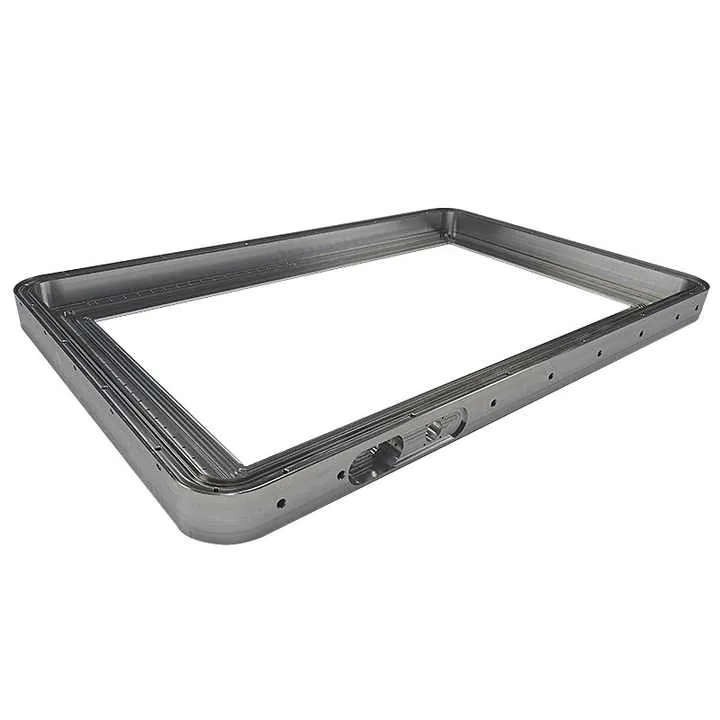
O-rõngad: kõige tavalisem hooldusvariant
O-rõngad töötavad hästi, kui:
- Puutepinnad on lamedad ja kontrollitud.
- soonte mõõtmed on järjepidevad.
- Kompressioon on korrektne ja korratav.
O-rõngad on hoolduseks tugevad, sest kanalit saab avada, puhastada ja uuesti sulgeda.
Tihendid: hea suurte pindade ja madalama rõhu puhul.
Tihendid taluvad väiksemaid pinnamuutusi ja katavad suuremaid pindu. Nad töötavad kõige paremini, kui:
- Surve on mõõdukas.
- Poldi koormus on ühtlane.
- Jahutusvedelik ühildub tihendusmaterjaliga.
Püsivad tihendid: jootmine või keevitamine
Kui kanalit ei tohi kunagi avada, võib alaline sulgemine vähendada lekkeohtu.
- Jootmine saab tihendada katteid ja otsaplaate pideva ühendusega.
- Keevitamine võib olla tugev, kuid võib moonutada õhukesi seinu ja nõuab head protsessikontrolli.
Püsitihendid on tavalised, kui osa on eluaegselt suletud ja hooldusjuurdepääs ei ole vajalik.
Mehaanilised otsakorgid ja pistikud
Otsakorgid on kasulikud sirgete kanalite puhul, mille otsad on ligipääsetavad. Need võivad olla:
- Press-fit pistikud
- Keermestatud pistikud
- Klambrilised otsakorgid koos tihendi või O-rõngaga
Tihenduse valiku kontrollnimekiri
Allpool esitatud tabel aitab sobitada tihendusmeetodit tüüpiliste kasutustingimustega.
| Tihendusmeetod | Parimad selleks, et | Kasutatav | Tüüpiline risk | Lihtne leevendamine |
|---|---|---|---|---|
| O-rõngas soones | Keskmine kuni kõrge rõhk, korduv kokkupanek | Jah | Vale pigistamine või halb pind | Kontrollsoon, täpsustage viimistlus |
| Lame tihend | Suured näod, mõõdukas surve | Jah | Ebavõrdne poltide koormus | Kasutage jäika katet, head poldimustrit |
| Joodetud kate/ots | Kõrge töökindlus, eluaegne pitseeritud | Ei | Protsessi tühimikud | Kvalifitseeritud jootmisprotsess |
| Keevitatud sulgemine | Kõrge tugevuse vajadused | Ei | Moonutamine, poorsus | Kinnitus- ja keevitusprotseduurid |
| Keermestatud pistik | Sirged puurid, juurdepääs otstest | Jah | Lõdvenemine, lekkejäljed | Keermete tihendaja, pöördemomendi kontroll |
Tolerants ja pinnaviimistlus on olulisemad kui tihendi mark.
Paljud lekked, mida süüdistatakse "halbades tihendites", on tegelikult põhjustatud:
- Out-of-flat näod
- Tööriistamärgid, mis ületavad pitseritee
- Valesti reguleeritud poldimustrid
- Ebatasane kokkusurumine väändunud katetest
Ekstrudeeritud jahutuskanalite puhul aitab tihenduspindade töötlemine ühes seadistuses, seejärel kontrollitakse tasasust ja krobelisust. Lihtne kontrollimine säästab hilisemat järeltöötlust.
O-rõngad on sageli hea valik ekstrudeeritud jahutuskanalite jaoks, kui konstruktsioon vajab juurdepääsu hooldusele ja korduvat kokkupanekut.Tõsi
O-rõngad tihendavad hästi kontrollitud soonte abil ja võimaldavad puhastamiseks või parandamiseks lahti võtta.
Joodetud või keevitatud tihendid on alati paremad kui O-rõngad, sest püsivad ühendused ei saa kunagi lekkida.Vale
Püsiliited võivad endiselt lekkida poorsuse, moonutuse või protsessivea tõttu ning need takistavad hooldustöödel juurdepääsu puhastamiseks või parandamiseks.
Kokkuvõte
Head jahutuskanalid tulenevad tasakaalustatud valikutest: hästi voolav geomeetria, ekstrusioonisõbralikud sisekanalid, mitmekäigulisus ainult siis, kui pump ja hooldusplaan seda toetavad, ning tegelikele kasutustingimustele vastav tihendus.