


Alumiiniumprofiilide kasutamine hoonete fassaadidel?

Buildings with aluminum facade pieces sometimes suffer leaks, warping, or heavy maintenance costs.
Using aluminum extrusion properly can cut those risks and deliver long‑lasting facade panels.
Architects and builders can benefit from extrusion’s strength, lightness, and flexibility. Below I show why extrusion is widely used in facades, what benefits it brings, how to design for weather, and when codes might restrict it.
Why is aluminum extrusion common in architectural facades?
Buildings need materials that meet many demands at once.
Because extruded aluminum profiles combine light weight, strength, design flexibility, and ease of fabrication, they become common choices for modern architectural facades.
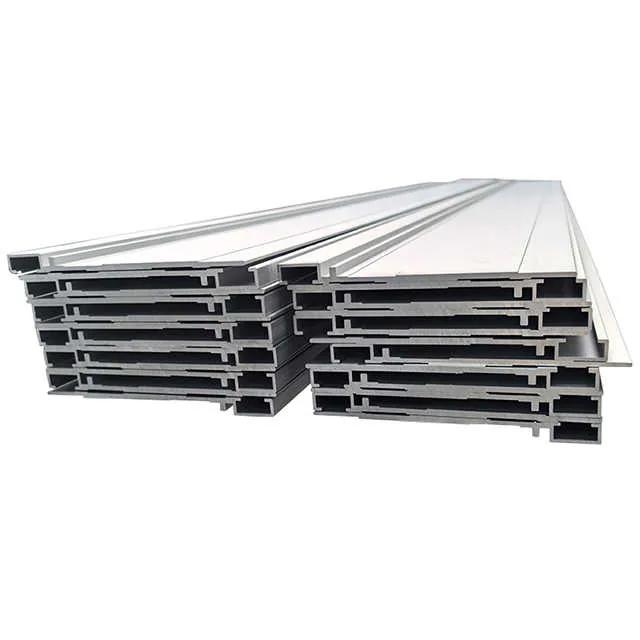
Extruded aluminum shows up a lot in facade design for several reasons. First, aluminum is light compared to steel or concrete. That helps reduce load on building frame. It can cut transport and handling costs. It also lets designers use larger panels without heavy supports.
Second, extrusion allows complex, custom cross‑section shapes. Designers can plan for integrated channels for glazing, drainage, or thermal breaks. They can embed grooves for weather seals or frame supports. That kind of design is harder with flat plate or sheet metal bending alone.
Third, aluminum resists corrosion. Many alloys use corrosion‑resistant alloys or get protective anodizing or coatings. In urban or coastal environments, this resistance helps panels last longer with less maintenance.
Fourth, fabrication is relatively fast and scalable. Once a die is made, extrusion can produce long lengths of profile. Then fabricators can cut, machine, drill, or weld as needed. That makes production more efficient than casting or complex metal fabrication.
Finally, extrusion supports modular construction. Prefab facade modules with extruded frames and panels can speed up building assembly. That helps in high‑rise or large commercial buildings where time and precision matter.
So architects and builders like extruded aluminum because it meets structural, aesthetic, and practical needs in one package.
What are the benefits of using extruded panels?
Extruded panels offer many practical and design advantages.
Extruded panels bring benefits like consistent quality, design flexibility, durability, and easier installation — which often out‑perform traditional materials in facade work.
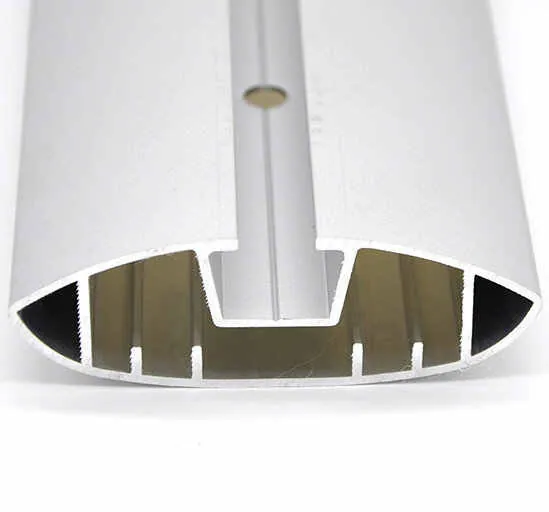
Here are some of the main benefits of extruded panels:
| Kasu | Kirjeldus |
|---|---|
| Kerge kaal | Aluminum is much lighter than steel, reducing structural load |
| Disaini paindlikkus | Custom shapes, integrated features (channels, seals, etc.) |
| Korrosioonikindlus | Alloys and coatings resist weather and rust |
| Dimensional consistency | Extrusion gives repeatable cross‑sections over long runs |
| Ease of installation | Modular panels and lightweight parts simplify assembly |
| Vastupidavus | Long lifespan under weather, less maintenance |
Because of these, extruded panels suit many building types. For example, high‑rise towers where weight matters. Or curtain‑wall facades where you need clean, slim lines. Or commercial buildings needing fast installation.
Extruded panels also allow slim frames with large glass areas. That helps daylight and gives modern aesthetics. Designers can include thermal break channels inside the profile. That improves energy efficiency by reducing heat transfer.
In many cases, extruded panels resist deformation better than sheet‑metal parts. The uniform cross‑section from extrusion helps maintain straightness and flatness. That makes joints and seals more reliable.
Fabricators can also produce many identical units quickly. That reduces per‑unit cost at high volume. For large projects, this cost advantage becomes significant compared to custom welding or casting.
Overall, extruded panels combine performance, cost efficiency, and design freedom. They often deliver better value than alternative materials for facade work.
How are extrusions designed for weather resistance?
Facades face rain, wind, sun, temperature shifts, and moisture. Extrusion design must address these pressures.
Extruded profiles are often designed with drainage channels, seal grooves, thermal breaks and coatings to resist weather, moisture, and thermal stress.
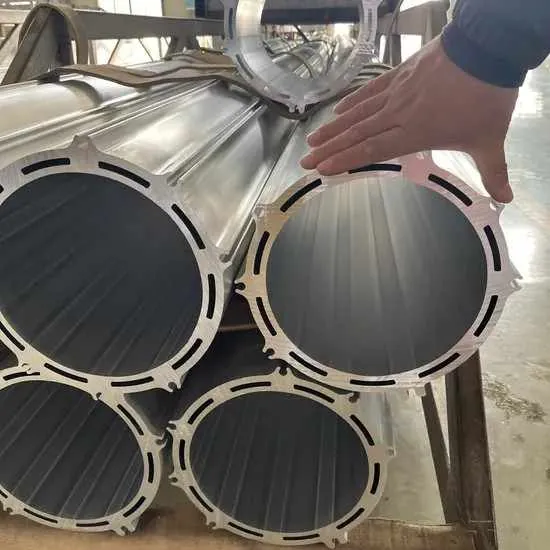
When designing extrusions for facade use, several features matter.
Channels for drainage and seal placement
Profiles often include deep grooves or cavities. These let sealant or rubber gaskets sit inside. They keep out water and wind. They let water drain away rather than pool. Good drainage reduces corrosion and leak risk.
Grooves also hide seal materials from view. That keeps facade clean and sleek.
Thermal break design
Aluminum conducts heat easily. Without thermal break, facade frames can transfer heat or cold into building. To avoid that, extruded profiles may include isolation zones. These zones insert non‑metal thermal barrier (plastic, resin, or specially coated aluminum) inside the profile. That slows heat transfer. That improves energy efficiency, reduces condensation.
Surface coatings and anodizing
Extruded aluminum often gets anodized or powder‑coated. Anodizing adds a protective oxide layer. That helps resist corrosion and fading under sun. Powder coat adds color and weather resistance. In coastal or polluted areas, coatings prevent corrosion from salt or acid rain.
Expansion and contraction allowance
Aluminum will expand or contract with temperature. Good extrusion design leaves room for thermal movement. For instance, slot‑mounting holes or flexible seal zones absorb expansion. That prevents warping or buckling over time.
Strength for wind and seismic loads
Facades undergo wind pressure, vibration, even seismic movement. Extruded frames need design strength. Thick walls, reinforcement ribs inside cross‑sections, and proper anchor channels help keep integrity.
Assembly joints and tolerance control
Good extrusion design ensures tight tolerances across long runs. Joints between panels and glass must fit precisely for good seal. Design must consider manufacturing tolerance, finishing, and installation clearance.
Below is a table summarizing design features and their benefit:
| Design feature | Eesmärk |
|---|---|
| Drainage grooves | Remove water, prevent leaks |
| Seal/gasket channels | Provide weather‑tight seal |
| Thermal break inserts | Reduce heat transfer, improve insulation |
| Kaitsekate | Resist corrosion, UV, weather wear |
| Reinforced ribs/walls | Provide strength under wind or load |
| Laiendustoetus | Prevent stress from thermal changes |
By combining these features, extruded facade systems handle rain, wind, sun, and temperature shifts. That gives long life and stable performance.
Extruded aluminum facades always need thermal break inserts to meet weather resistance needs.Vale
Some facade systems in mild climates may use simple extrusion profiles without thermal break; need depends on climate and insulation requirements.
Including drainage grooves and seal channels in extrusion design helps prevent leaks and extend facade lifespan.Tõsi
Drainage channels and seal grooves guide water away and provide space for weather seals, improving water resistance and durability.
Can building codes restrict facade extrusion use?
Even well‑designed extrusions can run into code limits or regulations.
Building codes and local regulations may restrict facade materials, fire spread, structural load, thermal performance, or finish type — that can limit or specify extrusion facade use.
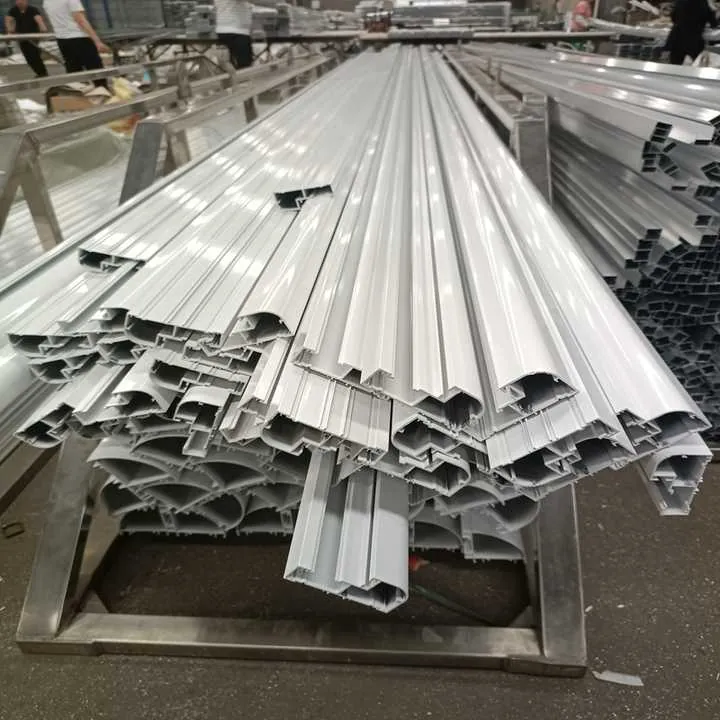
Many regions set rules on facade design to ensure safety, energy efficiency, or fire protection. Using extrusion may trigger those rules.
For example, some codes demand fire resistance or flame-spread ratings for facade materials. Pure aluminum with powder coat may not meet those fire safety grades. In those cases, designers might need fire‑rated panels or additional cladding.
Other rules set minimum insulation or thermal performance for exterior walls. That may require thermal break systems or insulated inserts — simple extrusion may not suffice.
Wind load and structural standards also matter. In high‑wind or seismic zones, facade frames must resist pressure and movement. Codes may mandate certain profile wall thickness, anchor method, or reinforcement. An extrusion design that is too light could fail code.
Also regulations can cover environmental factors. Coastal areas may require corrosion-resistant finishes or certain materials to withstand salt air. Some codes even restrict the use of certain coatings if they contain substances regulated for pollution.
Some codes also control aesthetic or heritage preservation. In heritage zones, aluminum extrusion facades might be disallowed if they conflict with historical appearance.
Here is a summary table of code aspects and possible restrictions:
| Code aspect | Possible requirement or restriction |
|---|---|
| Fire safety / flame rating | Must use fire‑rated cladding or materials |
| Soojusisolatsioon | Require thermal break or insulated core |
| Wind / seismic load | Profile strength, anchoring, wall thickness |
| Corrosion / environment | Use of corrosion‑resistant alloys or special coatings |
| Environmental / finish | Approved coatings, low‑VOC, pollution standards |
| Historic / aesthetic code | Limit on materials or facade appearance |
Because of these, engineers must check local building codes early. They need to confirm that chosen extrusion profiles, finishes, and assembly meet all legal rules.
If extrusion alone cannot meet code, hybrid systems may be needed — for example, extruded frames plus fire‑rated panels, or thermal‑break extrusion plus insulated glazing.
All building codes allow aluminum extrusion facades without restriction.Vale
Many codes restrict facade materials for fire safety, insulation, structural load, so not all aluminum extrusions are automatically permitted.
In coastal or corrosive environments, extrusion facades may require special coatings or alloys to satisfy code requirements.Tõsi
Corrosion‑resistant coatings or suitable alloys may be mandated by local codes for durability in harsh environments.
Kokkuvõte
Aluminum extrusion is popular in facades because it brings strength, lightness, design flexibility, and fabrication ease. Extruded panels offer consistent quality and easier installation than many alternatives. With proper design — including drainage, sealing, thermal breaks, and coatings — they handle weather and last long. Builders must watch code rules for fire safety, thermal, structural, and environmental demands. With careful planning extrusion facades give a durable, efficient, and modern exterior solution.


