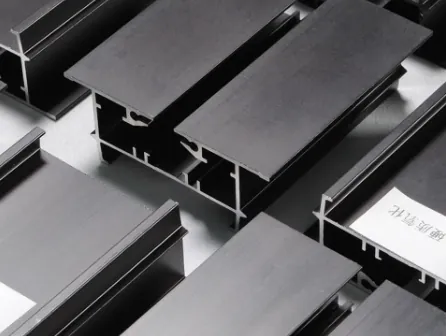
Kui paks peaks jahutusradiaator olema tõhusa soojusjuhtimise tagamiseks?
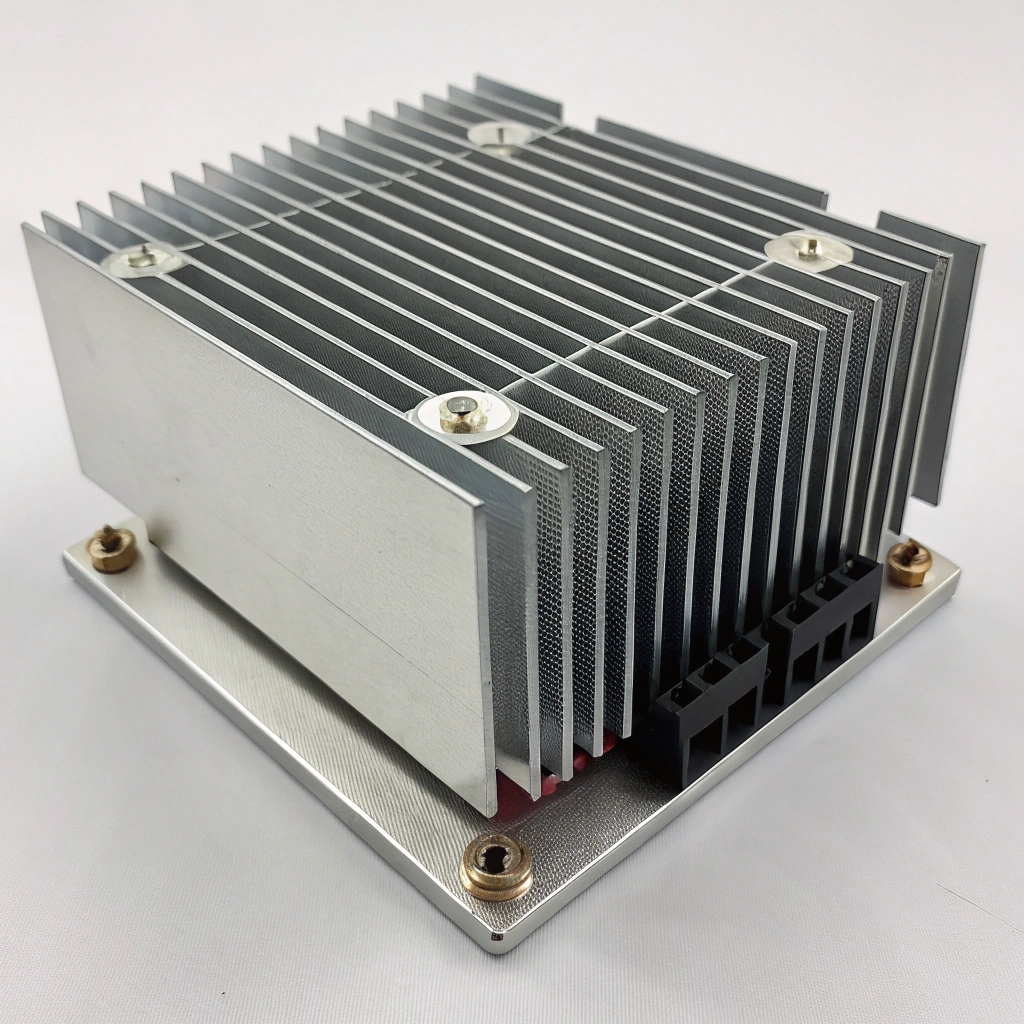
Suur ja mahukas jahutusruum ei tähenda alati paremat jahutust - olen näinud, et kompaktsed konstruktsioonid töötavad paremini lihtsalt seetõttu, et nende paksus ja geomeetria on õige.
Õige paksus sõltub aluse ja lamellide rollist: alus levitab soojuse allikast ja lamellid annavad selle edasi õhku. Mõlemad vajavad tasakaalu, mitte maksimaalset suurust.
Vaatleme, mis määrab ideaalse paksuse, miks on oluline voodiku geomeetria, kuidas tõhusalt projekteerida ja millised moodsad suundumused kujundavad jahutusradiaatorite materjale.
Mis määrab optimaalse jahutusradiaatori paksuse?
Mõned jahutusradiaatorid ebaõnnestuvad isegi siis, kui nad on suured - tavaliselt seetõttu, et nende alus on liiga õhuke või ribid on liiga lähedal. Olen sellega paar korda kokku puutunud, kui olen aidanud kliente ümber projekteerida.
Parim paksus tasakaalustab soojusjuhtivust, vindi tõhusust, aluse levikutakistust, õhuvoolu ja suuruse piiranguid. Te ei saa lihtsalt kõike paksuks teha ja oodata, et see töötaks.
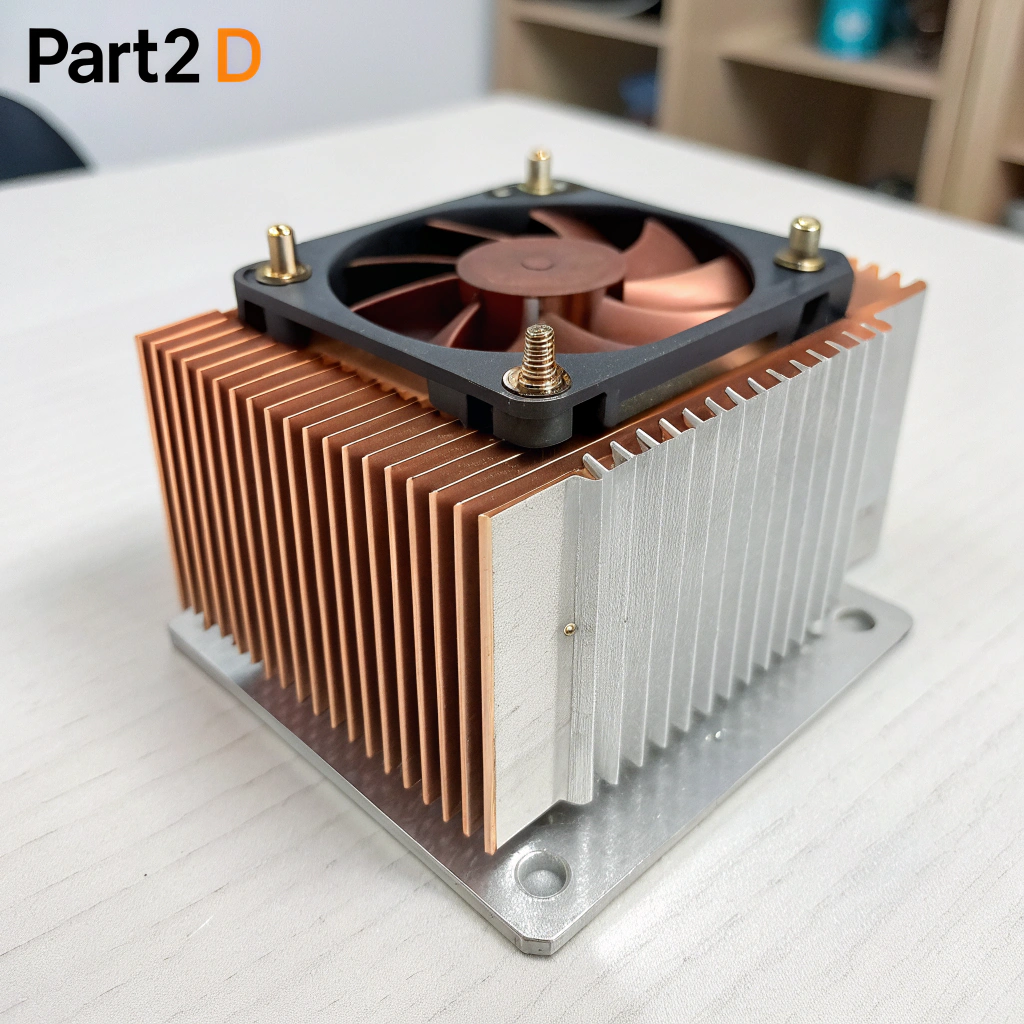
Siin on, kuidas ma seda välja mõistan:
Mida arvestada
| Tegur | Mõju paksusele |
|---|---|
| Aluse paksus | Aitab levitada soojust kogu uime piirkonnas |
| Uime paksus | Mõjutab seda, kui hästi iga uime juhib soojust. |
| Uime vahekaugus | Kontrollib õhuvoolu ja pindala |
| Materjali tüüp | Vask vajab väiksemat paksust kui alumiinium |
| Õhuvool | Loomulik või sundkonvektsioon muudab disaini |
| Taotluse piirangud | Suurus, kaal, kulupiirangud on olulised |
Liiga õhuke alus ei suuda soojust hästi levitada. Liiga õhukesed uimed ei pruugi kanda piisavalt soojust. Kuid kui kõik on paksem, suurendab see kaalu ja kulusid ning võib vähendada õhuvoolu.
Tüüpilised väärtused
- Aluse paksus: Sageli 5-10 mm pressitud alumiiniumi puhul; vase puhul rohkem.
- Uime paksus: Umbes 0,5-1,5 mm alumiiniumi puhul; 0,2-0,6 mm vase puhul.
- Vahemaa: Tavaliselt >4 mm loomuliku konvektsiooni konstruktsioonides.
- Uime kõrgus: Sõltub õhuvoolust ja konstruktsioonist, kuid tavaliselt 20-50 mm.
Eesmärk on lasta soojusel voolata allikast aluspõhja, jaotuda ühtlaselt, liikuda seejärel ribidesse ja väljuda õhku. Kui selle ahela mis tahes osa on suure takistusega, kannatab jõudlus.
Paksemad alusplaadid annavad alati parema soojusjuhtivuse.Vale
Ainult teatud piirini. Pärast teatavat paksust ei aita rohkem metalli, sest õhujahutus muutub kitsaskohaks.
Lamellide paksus mõjutab juhtivust ja õhuvoolu - mõlemad peavad olema tasakaalus, et saavutada hea jõudlus.Tõsi
Liiga õhukesed uimed ei suuda hästi soojust kanda ja liiga paksud uimed blokeerivad õhuvoolu.
Millised on õige uime geomeetria eelised?
Ma nägin kord, kuidas üks disain ei läbinud termilisi teste - mitte sellepärast, et materjal oli vale, vaid sellepärast, et ribid olid liiga lähedal ja blokeerisid õhuvoolu. Rippide vahekauguse muutmine parandas olukorra.
Hästi kavandatud ribide geomeetria parandab jahutust, suurendades pindala, võimaldades sujuvat õhuvoolu ja muutes iga lamelli efektiivseks.
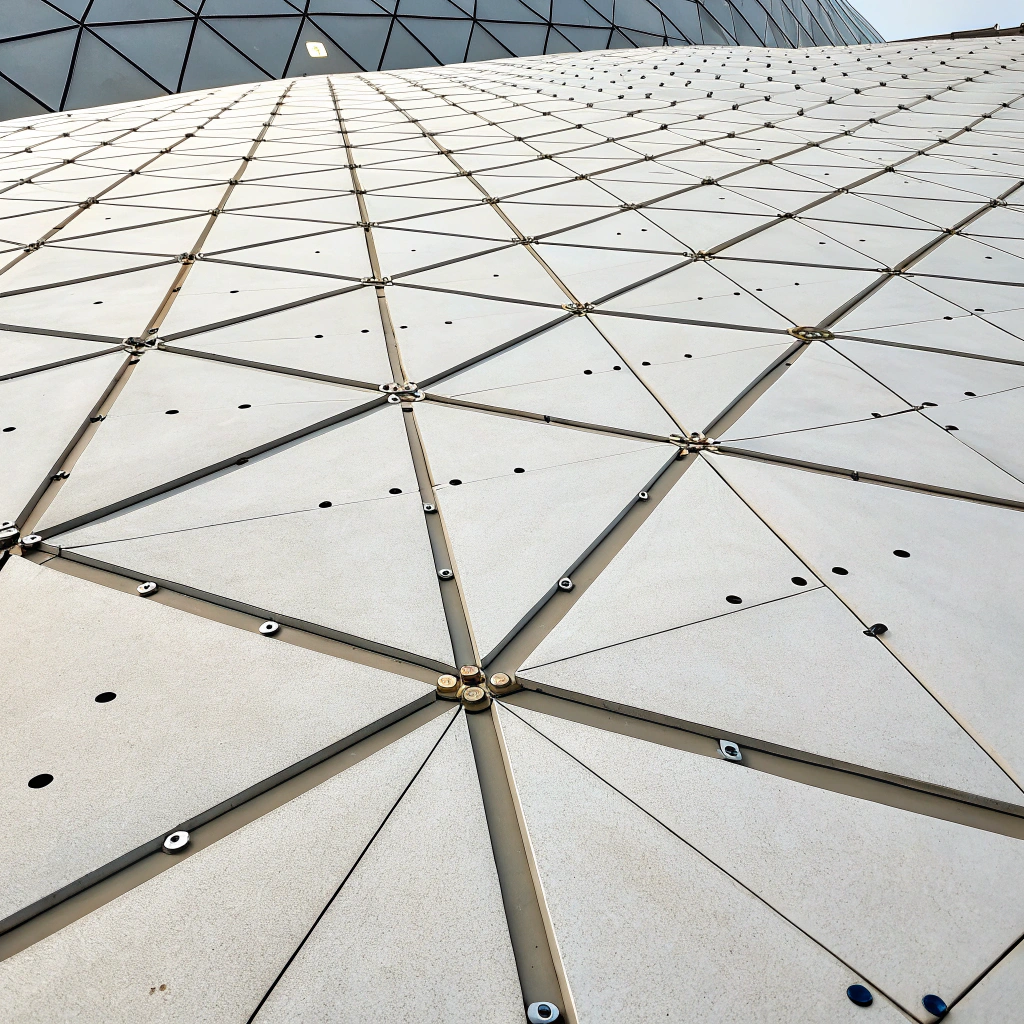
Miks geomeetria on oluline
- Pindala: Suurem pindala = parem soojusülekanne, kui õhk saab liikuda.
- Õhuvool: Õhk vajab ruumi ribide vahel. Liiga tihe tähendab halba jahutust.
- Finni tõhusus: Pikad, õhukesed uimed ei pruugi jääda piisavalt kuumaks tippude lähedal.
- Materjali kasutamine: Hea geomeetria kasutab sama jõudluse saavutamiseks vähem metalli.
- Orienteerumine: Vertikaalsed ribid aitavad kaasa loomulikule konvektsioonile; ristlõikega ribid sobivad sundõhule.
Nõuanded, mis töötavad
| Geomeetria reegel | Kasu |
|---|---|
| Uime vahe ≥ 4 mm | Väldib õhuvoolu blokeerimist |
| Uime kõrgus < 45 × paksus | Hoiab tootmise ja kulud realistlikud |
| Pin lamellid sundõhu jaoks | Käsitleb mitmesuunalist voolu |
| Laiendatud ribid loomulikuks konvektsiooniks | Suurendab vertikaalset õhuvoolu |
Kasutan neid klientide juhendamisel. Küsimus ei ole arvamises, vaid selles, millise kuju abil saab soojus ja õhk koos voolata. See on see, mis annab tõelisi tulemusi.
Uime geomeetria on ainult mehaaniliseks toeks ja ei mõjuta jahutuselemendi jõudlust.Vale
Rippide vahekaugus, kuju ja paksus mõjutavad otseselt õhuvoolu, juhtivust ja konvektsiooni.
Liiga tihedalt paiknevad uimed võivad soojuse kinni panna ja vähendada jõudlust.Tõsi
Tihedad vahekaugused piiravad õhuvoolu, tekitades kuumad kohad ja kehva konvektsiooni.
Kuidas projekteerida ideaalse paksusega jahutusradiaator?
Alustan alati sellest, millist probleemi me lahendame: kui palju soojust, kui kiiresti ja kuhu see läheb. Sealt edasi töötan ma mõõtmete ja materjalidega.
Ideaalse paksuse projekteerimine tähendab, et tuleb mõista oma energiakoormust, materjali piiranguid, õhuvoolu ja suuruspiiranguid. See on samm-sammult tasakaalustamine, mitte arvamine.
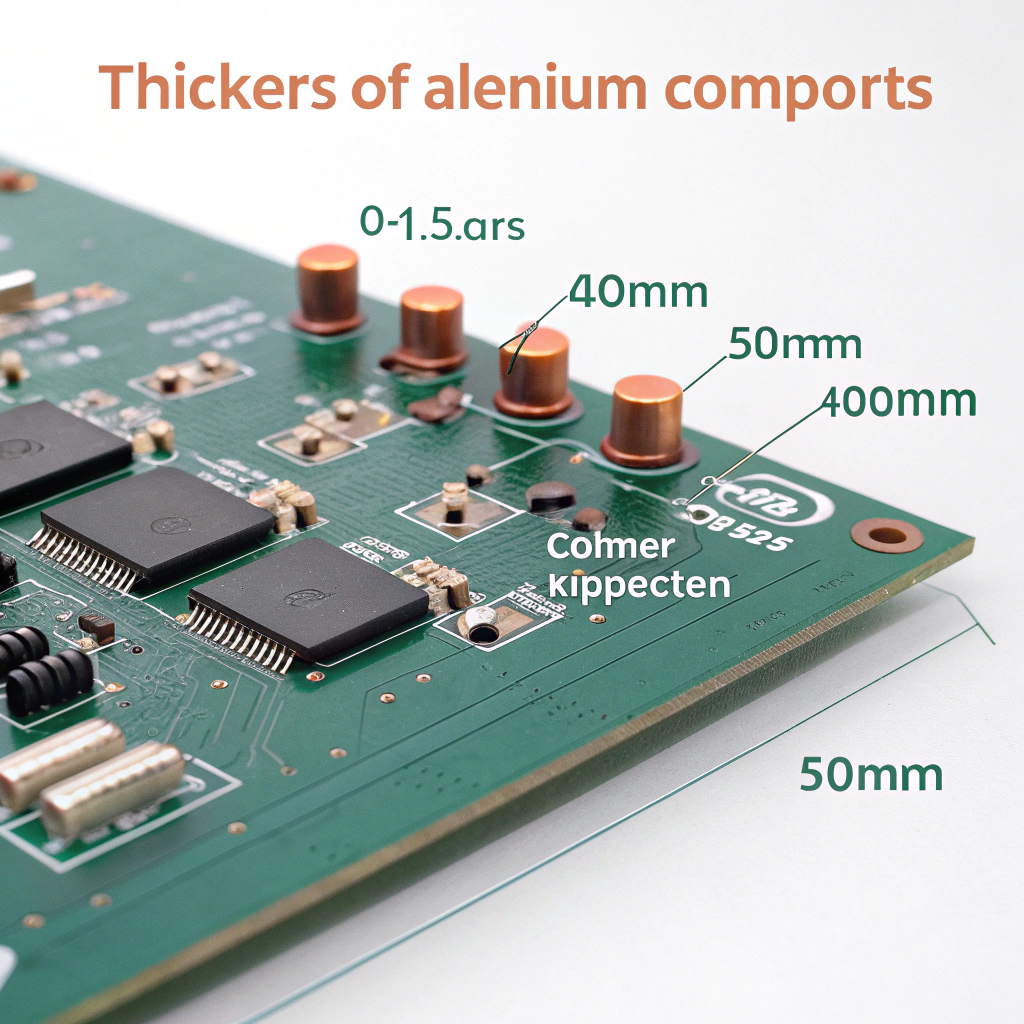
Samm-sammult plaan
-
Määrake termiline eesmärk
- Võimsuskoormus (W)
- Maksimaalne lubatud temperatuuritõus (°C)
- Sihttemperatuuriline soojustakistus (°C/W)
-
Valige materjal
- Alumiinium kergete ja odavate süsteemide jaoks
- Vask kompaktsete, suure jõudlusega valamute jaoks
-
Valige aluse paksus
- Õhuke, kui soojusallikas on lai
- Paks, kui soojusallikas on väike ja keskne
-
Valige uime profiil
- Paksus: 0,5-1,5 mm (Al), 0,2-0,6 mm (Cu)
- Kõrgus: 20-50 mm
- Vahe: ≥4 mm (loomulik konvektsioon)
-
Simuleerida või arvutada
- Kasutage kalkulaatorit või CFD tarkvara
- Kontrollida aluse vastupanu + uime jõudlust
-
Kohandage ja korrigeerige
- Liiga kuum? Paksem alus või rohkem lamelle
- Liiga raske? Õhem alus või lühemad uimed
Näidisjuhtum
| Parameeter | Väärtus |
|---|---|
| Soojuskoormus | 50 W |
| Maksimaalne temperatuuritõus | 40 °C |
| Vastupidavus sihtmärgile | 0,8 °C/W |
| Materjal | Alumiinium 6063 |
| Aluse paksus | 8 mm |
| Uime paksus | 1,2 mm |
| Uime vahekaugus | 5 mm |
| Tulemus | Saavutab eesmärgi koos varuga |
Jahutusradiaatorite projekteerimine algab termilistest eesmärkidest, mitte ainult mõõtmetest.Tõsi
Te ei saa projekteerida õiget paksust, kui te ei tea soojuskoormuse ja temperatuuri piire.
Paksemad ribid parandavad alati jahutusradiaatori jõudlust.Vale
Nad võivad vähendada ribide arvu ja pindala, mis võib kahjustada õhuvoolu ja jahutust.
Millised on edusammud kergete jahutusradiaatorite valdkonnas?
Tänapäeval soovivad kliendid väiksemaid ja kergemaid süsteeme - eriti EV-de, droonide ja kaasaskantavate seadmete jaoks. See tähendab, et vajame paremaid materjale ja nutikamaid kujundeid.
Uutes konstruktsioonides kasutatakse õhemate ribide, segamaterjalide ja soojustorude kasutamist, et vähendada kaalu, jahutades samal ajal elektriseadmeid ohutult.
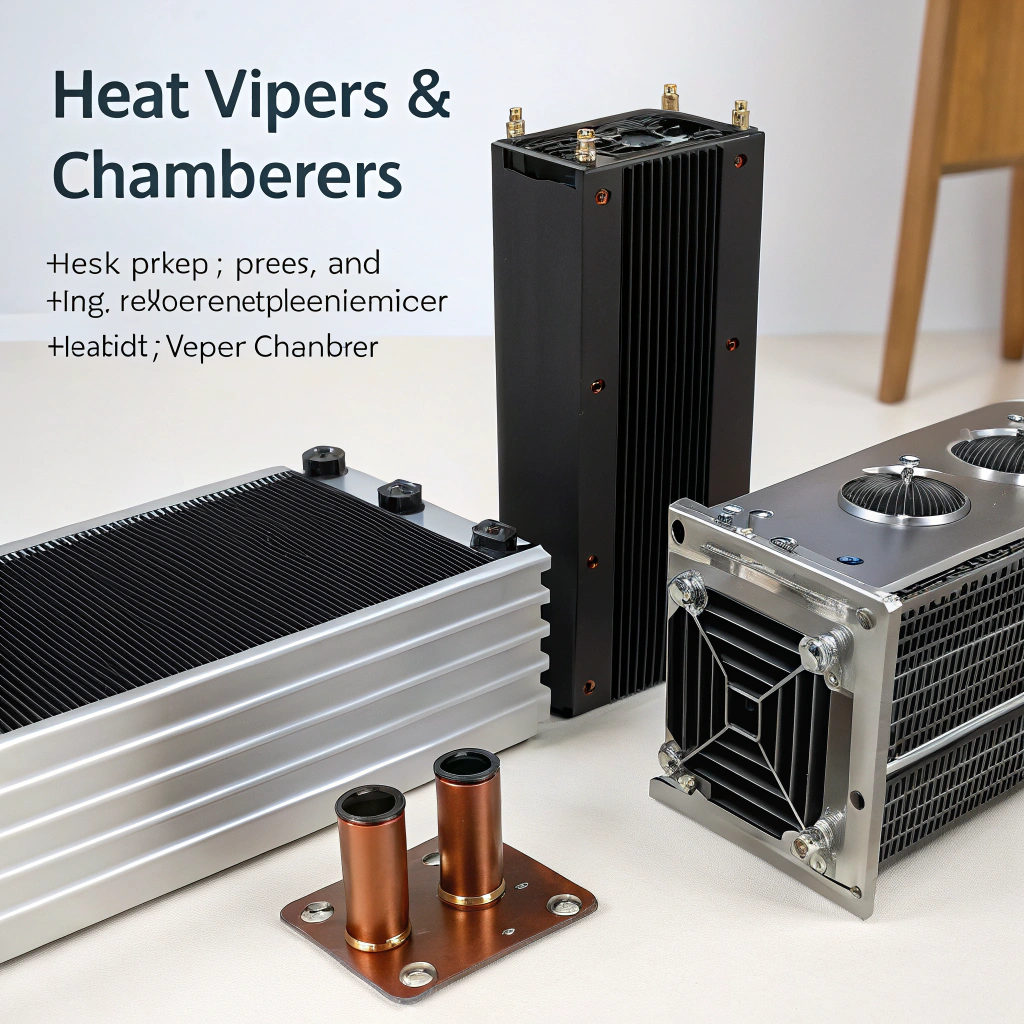
Mis muutub
-
Õhukese uime tehnoloogia
- Skiveeritud ribid võimaldavad meil teha alumiiniumist ribid nii õhukesed kui 0,3 mm
- Rohkem ribisid, parem õhuvool, vähem metalli
-
Hübriidkonstruktsioonid
- Vaskpõhi + alumiiniumist ribid = parem jõudlus väiksema kaaluga
- Levinud kõrgekvaliteedilises elektroonikas
-
Soojustorud ja aurukambrid
- Liigutage soojust kiiresti minimaalse metalliga
- Asendavad sageli paksu aluse
-
3D-trükitud struktuurid
- Kasutage võrega või meekärgiga vorme
- Tugev, kerge ja kohandatud kujuga
-
Pinnakatted
- Must anodeerimine parandab kiirgust
- Nanokatted vähendavad pinnakindlust
Kokkuvõtlik tabel
| Trend | Kasu |
|---|---|
| Kooritud alumiiniumist ribid | Õhem, kergem, parem õhuvool |
| Aurukambrid | Levitage soojust väiksema mahuga |
| Hübriidmaterjalid | Ühendage tugevus ja maksumus |
| 3D-trükitud valamud | Vähem metalli, kohandatud sobivus |
| Kõrge emissiivsusega katted | Passiivse jahutuse suurendamine |
Nüüd pakume õhemate profiilide, kergemate alumiiniumisulamite ja soojusvõimsust suurendavate viimistluste tooteid. Küsimus ei ole enam ainult vormis, vaid süsteemi kogutõhususes.
Kergete jahutusradiaatorite puhul kasutatakse sageli ribisid või aurukambreid, et vähendada nende suurust ja massi.Tõsi
Need meetodid tagavad suure pinna ja kiire soojuse leviku väiksema materjaliga.
Paksemad jahutusradiaatorid on alati paremad kui kergemad, olenemata rakendusest.Vale
Paksemad konstruktsioonid võivad olla raskemad, mahukamad ja vähem tõhusad kaasaegsetes süsteemides.
Kokkuvõte
Õige jahutusradiaatori paksuse valimine tähendab, et teie soojusvajadused sobivad õige materjali, kuju ja õhuvooluga. Liiga paksus raiskab ruumi ja kaalu. Liiga õhukese puhul on oht ülekuumenemiseks. Tänu uutele materjalidele ja arukamatele konstruktsioonidele on nüüd võimalik suure võimsusega elektroonikat tõhusamalt ja kompaktsemalt jahutada kui kunagi varem.