


¿Cuáles son los distintos perfiles de extrusión de aluminio?
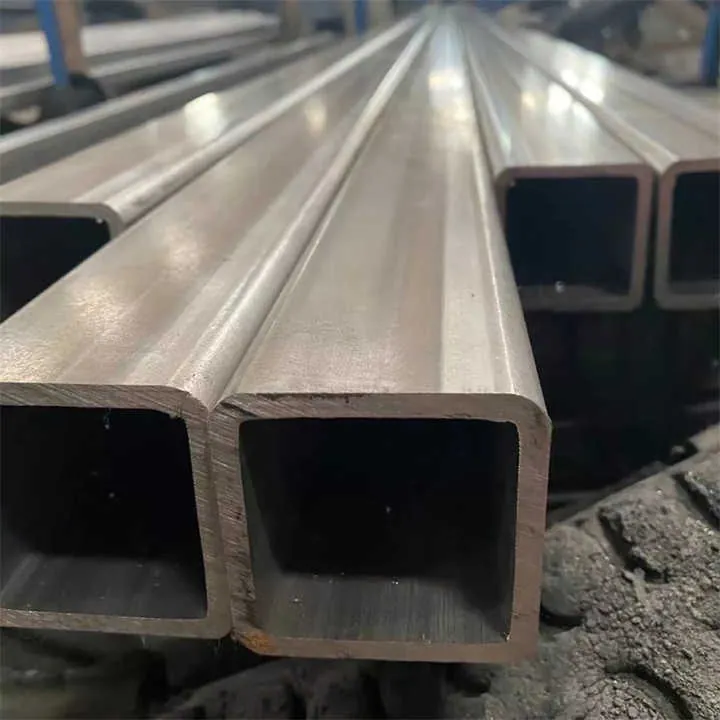
Solía pensar que las extrusiones de aluminio sólo venían en barras sencillas. Entonces vi cuántas formas de perfil existían: me quedé alucinado. (Máximo 30 palabras)
Las extrusiones de aluminio vienen en muchos perfiles estándar y personalizados, incluyendo formas sólidas, huecas y semihuecas. Cada perfil tiene una función distinta en función de su diseño. (Máximo 50 palabras)
Mucha gente no se da cuenta de lo variados que pueden ser los perfiles de aluminio. Exploremos toda la gama de opciones y cómo elegirlas.
¿Qué formas de extrusión estándar hay disponibles?
Cada vez que visitaba el almacén de una fábrica, veía estanterías de extrusiones de aspecto similar. Me preguntaba qué formas básicas tenían siempre en stock. (Máximo 30 palabras)
Las formas estándar de extrusión de aluminio incluyen barras, tubos, ángulos, canales y tes. Están prediseñados y disponibles en la mayoría de los proveedores. (Máximo 50 palabras)
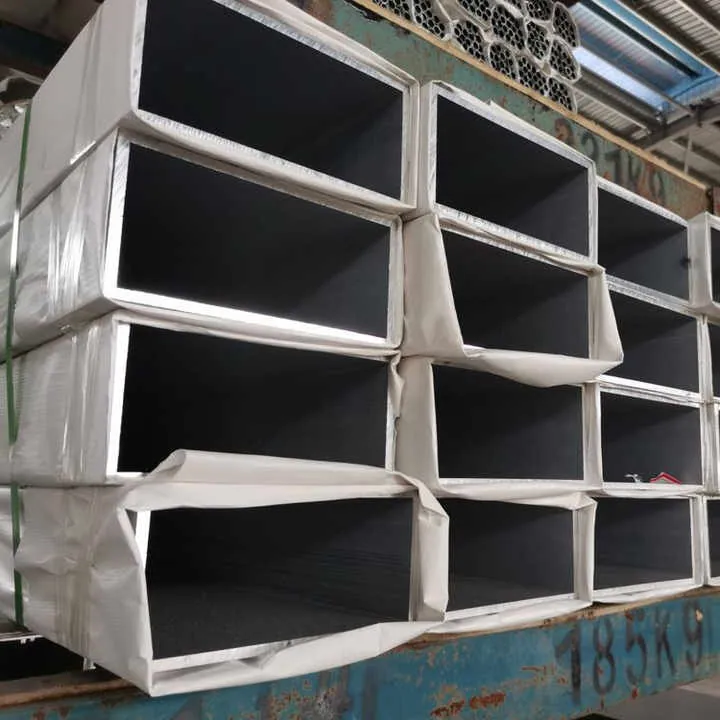
Los perfiles de aluminio estándar son el punto de partida de muchos proyectos. Estas formas se producen en grandes cantidades y son fáciles de conseguir. Las opciones más comunes son tubos redondos, tubos cuadrados, barras planas, ángulos en forma de L y canales en U.
Formas estándar comunes
| Tipo de perfil | Descripción | Usos comunes |
|---|---|---|
| Barra plana | Barra sólida rectangular | Arriostramiento, armazón, accesorios |
| Tubo cuadrado | Perfil cuadrado hueco | Estructuras ligeras |
| Ángulo (L) | En forma de L maciza o hueca | Protección de bordes, esquinas |
| Canal (U) | Perfil en forma de U | Sistemas de vías, guías |
| Tee (T) | Barra en forma de T | Carga, soporte |
| Tubo redondo | Tubo hueco circular | Tuberías, tubos, mobiliario |
| Viga en I | Semejante a una viga en I de acero | Piezas estructurales de alta carga |
Cada una de estas formas sigue un sistema de tamaños estándar. Por ejemplo, un tubo cuadrado puede venir en 20×20 mm, 30×30 mm, etc. Los proveedores pueden cortarlos a medida o suministrar barras completas.
Los perfiles estándar son útiles porque reducen los costes y simplifican el inventario. No se necesitan matrices personalizadas. Suelo empezar a crear prototipos con barras estándar, y luego paso a las personalizadas solo si es necesario.
Las formas de extrusión estándar incluyen barras planas, tubos cuadrados y canales en U.Verdadero
Son formas comunes y muy producidas.
Las extrusiones estándar sólo están disponibles como barras redondas macizas.Falso
Los hay de muchas formas, como tubos, canales y ángulos.
¿Cómo se clasifican las extrusiones: macizas, huecas, semihuecas?
Una vez pedí lo que parecía un tubo, pero me costó mucho más de lo esperado. Resultó que era una semihueca, no una hueca. (Máximo 30 palabras)
Las extrusiones de aluminio se clasifican en macizas, huecas o semihuecas en función de si contienen huecos cerrados. (Máximo 50 palabras)

Las extrusiones se agrupan por su estructura interna:
1. Perfiles sólidos
Los perfiles macizos no tienen huecos. Incluyen barras planas, ángulos, tes, vigas en I y formas en Z.
Ventajas:
- Fuerte y rígido
- Menor coste de utillaje
- Más fácil de extrudir
Ejemplos: Ángulo en L, barra plana, varilla maciza
2. Perfiles huecos
Los perfiles huecos tienen huecos cerrados que los atraviesan, como tubos o tuberías.
Ventajas:
- Ligero
- Permite el paso de cables o fluidos
- Buena relación resistencia/peso
Ejemplos: Tubo redondo, tubo cuadrado, tubo hueco rectangular
3. Perfiles semihuecos
Tienen huecos parcialmente cerrados. El vacío no está completamente sellado.
Ventajas:
- Combina resistencia y ahorro de peso
- Estructura más compleja
Ejemplos: Canales en C con huecos estrechos, ranuras en forma de ojo de cerradura
Tabla: Tipos de clases de extrusión
| Clasificación | Descripción | Forma de la muestra |
|---|---|---|
| Sólido | Sin vacíos | Barra plana, ángulo |
| Hueco | Huecos totalmente cerrados | Tubo cuadrado |
| Semihueco | Aperturas parciales | Canal de ranuras |
Cada clase afecta al coste, la complejidad y el peso. Las extrusiones sólidas son más sencillas y baratas. Las huecas necesitan matrices puente y más control. Las semihuecas se sitúan entre medias. Para mí, entender esto me ayudó a evitar pedidos erróneos y sorpresas presupuestarias.
Los perfiles huecos tienen huecos completamente cerrados y son más ligeros que los perfiles macizos.Verdadero
Los diseños huecos eliminan material, reduciendo el peso.
Las extrusiones semihuecas son siempre más baratas que las macizas.Falso
Suelen requerir matrices más complejas, lo que eleva el coste.
¿Cuáles son las secciones transversales de perfil más comunes? ¿T, U, canal, ángulo?
He visto una extrusión con forma de "Z" y me pregunto si estos perfiles tienen nombres o categorías. (Máximo 30 palabras)
Las secciones transversales más comunes en las extrusiones de aluminio son las formas en T, los canales en U, los ángulos y las formas en Z. Cada una de ellas se elige para necesidades estructurales o de ensamblaje específicas. Cada una de ellas se elige para necesidades estructurales o de montaje específicas. (Máximo 50 palabras)

Los perfiles extruidos suelen recibir el nombre de la letra a la que se parecen. Entre ellos figuran:
T-Shapes
Los perfiles en T parecen una T mayúscula. Se utilizan como conectores o refuerzos estructurales.
Usos:
- Unir dos paneles
- Secciones transversales de apoyo
Canales en U
Son extrusiones en forma de U, también llamadas canales. Suelen utilizarse para raíles o sistemas de montaje.
Usos:
- Mecanismos de deslizamiento
- Guías de cables
Ángulos en L
Tienen un ángulo de 90°, formando una L. Son comunes para proteger esquinas o enmarcar.
Usos:
- Arriostramiento de bordes
- Guardavivos
Perfiles Z
Las formas en Z se doblan en direcciones opuestas, como una "Z". Se utilizan en cubiertas y revestimientos.
Usos:
- Separadores de paneles
- Refuerzos estructurales
Otras secciones comunes
| Forma Nombre | Referencia visual | Caso típico |
|---|---|---|
| Perfil en H | Paredes verticales dobles | Marcos de partición |
| Canal C | Similar a la U con un lado abierto | Montaje en pared |
| Viga en I | Núcleo central con dos bridas | Soportes estructurales |
Algunos clientes los eligen por estética, no sólo por resistencia. Por ejemplo, los perfiles en T proporcionan líneas de unión limpias en muebles o marcos solares. Los canales en U son útiles para soportes de tiras de LED o canales de cableado. Elegir la sección adecuada puede reducir el número de piezas y simplificar el diseño.
Los perfiles en Z se utilizan principalmente en cubiertas y revestimientos.Verdadero
Su forma proporciona espacio y rigidez.
Los canales C siempre están cerrados por todos los lados.Falso
Los canales C tienen un lado abierto.
¿Qué tipos de perfiles especializados o personalizados existen?
Una vez, un cliente me entregó el boceto de una extrusión de forma extraña y me preguntó: “¿Puedes hacer esto?”. Fue entonces cuando conocí los perfiles a medida. (Máximo 30 palabras)
Los perfiles de aluminio especializados o personalizados se diseñan para funciones únicas, con características como enclavamientos, ranuras o marcas. Resuelven problemas de diseño que las formas estándar no pueden resolver. (Máximo 50 palabras)
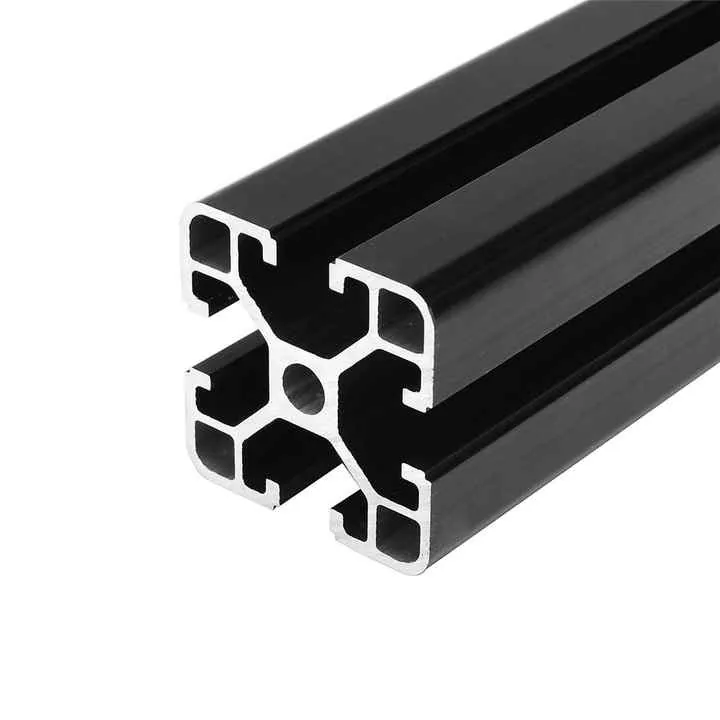
Los perfiles personalizados parten de un boceto o un archivo CAD. El objetivo es que coincidan exactamente con la función de la pieza. Por ejemplo, en los bastidores de paneles solares, los perfiles suelen tener labios de cierre, canales para tornillos y orificios de drenaje incorporados. Esto no puede hacerse con una barra o un tubo estándar.
Características de los perfiles personalizados
- Conectores a presión
- Carriles deslizantes
- Ranuras en T para pernos
- Aletas de refrigeración integradas
- Logotipo personalizado en relieve
Los troqueles personalizados cuestan más al principio. Pero se amortizan en la producción en serie. Ayudé a un cliente a pasar de soldar las piezas a utilizar una extrusión personalizada con todas las características en una sola pieza. Ahorraron 30% en tiempo de montaje.
Tabla: Perfiles estándar frente a perfiles personalizados
| Característica | Perfiles estándar | Perfiles personalizados |
|---|---|---|
| Flexibilidad de diseño | Limitado a formas de catálogo | Totalmente a medida |
| Coste de utillaje | Bajo | Coste inicial elevado |
| Plazos de entrega | Inmediato | Varias semanas |
| Simplificación del montaje | Ninguno | A menudo combina varias partes |
Los perfiles especializados también se utilizan en electrónica. Los disipadores de calor suelen tener aletas profundas y orificios en la base. Los perfiles de las carcasas de los LED incluyen ranuras para cables y difusores. Si su proyecto exige gran precisión o piezas reducidas, la personalización es el camino a seguir.
Los perfiles de aluminio personalizados pueden incluir ajustes a presión y ranuras para tornillos.Verdadero
Estas características están integradas en el diseño de la matriz.
Las matrices personalizadas son más baratas que utilizar perfiles estándar.Falso
El utillaje a medida añade costes, aunque reduce el coste unitario en volumen.
Conclusión
Los perfiles de extrusión de aluminio tienen muchas formas: estándar, a medida, macizos o huecos. Conocer las diferencias ayuda a elegir el más adecuado en función de la función, el coste y la facilidad de montaje.


