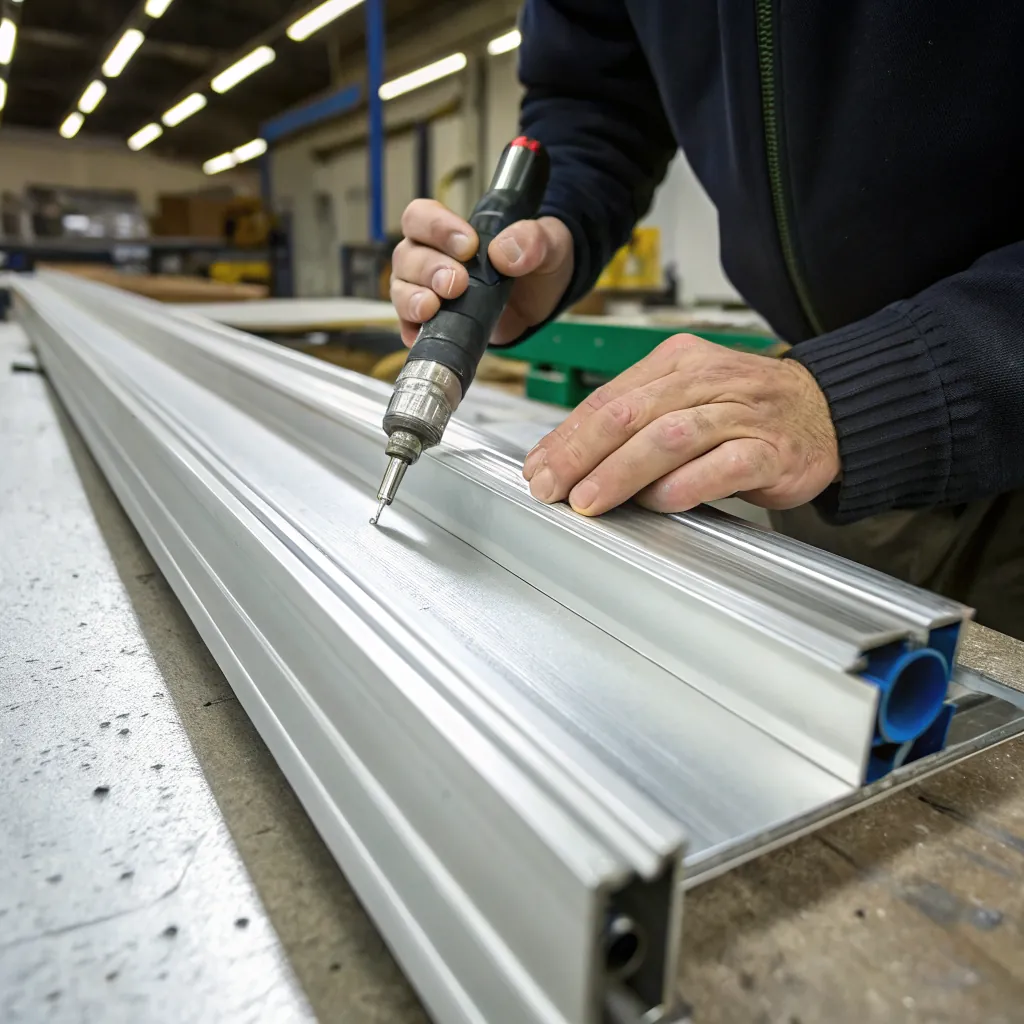
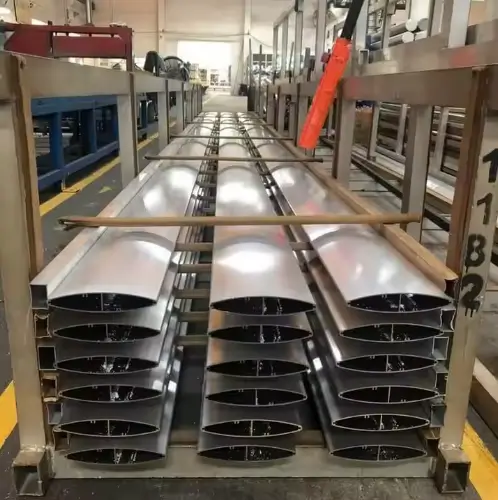
¿Estimación del coste del mecanizado de extrusiones de aluminio?

Muchos compradores se sienten inseguros cuando reciben los presupuestos de mecanizado. Las cifras parecen elevadas. Las explicaciones resultan vagas. El control de los costes se vuelve difícil sin una lógica clara detrás de los precios.
El coste del mecanizado de extrusiones de aluminio depende del tiempo, la complejidad, la configuración y el volumen. Cuando estos elementos se miden con claridad, la estimación de costes se vuelve predecible y manejable.
Este tema es importante porque el mecanizado suele ser la variable más importante después de la extrusión en sí. Un pequeño cambio en el diseño o una decisión sobre el pedido pueden influir más en el coste total que las variaciones en el precio del metal.
¿Qué factores influyen en el coste de mecanizado de las extrusiones?
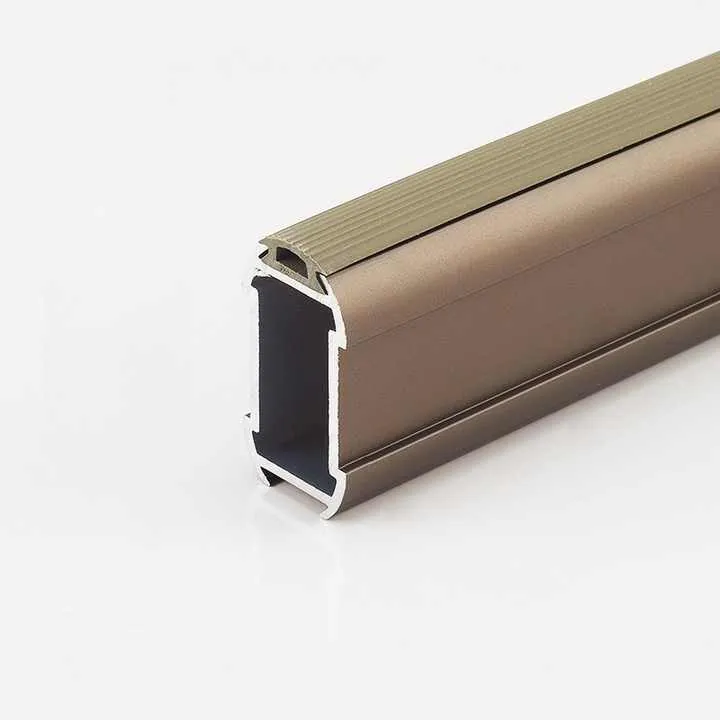
Los costes de mecanizado suelen parecer impredecibles. Dos perfiles similares pueden recibir presupuestos muy diferentes. Esto genera dudas y ralentiza las decisiones.
El coste del mecanizado depende del tiempo de máquina, el esfuerzo de configuración, el desgaste de las herramientas, la cualificación de la mano de obra y los requisitos de control de calidad.
Cada factor añade un coste de forma diferente. Juntos, definen el precio unitario final.
El tiempo de máquina como factor clave de los costes
El tiempo de máquina es el factor que más influye. Las fresadoras CNC y los centros de taladrado cobran por horas. Cuanto más tiempo permanece una pieza en la máquina, mayor es el coste.
El taladrado simple puede tardar unos segundos. El taladrado complejo puede tardar varios minutos. El mecanizado multilateral aumenta el tiempo de manipulación.
Esfuerzo de configuración y cambio
La configuración incluye el montaje de los accesorios, la carga de herramientas, la configuración del programa y las comprobaciones del primer artículo. El coste de la configuración es principalmente fijo por lote, no por pieza.
Los lotes pequeños parecen caros porque el coste de configuración se reparte entre menos unidades.
Desgaste y sustitución de herramientas
El aluminio es blando, pero el mecanizado a alta velocidad sigue desgastando las herramientas. Las fresas de diámetro pequeño se desgastan más rápidamente. Las ranuras profundas aumentan el riesgo de rotura.
El coste de sustitución de herramientas se incluye en los presupuestos de mecanizado, especialmente en trabajos con tolerancias estrictas.
Habilidades laborales y supervisión
El mecanizado de extrusiones requiere operarios cualificados. El trabajo de precisión necesita supervisión e inspección. Los niveles de cualificación más altos aumentan las tarifas por hora.
Los turnos nocturnos y las horas extras también aumentan el costo laboral.
Requisitos de calidad e inspección
Las tolerancias más estrictas requieren más comprobaciones. Los pasos de inspección adicionales ralentizan la producción. Esto aumenta los costes sin cambiar el material.
A continuación se presenta un resumen de los principales factores de costo.
| Factor de coste | Nivel de impacto en los costes | Tipo de coste |
|---|---|---|
| Tiempo de máquina | Alta | Variable |
| Configurar | Medio | Fijo por lote |
| Herramientas | Medio | Variable |
| Trabajo | Medio | Variable |
| Inspección | Bajo a medio | Variable |
El tiempo de máquina es el factor que más contribuye al coste del mecanizado.Verdadero
Las tarifas por hora de las máquinas se ajustan directamente al tiempo de mecanizado.
El coste del mecanizado depende principalmente del precio de la aleación de aluminio.Falso
El coste del mecanizado depende del tiempo de procesamiento y la mano de obra, no del precio del metal.
¿Cómo influyen las características de diseño en el tiempo de mecanizado?

Las decisiones de diseño tomadas en una fase temprana suelen determinar el coste del mecanizado posterior. Muchos problemas de coste comienzan en la fase de diseño.
Las características de diseño afectan directamente al tiempo de mecanizado al cambiar las trayectorias de las herramientas, el número de operaciones y los pasos de manipulación.
Los pequeños detalles de diseño pueden multiplicar el esfuerzo de mecanizado.
Número y tipo de orificios
Cada agujero añade tiempo. Los agujeros pasantes son más rápidos que los agujeros ciegos. Los agujeros roscados tardan más que los agujeros taladrados.
Los agujeros profundos requieren perforación por picado. Esto ralentiza el tiempo de ciclo.
Ranuras, bolsillos y cavidades
Las ranuras abiertas son más fáciles que los bolsillos cerrados. Los bolsillos profundos requieren múltiples pasadas. Las paredes delgadas aumentan la vibración y ralentizan las velocidades de alimentación.
Los bolsillos complejos suelen requerir herramientas más pequeñas, que cortan más lentamente.
Tolerancias y acabado superficial
Las tolerancias estrictas reducen la velocidad. Las máquinas deben funcionar más lentamente. Se requieren más pasadas.
Los requisitos de acabado superficial también son importantes. Un acabado liso puede requerir pasadas de acabado o pulido.
Mecanizado multilateral
Los perfiles que requieren mecanizado en múltiples caras necesitan reposicionamiento. Cada reposicionamiento añade tiempo de configuración y alineación.
Los diseños que permiten el mecanizado por un solo lado reducen los costes.
Longitud y dificultad de manejo
Las extrusiones largas son más difíciles de fijar. Es posible que necesiten soportes especiales. Esto añade tiempo de configuración y ralentiza la carga.
A continuación se muestra una comparación de las características de diseño comunes.
| Característica de diseño | Efecto del tiempo de mecanizado |
|---|---|
| Agujeros pasantes | Bajo |
| Agujeros roscados | Medio |
| Bolsillos profundos | Alta |
| Tolerancias estrictas | Alta |
| Mecanizado multifacético | Alta |
La simplificación del diseño puede reducir significativamente el tiempo de mecanizado.Verdadero
Menos características y tolerancias más flexibles reducen las trayectorias de las herramientas y las operaciones.
El tiempo de mecanizado permanece igual independientemente de la complejidad del diseño.Falso
Las características complejas aumentan los cambios de herramientas y el tiempo de ciclo.
¿El tamaño del lote puede reducir el coste unitario de mecanizado?
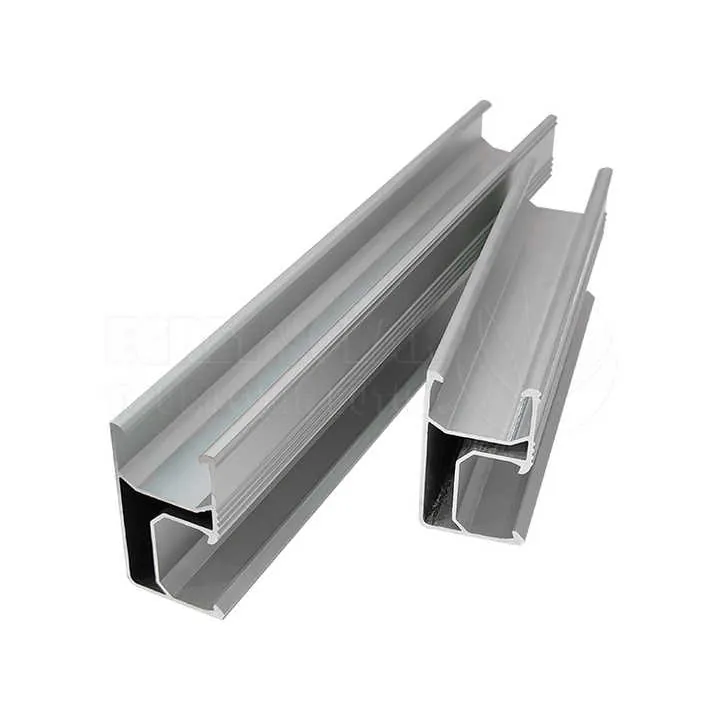
Los compradores suelen centrarse únicamente en el precio unitario. Pasan por alto cómo el tamaño del pedido cambia la estructura de costes.
Los lotes más grandes reducen el coste unitario de mecanizado al distribuir el tiempo de configuración y mejorar la eficiencia de la máquina.
El tamaño del lote afecta al coste más de lo que muchos esperan.
Distribución de los costes de instalación
El tiempo de configuración es fijo por lote. Ya sea que se mecanicen 10 piezas o 1000 piezas, el tiempo de configuración es similar.
Los lotes grandes diluyen este coste. Los lotes pequeños conllevan una gran carga de configuración.
Eficiencia de la vida útil de la herramienta
En lotes más grandes, el desgaste de las herramientas es predecible. Los cambios de herramientas se planifican. Esto mejora la eficiencia.
Los lotes pequeños suelen detenerse antes de que las herramientas alcancen un desgaste estable, lo que desperdicia la vida útil potencial de las herramientas.
Ventajas de la programación y la optimización
Los lotes grandes justifican la optimización del programa. Se ajustan con precisión las velocidades de avance. Se mejoran las trayectorias de las herramientas.
Los pedidos pequeños rara vez se optimizan en profundidad.
Prioridad de programación
Los pedidos grandes suelen recibir prioridad. Esto reduce el tiempo de inactividad entre operaciones. Las máquinas funcionan durante más tiempo sin paradas.
Las paradas frecuentes aumentan el tiempo de inactividad y los costes.
Compromiso entre inventario y flujo de caja
Los lotes más grandes reducen el coste unitario, pero aumentan el inventario. Los compradores deben equilibrar el almacenamiento y el flujo de caja con el ahorro en mecanizado.
Los lotes más grandes suelen reducir el coste unitario de mecanizado.Verdadero
Los costes de configuración y optimización se distribuyen entre más unidades.
El tamaño del lote no influye en el coste del mecanizado.Falso
El tamaño del lote influye considerablemente en el coste de configuración por unidad.
¿Qué herramientas se utilizan para la estimación de costes?

Una estimación precisa de los costes genera confianza. Las estimaciones deficientes provocan disputas y retrasos.
La estimación de los costes de mecanizado utiliza cálculos basados en el tiempo, datos históricos y herramientas de software para predecir el coste unitario.
Cada herramienta tiene sus puntos fuertes y sus limitaciones.
Estimación basada en el tiempo
Este método calcula el tiempo de ciclo para cada operación. Se aplica la tarifa por hora de la máquina. Se añade el tiempo de configuración.
Este enfoque es transparente, pero requiere experiencia.
Estimación basada en características
Se cuentan características como agujeros, ranuras y bolsillos. Cada característica tiene un valor de tiempo estándar.
Este método es rápido, pero menos preciso para piezas complejas.
Comparación de datos históricos
Se utilizan piezas similares anteriores como referencia. Se realizan ajustes en función del tamaño y la complejidad.
Esto funciona bien en entornos de producción estables.
Simulación de software CAM
El software CAM simula las trayectorias de las herramientas y el tiempo de ciclo. Esto proporciona estimaciones detalladas del tiempo.
La precisión depende de la introducción correcta de datos y de los datos de la máquina.
Integración del sistema de cotización
Muchas tiendas combinan métodos. El presupuesto inicial se perfecciona tras la simulación CAM. El presupuesto final equilibra el riesgo y el margen.
A continuación se muestra una comparación de las herramientas de estimación.
| Herramienta de estimación | Nivel de precisión | Velocidad |
|---|---|---|
| Cálculo basado en el tiempo | Alta | Medio |
| Basado en características | Medio | Alta |
| Datos históricos | Medio | Alta |
| Simulación CAM | Alta | Bajo |
La simulación CAM mejora la precisión en la estimación de los costes de mecanizado.Verdadero
Calcula las trayectorias de las herramientas y el tiempo de ciclo con todo detalle.
La estimación de los costes de mecanizado se puede realizar con precisión sin necesidad de datos de proceso.Falso
Una estimación precisa requiere tiempo, características o datos históricos.
Conclusión
La estimación de los costes de mecanizado de las extrusiones de aluminio depende de una comprensión clara del tiempo, el diseño, el tamaño del lote y las herramientas de estimación. Cuando estos factores son visibles, los compradores ganan control, reducen las sorpresas y toman mejores decisiones de abastecimiento.