¿Opciones comunes de aleaciones de aluminio extruido para la producción?
Choosing the wrong aluminum alloy can cause poor extrusion, waste, or delays.
The most commonly used extrusion alloys are in the 6000-series — known for good strength, formability, and finish.
Each alloy has its own strengths. Knowing these helps avoid mistakes and improve production quality.
Which aluminum alloys are most frequently extruded?
Using the wrong alloy wastes time and material.
The most frequently extruded aluminum alloys come from the 6000, 5000, and 1000 series, each serving different performance needs.
Extrusion companies often use alloys from the 6000-series. These alloys combine moderate strength, good corrosion resistance, and excellent workability. Among them, 6063 and 6061 are the most popular. They perform well in most structural and architectural applications.
Common aluminum extrusion alloys
| Serie Alloy | Popular Grades | Usos típicos |
|---|---|---|
| 6000 | 6063, 6061, 6005 | Structural parts, frames, panels |
| 5000 | 5052, 5083 | Marine parts, transport, corrosion areas |
| 1000 | 1100, 1050 | Light-duty, decorative, electrical use |
6063 is favored for its excellent surface finish. It’s great for window frames and architectural profiles. 6061 is stronger and used in mechanical or structural parts. 6005 is stronger than 6063 and slightly harder to extrude but works well for frames and tubes.
The 5000-series is non-heat-treatable but has great corrosion resistance. This makes it good for marine applications or places with high humidity. The 1000-series is very soft and easy to form, but it has low strength. It’s often used for decorative or low-load parts.
Many companies stick with 6000-series alloys because of their balance of features. These alloys also age well with heat treatment, making them even stronger after processing.
6000‑series alloys are the most commonly extruded because they balance flow, strength, and finish.Verdadero
These alloys combine good surface finish, strength, and formability, making them ideal for a wide range of applications.
5000‑series alloys are heat treatable to high strength levels.Falso
5000-series alloys are not heat treatable. Their strength comes from cold working, not aging or heat treatment.
How do 6000 series alloys compare in production?
Some believe all 6000-series alloys perform the same.
6000-series alloys offer a mix of strength, ease of extrusion, and good finish, but each grade behaves differently.

6063 is the easiest to extrude among them. It flows smoothly and produces excellent surface quality. It’s often used in architectural applications where looks matter. 6061, by contrast, is stronger but more difficult to push through dies. It’s used in structural applications. 6005 fits between the two.
Production comparison of 6000-series alloys
| Grado | Resistencia (MPa) | Acabado superficial | Facilidad de extrusión | Uso común |
|---|---|---|---|---|
| 6063 | 200–240 | Excelente | Muy fácil | Frames, decoration |
| 6061 | 260-310 | Bien | Moderado | Partes estructurales |
| 6005 | 240-280 | Bien | Un poco más duro | Tubing, supports |
In a production setting, the choice depends on the end-use. If surface finish and fast production are more important, 6063 is better. If mechanical strength is needed, 6061 or 6005 may be worth the extra effort.
One extrusion plant noticed more tool wear and slower speed when switching from 6063 to 6061. But the final parts were stronger, and this trade-off was acceptable for that project.
The 6000-series as a whole is still the best option for most general-purpose extrusion because of its balance.
6063 offers better surface finish and easier extrusion than 6061.Verdadero
6063 is softer and flows more easily, producing a cleaner and more consistent surface.
6005 extrudes just as easily as 6063 for decorative parts.Falso
6005 is stronger and harder to push through dies, making it less suited for fine decorative profiles compared to 6063.
What are the trade-offs between strength and formability?
Many assume they can get both strength and easy shaping.
Stronger alloys are harder to form; easier-to-extrude alloys have lower strength. Designers must choose based on part function.

Stronger alloys resist flow during extrusion. This makes them slower to work with, requires higher pressure, and may cause defects. On the other hand, softer alloys form easily and allow complex shapes but may not hold up under stress.
Strength vs formability table
| Tipo de aleación | Formabilidad | Fuerza | Uso ideal |
|---|---|---|---|
| Soft (6063, 1100) | Muy alta | Bajo-Medio | Windows, trims, covers |
| Medium (6005, 5052) | Moderado | Medio | Tubes, light structures |
| Strong (6061) | Baja | Alta | Load-bearing parts |
There is no perfect alloy that does both jobs well. If a part must bear weight, a harder alloy like 6061 works best. If the shape is detailed or thin-walled, softer alloys like 6063 reduce waste and tool damage.
In one project, a customer needed a detailed heat sink. The strong alloy they first used caused cracks. When switched to 6063, the shape was perfect. The final part was weaker, but acceptable for the application.
This example shows why choosing based on end-use is key.
Softer alloys are easier to extrude but produce weaker final parts.Verdadero
They deform easily during extrusion, allowing complex shapes, but lack the mechanical strength of harder alloys.
Stronger alloys can always replace softer ones without production problems.Falso
Stronger alloys resist flow and can cause cracking or poor detail in complex shapes, making them unsuitable replacements in many cases.
Are some alloys better for complex profiles?
Some think all alloys handle complex dies the same.
Softer alloys like 6063 and 6063A are best for complex, thin-walled, or detailed extrusions.
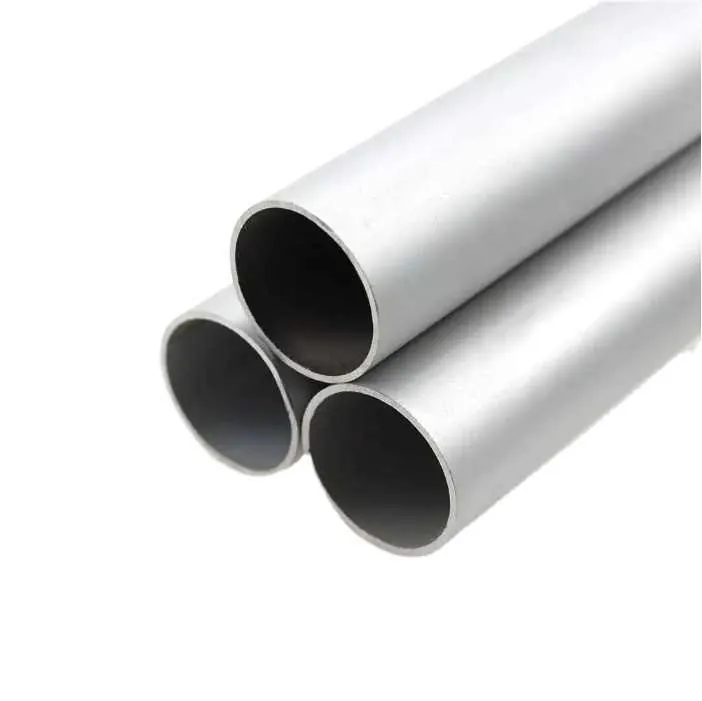
Profiles with fine details need smooth metal flow. Softer alloys allow this. They fill the die cavities more completely and reduce the chance of voids or warping. Stronger alloys may not fill corners or narrow parts well.
Alloy behavior in complex profiles
| Aleación | Complexity Handling | Acabado superficial | Best Application |
|---|---|---|---|
| 6063 | Excelente | Excelente | Decorative, thin frames |
| 6063A | Excelente | Muy buena | Curtain walls, thin walls |
| 6061 | Feria | Bien | Straight, thick shapes |
| 6005 | Moderado | Bien | Simple frames, supports |
A real case involved a custom curtain wall frame with deep grooves and fine slits. 6061 produced rough surfaces and uneven walls. Switching to 6063A solved both problems.
If a shape needs tight angles, hollow channels, or very thin sections, choosing a soft alloy is essential. It saves on rework, improves surface quality, and extends die life.
If the part will bear weight, a compromise may be needed — like reinforcing with extra walls or using a stronger alloy in key areas only.
Soft alloys like 6063 are better for thin or complex shapes.Verdadero
They flow more easily through detailed dies, filling shapes more evenly and reducing defects.
Stronger alloys always work better for detailed shapes due to higher rigidity.Falso
Their lower ductility and poor flow often lead to defects in detailed or thin profiles.
Conclusión
Choosing the right extrusion alloy depends on shape, strength, and use.
Softer alloys suit complex, decorative forms. Stronger ones suit structural jobs.
Balance needs to make the best choice for your production goals.