¿Tipos de envoltura protectora de extrusión de aluminio?

Los daños superficiales suelen aparecer después del envío, no de la producción. Los arañazos, las manchas o la oxidación pueden arruinar buenas extrusiones de aluminio. Muchos compradores solo se dan cuenta del problema cuando llega el envío.
Las envolturas protectoras para extrusiones de aluminio incluyen film de PE, papel kraft, plástico de burbujas, film de espuma y film retráctil. Cada material protege las superficies de diferentes maneras, como evitando arañazos, bloqueando la humedad y reduciendo la fricción durante el almacenamiento y el transporte.
Mucha gente se centra en la calidad de la aleación y la precisión de la extrusión. Sin embargo, la protección de la superficie durante el embalaje es igual de importante. Una envoltura protectora adecuada evita daños durante el transporte, la manipulación y el almacenamiento a largo plazo.
Conocer los materiales de envoltura, el grosor y las condiciones de almacenamiento ayuda a los compradores a seleccionar el método de protección más fiable.
¿Qué materiales se utilizan para la envoltura protectora de extrusión?
Los arañazos superficiales son uno de los problemas más comunes durante el transporte del aluminio. Los perfiles pueden parecer perfectos tras la extrusión. Sin embargo, la fricción entre las piezas durante el transporte puede dañar el acabado.
Los materiales de envoltura protectora para extrusiones de aluminio suelen incluir película protectora de PE, papel kraft, plástico de burbujas, película de espuma y plástico retráctil, cada uno de ellos diseñado para proteger las superficies de arañazos, humedad y daños por manipulación.

Por qué es necesario un envoltorio protector
Los perfiles de aluminio suelen tener acabados superficiales delicados. Entre ellos se incluyen el anodizado, el recubrimiento en polvo y las superficies cepilladas.
Durante el transporte, aparecen varios riesgos:
- fricción entre perfiles
- vibraciones durante el transporte por camión o por mar
- contacto con materiales de envasado
- exposición a la humedad
Las envolturas protectoras crean una barrera física entre la superficie de aluminio y las fuerzas externas.
Materiales de protección habituales
En la industria de la extrusión de aluminio se utilizan varios materiales de envoltura.
| Material | Función principal | Nivel de protección |
|---|---|---|
| Lámina protectora de PE | Protección contra arañazos en la superficie | Medio |
| Papel kraft | Ligera barrera contra la humedad | Medio |
| Papel de burbujas | Amortiguación de impactos | Alta |
| Película de espuma (EPE) | Absorción de impactos | Alta |
| Plástico retráctil | Sellado de paquetes | Medio |
Cada material sirve para un fin distinto.
Película protectora de PE
La lámina de PE es el material de protección de superficies más común. Se adhiere directamente a la superficie de aluminio.
La película evita los arañazos causados por la fricción durante la manipulación.
Muchas láminas también incluyen un adhesivo ligero que no deja residuos tras su retirada.
Envoltorio de papel kraft
El papel kraft envuelve los paquetes de perfiles. Protege de la humedad ligera y el polvo.
También separa las capas de aluminio dentro de los paquetes.
Film de burbujas y espuma
Estos materiales proporcionan amortiguación.
Reducen las vibraciones y los golpes durante el transporte.
Esta protección adquiere importancia cuando los perfiles recorren largas distancias.
Sistema de envasado combinado
Las fábricas rara vez dependen de un solo material.
En su lugar, se utilizan varias capas juntas.
Típica estructura de envoltorio:
- Lámina de PE en la superficie del perfil
- Envoltorio de fardos de papel kraft
- Protección de espuma o burbujas
- Retractilado exterior
Esta protección por capas reduce tanto los daños mecánicos como los riesgos medioambientales.
Los materiales de envoltura protectores ayudan a evitar arañazos y daños por manipulación durante el transporte de extrusiones de aluminio.Verdadero
Las envolturas protectoras crean una barrera entre las superficies de aluminio y la fricción o los impactos externos.
El envoltorio protector es innecesario si los perfiles de aluminio se apilan con cuidado.Falso
Incluso los perfiles apilados con cuidado pueden desplazarse durante el transporte, causando fricción y daños en la superficie si no se envuelven con protección.
¿Cómo afecta el grosor de la envoltura a la protección de la superficie?
Muchos compradores se centran únicamente en el tipo de material de envoltura. Sin embargo, el grosor de la envoltura también desempeña un papel importante. Una película fina puede proteger del polvo pero no evitar los arañazos.
El grosor de la envoltura influye en la protección al aumentar la fuerza de amortiguación, reducir los daños por fricción y mejorar la resistencia al desgarro durante el transporte y la manipulación.
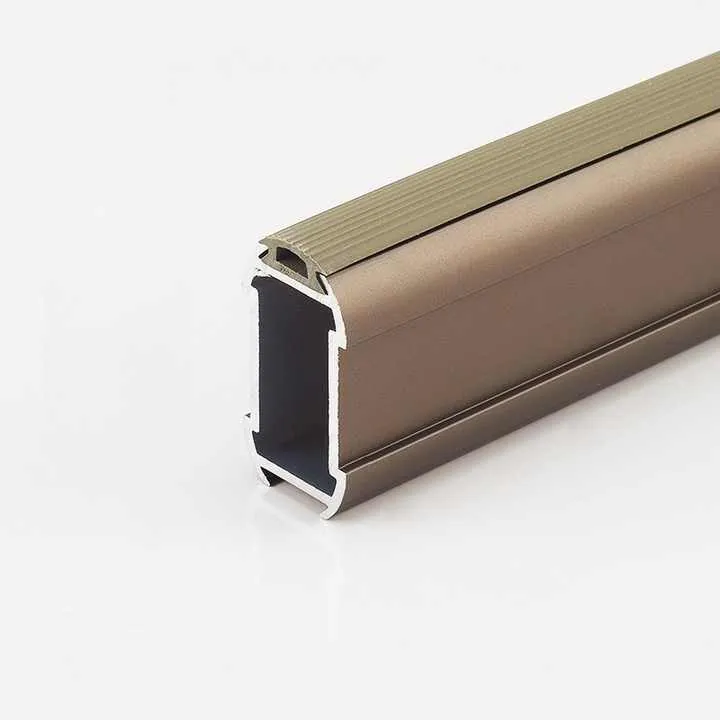
Comprender el grosor de la envoltura
Las envolturas protectoras se miden por su grosor o densidad.
Por ejemplo:
- El grosor de la película de PE se mide en micras
- el grosor de la película de espuma se mide en milímetros
- el grosor del plástico de burbujas depende de la altura de la burbuja
Los materiales más gruesos suelen ofrecer mejor protección.
Sin embargo, el grosor también afecta al coste y al volumen del envase.
Gama de espesores de láminas protectoras de PE
La película de PE utilizada habitualmente para la extrusión de aluminio oscila entre 30 a 100 micras.
| Espesor | Uso típico | Nivel de protección |
|---|---|---|
| 30-40 micras | Protección de superficies ligeras | Bajo |
| 50-60 micras | Embalaje estándar para exportación | Medio |
| 70-100 micras | Protección resistente | Alta |
Las películas finas sirven para distancias de transporte cortas. Las películas más gruesas son mejores para envíos marítimos largos.
Espumas y materiales para cojines
Las láminas de espuma amortiguan los golpes.
El grosor típico de la espuma oscila entre 1 mm a 5 mm.
La espuma más gruesa proporciona una mejor amortiguación durante la vibración.
Riesgo de utilizar envolturas finas
Los envoltorios finos se rompen más fácilmente.
Cuando aparecen desgarros, las superficies de aluminio quedan expuestas.
Esto aumenta el riesgo de arañazos y de contacto con la humedad.
Equilibrio entre coste y protección
Las decisiones de envasado suelen equilibrar protección y coste.
La envoltura muy gruesa aumenta:
- coste del material
- tiempo de envasado
- volumen de transporte
Sin embargo, una protección insuficiente puede dañar el producto.
Muchos exportadores experimentados optan por un grosor medio con protección por capas.
Experiencia práctica del transporte marítimo
En los envíos a larga distancia, las vibraciones se producen constantemente.
Camiones, barcos y grúas mueven la carga muchas veces.
Los envoltorios finos pueden sobrevivir al embalaje inicial pero fallar tras semanas de movimiento.
Un grosor adecuado garantiza que la barrera protectora permanezca intacta hasta el parto.
Las envolturas protectoras más gruesas suelen ofrecer mayor resistencia a los arañazos y a las vibraciones del transporte.Verdadero
El mayor grosor mejora la amortiguación y la resistencia al desgarro durante el transporte.
Los materiales de envoltura finos siempre protegen las superficies de aluminio con la misma eficacia que los gruesos.Falso
Las envolturas finas se rompen con facilidad y ofrecen una protección limitada contra las vibraciones y los impactos.
¿Son necesarias las envolturas resistentes a los rayos UV para el almacenamiento en exteriores?
Muchos envíos de aluminio permanecen a la intemperie antes de su instalación. Los perfiles pueden permanecer en obras o almacenes durante semanas. La exposición a la luz solar puede dañar determinados materiales de embalaje.
Las envolturas resistentes a los rayos UV son necesarias cuando las extrusiones de aluminio se almacenan en el exterior porque evitan la degradación de la película, el fallo del adhesivo y la exposición de la superficie causada por la luz solar prolongada.
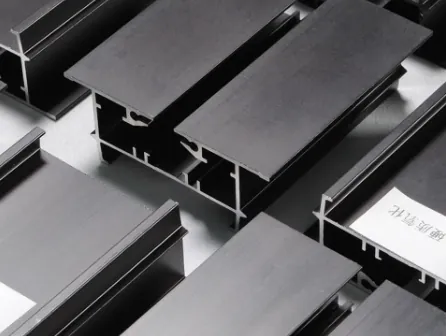
Cómo afecta la luz ultravioleta a los materiales de envasado
La radiación ultravioleta descompone lentamente los materiales plásticos.
Con el tiempo, los films de envoltura estándar pueden volverse:
- frágil
- descolorido
- agrietado
- difícil de eliminar
Estos problemas aparecen cuando el aluminio permanece bajo la luz solar durante periodos prolongados.
Película de PE y exposición a los rayos UV
La película de PE estándar funciona bien durante periodos de transporte cortos.
Sin embargo, bajo una luz solar intensa, la película puede degradarse en cuestión de semanas.
La capa adhesiva también puede cambiar.
En algunos casos, los restos de película se adhieren a la superficie de aluminio.
Tecnología de película resistente a los rayos UV
La película protectora resistente a los rayos UV contiene estabilizadores especiales.
Estos aditivos ralentizan los daños causados por la luz solar.
Los beneficios incluyen:
- mayor durabilidad en exteriores
- adhesivo estable
- eliminación más fácil de la película
Cuando la protección UV es importante
Las envolturas resistentes a los rayos UV se recomiendan para:
| Situación | Riesgo UV |
|---|---|
| Almacenamiento para la construcción al aire libre | Alta |
| Clima desértico o tropical | Alta |
| Almacenamiento corto | Bajo |
| Almacenamiento interior en fábrica | Bajo |
Los proyectos en climas cálidos se benefician especialmente de los envases resistentes a los rayos UV.
Largos plazos de construcción
Los proyectos de construcción suelen sufrir retrasos.
Los materiales de aluminio pueden permanecer en la obra más tiempo del previsto.
Las envolturas resistentes a los rayos UV ayudan a mantener la protección durante estos horarios impredecibles.
Planificación de embalajes para proyectos de construcción
Los exportadores suelen preguntar a los clientes por las condiciones de almacenamiento.
Si se prevé el almacenamiento en el exterior, la película resistente a los rayos UV se convierte en una opción más segura.
Esto reduce el riesgo de fallo del embalaje antes de la instalación.
Las envolturas protectoras resistentes a los rayos UV ayudan a evitar la degradación de la película cuando las extrusiones de aluminio se almacenan en el exterior.Verdadero
Los estabilizadores UV de la película reducen los daños causados por la luz solar y mantienen el rendimiento protector.
Las láminas protectoras estándar tienen el mismo comportamiento que las resistentes a los rayos UV ante una exposición prolongada a la luz solar.Falso
Las películas estándar se degradan más rápidamente bajo la exposición a los rayos UV y pueden agrietarse o dejar residuos de adhesivo.
¿Se pueden utilizar envoltorios reutilizables en envíos a granel?
La sostenibilidad es cada vez más importante en la fabricación y la logística. Muchas empresas se preguntan ahora si los materiales de envasado pueden reutilizarse.
Los envoltorios reutilizables pueden emplearse en el envío de aluminio a granel cuando se utilizan materiales duraderos, como envoltorios de tela tejida, fundas de espuma reutilizables o mantas protectoras resistentes, y los sistemas logísticos permiten su devolución y reutilización.

Envases tradicionales frente a sistemas reutilizables
La mayoría de las exportaciones de extrusión de aluminio utilizan envases desechables.
Los materiales más comunes son:
- Lámina de PE
- retractilado
- papel kraft
Estos materiales son rentables pero no reutilizables.
Los envases reutilizables requieren materiales más resistentes.
Opciones habituales de envoltorios reutilizables
Existen varios sistemas de envases reutilizables.
| Material | Reutilización | Aplicación |
|---|---|---|
| Envolturas de polipropileno tejido | Alta | Transporte industrial |
| Fundas de espuma reutilizables | Medio | Protección del perfil |
| Mantas protectoras para mudanzas | Alta | Transporte local |
| Fundas de tela para palés | Alta | Movimiento de almacenes |
Estos materiales resisten el uso repetido.
Retos logísticos
Los envases reutilizables funcionan mejor en sistemas logísticos cerrados.
Por ejemplo:
- transporte entre fábricas
- cadenas de suministro nacionales
- movimiento interno del almacén
El transporte marítimo internacional plantea retos.
Devolver los materiales de envasado de un país a otro aumenta los costes.
Coste frente a sostenibilidad
Los envases reutilizables reducen los residuos.
Sin embargo, requiere sistemas adicionales como:
- logística de retorno
- limpieza e inspección
- seguimiento de unidades de envasado
Las empresas deben evaluar si el sistema ahorra costes a lo largo del tiempo.
Estrategia de envasado híbrido
Algunas empresas utilizan soluciones híbridas.
Los materiales reutilizables protegen los perfiles dentro de la fábrica.
Los envases desechables los protegen durante el transporte de exportación.
Este planteamiento equilibra la sostenibilidad con la practicidad logística.
Tendencia industrial hacia envases más ecológicos
La normativa medioambiental aumenta en todo el mundo.
Muchos compradores de aluminio solicitan ahora soluciones de envasado reciclables o reutilizables.
Esta tendencia fomenta la innovación en materia de envasado en toda la industria de la extrusión.
Los envoltorios reutilizables pueden ser eficaces en los envíos a granel cuando los sistemas logísticos permiten su devolución y reutilización.Verdadero
Las envolturas duraderas pueden proteger los perfiles de aluminio y reutilizarse varias veces si la logística lo permite.
Los embalajes reutilizables son siempre más baratos que los desechables para los envíos internacionales de aluminio.Falso
Los envíos internacionales suelen encarecer los envases reutilizables debido a los costes logísticos de devolución.
Conclusión
Las envolturas protectoras desempeñan un papel fundamental en la conservación de la calidad de la extrusión de aluminio durante el transporte y el almacenamiento. Los materiales adecuados, el grosor correcto, la resistencia a los rayos UV y los sistemas de embalaje apropiados se combinan para evitar arañazos, daños medioambientales y riesgos de manipulación.