¿Normas de repetibilidad dimensional de la extrusión de aluminio?

Muchos proyectos de extrusión de aluminio fracasan no por motivos de resistencia, sino porque las dimensiones cambian lentamente. Los pequeños cambios de tamaño provocan problemas de montaje, retrasos y costes ocultos. La repetibilidad dimensional se da por sentada, pero no se verifica.
La repetibilidad dimensional de la extrusión de aluminio depende de normas claras, procesos controlados, herramientas estables y sistemas de inspección fiables. Sin estos elementos, incluso los proveedores con experiencia tienen dificultades para ofrecer resultados consistentes.
La repetibilidad no se refiere a un solo lote bueno. Se trata de lograr las mismas dimensiones una y otra vez, a lo largo de semanas, meses y ciclos de producción.
¿Qué normas garantizan unas dimensiones de extrusión repetibles?

Muchos compradores exigen tolerancias estrictas, pero pocos comprenden de dónde provienen estas tolerancias. Existen normas para definir lo que significa la repetibilidad en la producción real.
La repetibilidad dimensional se rige por normas internacionales, normas internas de fábrica y especificaciones acordadas con el cliente. Estas normas definen la variación aceptable y los métodos de medición.
Las normas crean un lenguaje común entre el comprador y el proveedor.
Normas internacionales de tolerancia
Las normas internacionales definen los límites dimensionales básicos para las extrusiones de aluminio. Estas normas tienen en cuenta el tamaño del perfil, la complejidad de la forma y el comportamiento de la aleación. Los perfiles más grandes permiten tolerancias más amplias. Los perfiles más pequeños permiten un control más estricto.
Estas normas protegen a ambas partes. Evitan exigencias poco realistas y reducen las disputas. Cuando un dibujo hace referencia a una norma, las expectativas quedan claras.
Especificaciones específicas del cliente
Muchos proyectos requieren límites más estrictos que los estándares generales. En estos casos, los planos del cliente definen las dimensiones críticas. Estas deben revisarse cuidadosamente antes de comenzar la producción.
Las fábricas deben confirmar qué dimensiones son críticas y cuáles son funcionales. Tratar todas las dimensiones como críticas aumenta los costes y los desechos.
Normas internas de control de fábrica
Las fábricas sólidas crean límites internos más estrictos que los estándares externos. Estos objetivos internos ayudan a absorber las variaciones en los procesos.
Cuando los límites internos se acercan a los límites del cliente, se inicia rápidamente una acción correctiva. Esto evita envíos fuera de especificación.
Definición de la medición
Las normas también definen cómo y dónde se miden las dimensiones. La medición de perfiles calientes da resultados diferentes a los de la medición tras el envejecimiento. Una definición clara evita confusiones.
| Tipo estándar | Propósito |
|---|---|
| Internacional | Definir tolerancia base |
| Especificaciones del cliente | Función de control |
| Límite interno | Proteger la estabilidad |
| Regla de medición | Garantizar la coherencia |
La repetibilidad dimensional se basa en normas de tolerancia claras y métodos de medición definidos.Verdadero
Las normas alinean las expectativas y controlan la variación.
La repetibilidad significa producir perfiles sin variación dimensional.Falso
Toda producción presenta variaciones dentro de unos límites definidos.
¿Cómo controlan las fábricas la precisión entre lotes?
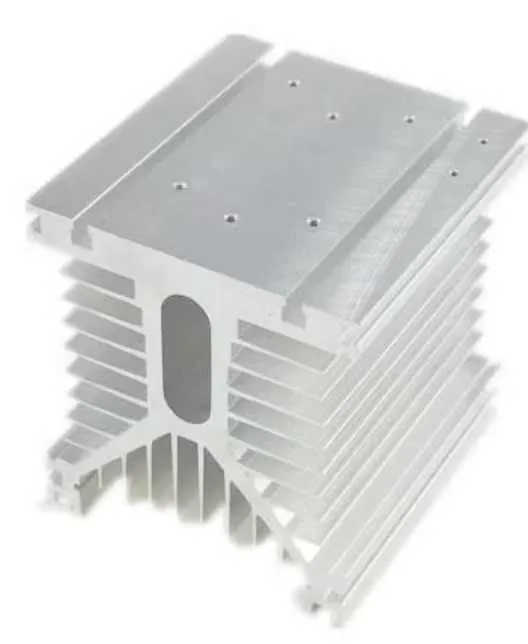
Un buen lote no demuestra control. La repetibilidad real aparece cuando los lotes se mantienen consistentes a lo largo del tiempo.
Las fábricas controlan la precisión entre lotes mediante el control de procesos, el bloqueo de parámetros y la supervisión continua. La estabilidad es más importante que la velocidad.
La repetibilidad está integrada en los hábitos diarios.
Control de parámetros de proceso
La temperatura de extrusión, el tamaño del lingote, la velocidad de extrusión y la velocidad de enfriamiento afectan a las dimensiones. Las fábricas sólidas registran estos parámetros para cada ciclo.
Una vez que se encuentran los ajustes estables, se bloquean. Los cambios requieren aprobación. Esto reduce la variación aleatoria entre lotes.
Procedimientos de configuración estandarizados
Los errores de configuración provocan cambios en el tamaño. La instalación estandarizada de los troqueles, la alineación de las prensas y los procedimientos de puesta en marcha reducen la variación humana.
Las listas de verificación claras ayudan a los operadores a repetir la misma configuración cada vez.
Bucles de retroalimentación entre lotes
Las fábricas deben comparar los resultados de los lotes actuales con los de lotes anteriores. Las tendencias revelan una deriva lenta antes de que se superen los límites.
La corrección temprana cuesta menos que la reelaboración completa.
Disciplina de gestión del cambio
La repetibilidad falla cuando los cambios no están controlados. Los nuevos lingotes, los nuevos operadores o los nuevos turnos afectan al rendimiento.
Las fábricas sólidas documentan los cambios y evalúan los riesgos antes de continuar con la producción.
| Área de control | Impacto en la precisión |
|---|---|
| Control de la temperatura | Estabilidad dimensional |
| Configuración estándar | Variación reducida |
| Seguimiento de tendencias | Alerta temprana |
| Control de cambios | Prevención de derivas |
La precisión entre lotes depende de parámetros de proceso estables y cambios controlados.Verdadero
La consistencia proviene de configuraciones y supervisiones repetibles.
Si un lote cumple con la tolerancia, los lotes futuros naturalmente la cumplirán también.Falso
Sin control, la variación se acumula con el tiempo.
¿El desgaste de las herramientas puede afectar a la repetibilidad dimensional?
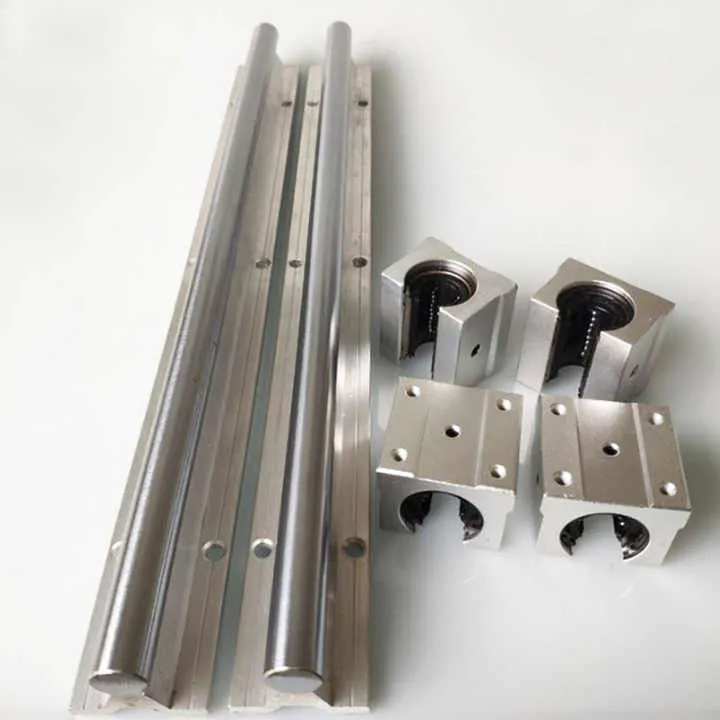
El desgaste de las herramientas es una causa silenciosa de la desviación dimensional. Muchas fábricas solo se dan cuenta de los problemas cuando aparecen las quejas.
El desgaste de las herramientas afecta directamente a las dimensiones de la extrusión, ya que modifica el flujo del metal y la forma del perfil con el paso del tiempo. La gestión del desgaste es esencial para la repetibilidad.
Ignorar el desgaste de las herramientas hace que los procesos estables se vuelvan inestables.
Cómo se desgastan las matrices durante la producción
Las matrices de extrusión están sometidas a altas presiones y temperaturas. Con el tiempo, las superficies de apoyo se desgastan. Esto modifica la resistencia al flujo.
A medida que cambia el flujo, las dimensiones aumentan o disminuyen lentamente. Esta deriva suele mantenerse dentro de los límites de tolerancia al principio, pero luego supera repentinamente los límites.
Patrones de desgaste y complejidad del perfil
Los perfiles complejos se desgastan de forma desigual. Las secciones delgadas y las esquinas afiladas se desgastan más rápidamente. Esto crea asimetría.
Sin inspección, estos cambios permanecen ocultos hasta que surgen problemas de montaje.
Mantenimiento y corrección de matrices
Las fábricas sólidas inspeccionan los troqueles con regularidad. Miden el desgaste de los cojinetes y los pulen o corrigen cuando es necesario.
La corrección restaura el equilibrio y prolonga la vida útil de la herramienta. Saltarse el mantenimiento ahorra tiempo a corto plazo, pero aumenta los desechos más adelante.
Seguimiento de la vida útil de las herramientas
El seguimiento del número de ciclos completados por un troquel ayuda a predecir su desgaste. De este modo, se puede planificar el mantenimiento preventivo.
El mantenimiento reactivo siempre cuesta más.
| Factor de herramientas | Efecto sobre la repetibilidad |
|---|---|
| Desgaste de los cojinetes | Desviación del tamaño |
| Desgaste desigual | Distorsión de la forma |
| Mantenimiento | Recuperación de la estabilidad |
| Seguimiento de la vida | Control predecible |
El desgaste de las herramientas provoca una deriva dimensional gradual en las extrusiones de aluminio.Verdadero
El desgaste modifica el flujo del metal y el tamaño del perfil.
El desgaste de las herramientas solo afecta al acabado superficial, no a las dimensiones.Falso
El desgaste cambia directamente la geometría del perfil.
¿Qué sistemas de inspección verifican la repetibilidad?
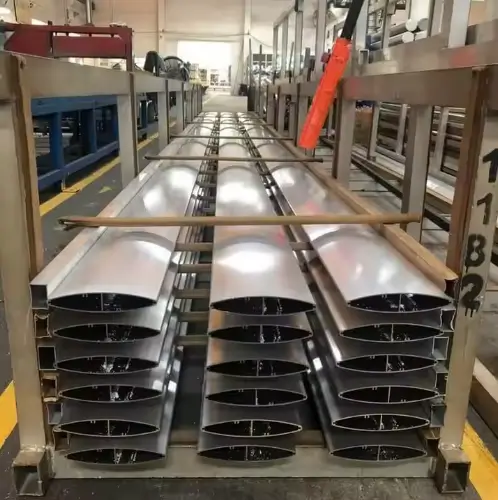
No se puede dar por sentada la repetibilidad. Debe verificarse mediante sistemas de inspección que detecten las variaciones de forma temprana.
Los sistemas de inspección verifican la repetibilidad midiendo tendencias, no solo muestras individuales. Los buenos sistemas se centran en los datos, no solo en aprobar o suspender.
La inspección cierra el bucle de control.
Inspección durante el proceso
Las comprobaciones durante el proceso miden los perfiles durante la producción. Esto permite realizar ajustes rápidos antes de que se vean afectados lotes completos.
Los operadores miden las dimensiones críticas a intervalos definidos. Los resultados se registran y revisan.
Sistemas de inspección final
La inspección final confirma la calidad del envío. Garantiza que los perfiles cumplen con las tolerancias acordadas tras el enfriamiento y el envejecimiento.
La inspección final no sustituye al control del proceso. Solo detecta los problemas cuando ya es demasiado tarde.
Control estadístico de procesos
Los métodos estadísticos registran las variaciones a lo largo del tiempo. Los gráficos de control muestran si los procesos son estables.
Cuando los datos tienden a alcanzar los límites, se toman medidas antes de que se produzca un fallo.
Calibración y disciplina de medición
Las herramientas de inspección deben estar calibradas. Las herramientas sin calibrar crean una falsa confianza.
La coherencia del método de medición es tan importante como la precisión de la herramienta.
| Tipo de inspección | Propósito |
|---|---|
| En proceso | Corrección temprana |
| Final | Confirmación de envío |
| Estadístico | Detección de tendencias |
| Calibración | Confianza en los datos |
La verificación de la repetibilidad requiere una inspección basada en tendencias, no solo comprobaciones finales.Verdadero
Las tendencias revelan una deriva antes del fracaso.
La inspección final por sí sola es suficiente para garantizar la repetibilidad dimensional.Falso
Las comprobaciones finales detectan problemas demasiado tarde para poder controlarlos.
Conclusión
La repetibilidad dimensional en la extrusión de aluminio se controla, no es accidental. Las normas definen los límites, los procesos mantienen la estabilidad, las herramientas deben gestionarse y la inspección verifica las tendencias. Cuando todos los elementos funcionan conjuntamente, las dimensiones repetibles se vuelven predecibles en lugar de arriesgadas.