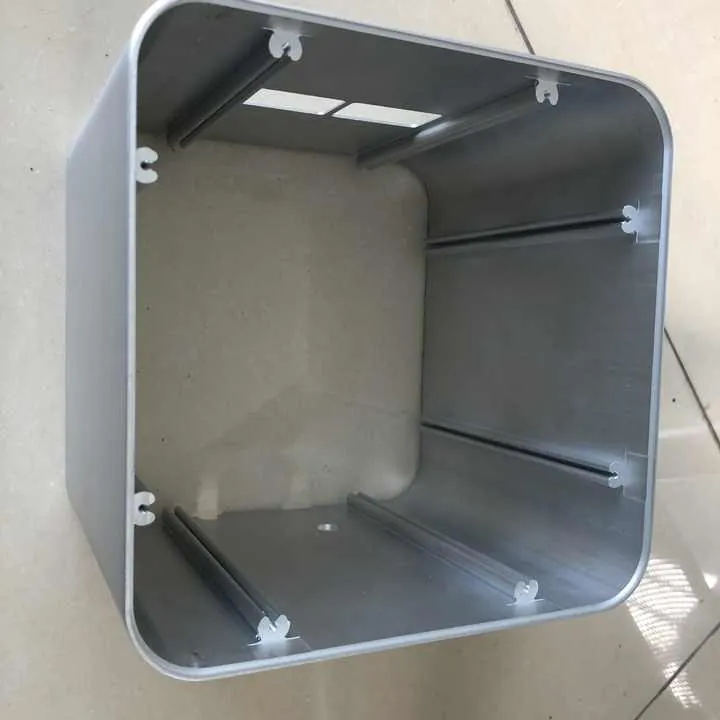
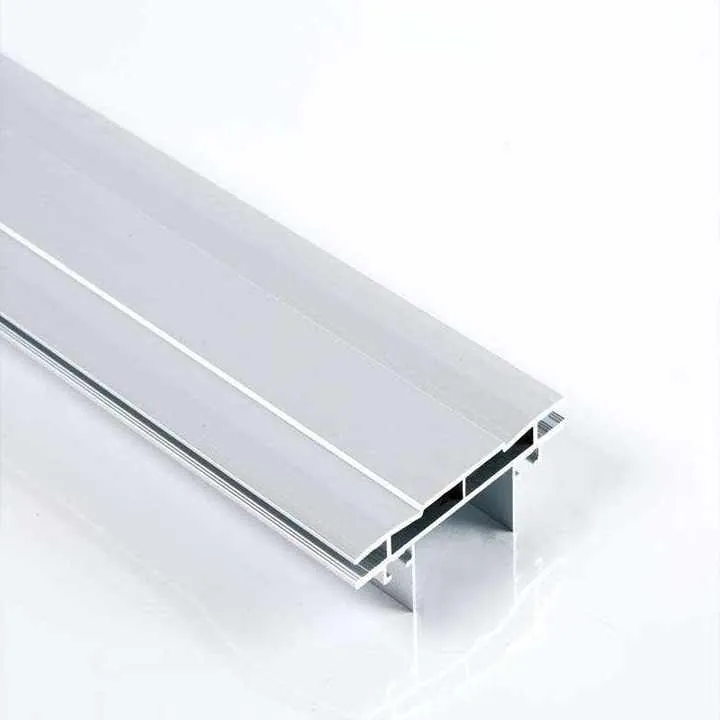
¿Disponibilidad del servicio OEM de extrusión de aluminio?

Are you lost in the sea of OEM extrusion options? Many buyers struggle to know what is included. Good OEM services can meet many needs — if you know what to ask.
OEM extrusion providers often offer custom profiles, CNC machining, surface finishing, and even assembly services. These help you get ready‑to‑use parts without in‑house tooling or processing.
Below I explain in detail what services you can expect, how branding works, who controls quality, and whether packaging and labeling are included. This helps you compare offerings clearly.
What OEM services are commonly offered for extrusions?
Having only raw aluminum extrusions is often not enough. Many clients look for extra services to cut cost and time.
Common OEM extrusion services include custom profile design, extrusion tooling, CNC machining, surface treatment (like anodizing or powder coating), and cut‑to‑length or assembly work. These make extrusions ready for direct use.
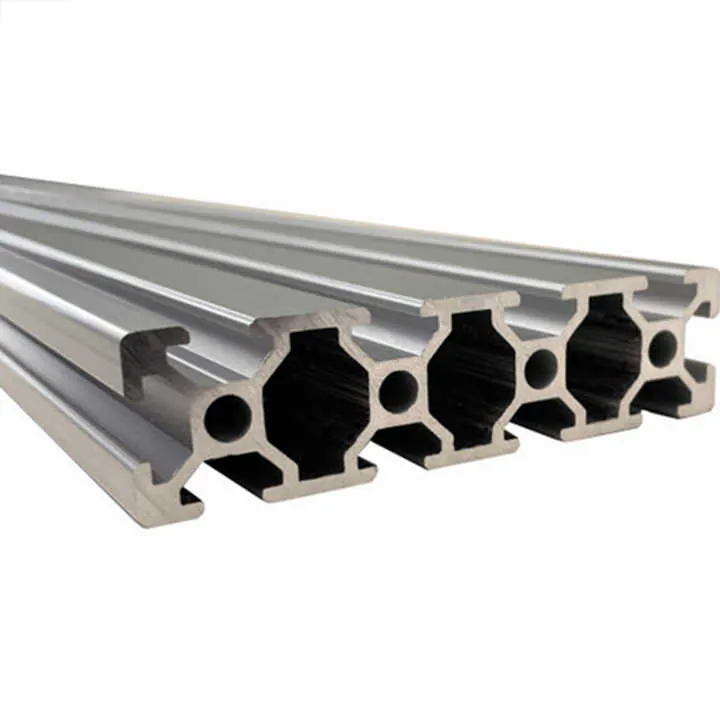
Most OEM extrusion companies provide a full workflow beyond simple extrusion. First they offer custom profile design. You supply a drawing or request, and they design a die for extrusion. Then they handle extrusion tooling — building the die and running the extruder. Without that, you cannot shape complex profiles.
Then they offer CNC machining or finishing. After extrusion, they can drill holes, mill surfaces, cut to exact lengths, or adjust tolerances. This saves buyers from investing their own CNC machines or manpower.
Next is acabado superficial. This often includes anodizing (oxidation), powder coating, painting, or wood‑grain finish. Providing this makes extrusions suitable for visible applications, like architectural frames or consumer goods.
Finally, many OEM providers offer assembly or pre‑assembly services. They can combine multiple parts, add connectors, or build subassemblies. This helps clients who want parts shipped ready to assemble or install.
Possible offerings often depend on volume and agreement. High‑volume clients get full service including tooling. Smaller clients may get only extrusion and cutting. Transparency in agreement helps avoid misunderstandings.
Sample service breakdown
| Tipo de servicio | Descripción | Benefit to Buyer |
|---|---|---|
| Diseño de perfiles personalizados | Design and test extrusion die | Allows unique shapes without own design team |
| Extrusion tooling | Create die and run extrusion | Buyer avoids upfront tooling cost |
| Mecanizado CNC | Drill, cut, mill, tap, trim | Ready‑to‑use parts with correct size |
| Acabado de superficies | Anodizing, coating, painting, wood‑grain | Ready finish, no post‑processing |
| Assembly or pre‑assembly | Combine extrusions with other parts | Simplifies buyer assembly or installation |
OEM extrusion services often include tooling, machining and finishingVerdadero
Many extrusion OEM suppliers offer a full workflow including design, extrusion tooling, machining and surface finishing.
OEM extrusion services always include assembly of final productFalso
Assembly depends on agreement and may not be included unless specified in the OEM contract.
How does branding integration work in OEM deals?
Few businesses want plain aluminum when they ship to end customers. Branding adds identity but often feels tricky.
Branding integration under OEM deals means applying your logo, brand name or custom color to the extruded parts via engraving, printing or packing labels. The OEM and buyer agree how and when branding is added.

Branding in OEM extrusion deals gives buyers a way to present products as their own. There are two main paths: marking the aluminum part itselfo branded packaging and labeling. Some deals combine both.
Branding on the extrusion part
An OEM supplier may engrave, emboss, laser etch or pad‑print logos onto the extruded profile. This usually happens after surface finishing and before packaging. Engraving or etching is permanent and durable, suitable for metal products. Printing is cheaper but less durable; it suits products with less wear demands.
Custom color matching is also part of branding. If your brand uses a special powder‑coat color, OEM can apply that finish. That ensures the extrusion part matches your brand’s style.
Branding on packaging and labels
Branding does not only live on the part. OEM providers often let you add custom labels, wrapped boxes, or brand‑themed protective film. This helps when products ship to distributors or end customers who expect branded delivery.
| Branding Method | Where Brand Appears | Durabilidad | Caso típico |
|---|---|---|---|
| Engraving / Laser / Print | On the aluminum profile | High (engraving) / medium (print) | Tools, frames, metal‑visible parts |
| Powder coat color + print | Profile surface | Bien | Furniture frames, architectural parts |
| Branded packaging / labeling | Box, film, label | Packaging only | Goods for retail or trade show supply chains |
Branding steps require clear agreement. Buyer must supply logo artwork, color codes, and label design. OEM estimates cost and adds to unit price or setup charge. For low volumes, setup cost may be high; for larger volumes, cost per piece drops.
Branding also affects lead time. Custom color or printing adds extra steps after finishing. Good OEM providers include that time in their quote to avoid delivery delays.
Many OEM partners accept that branding becomes part of buyer’s brand identity. They sign agreements about brand use and confidentiality. This way, buyers can market the extruded parts under their own brand without revealing OEM origin.
OEM deals can integrate custom brand logos on aluminum profilesVerdadero
OEM extrusion suppliers often offer engraving or printing to mark buyer logos on parts after finishing.
Branded packaging means the aluminum part bears the logo without extra printing or labelingFalso
Branded packaging only affects the package; the metal part itself may remain plain unless printing or engraving is applied.
Are OEMs involved in quality control processes?
Quality problems are a big concern. Without proper QC, buyers face rejects, returns, or worse.
Yes. Good OEM extrusion providers handle quality control from raw material checking, in‑process inspection, to final dimensional and finish checks. They issue reports to show extrusions meet required specs.
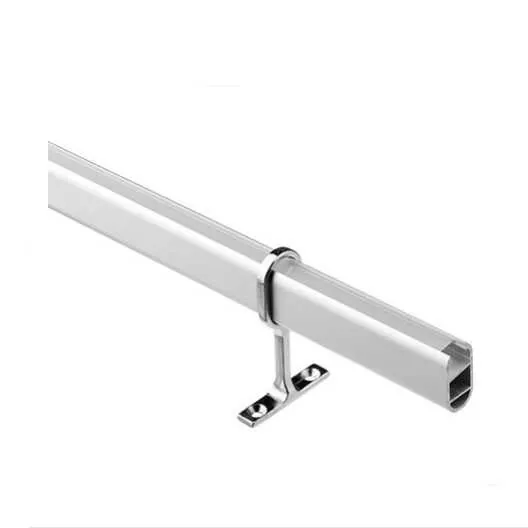
Quality control (QC) in extrusion OEM context covers multiple stages. First is raw material inspection. The supplier should confirm aluminum alloy (e.g. 6063‑T5 or 6061‑T6), verify batch certificates, and test chemical composition or material strength when needed. This ensures starting material meets specifications.
Second is in‑process inspection. While extrusion runs, the OEM checks die wear, extrusion temperature, speed, and listens for defects like cracking or surface flaws. They may take sample extrusions every few hours for visual inspection or measurement.
Third is post‑extrusion inspection. Once parts cool, QC staff measure dimensions, tolerance, surface finish, straightness, and other properties. If finishing or machining steps apply, they inspect those as well. For example, if anodizing is used, they check coating thickness and adhesion. If machining is done, they verify hole positions, taps, cuts, and ensure correct tolerances.
Fourth is final inspection and testing. For critical parts, OEM may perform stress testing, load testing, or other mechanical tests. They may also check surface quality under uniform light to find cosmetic defects. After QC, they compile a inspection report. They may include photos, measurement sheets, and material certificates.
Some OEM agreements let buyers attend inspection or do third‑party inspection. This adds trust for high value or safety‑critical products. For example, structural aluminum for buildings or solar frames may require third‑party test reports, such as certificate of conformity or load testing record.
Example QC steps
- Raw material certificate review
- Die and machine condition check before run
- Periodic sample checks during extrusion
- Dimensional measurement after extrusion
- Finish and coating inspection after surface treatment
- Final part inspection and report
OEM extrusion providers often perform QC at multiple stages including raw material check and final inspectionVerdadero
Reliable OEM suppliers implement raw material verification, in‑process sampling and final inspections for quality assurance.
Once extrusion is done no QC is needed if parts look fine to the eyeFalso
Visual appearance alone cannot guarantee dimensions, tolerances or material integrity; proper QC requires measurements and testing.
Can OEM services include packaging and labeling?
It feels simple: get parts, pack them, ship. But packaging is often overlooked by buyers and causes trouble.
Yes. Many OEM extrusion services can include custom packaging and labeling based on your requirements. They can pack parts in protective film, wooden crates, or brand‑label boxes ready for shipment.

Packaging and labeling are often part of OEM deals, especially for export or direct shipment to customers. When buying aluminum extrusions in bulk, shipping as loose metal profiles risks damage, corrosion, or entanglement. Good OEM providers offer options like protective film wrapping, plastic end‑caps, strapping, palletizingo wooden crates.
If buyer wants branded presentation, OEM can add custom printed boxes, branded shrink wrapo informative labels that show part number, batch number, destination, and handling instructions. This helps when parts go to warehouses, dealers, or final customers. OEM suppliers handle all this in their packing facility.
Packaging style depends on volume and destination. For domestic bulk orders, simple plastic wrap and pallet strapping may suffice. For export, wooden crates or pallets with corrosion‑blocking paper, desiccants, and protective corner boards are common.
Labeling is also useful for inventory and traceability. A typical label might include:
- Buyer brand name
- Part profile code or drawing number
- Batch or lot number
- Quantity per package
- Destination port or receiver info
These labels help logistics teams track, sort, and deliver parts correctly. OEM providers often allow to follow buyer’s template or provide their standard label format.
Sometimes OEM packaging cost is extra. Buyer can choose basic packing or full export‑ready packing. Costs vary with crate size, materials, and documentation. Good OEM providers show packing options and cost breakdown before order.
OEM packaging helps avoid many problems: part damage, corrosion, mis‑shipping, and confusion at destination. For clients who value presentation or shipping safety, this service greatly simplifies supply chain work.
OEM extrusion deals can include full packaging and labeling services for export shipmentsVerdadero
Many OEM extrusion providers offer protective wrapping, crates, palletizing, custom labels and packing following buyer requirements.
Packaging is always included by default in OEM extrusion ordersFalso
Packaging services depend on agreement; some providers may require extra cost or skip packing if buyer does not request it.
Conclusión
OEM extrusion services go far beyond simple metal profiles. They can offer design, tooling, machining, finishing, quality control, branding, and packaging. A full‑service OEM partner can deliver parts ready to use or ship under your brand. Make sure to confirm each service step before signing to avoid surprises.