¿Qué es el mecanizado por extrusión de aluminio?

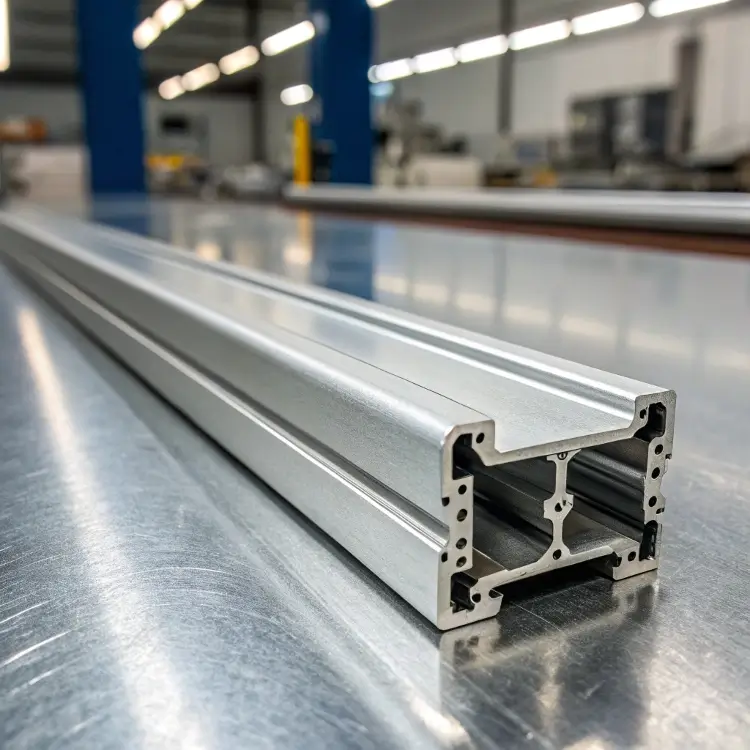
En el corazón de la fabricación de perfiles de aluminio, la extrusión ofrece forma; el mecanizado aporta precisión y funcionalidad.
El mecanizado por extrusión de aluminio es el proceso por el que se toman perfiles de aluminio extruido y se les aplican operaciones secundarias -como corte, taladrado, fresado, torneado, roscado- para crear piezas acabadas con tolerancias ajustadas y las características requeridas.
Este artículo explora cómo se mecaniza la extrusión después del conformado, por qué es esencial el refrigerante, en qué aspectos el mecanizado mejora la funcionalidad y cómo la tecnología CNC optimiza la precisión del perfil.
¿Cómo se mecanizan las extrusiones después del conformado?
Los perfiles de aluminio extruido salen de la prensa con la sección transversal básica y la forma primaria. Tras el conformado, muchos perfiles necesitan operaciones de mecanizado adicionales para cumplir requisitos funcionales, de montaje o estéticos específicos.
Tras el proceso de extrusión, se aplican pasos de mecanizado como el aserrado a medida, el fresado para crear ranuras o cavidades, la perforación de agujeros, el roscado o el torneado para características cilíndricas, con el fin de llevar el perfil al estado acabado.

Cuando se extruye un perfil de aluminio, se obtiene una forma casi neta: la sección transversal principal está formada, pero la pieza puede seguir necesitando características que la extrusión no puede proporcionar directamente. Por ejemplo, agujeros de precisión, avellanados, roscas o superficies planas. El mecanizado es el puente que completa la pieza.
Pasos clave en el mecanizado de aluminio extruido
- Corte a medida: La pieza larga extruida se sierra o corta a las dimensiones requeridas.
- Fresado o ranurado: Para cavidades, ranuras o geometría compleja.
- Taladrado y roscado: Para pernos, tornillos o insertos.
- Girando: Si se necesitan características redondas.
- Desbarbado e inspección: Eliminación de aristas vivas y verificación de tolerancias.
El mecanizado convierte un perfil extruido en un componente utilizable. Es esencial para aplicaciones como bastidores industriales, carcasas electrónicas o componentes de transporte en los que es fundamental un ajuste preciso. Muchos grados de aluminio, como el 6061 o el 6063, se seleccionan específicamente porque son fáciles de mecanizar tras la extrusión.
Los perfiles de aluminio extruido siempre salen de la prensa con todos los orificios y ranuras necesarios preformados, por lo que el mecanizado es opcional.Falso
La mayoría de los perfiles extruidos requieren un mecanizado adicional (taladrado, fresado, roscado) para cumplir las características y tolerancias finales de la pieza.
El mecanizado de extrusiones de aluminio suele incluir operaciones como serrado, fresado, taladrado y roscado.Verdadero
Estas operaciones son habituales y necesarias para conseguir la forma y función finales.
¿Por qué es esencial el refrigerante en el mecanizado?
El mecanizado de aluminio puede parecer más sencillo que el de metales más duros, pero una refrigeración adecuada es fundamental para conseguir calidad, prolongar la vida útil de la herramienta y mantener la precisión dimensional.
El refrigerante o la lubricación durante el mecanizado ayudan a controlar el calor, eliminar las virutas, reducir el desgaste de las herramientas, mejorar el acabado superficial, prevenir las rebabas y evitar la distorsión de las piezas al mecanizar extrusiones de aluminio.
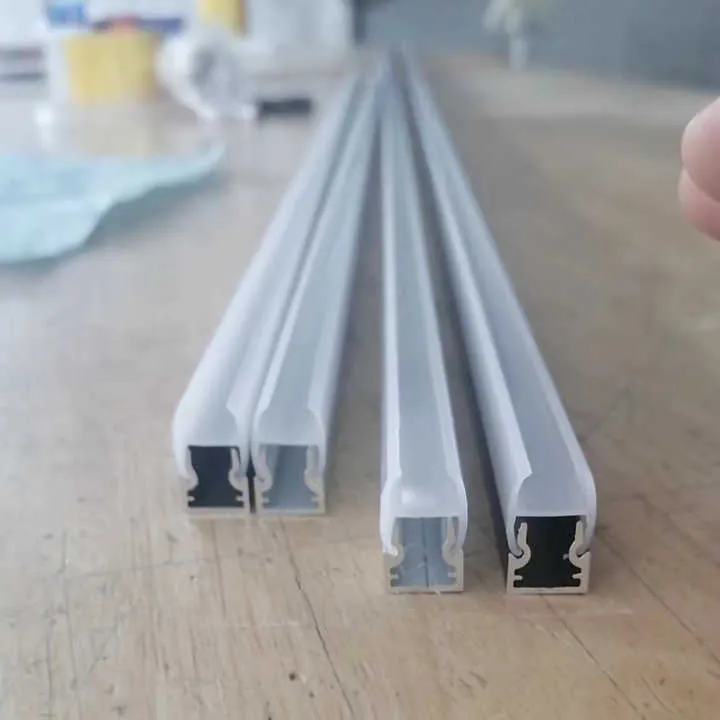
El aluminio conduce el calor con rapidez, pero también se calienta rápidamente en la zona de corte. Si este calor no se controla, causa problemas. La pieza puede dilatarse durante el mecanizado, afectando a las dimensiones. La herramienta puede sobrecalentarse, desafilarse o romperse. Las virutas pueden adherirse al filo de corte y dañar el acabado superficial.
Los refrigerantes cumplen varias funciones:
- Control del calor: Mantiene frías tanto la pieza como la herramienta.
- Eliminación de virutas: Expulsa las virutas largas de aluminio de la zona de corte.
- Vida útil de la herramienta: Reduce la fricción y el desgaste.
- Calidad de la superficie: Evita la formación de bordes y rebabas.
- Estabilidad dimensional: Controla la dilatación térmica durante cortes precisos.
En operaciones de alta velocidad, se utiliza refrigerante por inundación o lubricación por niebla para estabilizar el proceso. Sin él, las tolerancias pueden variar, especialmente en perfiles complejos o de paredes finas. En el mecanizado por extrusión, especialmente en los procesos CNC, el refrigerante ayuda a mantener la repetibilidad y la uniformidad en trabajos con tolerancias estrechas.
El uso de refrigerante durante el mecanizado de extrusiones de aluminio ayuda a mantener la precisión dimensional y la integridad de la pieza.Verdadero
Al controlar el calor, eliminar las virutas y reducir la distorsión térmica, el refrigerante favorece la precisión y la calidad de las piezas.
El refrigerante no es necesario cuando se mecanizan extrusiones de aluminio porque el aluminio es blando y fácil de cortar.Falso
Aunque el aluminio es más blando que el acero, el mecanizado sigue generando calor, problemas de virutas y posibles distorsiones, por lo que el refrigerante es importante.
¿Dónde mejora la funcionalidad el mecanizado?
El mecanizado de perfiles de aluminio extruido no se limita a darles un aspecto adecuado, sino que mejora la funcionalidad, la compatibilidad de montaje, el rendimiento estructural y la vida útil de la pieza.
El mecanizado transforma un perfil extruido en un componente funcional añadiendo características precisas (orificios, roscas, ranuras, superficies planas), garantizando la alineación, el ajuste de montaje, el acabado y el rendimiento en condiciones de servicio.
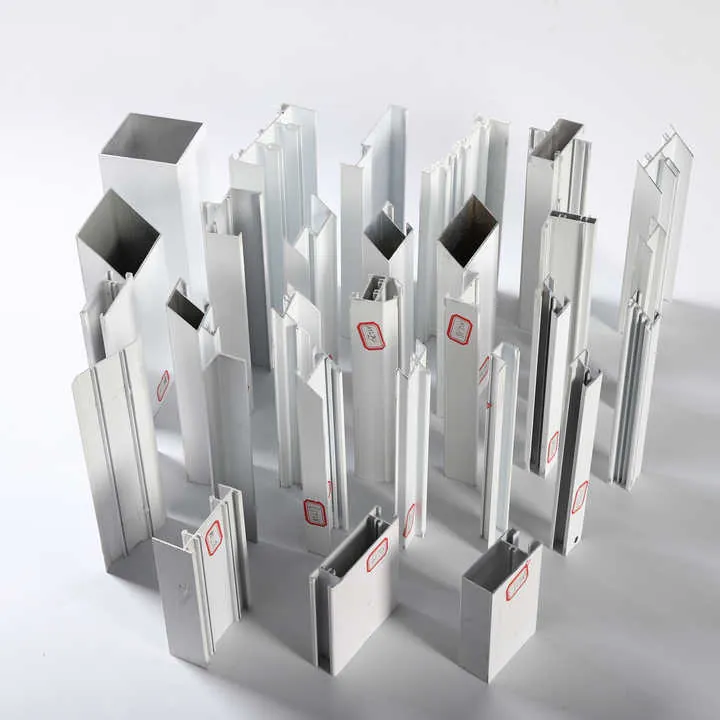
Mejoras funcionales gracias al mecanizado
- Piezas listas para el montaje: Los orificios taladrados, las roscas roscadas y los planos mecanizados permiten que las piezas se conecten perfectamente con otras.
- Ajuste estructural: Las superficies planas mecanizadas garantizan un montaje enrasado y la distribución de la carga.
- Mejora térmica: Las superficies mecanizadas de los disipadores o las carcasas mejoran la transferencia de calor.
- Interfaz eléctrica: El acabado superficial y el mecanizado permiten la conexión a tierra y los puntos de contacto.
- Variaciones personalizadas: Una extrusión puede servir para varios productos mecanizando ranuras u orificios específicos por cliente.
Esto significa que, aunque la extrusión base sea la misma, los distintos clientes o usos finales pueden recibir variantes personalizadas mediante un sencillo mecanizado posterior. Ahorra costes, simplifica el inventario y mejora la flexibilidad.
He aquí una tabla que resume el impacto del mecanizado en la funcionalidad:
| Área funcional | Ventaja del mecanizado | Funcionamiento común |
|---|---|---|
| Montaje mecánico | Orificios precisos, roscas, interfaces planas | Taladrado, roscado, fresado |
| Integridad estructural | Mejor contacto y alineación | Fresado, avellanado |
| Gestión del calor | Contacto más suave con las fuentes de calor | Fresado de superficies |
| Personalización | Variaciones por cliente sin cambiar la extrusión | Variación de orificios y ranuras |
| Preparación del acabado | Superficie lisa para revestimiento o anodizado | Desbarbado, alisado |
El mecanizado de perfiles de aluminio extruido es principalmente cosmético y no afecta al rendimiento funcional.Falso
El mecanizado añade características funcionales -agujeros, ranuras, superficies planas- que repercuten directamente en el montaje, el rendimiento y la fiabilidad.
El mecanizado de precisión de las piezas de aluminio extruido permite integrarlas en conjuntos con tolerancias estrechas y ajustes fiables.Verdadero
Las estrechas tolerancias y las características realizadas mediante mecanizado permiten un montaje preciso y un uso funcional.
¿Puede el CNC optimizar la precisión de los perfiles?
Sí - El mecanizado por control numérico computerizado (CNC) es un factor clave para lograr una alta precisión, repetibilidad, características complejas y un rendimiento eficiente de los perfiles de aluminio extruido.
El mecanizado CNC permite procesar perfiles de aluminio extruido con gran precisión, geometrías complejas (3 ejes, 4 ejes, 5 ejes), configuraciones mínimas, sujeción eficaz del trabajo y tolerancias ajustadas que mejoran la calidad general de las piezas y la eficacia de la producción.
Ventajas del CNC para el mecanizado por extrusión
- Precisión y repetibilidad: Las herramientas CNC siguen trayectorias programadas con una variación mínima.
- Geometría compleja: Permite mecanizar ranuras, orificios, caras en ángulo o rebajes en una sola configuración.
- Manipulación de perfil largo: Las máquinas de bancada grande pueden manipular extrusiones de hasta varios metros.
- Reducción de los errores humanos: La automatización garantiza la coherencia incluso entre miles de piezas.
- Tolerancias estrechas: Las máquinas CNC mantienen tolerancias de +/- 0,1 mm o superiores.
- Alta eficacia: Las configuraciones multiherramienta, los alimentadores automáticos y los cambiadores de herramientas aumentan la productividad.
Cómo el CNC mejora el mecanizado de perfiles
- Elimina el error de medición manual
- Reduce el reposicionamiento de piezas
- Permite el mecanizado adaptativo y la compensación en tiempo real
- Permite la inspección en línea durante el mecanizado
- Permite el procesamiento por lotes para trabajos de gran volumen
El diseño de extrusiones teniendo en cuenta el mecanizado CNC permite una fabricación más precisa y de menor coste. Los diseñadores deben prever el acceso a las herramientas, los dispositivos de soporte y el acabado superficial tras el mecanizado.
El mecanizado CNC de perfiles de aluminio extruido permite obtener tolerancias estrechas y una gran repetibilidad.Verdadero
Las máquinas CNC proporcionan cortes de precisión controlados y automatizados con una exactitud fiable para piezas de extrusión.
El mecanizado CNC no puede manipular perfiles largos de extrusión de aluminio de más de unos pocos metros.Falso
Muchas configuraciones CNC pueden manipular perfiles de más de 3 metros de longitud utilizando máquinas de bancada larga y dispositivos personalizados.
Conclusión
El mecanizado de perfiles extruidos de aluminio tiende un puente entre la forma básica y el componente totalmente funcional. Desde las operaciones posteriores al conformado, pasando por el papel fundamental del refrigerante, hasta la mejora funcional mediante el mecanizado y la precisión que ofrece el CNC, el proceso garantiza que los perfiles de aluminio extruido cumplan los requisitos de montaje, rendimiento y calidad con eficacia y precisión.