¿Qué es la creación de prototipos mediante extrusión de aluminio?

Cuando el diseño de un nuevo producto se topa con un muro entre el concepto y la realidad, el prototipado por extrusión de aluminio interviene para salvar la brecha con rapidez.
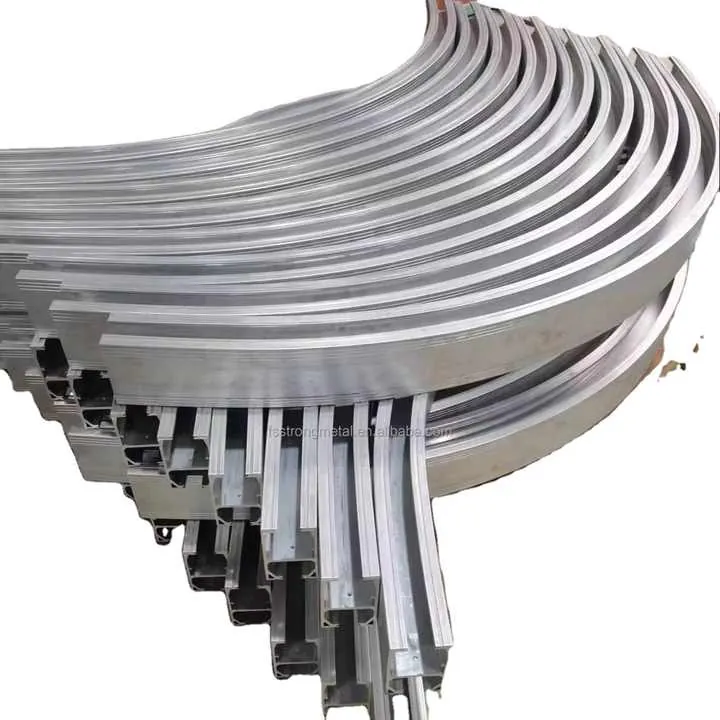
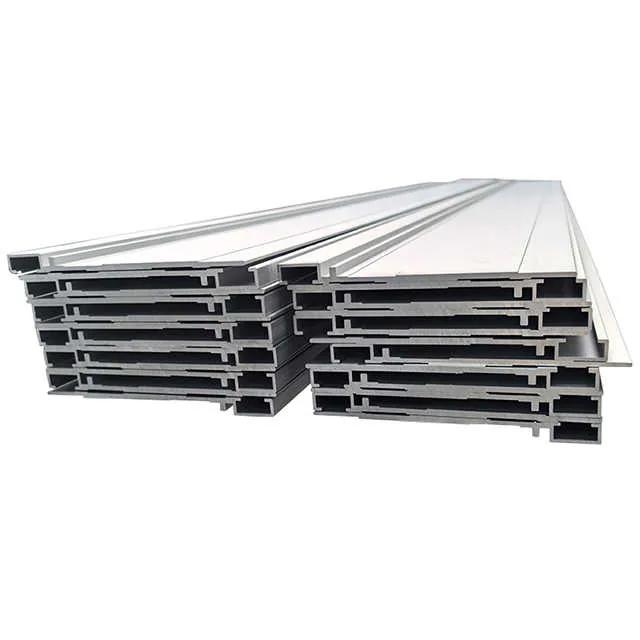
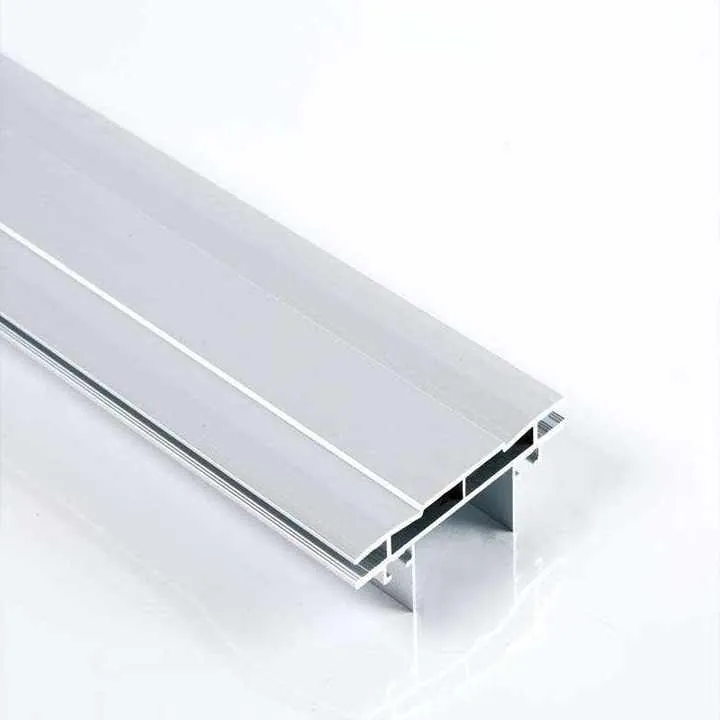
El prototipado por extrusión de aluminio utiliza el proceso de extrusión -forzar el aluminio a través de una matriz moldeada- para crear perfiles de prueba de forma rápida y asequible, lo que permite crear prototipos funcionales que reflejan las piezas de producción.
En las secciones siguientes, exploraremos cómo este enfoque acelera el desarrollo, mejora las herramientas para prototipos, valida los diseños de forma eficaz y reduce el riesgo con series pequeñas.
¿Cómo acelera el desarrollo la creación de prototipos por extrusión?
Los equipos de diseño se enfrentan a menudo a retrasos debidos a que la fabricación de herramientas o el mecanizado complejo llevan demasiado tiempo: la creación de prototipos mediante extrusión de aluminio reduce drásticamente ese tiempo de espera.
Al utilizar la extrusión para formar el perfil desde el principio, los diseñadores obtienen hardware real para probar, iterar y pasar más rápidamente del prototipo a la producción.

Cuando pienso en cómo nace un nuevo perfil de aluminio, la ruta típica es diseño CAD → utillaje → producción → pruebas. Esta cadena suele durar semanas o incluso meses. Con el prototipado por extrusión, el coste y el tiempo del utillaje son inferiores a los de otros métodos (por ejemplo, el moldeo por inyección de metal o las grandes piezas de fundición) y el plazo de entrega del prototipo se reduce. Por ejemplo, el Consejo de Extrusores de Aluminio señala que el utillaje de extrusión ofrece “plazos de entrega cortos y costes de utillaje más bajos que la fundición o el moldeo por inyección”.”
Además, como la extrusión permite crear perfiles continuos con la misma forma de sección transversal que la pieza final, se pueden probar comportamientos estructurales, térmicos o de ensamblaje reales en lugar de meras maquetas visuales. Como dice un libro blanco “Los prototipos fabricados con extrusión de aluminio conservan la resistencia y durabilidad naturales del material... lo que permite realizar pruebas precisas en diversos escenarios”.”
En la práctica esto significa:
- Se diseña el perfil una vez, se fabrica el troquel y se hacen pequeñas cantidades para probarlo.
- Se obtienen piezas muy similares a las de producción: misma aleación (a menudo 6061 o 6063), mismas opciones de acabado, misma forma de sección.
- Puede ensamblarlas, probar su ajuste y funcionamiento, ajustar el perfil o la matriz de herramientas si es necesario, e iterar.
- Como el proceso de extrusión es eficaz en la utilización del material y la formación de la forma, se evitan grandes cantidades de residuos de mecanizado, lo que también acelera las cosas.
Una advertencia: el diseño de la matriz sigue costando tiempo y dinero. Sin embargo, en comparación con la producción en serie, el coste relativo es menor y el ahorro derivado de la detección temprana de errores de diseño es mayor. Así que si su prioridad es “ponerlo en las manos, probar, perfeccionar, repetir”, la creación de prototipos por extrusión le ofrece un camino convincente.
Los prototipos de extrusión de aluminio tienen plazos de entrega más cortos que los de fundición o moldeo por inyección.Verdadero
Fuentes del sector señalan que el utillaje de extrusión tiene plazos de entrega cortos y costes de utillaje más bajos que los de fundición o moldeo por inyección.
La creación de prototipos mediante extrusión de aluminio siempre cuesta menos que la impresión 3D para cualquier cantidad.Falso
Aunque el utillaje de extrusión y la creación de prototipos pueden ser rentables en muchos casos, para cantidades muy pequeñas o formas sencillas la impresión en 3D puede resultar más barata.
¿Por qué el utillaje rápido beneficia a los prototipos?
Las series de prototipos suelen fracasar porque el utillaje es pesado, lento o no representativo de la producción: el utillaje rápido cambia eso para la extrusión.
El utillaje rápido en el proceso de extrusión significa que puede fabricar troqueles prototipo más rápidamente, probar más variantes y perfeccionar antes de comprometerse con el utillaje de producción completa.

Analicemos qué significa “utillaje rápido” en el contexto de la creación de prototipos de extrusión de aluminio. Esencialmente, se refiere a un método de utillaje (fabricación de matrices, configuración) que es más rápido, más ligero y adecuado para la producción de prototipos y de bajo volumen en lugar de la producción en serie a largo plazo. En el caso de los prototipos, a menudo no se necesitan troqueles totalmente endurecidos y ultraduraderos para millones de ciclos. En su lugar, se necesita una matriz lo suficientemente buena para cientos o miles de piezas, que permita verificar y probar el diseño.
De las fuentes: un proveedor señala “Soporte de prototipos a lotes pequeños: manejamos prototipos de extrusión de aluminio (1 pieza) hasta cientos de unidades, perfecto para pruebas de productos, ensayos de mercado o series de producción de bajo volumen”. El utillaje rápido lo facilita. Las ventajas del utillaje rápido incluyen:
- Iteraciones más rápidas
- Menor coste inicial
- Mejor gestión del riesgo
- Preparados para la transición
He aquí una comparación de las opciones de utillaje:
| Tipo de herramienta | Tiempo de preparación típico | Cantidad típica | Coste | Uso ideal |
|---|---|---|---|---|
| Troquel de prototipo rápido | De unos días a unas semanas | 1 - cientos | Bajo | Pruebas, variantes |
| Troquel de producción | De semanas a meses | De miles a millones | Alta | Producción en serie |
Cuando su producto aún se encuentra en la fase de validación del diseño, el utillaje rápido le permite ejecutar piezas extruidas de aluminio reales en condiciones de montaje, entorno y acabado reales. Esto proporciona una retroalimentación mucho mejor que los bloques puramente mecanizados o las maquetas impresas en 3D. Dado que el utillaje está alineado con el proceso final, puede evaluar la fabricabilidad, el acabado y las operaciones secundarias (mecanizado, plegado, soldadura) con antelación. Esto ayuda a garantizar que el utillaje de producción final esté más optimizado y se produzcan menos sorpresas.
El utillaje rápido en extrusión permite probar los perfiles extruidos reales antes de la producción completa.Verdadero
El utillaje rápido permite realizar series de prototipos de perfiles extruidos (de 1 pieza a cientos) adecuados para realizar pruebas antes del utillaje de producción completa.
El utillaje rápido siempre significa que se salta por completo el proceso de troquelado.Falso
Para la extrusión se siguen necesitando matrices; el utillaje rápido significa una fabricación de matrices más rápida o más barata, no suprimirla por completo.
¿Dónde ayudan los prototipos a validar los diseños?
Podría pensarse que los prototipos son sólo visuales, pero con los perfiles de aluminio extruido también se valida el diseño estructural, térmico y de integración.
Los prototipos fabricados mediante extrusión de aluminio ofrecen un comportamiento real de los materiales y una geometría similar a la de producción para que pueda validar el ajuste, la forma, la función, el acabado y el montaje antes de la producción a gran escala.

Probar un diseño en una fase temprana es fundamental para el desarrollo de un producto. Los prototipos creados mediante el proceso de extrusión tienen más credibilidad porque imitan fielmente el producto final en lugar de ser meras maquetas. En concreto, los prototipos de extrusión de aluminio ayudan a validar:
Ajuste y montaje
Dado que el perfil extruido tiene la misma forma que se utilizará en la producción, puede comprobar si las piezas se alinean, se fijan correctamente, se acoplan con otros componentes y se ensamblan como se espera.
Rendimiento estructural
Utilizar una aleación real (a menudo 6061 o 6063) y una geometría de extrusión real significa que puede medir cómo se comporta la pieza bajo carga, vibración o condiciones térmicas.
Fabricación y acabado
Los prototipos le permiten probar las operaciones de acabado (anodizado, recubrimiento en polvo, transferencia de vetas de madera, etc.) y garantizar la calidad de la superficie, las tolerancias y la integración con las operaciones posteriores de mecanizado o unión.
Iteración del diseño
Si descubre algún problema (por ejemplo, que el grosor de la pared es demasiado fino, que los orificios de montaje están mal situados o que la anchura de la ranura es difícil de extruir o cara de troquelar), puede modificar el perfil, el troquel o el proceso con antelación.
Transición a la producción
Dado que el prototipo se fabrica mediante un proceso idéntico o muy similar al de producción, se puede pasar más fácilmente a la producción en serie con menos cambios.
He aquí una tabla rápida que resume los puntos típicos de validación:
| Tipo de validación | Beneficio del prototipo | Ventaja de la extrusión |
|---|---|---|
| Ajuste y montaje | Comprobar piezas reales ensamblar y alinear | El perfil coincide con la sección transversal final |
| Estructural / Funcional | Medición de carga, deformación y vibración | Material real, misma geometría |
| Acabado y superficie | Prueba de revestimiento, aspecto de la superficie, durabilidad | Admite anodizado, recubrimiento de polvo, etc. |
| Fabricabilidad | Compruebe si la producción del perfil es rentable | El troquel y el proceso reflejan el método de producción |
| Eficiencia de la transición | Menos rediseño al pasar a producción | El prototipo utiliza el proceso de extrusión |
Los prototipos de extrusión de aluminio pueden validar el rendimiento estructural y los procesos de acabado.Verdadero
Las fuentes indican que los prototipos fabricados con extrusión de aluminio conservan la resistencia natural del material y admiten pruebas de acabado y superficie.
Los prototipos fabricados por extrusión de aluminio no pueden utilizarse para probar el ajuste del conjunto.Falso
Pueden utilizarse para el ajuste de montaje porque el perfil coincide con la geometría final y los prototipos son piezas reales.
¿Puede reducir el riesgo la extrusión de lotes pequeños?
Dar el salto a la producción en serie es arriesgado, pero con prototipos de extrusión de lotes pequeños puede probar el mercado, el proceso y la logística de suministro antes del lanzamiento completo.
La extrusión de aluminio en lotes pequeños le permite producir cantidades limitadas del perfil final real, lo que permite realizar pruebas de mercado, comprobaciones previas a la producción y pruebas de la cadena de suministro, al tiempo que se mantiene la inversión baja y el riesgo controlado.

El riesgo en la fabricación abarca muchas áreas: costes de mecanizado, aceptabilidad en el mercado, fiabilidad del proveedor, problemas de montaje, logística, problemas de acabado y otros. La extrusión de lotes pequeños es una herramienta para gestionar muchos de estos aspectos. Veamos cómo:
Menor inversión y menor exposición
Dado que el utillaje y la configuración de prototipos de extrusión de lotes pequeños tienen un coste inferior al de la producción completa, y las cantidades son limitadas (de unas pocas piezas a cientos), se mantiene la exposición a un nivel manejable.
Pruebas de la cadena de suministro y acabados
Puede probar los procesos de acabado (anodizado, revestimiento en polvo) en piezas reales, comprobar el envío y la manipulación de perfiles de aluminio, evaluar la capacidad de respuesta de los proveedores, evaluar el embalaje logístico... todo ello antes de ampliar la producción.
Validación del mercado
Producir un lote pequeño le permite entregar unidades piloto a clientes clave, recabar opiniones, medir el rendimiento y confirmar la demanda.
Mejora iterativa
Dado que la extrusión de lotes pequeños permite revisar el perfil o el utillaje y realizar otro lote, puede iterar rápidamente.
Escalabilidad y preparación para la transición
Una vez validado el perfil en lotes pequeños, se puede pasar a la producción completa sin problemas.
Mitigación de las sorpresas de diseño y producción
Al ejecutar pequeños lotes de piezas extruidas reales, se reducen las sorpresas al aumentar la escala.
He aquí un desglose de las ventajas de la mitigación de riesgos:
| Tipo de riesgo | Cómo ayuda la extrusión de lotes pequeños |
|---|---|
| Coste de las herramientas y fallos de las matrices | Menor coste inicial de utillaje y menor número de piezas, lo que significa menos costes irrecuperables |
| Incógnitas de material/proceso | Piezas extruidas reales prueban el comportamiento del material y la estabilidad del proceso |
| Problemas de montaje/ajuste | Las piezas reales permiten verificar el ajuste y el funcionamiento |
| Aceptación del mercado | Unidades piloto limitadas para probar el mercado antes de la inversión total |
| Cadena de suministro/logística de acabado | Acabado de pruebas de pequeñas series, embalaje, entrega, manipulación |
| Escalar las sorpresas | Validar el perfil extruido con antelación reduce las sorpresas en la producción |
La creación de prototipos de extrusión en lotes pequeños ayuda a reducir el riesgo de producción antes de la fabricación a gran escala.Verdadero
Al permitir tiradas de bajo volumen de piezas reales, la extrusión de lotes pequeños permite realizar pruebas de mercado y validar la cadena de suministro, reduciendo el riesgo.
La creación de prototipos de extrusión en lotes pequeños siempre elimina la necesidad de realizar más cambios de utillaje en la producción en serie.Falso
Aunque reduce los cambios, es posible que siga siendo necesario perfeccionar el utillaje a medida que cambien el volumen y las condiciones.
Conclusión
La creación de prototipos de extrusión de aluminio le ofrece una forma rápida y realista de probar y perfeccionar su diseño, utillaje y cadena de suministro antes de la producción a gran escala. Aprovechando este método aumentará la velocidad, validará con eficacia y reducirá el riesgo.