


¿Cómo mecanizar extrusiones de aluminio?

Ya tiene listas las piezas de extrusión de aluminio, pero su mecanizado es complicado: las paredes son finas, las superficies necesitan un acabado de alta calidad, aparecen vibraciones y las fijaciones se tambalean.
Sí, se puede mecanizar la extrusión de aluminio con eficacia seleccionando las herramientas adecuadas, utilizando refrigerante para mejorar la calidad de la superficie, evitando las vibraciones en las paredes finas y empleando buenos dispositivos de fijación.
Vamos a profundizar en cada área. Analizaré la elección de la herramienta, el refrigerante, los problemas de espesor de pared y la estrategia de fijación para ayudarle a mecanizar la extrusión como un profesional.
¿Qué herramientas son adecuadas para el mecanizado por extrusión?
La elección de la herramienta hace o deshace el mecanizado de extrusión de aluminio: fresa equivocada, material equivocado, empiezan los problemas.
Para la extrusión de aluminio se necesitan herramientas de metal duro de alta calidad, una geometría correcta y un soporte sólido para obtener cortes limpios y resultados predecibles.

Al mecanizar perfiles de extrusión de aluminio, el material y la geometría de la herramienta importan mucho. Por ejemplo, se prefieren las fresas de metal duro porque ofrecen mayor resistencia al desgaste y mantienen los bordes afilados al cortar materiales dúctiles como el aluminio.
Material y revestimiento de la herramienta
- El carburo es bueno. La naturaleza más blanda del aluminio significa que en muchos casos no se necesita acero rápido superresistente.
- Los recubrimientos (TiN, TiAlN) pueden ayudar en tiradas más largas, pero en muchos trabajos de extrusión la evacuación limpia de virutas es más importante que un recubrimiento agresivo.
- Asegúrese de que los canales de la herramienta son adecuados para el aluminio: lo suficientemente grandes como para arrastrar la viruta y evitar que se atasque.
Geometría y flautas
- Utilice fresas con ángulo de desprendimiento positivo (para facilitar la evacuación de virutas) y filos de corte afilados, ya que el aluminio tiende a acumularse en las herramientas desafiladas.
- Las herramientas de dos o tres canales suelen funcionar bien porque el aluminio produce más virutas y se necesita espacio para ellas.
- Un acabado superficial liso significa que la desviación de la herramienta debe ser mínima y que el estado de la herramienta debe ser bueno.
Compatibilidad de máquinas y configuraciones
- La máquina debe ser rígida y estar alineada con precisión. Los perfiles de extrusión suelen tener secciones transversales variables, por lo que el enganche de la herramienta cambia.
- Para extrusiones largas, asegúrese de que el husillo de la máquina y la longitud de la herramienta son adecuados; un voladizo largo aumenta la desviación.
- Evacuación de virutas: Las virutas de aluminio son conductoras y pueden cortocircuitar los componentes electrónicos; es necesario un buen vacío o evacuación de virutas.
Avance, velocidad, profundidad de corte
- Hay que experimentar. Para el aluminio, las velocidades más altas y los avances moderados suelen funcionar mejor que las velocidades muy bajas.
- La profundidad de corte debe mantener un enganche estable, especialmente con espesores de pared variables en un perfil de extrusión.
- Ajuste en función del diámetro de la herramienta, la rigidez de la máquina y la estabilidad de la fijación.
| Factor | Recomendación |
|---|---|
| Material de la herramienta | Carburo sólido |
| Recuento de flautas | 2-3 Flautas |
| Ángulo del rastrillo | Positivo, Agudo |
| Revestimiento | Opcional (TiN, ZrN para aluminio) |
| Velocidad de corte | Alta (500-1000 m/min) |
| Velocidad de alimentación | Carga de virutas moderada y constante |
Las fresas de metal duro son adecuadas para el mecanizado de extrusiones de aluminioVerdadero
Las herramientas de metal duro ofrecen una buena resistencia al desgaste y aristas de corte afiladas adecuadas para el mecanizado del aluminio.
Las herramientas de acero rápido siempre dan mejores resultados que las de metal duro en el mecanizado de extrusión de aluminioFalso
Aunque el HSS puede funcionar, en general se prefieren las herramientas de metal duro para la extrusión de aluminio debido a su durabilidad y a sus bordes de corte más afilados.
¿Por qué el refrigerante mejora la calidad superficial?
El acabado de la superficie se resiente si se acumula calor, las virutas se atascan o la herramienta roza la pieza.
El uso de refrigerante o lubricante ayuda a controlar la temperatura, evacuar las virutas y reducir la acumulación de aristas, mejorando así el acabado de las extrusiones de aluminio.

Al mecanizar extrusiones de aluminio, la calidad de la superficie depende de múltiples factores, como el desgaste de la herramienta, la formación de virutas, el calor y la acumulación de bordes (BUE). El refrigerante o un fluido lubricante adecuado pueden mitigar significativamente estos problemas.
Beneficios del refrigerante o la lubricación
- Control del calor: Aunque el aluminio tiene una buena conductividad térmica, durante el mecanizado a alta velocidad puede acumularse calor localizado en la interfaz herramienta-trabajo.
- Evacuación de virutas: Las virutas largas de aluminio degradan el acabado si no se eliminan correctamente.
- Prevención de bordes acumulados: El refrigerante evita que el material se adhiera a la herramienta.
- Lubricación: Reduce la fricción entre la herramienta y la superficie de trabajo.
Elegir el refrigerante o lubricante adecuado
| Tipo | ¿Apto para aluminio? | Notas |
|---|---|---|
| Refrigerante a base de agua | Sí | Bueno para la refrigeración y el lavado de virutas |
| Niebla aceitosa | Sí | Mejor lubricación, menos refrigeración |
| Cera o pasta | Uso limitado | Aplicación manual, buena para pequeñas tiradas |
Asegúrese siempre de que el refrigerante no sea corrosivo para el aluminio y compatible con las superficies anodizadas o tratadas.
El refrigerante mejora la evacuación de la viruta y la vida útil de la herramienta en el mecanizado de extrusiones de aluminioVerdadero
El refrigerante ayuda a eliminar las virutas y a reducir el calor y el filo acumulado, mejorando la vida útil de la herramienta y la eliminación de virutas.
El refrigerante es innecesario cuando se mecanizan piezas cortas de extrusión de aluminio a baja velocidadFalso
Incluso para piezas más cortas, sin refrigerante el calor y las virutas pueden perjudicar el acabado superficial y la vida útil de la herramienta.
¿Cómo evitar las vibraciones en paredes finas?
Las extrusiones de paredes finas vibran fácilmente bajo la carga de corte: las proyecciones arruinan el acabado y afectan a la precisión.
Para evitar las vibraciones en extrusiones de aluminio de paredes finas, es necesario reducir el voladizo de la herramienta, controlar el corte, apoyar la pieza y optimizar los parámetros de corte.
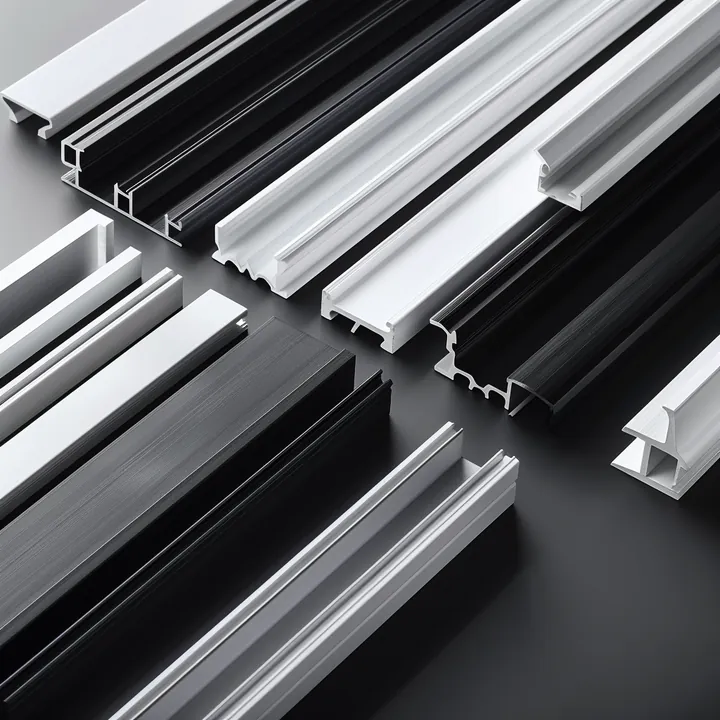
Las paredes delgadas de los perfiles de extrusión de aluminio plantean un reto especial durante el mecanizado. La falta de rigidez estructural permite vibraciones o desviaciones bajo las fuerzas de corte, lo que provoca marcas de vibración, un acabado superficial deficiente e incluso imprecisiones dimensionales.
Causas del parloteo
- Las paredes finas se flexionan bajo la presión de la herramienta
- El voladizo largo de la herramienta aumenta la desviación
- Un soporte deficiente permite vibraciones
- Demasiada profundidad de corte a la vez
Soluciones
| Problema | Solución |
|---|---|
| Desviación de la herramienta | Utilizar herramientas cortas, reducir el voladizo |
| Vibración parcial | Añade apoyo desde dentro o desde detrás |
| Fuerza de corte demasiado elevada | Cortar más ligero, aumentar la velocidad |
| Carga de viruta inconsistente | Utilizar un avance constante y escalar el fresado |
Evitar las vibraciones significa conocer los límites de rigidez tanto de la herramienta como de la pieza. Los soportes internos, las trayectorias de herramienta adecuadas y los parámetros optimizados marcan la diferencia.
Apoyar extrusiones de aluminio de paredes finas desde el interior o la parte posterior reduce las vibraciones.Verdadero
El soporte interno aumenta la rigidez de la pieza y reduce las vibraciones bajo las fuerzas de corte.
El uso de cortes muy profundos en extrusiones de aluminio de paredes finas es seguro si la velocidad de avance es bajaFalso
Los cortes profundos aumentan las fuerzas y el riesgo de vibración; reducir simplemente el avance puede seguir permitiendo la desviación y las vibraciones.
¿Pueden las fijaciones estabilizar las configuraciones de mecanizado?
Unas buenas fijaciones marcan la diferencia entre virutas precisas y piezas de desecho: fijan la pieza, la alinean y reducen el movimiento.
Las fijaciones eficaces para el mecanizado de extrusión de aluminio ayudan a posicionar el perfil, soportar secciones transversales inusuales, manejar longitudes largas y proporcionar una sujeción repetible para obtener resultados uniformes.
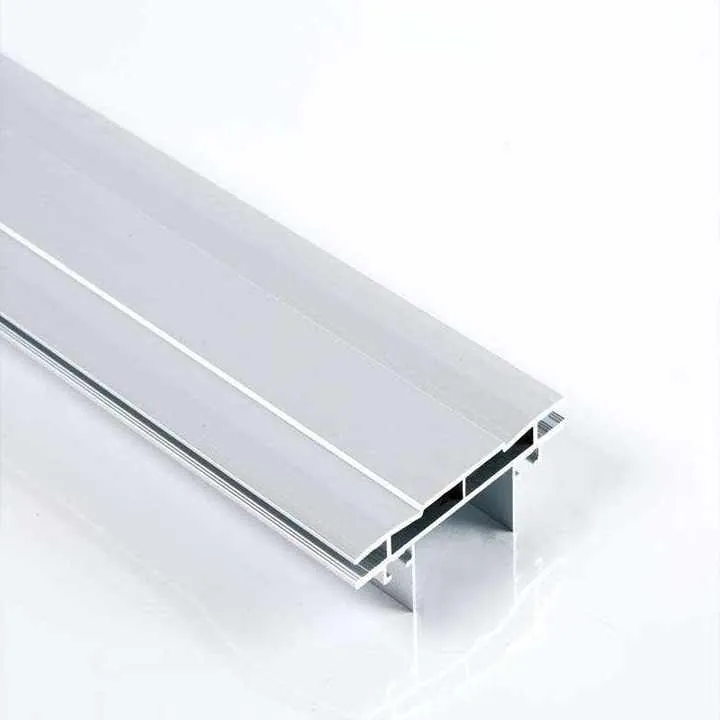
Las extrusiones suelen tener formas complejas y rigidez variable. Sin una fijación adecuada, las piezas pueden moverse durante el corte o deformarse bajo la presión de las mordazas.
Requisitos de fijación
| Característica de fijación | Propósito |
|---|---|
| Soporte completo | Evitan el pandeo o la flexión durante el corte |
| Alineación de datos | Garantiza que la pieza se coloque de forma coherente |
| Contacto no abrasivo | Protege las superficies anodizadas o pulidas |
| Abrazaderas ajustables | Se adapta a las variaciones de tamaño de los perfiles |
El uso de espigas internas o bloques de apoyo para sostener secciones huecas añade resistencia. Las abrazaderas de puntas y las mordazas blandas pueden sujetar las piezas firmemente sin deformarlas. Evite sujetar directamente sobre paredes finas.
Una fijación específica que soporta una extrusión en toda su longitud reduce la desviación y mejora la precisión.Verdadero
El soporte completo evita el pandeo y la desviación, mejorando así la estabilidad y la precisión del mecanizado.
El uso de una sola abrazadera en un extremo de una extrusión de aluminio larga es suficiente para el mecanizado de precisiónFalso
Una sola abrazadera no puede evitar el pandeo, la deflexión o las vibraciones a lo largo de una gran longitud; se necesitan varios soportes/abrazaderas.
Conclusión
Mecanizar extrusiones de aluminio de forma rentable significa elegir las herramientas adecuadas, utilizar refrigerante para mejorar el acabado, evitar las vibraciones en las paredes finas y asegurar la pieza con útiles fiables. Cuando todos estos elementos estén alineados, sus resultados serán precisos, repetibles y de alta calidad.


