¿Qué son las extrusiones de aluminio?

Las extrusiones de aluminio son perfiles alargados que se fabrican forzando un tocho de aluminio calentado a través de una matriz conformada, de modo que el metal fluya y adopte la sección transversal de la matriz. Se utilizan en muchos sectores para bastidores, elementos estructurales, cerramientos y perfiles personalizados.
¿En qué se diferencian las extrusiones de aluminio de las piezas de fundición?
Si se comparan los perfiles de aluminio extruido con las piezas de aluminio fundido, se observan grandes diferencias.
Las extrusiones se forman empujando aluminio caliente pero sólido a través de una matriz con forma, mientras que las piezas de fundición se forman vertiendo aluminio fundido en un molde.

Diferencias clave
- En la extrusión, el metal permanece sólido (aunque calentado) y fluye bajo presión a través de la matriz; en la fundición, el metal se funde y se vierte.
- Los perfiles extruidos suelen tener un flujo de grano más uniforme y, a menudo, mejores propiedades mecánicas a lo largo del perfil, porque el material fluye en una dirección y se trabaja.
- Las piezas de fundición pueden ser excelentes para formas tridimensionales complejas, cavidades internas y grandes volúmenes, pero pueden sufrir porosidad, contracción y una estructura de grano menos alineada.
- Las formas extruidas son ideales para secciones transversales constantes (se empuja un troquel y se obtiene una pieza larga de perfil uniforme). Las piezas de fundición permiten variaciones geométricas completas en 3D, pero pueden necesitar más mecanizado o acabado.
- Acabado superficial y tolerancias: las extrusiones suelen ofrecer un mejor acabado y tolerancias más ajustadas para elementos como largueros, ranuras y formas arquitectónicas, ya que el proceso es continuo y controlado.
- Estructura de costes: en el caso de las extrusiones, las matrices determinan el coste y se amortizan en tiradas largas; en el caso de la fundición, hay que tener en cuenta los moldes y los sistemas de inyección, además del acabado.
Por qué es importante para tu negocio
Si usted suministra perfiles de aluminio a medida para sectores como la construcción, los marcos solares, la iluminación y la maquinaria industrial, es importante que elija la extrusión en lugar de las piezas de fundición (o que entienda las ventajas y desventajas). Si sus perfiles necesitan longitudes largas, secciones transversales uniformes, propiedades mecánicas y acabados uniformes, las extrusiones suelen ser superiores. En cambio, si utiliza piezas de fundición, es posible que tenga que realizar más acabados, mayores alabeos y propiedades más débiles.
Los perfiles de aluminio extruido siempre tienen una resistencia estructural superior a la de las piezas de fundición de la misma aleación.Falso
Aunque las extrusiones suelen tener una mejor alineación y fluidez del grano, la resistencia también depende de la aleación, el tratamiento térmico, la geometría y el acabado.
Las piezas de aluminio extruido son idóneas para perfiles largos y lineales con sección transversal constante.Verdadero
El proceso de extrusión destaca en la producción eficaz de longitudes continuas de sección transversal uniforme.
¿Por qué se utilizan extrusiones en muchas industrias?
Los perfiles de aluminio extruido son muy versátiles y muchas industrias los eligen por diversas razones.
Las extrusiones se utilizan porque permiten secciones transversales complejas, una buena relación resistencia-peso, una producción eficiente para tiradas largas y son compatibles con el acabado y el mecanizado.
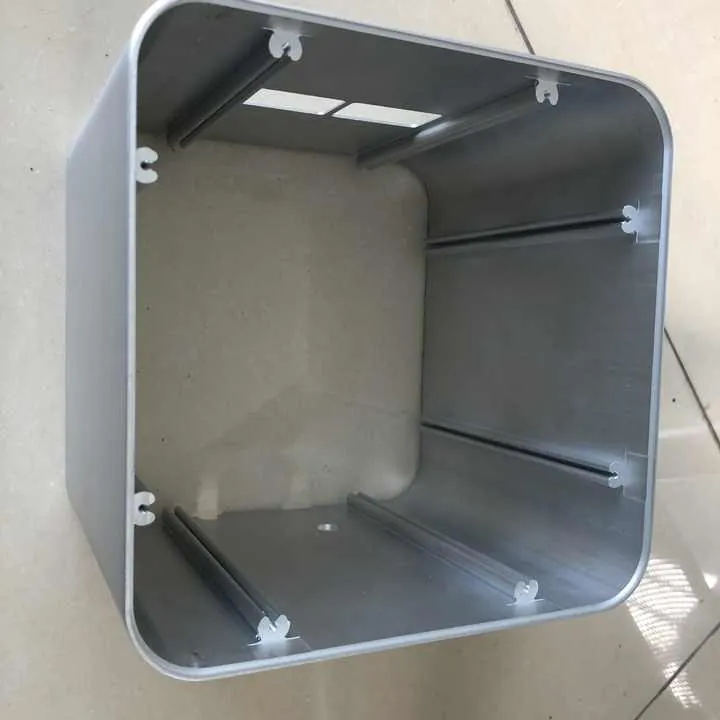
Principales razones
- Flexibilidad de diseño: Puede extruir formas personalizadas, cavidades internas, paredes finas, bridas, ranuras, etc. Esto hace que las extrusiones sean muy adaptables a marcos industriales, carcasas de iluminación, soportes de paneles solares y elementos arquitectónicos.
- Ligereza y resistencia: El aluminio en sí tiene una densidad baja, y las piezas extruidas pueden diseñarse para ofrecer la resistencia o rigidez necesarias para estructuras más ligeras.
- Compatibilidad de acabados: Las extrusiones se procesan a menudo con anodizado, revestimiento en polvo o acabado mecánico, lo que las hace adecuadas para uso arquitectónico visible o piezas resistentes a la corrosión.
- Eficacia de fabricación: Para longitudes largas o grandes cantidades, las extrusiones son más rentables que el mecanizado a partir de piezas macizas, o la fundición más un acabado pesado.
- Ventajas de la cadena de suministro: Dado que el utillaje de extrusión es reutilizable y el proceso es continuo, los proveedores pueden responder a pedidos de gran volumen y proporcionar una geometría de pieza uniforme.
- Integración industrial: Muchas industrias (construcción, automoción, aeroespacial, náutica, electrónica) utilizan extrusiones porque pueden integrarse en sistemas de montaje, proporcionar elementos estructurales, canales, ranuras y soportes.
Ejemplos
- Marcos arquitectónicos para ventanas, puertas y fachadas.
- Carriles y bastidores de montaje de paneles solares.
- Bastidores de máquinas, soportes de cintas transportadoras, armarios industriales.
- Rieles de techo para automóviles, componentes de chasis, estructuras de choque (donde el aluminio extruido encaja debido a la flexibilidad del diseño y su ligereza).
- Carcasas de productos de consumo y disipadores térmicos (perfiles extruidos con aletas para refrigeración, por ejemplo).
Los perfiles de aluminio extruido rara vez se utilizan en aplicaciones de automoción o arquitectura.Falso
Por el contrario, se utilizan mucho en los sectores de la automoción y la arquitectura por sus ventajas en flexibilidad de diseño y ligereza.
La extrusión permite realizar secciones transversales complejas que resultan difíciles de moldear o mecanizar por sí solas.Verdadero
El proceso de extrusión puede producir perfiles continuos con secciones transversales complejas, paredes finas y ranuras que resultan más difíciles o costosas con la fundición o el mecanizado.
¿Dónde se suelen instalar las formas extruidas?
Los perfiles de aluminio extruido se utilizan en muchas instalaciones de todos los sectores, y comprender el uso final típico le ayuda a posicionar sus productos.
Las formas extruidas suelen instalarse en sistemas estructurales, elementos arquitectónicos, bastidores industriales, componentes de transporte, carcasas electrónicas, sistemas de montaje solar, etc.
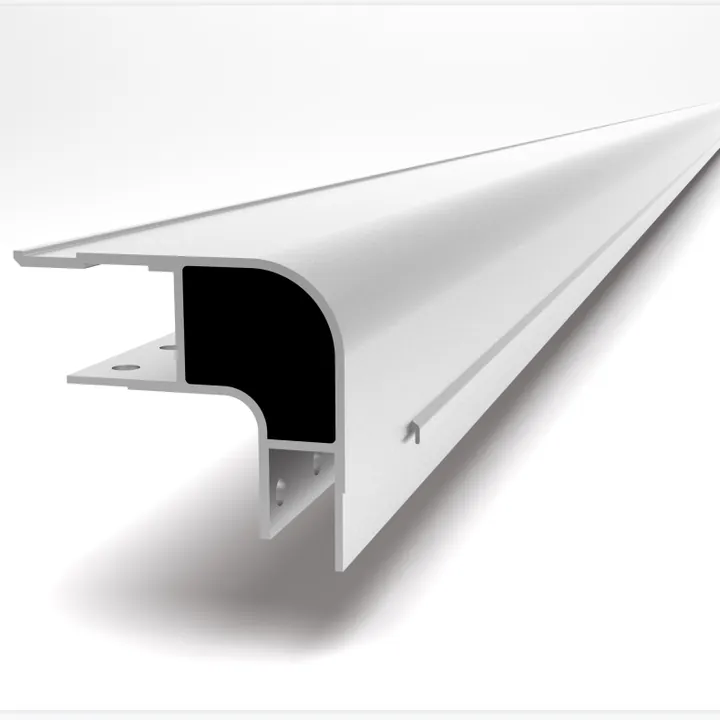
Lugares típicos de instalación
- Edificación y construcción: Marcos de ventanas y puertas, sistemas de muro cortina, parteluces, barandillas, columnas, marcos de acristalamiento estructural, soportes de fachada.
- Energía solar y renovable: Carriles de montaje para paneles solares, bastidores para módulos fotovoltaicos, seguidores, estructuras de soporte tanto en instalaciones residenciales como comerciales.
- Automatización industrial y maquinaria: Bastidores de máquinas, sistemas de protección, cerramientos de seguridad, soportes de cintas transportadoras, bastidores modulares basados en extrusión en los que se utilizan ensamblajes quik-connect.
- Transporte: Perfiles en vagones de tren, autobuses, raíles de techo de automóviles, elementos estructurales en cajas de camiones.
- Consumo y electrónica: Disipadores térmicos, carcasas de iluminación LED, chasis extruidos para electrónica, armazones de muebles.
- Sistemas de venta y exposición: Mobiliario para tiendas, estanterías, sistemas de señalización que utilizan perfiles de aluminio extruido con ranura en T para una flexibilidad modular.
Por qué el contexto de la instalación es importante para usted
Dado que su negocio se centra en la fabricación B2B y el suministro al por mayor de extrusiones de aluminio, sepa dónde acaban sus perfiles: esto ayuda en el diseño, la especificación del acabado, las tolerancias dimensionales y la calidad de la superficie. Por ejemplo, el uso arquitectónico a menudo exige un acabado anodizado o veteado de madera, además de longitudes muy rectas; los bastidores solares requieren resistencia a la corrosión, precisión dimensional y facilidad de montaje. Reconocer el entorno de instalación ayuda a adaptar su oferta de productos.
Los perfiles de aluminio extruido sólo se utilizan en aplicaciones de consumo a pequeña escala.Falso
Se utilizan en grandes instalaciones estructurales, industriales y arquitectónicas, así como en productos de consumo.
Los perfiles de aluminio extruido se utilizan a menudo para armazones, soportes, sistemas de montaje y elementos estructurales.Verdadero
Gracias a su geometría, relación resistencia-peso y flexibilidad de diseño, resultan muy útiles en funciones estructurales o de soporte.
¿Pueden las aleaciones de extrusión cambiar el rendimiento?
Sí, la elección de la aleación y el temple en los perfiles de aluminio extruido afecta significativamente a las propiedades mecánicas, el acabado, la resistencia a la corrosión, la mecanizabilidad y las opciones de tratamiento posterior.
Las diferentes aleaciones y temperaturas de extrusión modifican el rendimiento en términos de resistencia, ductilidad, compatibilidad con el tratamiento superficial y coste.

Cómo afecta la elección de la aleación al rendimiento
- Entre las aleaciones de aluminio extruidas más comunes se encuentran las de la serie 6000 (como 6063, 6061), que son buenas para la extrusión por su conformabilidad y acabado.
- Una aleación de mayor resistencia puede permitir paredes más delgadas o un peso más ligero, pero puede costar más o ser más difícil de extruir.
- Algunas aleaciones son más compatibles con el anodizado o el recubrimiento en polvo; otras resisten mejor la corrosión (importante para aplicaciones marinas o al aire libre).
- El temple (T5, T6, etc.) modifica la resistencia mecánica y, por tanto, la capacidad de diseño.
- Para aplicaciones como el montaje solar o la fachada arquitectónica, puede elegir una aleación con mejor resistencia a la corrosión (por ejemplo, 6005A, 6082) en lugar de sólo el coste más bajo.
Qué significa esto para su oferta de fabricación
Dado que su empresa ofrece extrusiones de aluminio de 10 mm-400 mm y múltiples tratamientos superficiales (oxidación, electrocolor, pulverización, veteado de madera), especificar la aleación adecuada es clave:
- Si su cliente necesita un perfil estructural para un seguidor solar, elija una aleación y un temple con suficiente resistencia y duración a la fatiga.
- Si su cliente necesita embellecedores arquitectónicos decorativos con acabado anodizado, elija una aleación que extruya limpiamente y anodice uniformemente (por ejemplo, 6063-T5).
- Si el coste es un factor clave y la pieza no es estructural, puede bastar con una aleación más económica.
- Asegúrese de declarar la aleación y el temple en su oferta, para que los clientes comprendan el rendimiento, las opciones de acabado y el comportamiento de mecanizado posterior.
Todas las aleaciones de extrusión de aluminio ofrecen la misma resistencia y compatibilidad de acabado.Falso
Las distintas aleaciones y tipos de temple presentan diferencias significativas en cuanto a resistencia, resistencia a la corrosión y capacidad de acabado.
La selección de una aleación de mayor calidad para la extrusión puede mejorar el rendimiento, especialmente en aplicaciones estructurales o medioambientales exigentes.Verdadero
No hay explicación disponible.
Conclusión
Las extrusiones de aluminio son perfiles muy versátiles fabricados forzando el aluminio a través de matrices conformadas. Se diferencian de las piezas de fundición en su proceso, propiedades mecánicas y potencial de acabado. Se utilizan mucho en todos los sectores porque ofrecen flexibilidad de diseño, ventajas en la relación resistencia-peso y una producción eficiente. Suelen instalarse en estructuras, sistemas de montaje solar, transporte y aplicaciones industriales. Y la aleación que se elija cambia el rendimiento, el acabado y la adaptación del perfil a la aplicación final. Para su negocio de fabricación y suministro al por mayor B2B, comprender estos aspectos le ayuda a ofrecer un mayor valor, cumplir los requisitos de los clientes y destacar en el mercado.