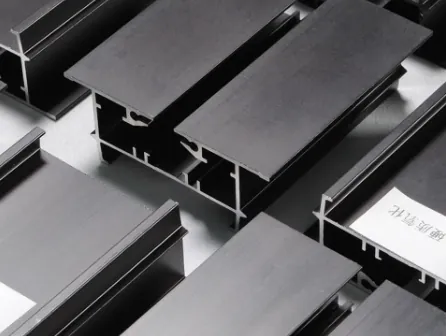
¿Cómo cortar extrusión de aluminio?

Si tiene problemas con los extremos dentados o los marcos desalineados al cortar extrusiones de aluminio, el problema no es sólo el material, sino el método.
El corte limpio de la extrusión de aluminio requiere la herramienta adecuada, la velocidad correcta, un amarre seguro y una fijación adecuada.
Te explicaré el por qué y el cómo de cada paso clave.
¿Qué herramientas cortan limpiamente la extrusión de aluminio?
Imagínese acabar un perfil de aluminio y seguir viendo rebabas o bordes irregulares: frustrante, ¿verdad?
Las mejores herramientas para cortar extrusión de aluminio son las sierras ingletadoras o tronzadoras con hojas de metal no férreo con punta de carburo, bien sujetas y apoyadas.

Por mi experiencia, he comprobado que la elección de la herramienta adecuada marca la diferencia entre un corte limpio, cuadrado y listo para montar y una pieza que requiere un limado o una comprobación de cuadratura adicionales. Así es como lo desgloso:
Tipos de herramientas y selección de cuchillas
- A menudo se recomienda utilizar una ingletadora o una sierra de corte. Puede cortar fácilmente en cualquier ángulo y producir cortes suaves y limpios.
- Utilice una cuchilla diseñada para metales no ferrosos (aluminio, latón, etc.). Una cuchilla de carburo afilada para aluminio suele proporcionar resultados sin rebabas.
- Hojas de madera estándar puede cortar aluminio, pero el acabado y la precisión se resentirán.
- Sujete bien el perfil antes de cortarlo. El movimiento durante el corte suele dar lugar a malos resultados.
Consejos de buenas prácticas
- Mida dos veces, marque una. Utilice una escuadra de velocidad para mayor precisión.
- Alinee correctamente la cuchilla con la línea marcada.
- Deje que la sierra corte lenta y suavemente, no la fuerce.
- Desbarbe el borde cortado para eliminar esquinas afiladas o residuos.
Por qué es importante para su empresa
Cuando la calidad de sus productos depende de la precisión de las piezas de aluminio, los cortes defectuosos pueden provocar desalineaciones, repeticiones y quejas de los clientes. Utilizar las herramientas adecuadas evita estos problemas y genera confianza con sus clientes.
Las cuchillas con punta de carburo diseñadas para metales no ferrosos son ideales para cortar extrusión de aluminio.Verdadero
Estas cuchillas están especialmente diseñadas para cortes limpios y sin rebabas en aluminio.
Puede omitir la sujeción de la extrusión si la sierra es lo suficientemente potente.Falso
La sujeción impide el movimiento y garantiza cortes seguros y precisos.
¿Por qué es importante la velocidad de corte en la extrusión?
¿Ha notado alguna vez que si apura la velocidad de la sierra se producen vibraciones, bordes ásperos o incluso trozos de aluminio fundidos?
La velocidad de corte para la extrusión de aluminio afecta al acabado, la formación de rebabas, el desgaste de la herramienta y la generación de calor: un avance más lento y controlado proporciona resultados más limpios.
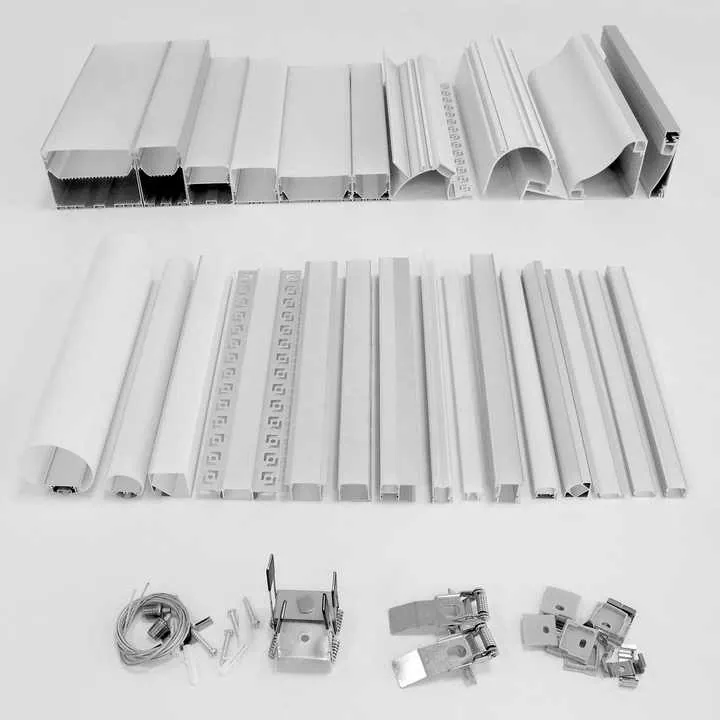
La velocidad de corte suele pasarse por alto cuando la gente simplemente coge una sierra y “va a por todas”. Sin embargo, cuando se trabaja con perfiles de aluminio -especialmente los que tienen secciones transversales complejas o paredes finas- la velocidad y el avance son muy importantes para lograr resultados uniformes.
Qué significa aquí ‘velocidad de corte
En términos sencillos, la “velocidad de corte” es la rapidez con la que la cuchilla atraviesa el material. El aluminio permite altas velocidades, pero solo con el control y la configuración adecuados.
Por qué es importante la velocidad en la extrusión de aluminio
- Un avance demasiado rápido provoca asperezas, calor y daños en la herramienta.
- Demasiado lento puede reducir la productividad, pero mejora la precisión y el acabado.
- Una velocidad inadecuada puede provocar bordes fundidos o cortes alabeados.
- El avance estable reduce las vibraciones y mantiene el corte a escuadra.
Recomendación práctica
- Utilice una cuchilla con el número de dientes y el ángulo de gancho adecuados.
- No empuje la extrusión hacia la cuchilla, aplique una presión constante.
- Utilice sierras en frío o sierras automatizadas para la producción de grandes volúmenes.
- Compruebe si el borde de corte presenta rebabas o está fundido, signos de una velocidad incorrecta.
Implicaciones para la calidad y el coste
Controlar la velocidad mejora la fiabilidad de su proceso. Con menos defectos y acabados más suaves, sus productos cumplen las expectativas. Los clientes ahorran tiempo en el postprocesado y confían más en sus estándares de calidad.
Las velocidades de avance más lentas pueden reducir la formación de rebabas durante el corte.Verdadero
El avance controlado reduce el calor y las vibraciones, produciendo cortes más limpios.
Alimentar el aluminio demasiado rápido ayuda a conseguir cortes más suaves.Falso
El avance rápido provoca acumulación de calor, mal acabado y posible desgaste de la herramienta.
¿Dónde debe cortarse con seguridad la extrusión de aluminio?
Cortar perfiles largos de aluminio puede ser peligroso si la pieza se desplaza, la hoja se atasca o las virutas vuelan a lugares peores.
Prepare el corte en una zona bien sujeta, con el equipo de seguridad adecuado, control de polvo/virutas y soporte correcto para longitudes largas.
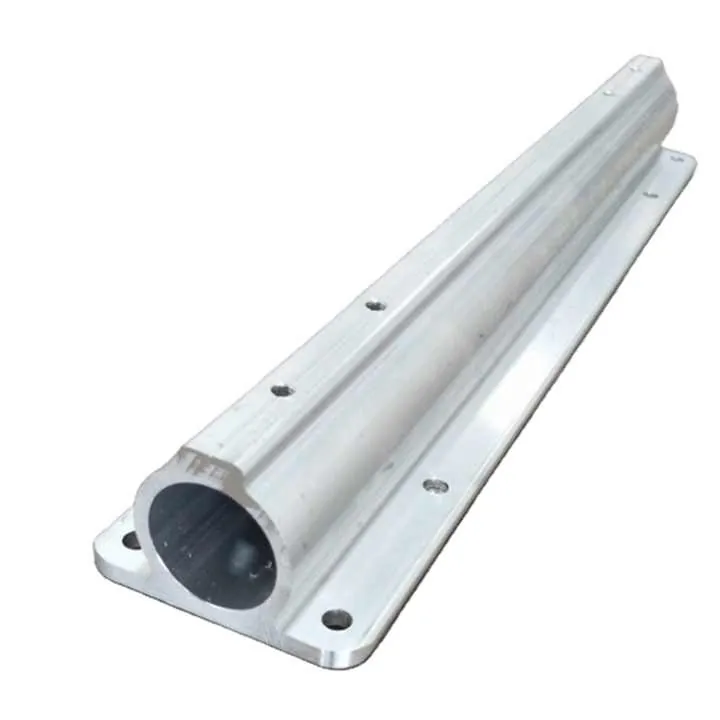
La seguridad y la configuración suelen descuidarse cuando la gente se centra únicamente en la herramienta y la técnica. Pero en un entorno empresarial de extrusión, las prácticas de corte seguras protegen al equipo, el material y la calidad del producto.
Consideraciones clave sobre seguridad y configuración
- Apoye ambos extremos de los perfiles largos para evitar que se hundan o se atasquen.
- Asegure la pieza con abrazaderas o fijaciones para evitar que se mueva.
- Llevar EPI: gafas de seguridad, guantes y protección auditiva.
- Utilice un sistema de extracción de polvo o un aspirador para gestionar las virutas de aluminio.
- Separe el corte de aluminio del de acero para evitar la contaminación cruzada.
Configuración del área de trabajo
| Seguridad | Buenas prácticas |
|---|---|
| Sujeción | Asegure firmemente la extrusión antes de cada corte |
| Soporte de la pieza | Utilizar soportes de rodillos o brazos extensibles |
| Compatibilidad de las cuchillas | Sólo cuchillas de carburo no ferroso |
| Gestión de chips | Aspiradora o caja de recogida para mantener limpia la zona |
| Zonificación | Designar zonas de corte sólo para aluminio |
Por qué es importante
Una configuración incorrecta conlleva el riesgo de lesiones, daños en el equipo y cortes deficientes. En el caso de perfiles largos, un simple error de apoyo puede desperdiciar material caro o ralentizar la producción. Una zona de corte segura y bien organizada garantiza resultados uniformes y protege a su equipo.
Los perfiles deben apoyarse en ambos extremos para evitar que se muevan durante el corte.Verdadero
Un soporte adecuado garantiza la estabilidad y mejora la precisión del corte.
Las extrusiones de aluminio pueden cortarse con seguridad sin equipo de seguridad si la hoja está afilada.Falso
Los EPI son siempre necesarios para protegerse de las virutas y el ruido.
¿Pueden los útiles de corte mejorar la precisión de la extrusión?
Ha medido, sujetado y cortado, pero ¿son sus extremos perfectamente cuadrados y repetibles en docenas de piezas idénticas?
Las fijaciones de corte (o plantillas/bloques de tope) mejoran significativamente la repetibilidad, la cuadratura y la precisión al cortar múltiples extrusiones de aluminio idénticas.

En un contexto de fabricación como el suyo, en el que puede estar suministrando muchas piezas del mismo perfil para que encajen en construcciones o maquinaria, la precisión y la repetibilidad son fundamentales. Ahí es donde las fijaciones y las plantillas de corte son de gran ayuda.
¿Qué es una fijación de corte?
Una fijación de corte es una configuración de herramienta que ayuda a sujetar y posicionar el aluminio de forma consistente:
- Un tope garantiza que todas las piezas tengan la misma longitud.
- Las abrazaderas evitan el movimiento y la desalineación.
- Los dispositivos reducen los errores humanos y aumentan el rendimiento.
Consejos de montaje
| Componente de fijación | Función |
|---|---|
| Bloqueo de parada | Mantiene cortes de longitud uniforme |
| Abrazaderas | Asegura la pieza contra el movimiento de la cuchilla |
| Base ajustable | Admite diferentes tamaños de extrusión |
| Guía cuadrada | Garantiza cortes limpios y perpendiculares |
Ventajas para la producción
- Menos errores de medición entre lotes.
- Los cortes cuadrados garantizan un ajuste correcto en el montaje final.
- Ciclos de corte más rápidos cuando se producen cientos de unidades.
- Reducción del tiempo de tratamiento posterior (limado, desbarbado, repaso).
Por qué es importante
Cuando sus clientes exigen piezas precisas para la construcción, las estructuras solares o el uso de maquinaria, las pequeñas desviaciones en la longitud de corte o el ángulo pueden causar problemas importantes. Las fijaciones le ayudan a cumplir siempre las especificaciones.
El uso de una fijación de tope puede reducir la variación de las longitudes de corte en un lote de extrusiones.Verdadero
Un bloque de tope proporciona un posicionamiento repetible, por lo que se minimiza la variación de longitud.
Las fijaciones son innecesarias si utiliza una ingletadora y una hoja de sierra de alta calidad, ya que la sierra por sí sola garantiza cortes perfectos.Falso
Incluso una sierra de calidad se beneficia de una fijación para la repetibilidad y el apoyo, especialmente para longitudes y cortes a escuadra.
Conclusión
Cortar la extrusión de aluminio de forma limpia y precisa se reduce a cuatro elementos clave: las herramientas adecuadas, la velocidad de corte correcta, una configuración segura y bien apoyada, y el uso de dispositivos de fijación para la repetibilidad. Si perfecciona cada uno de estos elementos en su línea de producción, obtendrá piezas de mayor calidad, reducirá las repeticiones y reforzará su reputación como proveedor fiable.