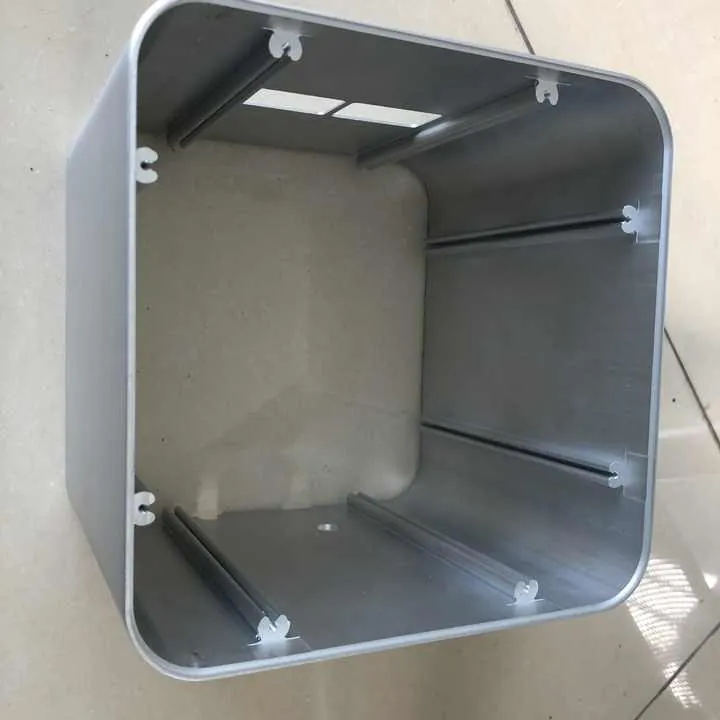
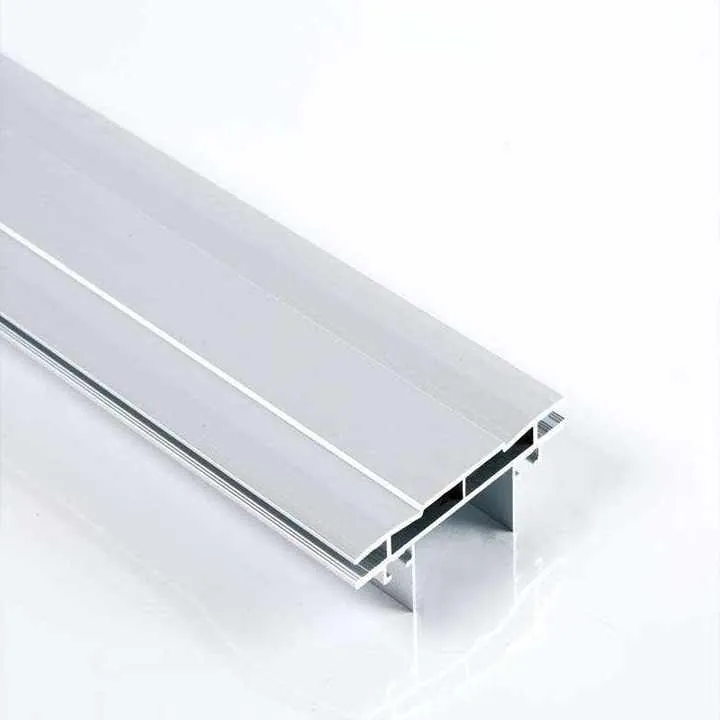
Environmental advantages of anodizing aluminium profiles

Anodizing aluminum profiles is more than just a surface treatment; it’s a commitment to sustainability.
The environmental advantages of anodizing aluminum profiles include its non-toxic process, improved recyclability, and reduced energy consumption compared to other treatments. Anodizing enhances the natural oxide layer, creating a durable, corrosion-resistant surface without emitting harmful VOCs. This makes anodized aluminum both eco-friendly and suitable for various applications.
While the initial benefits of anodizing are clear, there are deeper insights into how this process contributes to a greener future. From managing wastewater effectively to exploring innovative combinations with other treatments, anodizing aluminum profiles represents a pivotal shift towards sustainable manufacturing. Let’s dive into the details of why this process is highly regarded in eco-friendly design.
Anodizing aluminum emits harmful VOCs.False
Anodizing does not emit harmful VOCs, making it eco-friendly.
Anodizing enhances aluminum's recyclability.True
The process improves the metal's recyclability by creating a durable surface.
How Does Anodizing Enhance the Eco-Friendliness of Aluminum?
Anodizing aluminum significantly boosts its eco-friendliness by improving durability, reducing maintenance needs, and utilizing non-toxic processes. Discover how this sustainable treatment benefits the environment and enhances aluminum’s lifecycle.
Anodizing enhances aluminum’s eco-friendliness by forming a durable, non-toxic layer that increases corrosion resistance without harmful chemicals. It reduces environmental impact through minimal maintenance and long-lasting performance, contributing to sustainable practices.

The Non-Toxic Nature of Anodizing
One of the key eco-friendly aspects of anodizing aluminum is its non-toxic nature. Unlike other surface treatments that may rely on harmful chemicals1 or solvents, anodizing is an electrochemical process. It involves
electrolysis to enhance the natural oxide layer on aluminum, resulting in a surface that is both durable and non-polluting.
| Feature | Anodizing | Painting |
|---|---|---|
| Use of VOCs | None | High |
| Durability | High | Moderate |
| Maintenance Needs | Low | High |
Efficient Wastewater Management
During anodizing, wastewater is generated, which necessitates effective management. Proper filtration systems ensure that contaminants are removed before discharge. This not only
complies with environmental regulations but also promotes sustainable manufacturing practices. Implementing these systems can significantly minimize the potential pollution2
of water resources.
Enhanced Durability and Reduced Lifecycle Impact
Anodized aluminum is known for its exceptional durability, which directly contributes to its eco-friendliness. The robust anodized layer provides superior resistance to
corrosion and wear, reducing the need for frequent replacements or repairs. This longevity lessens the environmental impact over the product’s lifecycle, making it a favored choice
for sustainable3 applications.
Combining Anodizing with Other Treatments
Innovations in aluminum treatment often involve combining anodizing with other surface processes like powder coating or painting. This enhances the material’s aesthetic
appeal while retaining the protective benefits of anodizing. Such combinations offer customization options without sacrificing eco-friendly attributes, allowing for broader applications
in environmentally-conscious projects.
| Treatment Combination | Benefits |
|---|---|
| Anodizing + Powder Coating | Increased aesthetic diversity |
| Anodizing + Painting | Enhanced surface protection |
Anodizing uses volatile organic compounds (VOCs).False
Anodizing does not use VOCs, making it environmentally friendly.
Anodized aluminum requires frequent maintenance.False
Anodized aluminum has low maintenance needs due to its durability.
What Role Does Wastewater Management Play in Anodizing?
Wastewater management is crucial in anodizing, ensuring environmental protection and compliance with regulations. Discover how this process impacts quality and sustainability in the anodizing industry.
Wastewater management in anodizing is essential to remove harmful substances and comply with environmental regulations. Proper treatment systems help minimize pollution, protect ecosystems, and support sustainable manufacturing practices.

Understanding Wastewater in Anodizing
During anodizing, aluminum surfaces are treated through an electrochemical process. This can generate wastewater containing metal ions, acids, and other contaminants. Proper management is vital to prevent environmental harm.
Methods of Wastewater Treatment
-
Filtration and Sedimentation
These techniques are used to separate solids from liquids. Filtration traps particulates, while sedimentation allows heavier particles to settle. Both methods are cost-effective and enhance water quality.
-
Chemical Treatment
This involves adding chemicals to neutralize acids or precipitate metals. It’s a versatile approach that can be tailored for specific contaminants.
-
Biological Treatment
Utilizing microorganisms to break down organic materials can be effective for less toxic waste streams. However, it requires careful monitoring and maintenance.
Key Benefits of Effective Wastewater Management
| Benefit | Description |
|---|---|
| Environmental Safety | Reduces pollutants released into water bodies, protecting aquatic life and ecosystems. |
| Regulatory Compliance | Ensures adherence to local and international environmental laws, avoiding fines and legal issues. |
| Cost Efficiency | Efficient systems can lower costs associated with waste disposal and potential environmental damage cleanup. |
Innovations in Wastewater Management
-
Membrane Technology: Recent advancements include using membranes for ultrafiltration, which improves the efficiency of removing contaminants.
-
Recycling Systems: Some facilities implement systems that recycle treated water back into the anodizing process, reducing freshwater consumption.
-
Real-Time Monitoring: Technologies that provide continuous monitoring of wastewater quality help facilities make adjustments promptly.
For further insights4, explore case studies of companies implementing cutting-edge solutions. These innovations not only align with sustainable practices but also improve anodizing process efficiency5 by maintaining high-quality output and minimizing resource use.
Challenges in Implementation
-
Cost of Setup: Initial investment in treatment infrastructure can be high, posing challenges for smaller operations.
-
Technical Expertise: Implementing advanced systems may require specialized knowledge, highlighting the importance of training and education.
-
Regulatory Changes: Keeping up with evolving environmental regulations necessitates continuous updates to wastewater management protocols.
Engaging with experts and adopting a proactive approach can help navigate these challenges efficiently. For more on overcoming these hurdles, explore strategies6 employed by leaders in the anodizing industry. Such strategies ensure that environmental objectives align with business goals, fostering a culture of sustainability.
Anodizing generates wastewater with metal ions and acids.True
The electrochemical process in anodizing releases contaminants like metal ions and acids.
Membrane technology is outdated in wastewater management.False
Membrane technology is a recent advancement improving contaminant removal efficiency.
What Challenges Exist in Achieving Colored Anodized Aluminum?
Colored anodized aluminum offers aesthetic versatility but comes with technical hurdles. Understanding these challenges is crucial for achieving vibrant, uniform finishes that meet quality standards.
Achieving colored anodized aluminum involves challenges like controlling dye concentration, maintaining uniformity, and ensuring substrate quality. Precise process management is key to overcoming these issues.
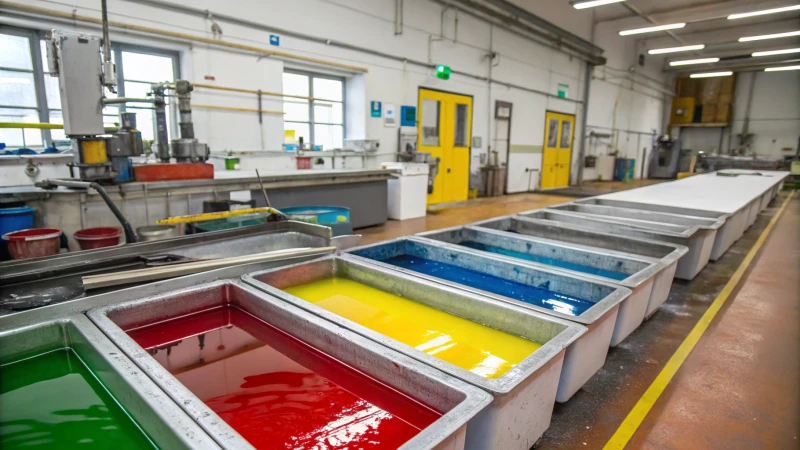
Precision in Dyeing Process
Achieving consistent color in anodized aluminum demands precise control over dyeing parameters such as temperature, time, and concentration. Slight deviations can lead to color inconsistencies, making quality control7 vital.
A typical dyeing process requires maintaining strict parameters:
| Parameter | Ideal Range |
|---|---|
| Temperature (°C) | 20-25 |
| Time (minutes) | 10-15 |
| Dye Concentration | Varies by color |
Each parameter must be adjusted according to the specific dye used and the desired color depth.
Substrate Quality Concerns
The quality of the aluminum substrate directly affects the anodizing outcome. Impurities or surface irregularities can cause color variation. It’s essential to use high-quality, pre-treated aluminum to ensure a uniform surface for anodizing.
Impact of Film Thickness
The thickness of the anodized layer influences both the color intensity and durability. Thicker layers may require longer processing times, which can complicate the dyeing process. Balancing thickness requirements8 with color expectations is crucial.
Environmental Considerations
Anodizing, while eco-friendly in nature, generates wastewater that needs careful management. Ensuring proper filtration and treatment is essential for sustainable practices. Understanding these environmental impacts can help streamline the production process9 and align with eco-conscious goals.
Innovations in Combining Treatments
Combining anodizing with other treatments like powder coating expands aesthetic possibilities but introduces new complexities. This hybrid approach can offer enhanced durability and a broader color range but requires expertise in multiple processes.
Exploring these innovative solutions10 can provide new opportunities for customization and performance enhancement without sacrificing the protective benefits of anodizing.
Dyeing temperature must be 20-25°C for consistency.True
Maintaining this temperature range ensures consistent color outcomes.
Thicker anodized layers always simplify the dyeing process.False
Thicker layers complicate dyeing due to longer processing times.
How Can Anodizing Be Combined with Other Treatments for Better Results?
Anodizing, renowned for its protective properties and aesthetic appeal, can be enhanced by combining it with other surface treatments. This synergy can lead to improved durability, unique finishes, and tailored functionality.
Combining anodizing with treatments like powder coating or painting enhances both durability and aesthetic appeal. This fusion allows for custom finishes while retaining the protective benefits of anodizing, ideal for high-demand applications.

Enhancing Durability with Powder Coating
Anodizing is often combined with powder coating11. This duo enhances the surface’s resistance to scratches and corrosion. The anodized layer serves as a primer, allowing the powder coat to adhere more effectively.
- Benefits: Enhanced resistance to wear and environmental factors.
- Example: Used in automotive components exposed to harsh conditions.
| Treatment | Primary Benefit | Typical Application |
|---|---|---|
| Anodizing + Powder Coating | Enhanced durability | Automotive parts |
Aesthetic Versatility with Painting
Combining anodizing with painting techniques12 provides endless aesthetic possibilities. While anodizing offers a base color, painting adds depth and variety, suitable for customized designs.
- Benefits: Diverse color palette and finish textures.
- Example: Utilized in consumer electronics for branding.
Improving Performance with Sealing
Sealing after anodizing helps to close the pores in the anodized layer, enhancing corrosion resistance. When combined with other sealing agents13, it can significantly improve longevity.
- Benefits: Increased protection against moisture.
- Example: Used in marine applications where saltwater exposure is frequent.
These combinations not only extend the life span of materials but also open new avenues in design and functionality. By understanding these synergies, industries can tailor solutions that meet both aesthetic and functional demands while maintaining eco-friendly practices.
Anodizing acts as a primer for powder coating.True
The anodized layer enhances adhesion for the powder coat.
Sealing after anodizing decreases corrosion resistance.False
Sealing increases corrosion resistance by closing pores.
Conclusion
Anodizing aluminum profiles offers significant environmental benefits, including non-toxic processes, improved recyclability, reduced energy consumption, and effective wastewater management for sustainable manufacturing.
-
Learn about the chemicals involved in anodizing to understand its eco-friendly nature and safety advantages. ↩
-
Explore wastewater treatment processes in anodizing to appreciate their role in pollution reduction. ↩
-
Discover why anodized aluminum is valued for sustainability, focusing on its durability and environmental benefits. ↩
-
Explore real-world applications and benefits of advanced wastewater management systems in the anodizing industry. ↩
-
Learn how effective wastewater treatment enhances anodizing efficiency and product quality. ↩
-
Discover practical approaches to addressing common obstacles in managing anodizing wastewater. ↩
-
Discover methods to ensure consistent dyeing results in anodized aluminum through effective quality control techniques. ↩
-
Explore how film thickness affects the durability and color intensity of anodized aluminum. ↩
-
Learn about the importance of wastewater treatment in maintaining sustainable anodizing practices. ↩
-
Understand how combining anodizing with other treatments can enhance both aesthetics and functionality. ↩
-
Discover how combining these treatments enhances durability and is particularly beneficial in harsh environments. ↩
-
Explore creative techniques for painting over anodized aluminum to achieve unique visual effects. ↩
-
Learn about various sealing agents that enhance corrosion resistance when applied post-anodizing. ↩