Does Aluminum Corrode? How To Prevent Aluminum Corrosion?
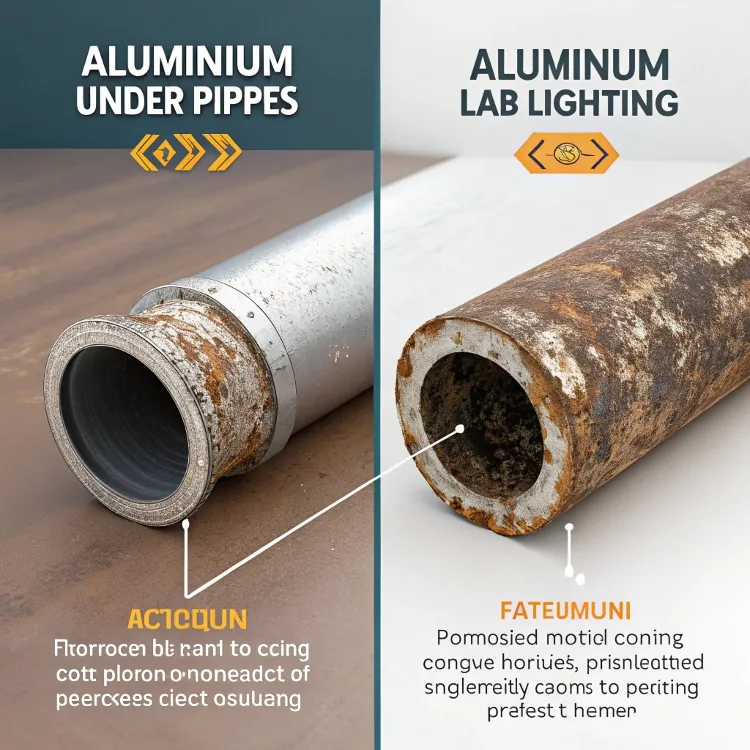
Aluminum is known for its corrosion resistance, but under certain conditions, it can corrode, compromising its structural integrity and appearance.
While aluminum naturally forms a protective oxide layer, exposure to specific environments can lead to corrosion, necessitating preventive measures to maintain its durability.
Understanding the causes and prevention methods of aluminum corrosion is essential for ensuring the longevity of aluminum components in various applications.
What causes aluminum to corrode?
Aluminum’s corrosion resistance stems from its ability to form a thin, protective oxide layer when exposed to air. However, this layer can be compromised under certain conditions.
Factors such as exposure to saltwater, acidic or alkaline environments, and contact with dissimilar metals can lead to the breakdown of the oxide layer, resulting in corrosion.
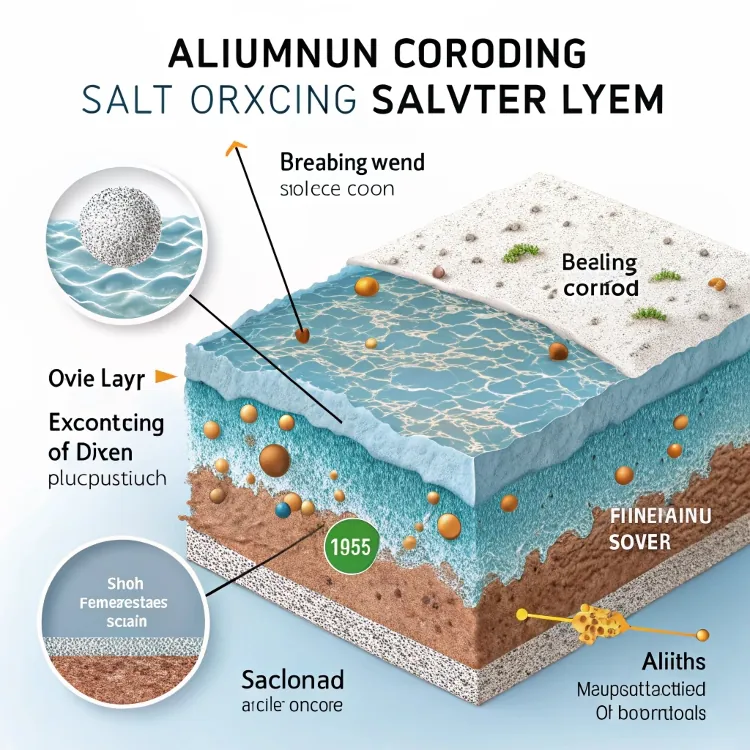
Common Causes of Aluminum Corrosion
- Saltwater Exposure: Chloride ions in saltwater can penetrate and disrupt the oxide layer, leading to pitting corrosion1.
- Acidic or Alkaline Environments: Extreme pH levels can accelerate the corrosion process by attacking the protective oxide layer.
- Galvanic Corrosion: Occurs when aluminum is in electrical contact with a more noble metal in the presence of an electrolyte, causing aluminum to corrode preferentially.
- Mechanical Damage: Scratches or abrasions can remove the oxide layer, exposing bare aluminum to corrosive elements.
Aluminum is immune to corrosion in all environments.False
While aluminum has good corrosion resistance, certain environments can compromise its protective oxide layer, leading to corrosion.
Contact with dissimilar metals can cause aluminum to corrode.True
Galvanic corrosion occurs when aluminum is in contact with more noble metals in the presence of an electrolyte.
How does corrosion affect aluminum’s properties?
Corrosion can significantly impact the mechanical and aesthetic properties2 of aluminum, leading to potential failures in structural applications.
Corrosion reduces the cross-sectional area of aluminum components, weakening their structural integrity and leading to potential failure under load.
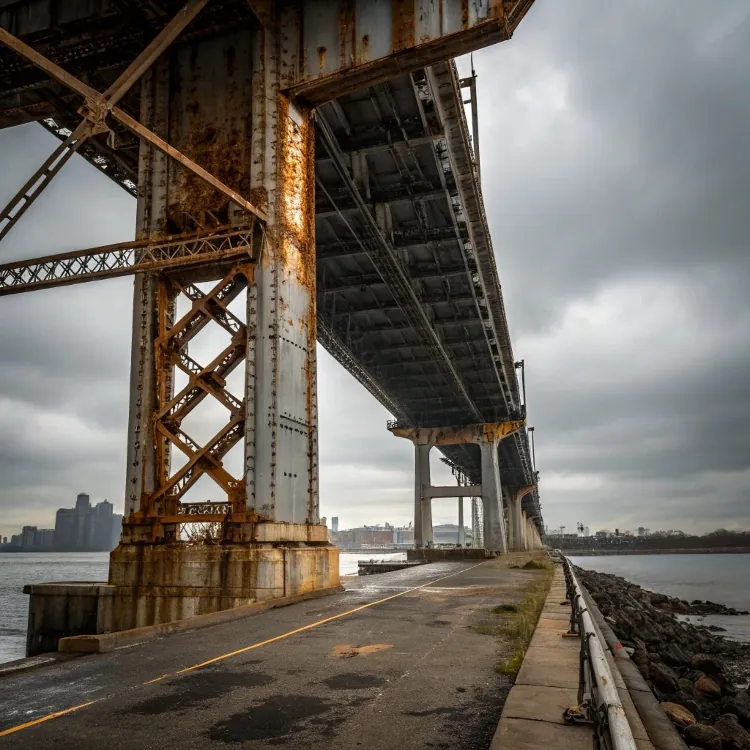
Effects of Corrosion on Aluminum
- Reduced Strength: Material loss due to corrosion2 diminishes load-bearing capacity.
- Surface Pitting: Localized corrosion can create pits that act as stress concentrators, leading to crack initiation.
- Aesthetic Degradation: Corrosion tarnishes the appearance of aluminum surfaces, which is undesirable in architectural applications.
- Increased Maintenance Costs: Corroded components may require frequent inspections, repairs, or replacements.
Corrosion can lead to the formation of pits on aluminum surfaces.True
Pitting corrosion is a localized form of corrosion that creates small holes or pits on the metal surface.
Corrosion has no effect on the mechanical strength of aluminum.False
Corrosion reduces the material's cross-sectional area, compromising its strength and structural integrity.
What methods prevent aluminum corrosion?
Preventing aluminum corrosion involves protective measures that enhance the metal’s natural resistance and shield it from corrosive environments.
Applying protective coatings, selecting appropriate alloys, and controlling environmental exposure are effective strategies to prevent aluminum corrosion.
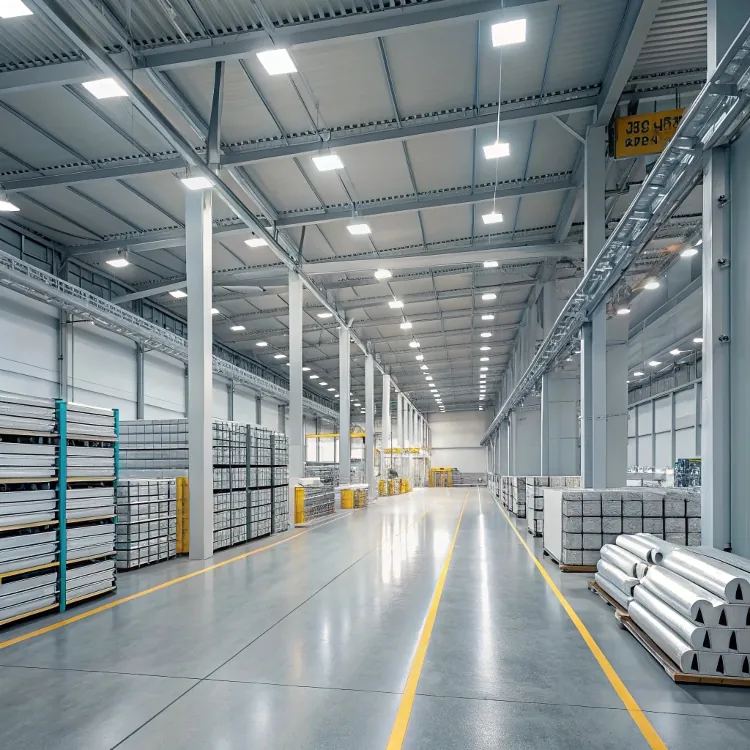
Preventive Measures
- Anodizing3: Electrochemical process that thickens the natural oxide layer, enhancing corrosion resistance and surface hardness.
- Protective Coatings4: Application of paints, powder coatings, or sealants to create a barrier against corrosive elements.
- Cathodic Protection5: Using sacrificial anodes to protect aluminum structures, especially in marine environments.
- Material Selection: Choosing aluminum alloys with higher corrosion resistance for specific applications.
- Environmental Control: Reducing exposure to moisture, salt, and pollutants through design considerations and maintenance.
Anodizing aluminum enhances its corrosion resistance.True
Anodizing thickens the oxide layer, providing better protection against corrosion.
Using sacrificial anodes can protect aluminum from corrosion.True
Sacrificial anodes corrode preferentially, protecting the aluminum structure from corrosion.
Which environments accelerate aluminum corrosion?
Certain environments are more aggressive and can accelerate the corrosion of aluminum, necessitating additional protective measures.
Environments with high humidity, salt content, or extreme pH levels can compromise the protective oxide layer on aluminum, leading to accelerated corrosion.
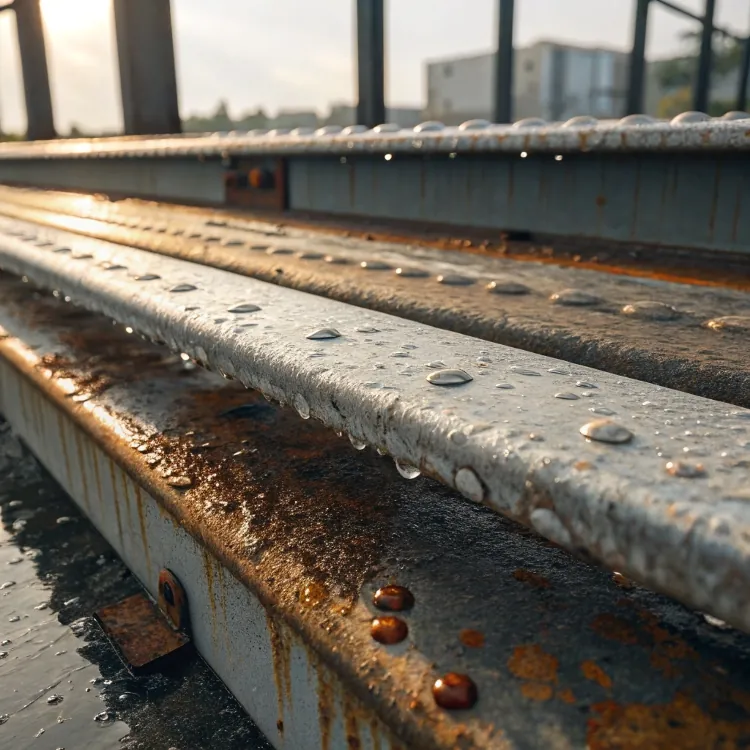
Aggressive Environments
- Marine Environments6: High salt concentration and humidity promote pitting and crevice corrosion.
- Industrial Areas7: Presence of pollutants like sulfur dioxide can lead to acidic conditions that attack the oxide layer.
- Tropical Climates: High temperatures and humidity levels can accelerate corrosion processes.
- Chemical Processing Plants: Exposure to various chemicals can compromise aluminum’s corrosion resistance.
Saltwater environments can accelerate aluminum corrosion.True
Chloride ions in saltwater can penetrate the oxide layer, leading to pitting corrosion.
Dry, indoor environments have no effect on aluminum corrosion.False
While less aggressive, factors like indoor pollutants can still contribute to aluminum corrosion over time.
Conclusion
Aluminum’s natural corrosion resistance makes it a valuable material in various industries. However, understanding the factors that can compromise this resistance and implementing preventive measures are crucial for ensuring the longevity and performance of aluminum components in diverse environments.
-
Exploring pitting corrosion helps in recognizing its impact on aluminum structures and how to prevent it effectively. ↩
-
Understanding corrosion’s impact on aluminum is crucial for maintaining structural integrity and aesthetic quality. Explore this link for detailed insights. ↩ ↩
-
Explore this link to understand how anodizing enhances aluminum’s corrosion resistance and surface durability. ↩
-
Learn about various protective coatings that can effectively shield aluminum from corrosion and extend its lifespan. ↩
-
Discover how cathodic protection can safeguard aluminum in harsh environments, especially in marine applications. ↩
-
Exploring this link will provide insights into the specific challenges aluminum faces in marine settings, aiding in better material selection and protection strategies. ↩
-
This resource will help you understand the impact of industrial pollutants on aluminum, guiding you in choosing appropriate protective measures. ↩