Do liquid cooling plates work with deionized water?

I once watched a technician struggle with scale buildup in a cooling loop. The fix? Switch to ultra-pure fluid. Problem solved.
Yes — liquid cooling plates can work with deionized water, but only if the system is built with materials and components compatible with its ultra-low ion content.
Many people assume using ultra-pure water is a plug-and-play upgrade for cooling systems. The truth is more complicated. Let’s dig deeper into how it works and when it’s the right choice.
What is deionized water cooling?
Water is a great coolant — until minerals start clogging channels and causing corrosion.
Deionized water cooling means using water stripped of nearly all dissolved ions to carry heat through a closed-loop system including cold plates, pumps, tubing, and heat exchangers.
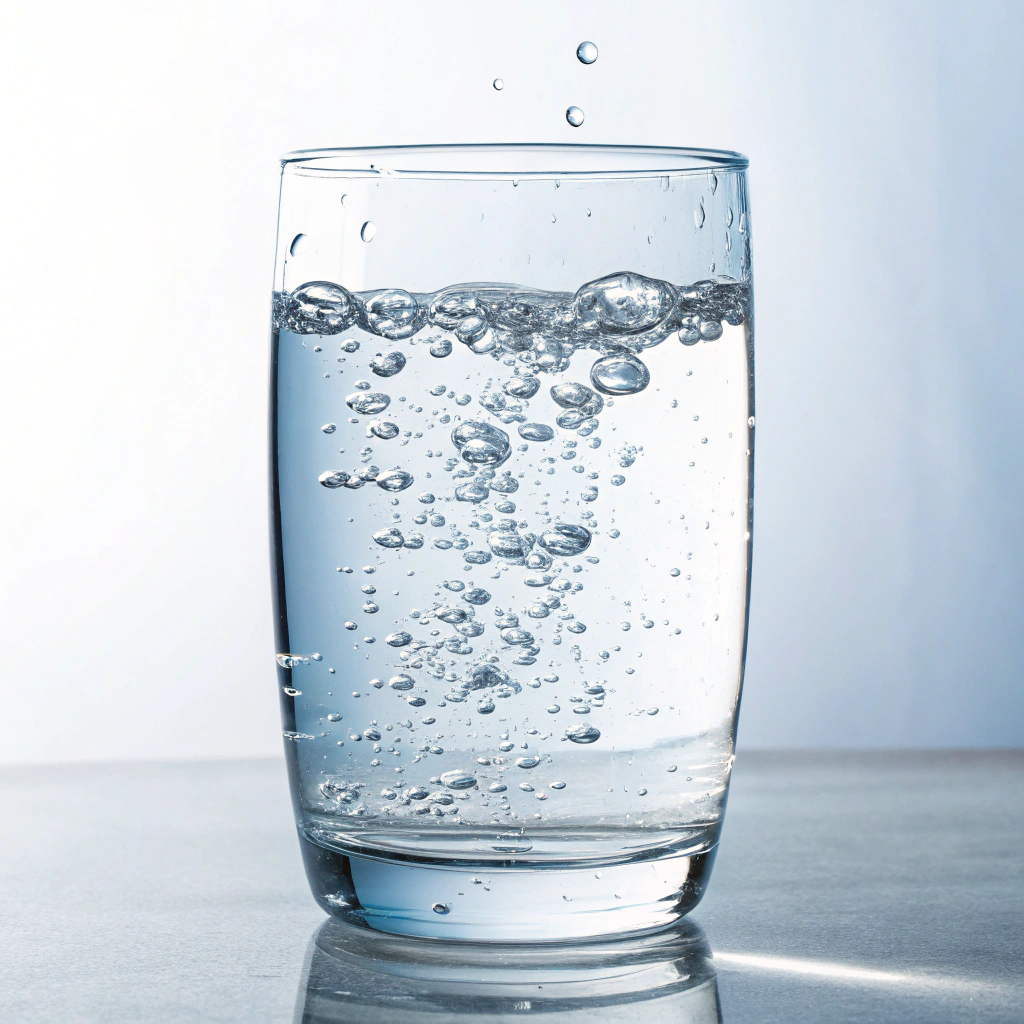
Deionized (DI) water is water that has gone through a purification process to remove dissolved ions like calcium, magnesium, sodium, chloride, and sulfate. These ions are usually removed using ion-exchange resins. The result is water that has very low conductivity and no minerals that can form deposits.
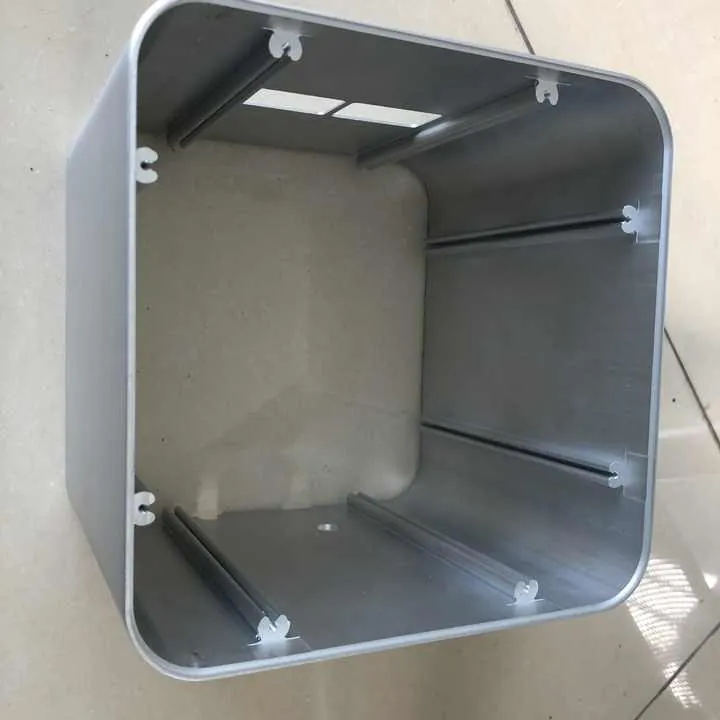
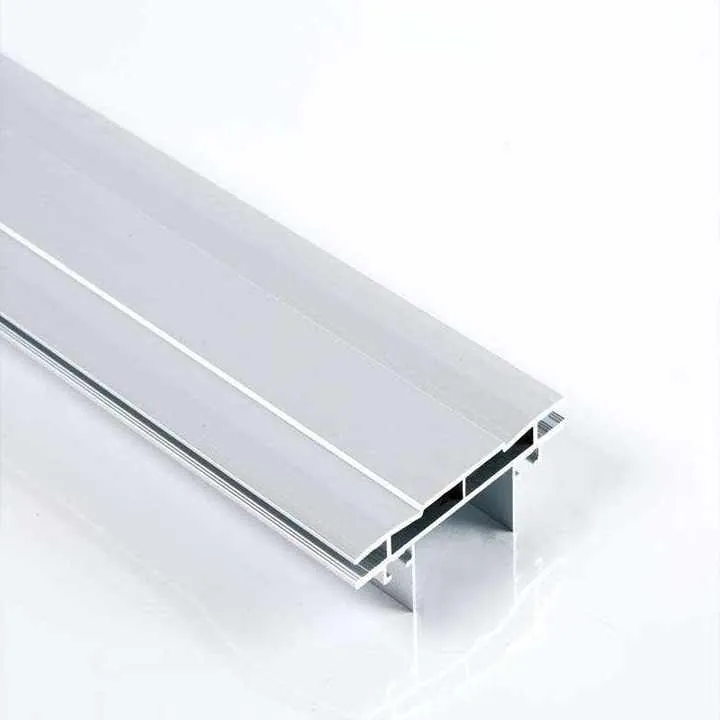
In a cooling system, the DI water is pumped through a cold plate — a flat metal component with internal channels. As heat-generating devices (like power electronics or CPUs) transfer heat to the cold plate, the water carries that heat away to a radiator or heat exchanger, which cools it down before it returns to the system.
The key benefit of DI water is the lack of impurities. With no ions, there are no minerals to precipitate and clog microchannels. There’s also far less risk of electrical conductivity, which is critical in systems where fluid might leak near sensitive electronics.
That said, DI water is not inert. Because it lacks dissolved ions, it’s chemically aggressive. It tries to re-balance itself by leaching metal ions from whatever surfaces it touches. That’s why material selection becomes so important — more on that soon.
Deionized water cooling uses water from which most ions are removed and circulates it through a cooling loop.True
That is the definition of deionized water cooling.
Deionized water cooling has no special material compatibility concerns compared to tap water.False
Actually DI water is more aggressive chemically and will require special compatible materials.
Why is water purity important?
I’ve seen entire systems damaged by something as invisible as tap water minerals.
Water purity matters because impurities lead to corrosion, deposits, and microbial growth — all of which reduce thermal performance and system reliability.

There are four main risks associated with impure water in a liquid cooling loop:
1. Corrosion
Tap water contains salts, chlorine, and other ions. These can accelerate corrosion when flowing through metal parts like cold plates, radiators, and pumps. The more flow and turbulence, the worse it gets. Even treated water can leave behind residues over time. These ions disrupt protective oxide layers on metals, making them prone to pitting and general wear.
2. Scale and deposit buildup
Minerals in regular water can precipitate out, especially under heat, forming scale — solid deposits — on internal surfaces. This blocks narrow channels, reduces flow rate, and cuts down heat transfer surface area. Eventually, it leads to thermal bottlenecks and overheated components.
3. Conductivity and safety
Pure water doesn’t conduct electricity well, but as soon as it picks up ions, its conductivity rises. That means in case of a leak, the coolant could short out nearby electronics. DI water minimizes this risk — at least while it remains pure. That’s why monitoring water quality over time is essential.
4. Biological contamination
Impure water often carries nutrients that support microbial growth — algae, bacteria, fungi. These organisms can grow in stagnant or slow-moving coolant loops, clogging filters and fouling internal surfaces. Once contamination starts, it’s difficult to remove without flushing the whole system.
Here’s a quick summary:
| Risk Type | Caused By | Resulting Problem |
|---|---|---|
| Corrosion | Ions, chlorine, acidic pH | Material breakdown, leaks |
| Scale formation | Calcium, magnesium | Blocked flow, reduced efficiency |
| Conductivity | Dissolved salts | Electrical shorts near electronics |
| Bio-growth | Organic matter, nutrients | Clogging, contamination, system damage |
DI water reduces all of these — but only as long as it stays pure. Once it absorbs ions from metals or dust, you’re back to square one.
Mineral impurities in water can cause scale build up inside cooling channels.True
Minerals precipitate and form deposits, reducing flow and heat transfer.
Using deionized water guarantees zero corrosion problems in a liquid cooling loop.False
DI water can be aggressive and may leach metals unless materials are chosen correctly.
How to design systems for deionized coolant?
I treat DI water systems like lab experiments: exact materials, careful monitoring, no shortcuts.
To safely use deionized water, you must select compatible materials, control flow rate and temperature, monitor conductivity, and possibly add corrosion inhibitors and biocides.

Here’s how I approach DI-water-based system design:
Materials matter
DI water is aggressive. It pulls ions from metals to restore chemical balance. That means you can’t use just any tubing or fittings. You need:
- Stainless steel (304 or 316)
- Nickel-plated copper
- Certain grades of plastic (like PTFE or PFA)
Avoid plain copper, aluminum, and brass unless coated or rated for DI water.
Flow and pressure
High-velocity flow can strip protective layers off metals. Keep flow steady, with minimal turbulence. Use smooth bends instead of sharp angles. Maintain velocity below 2 meters per second inside cold plate channels.
Monitoring
DI water gets “dirty” over time. Install conductivity sensors or periodically test fluid samples. Resistivity below 1 MΩ·cm means the fluid has picked up ions and needs to be replaced or polished. Closed-loop systems with filters help.
Additives
You might still need a minimal dose of corrosion inhibitor or biocide — but make sure it’s compatible with DI water. Don’t add tap water to top off the loop — always use fresh DI water from a trusted source.
Maintenance schedule
| Task | Frequency |
|---|---|
| Check conductivity | Every 1–3 months |
| Inspect for corrosion | Every 6 months |
| Replace fluid | Every 12–18 months |
| Clean cold plate channels | Every 24 months (if needed) |
Design checklist
| Design Aspect | Recommended Specification |
|---|---|
| Wetted surfaces | Stainless steel, nickel-plated copper |
| Flow velocity | < 2 m/s |
| Additives | Corrosion inhibitor + biocide |
| Tubing | PTFE, PFA, or DI-safe elastomers |
| Monitoring | Resistivity meter or test strips |
With the right design, DI water systems can run clean, quiet, and efficient for years. But it’s not a “set and forget” solution. You must stay involved.
All metal materials exposed to DI water must be selected for compatibility, such as stainless steel or nickel‑plated copper.True
Because DI water can leach metal ions, material compatibility is essential.
Once you fill a loop with DI water, you don’t need to monitor its purity over time.False
Over time DI water picks up ions/contaminants so monitoring and maintenance are required.
What alternatives outperform DI water?
Pure water sounds ideal — but what if there’s a better option for your system?
Yes — in many practical systems, alternatives like water/glycol mixtures or engineered coolants offer similar thermal performance with lower maintenance and better corrosion protection.
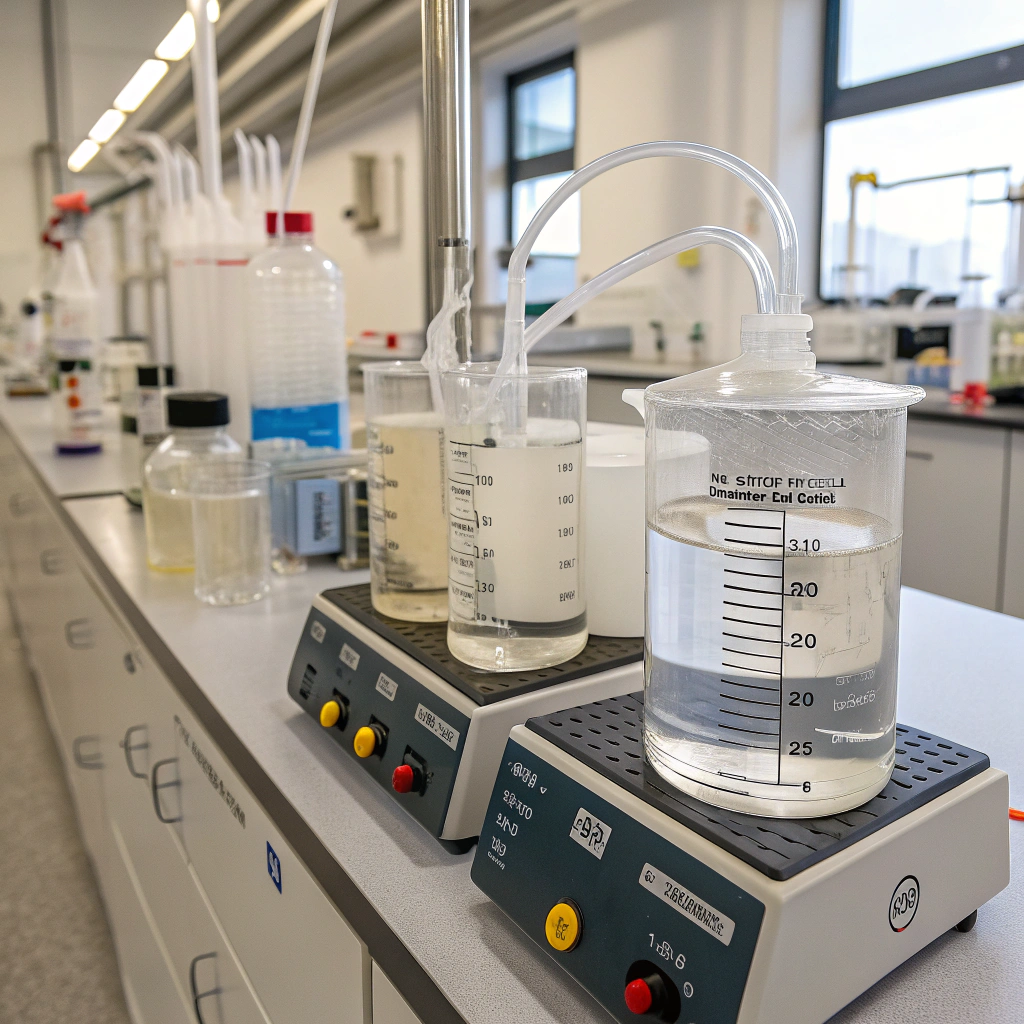
Let’s compare a few common alternatives to DI water:
Water + glycol mix
Often used in HVAC and industrial systems, this is a mix of water with ethylene glycol or propylene glycol.
Pros:
- Freeze protection
- Built-in corrosion inhibitors
- Longer fluid life
Cons:
- Slightly reduced thermal conductivity vs pure water
- Toxicity concerns (with ethylene glycol)
- May require precise mixing ratios
Premixed engineered fluids
These are specialty fluids designed for cooling systems. They include corrosion inhibitors, biocides, and stabilizers in optimal ratios.
Pros:
- Ready to use
- Excellent material compatibility
- Stable over long periods
Cons:
- Higher initial cost
- Slightly less heat capacity than pure water
Dielectric fluids
Used when absolute electrical insulation is required. These are often synthetic oils or fluorinated compounds.
Pros:
- Non-conductive even if contaminated
- Safe around electronics
Cons:
- Much lower thermal performance than water
- Very expensive
- Often requires specialized pumps and seals
Here’s a summary:
| Fluid Type | Pros | Cons |
|---|---|---|
| Deionized Water | Best heat transfer, low conductivity | Aggressive, needs strict control |
| Water + Glycol | Corrosion protected, antifreeze | Lower conductivity, not as pure |
| Premixed Coolant | Easy to use, stable | More expensive, not ultra-pure |
| Dielectric Fluids | Non-conductive, safe for leaks | Lower performance, very high cost |
In my own projects, I weigh the benefits of DI water against the costs of extra design complexity. When ultimate thermal efficiency is critical — like in semiconductor fabs or laser systems — DI water wins. But for standard industrial cooling? I often choose a glycol blend or premixed fluid. It’s easier, safer, and gets the job done.
Water plus glycol mixture is often chosen over DI water because it offers better freeze protection and lower maintenance.True
Water/glycol mixes provide freeze/boil protection and typically include corrosion inhibitors, thus reducing maintenance.
Dielectric fluids have better thermal transfer than DI water.False
Dielectric fluids generally have lower heat capacity/thermal conductivity than water, so thermal transfer is typically less good than DI water.
Conclusion
Deionized water can be an excellent coolant — if your system is built for it. That means compatible materials, active monitoring, and sometimes, the use of additives. But in many cases, alternatives like glycol mixes or premixed coolants offer better long-term reliability with only a small sacrifice in performance. The best choice depends on your system’s priorities.