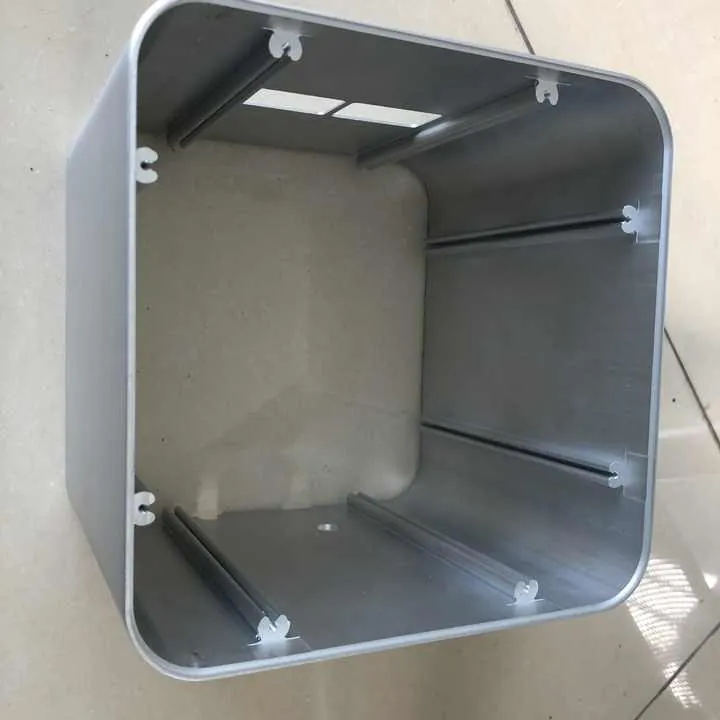
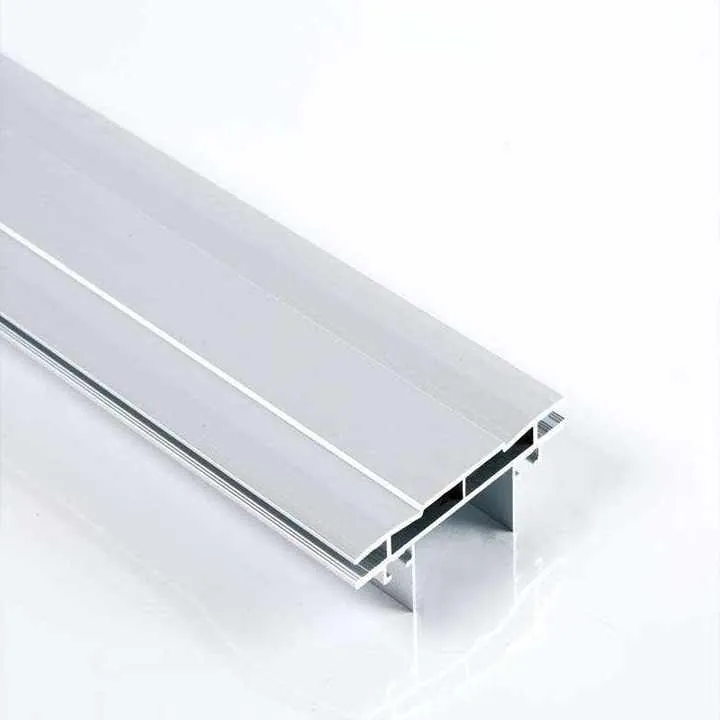
The Decorative Role of Aluminum Profiles in Parks and Landscape Projects
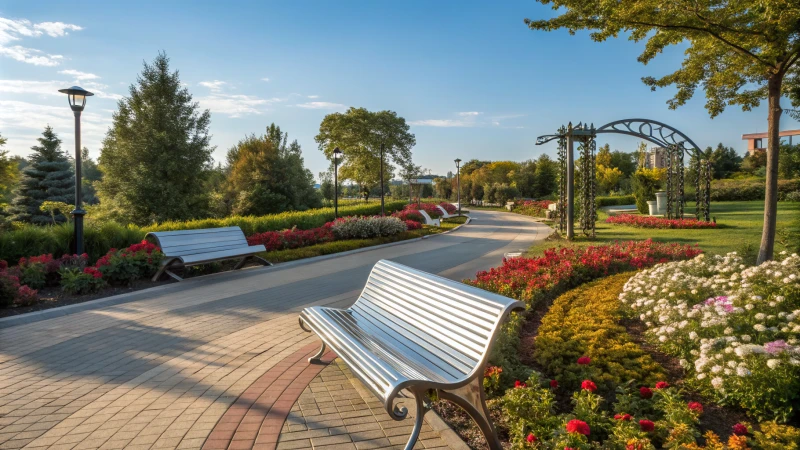
Are you looking to enhance the beauty and functionality of your outdoor spaces?
Aluminum profiles serve a decorative role in parks and landscape projects by providing aesthetic appeal, corrosion resistance, and low maintenance. Their versatility allows for customized designs that meet diverse needs while ensuring long-term value in landscape construction.
In this blog, we will delve into the numerous benefits of aluminum profiles, examining their various applications in landscape design and how they can transform public spaces.
Aluminum profiles enhance aesthetic appeal in landscapes.True
Aluminum profiles are used for their decorative qualities, improving the visual aspects of parks and outdoor spaces.
Aluminum profiles require extensive maintenance in parks.False
Contrary to this claim, aluminum profiles are known for their low maintenance requirements, making them ideal for outdoor use.
What are the key benefits of using aluminum profiles in landscape design?
Discover how aluminum profiles can transform landscape design by enhancing aesthetics, durability, and functionality. Explore the key benefits that make them a preferred choice for outdoor projects.
Aluminum profiles offer numerous benefits in landscape design, including aesthetic appeal, corrosion resistance, customization options, and low maintenance requirements, making them an ideal material for outdoor applications.
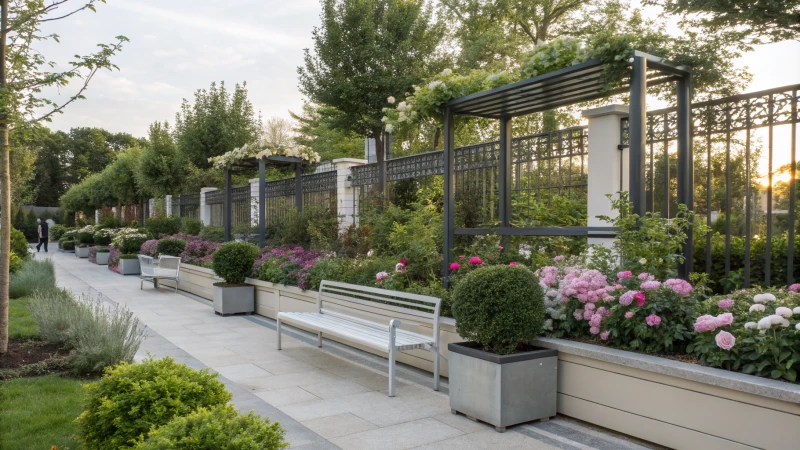
Aesthetic Appeal of Aluminum Profiles
Aluminum profiles bring a modern aesthetic to landscape design. Their ability to be customized through various surface treatments, such as powder coating, allows for an array of colors and textures. This versatility enables designers to create striking features that blend seamlessly with the environment.
For instance, aluminum railings and pavilions can be designed to reflect specific architectural styles, adding character to parks and public spaces. The choice of finishes can help in achieving a cohesive look across different elements of a landscape project.
Corrosion Resistance and Durability
One of the standout benefits of aluminum profiles is their inherent corrosion resistance. This makes them particularly suitable for outdoor applications where exposure to the elements is a concern. Techniques like electrophoretic coating ensure that the material remains protected against harsh weather conditions.
| Property | Aluminum Profiles | Other Materials |
|---|---|---|
| Corrosion Resistance | Excellent | Varies (often poor) |
| Maintenance Requirements | Low | High |
| Lifespan | Long-lasting | Shorter (rust-prone) |
By investing in aluminum profiles, landscape designers can reduce maintenance costs while ensuring longevity in their projects.
Customization for Diverse Needs
The flexibility of aluminum profiles allows for custom designs tailored to specific landscape projects. Whether it’s creating unique park benches, decorative fences, or functional structures, aluminum can adapt to meet various design requirements. This capability not only enhances aesthetic diversity but also ensures that functional needs are met.
Designers can experiment with shapes and sizes, resulting in innovative solutions that stand out. For example, custom aluminum planters can be made to fit any design theme, whether contemporary or traditional.
Low Maintenance and Economic Value
Aluminum profiles are celebrated for their low maintenance needs. Unlike wood or steel, they do not rust or corrode easily, which means that landscape features made from aluminum remain visually appealing without extensive upkeep.
This characteristic translates into significant cost savings over time, especially in large-scale landscape projects where maintenance can become burdensome. Projects incorporating aluminum profiles often see reduced labor inputs and lower overall maintenance expenses.
In summary, utilizing aluminum profiles in landscape design offers numerous benefits ranging from aesthetic enhancements to durability and low maintenance needs. These advantages make them a practical choice for both designers and clients aiming for sustainability and long-lasting results.
Explore More About Aluminum Benefits
To gain a deeper understanding of how aluminum profiles can enhance landscape design, consider researching topics related to corrosion-resistant materials1, custom design techniques2, and low maintenance landscaping3. Each of these areas can provide further insights into the practical applications of aluminum in outdoor settings.
Aluminum profiles enhance landscape aesthetics significantly.True
The customizable surface treatments of aluminum profiles allow for various colors and textures, enhancing the visual appeal of landscape designs.
Aluminum requires more maintenance than wood in landscapes.False
Contrary to this claim, aluminum profiles are low maintenance and do not rust or corrode easily, unlike wood which requires frequent upkeep.
How do aluminum railings enhance safety while adding aesthetic value?
Aluminum railings offer a perfect blend of safety and aesthetic enhancement for your home. Discover how these versatile structures can transform your space while ensuring security.
Aluminum railings enhance safety through their strength and durability while adding aesthetic value with customizable designs and finishes, making them ideal for homes and outdoor spaces.
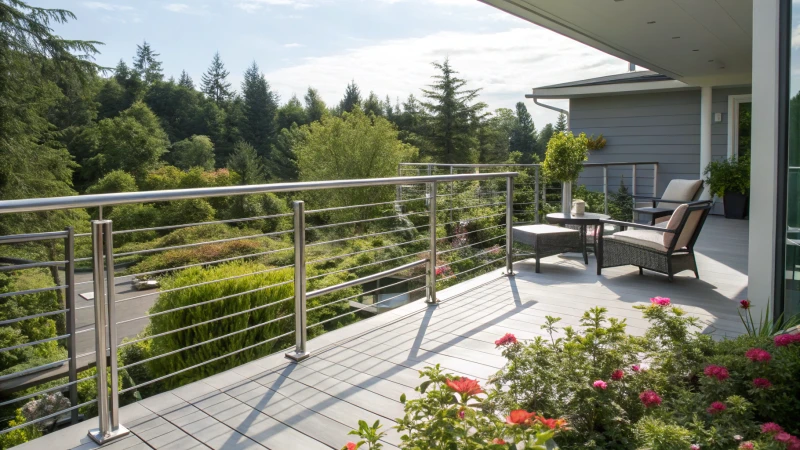
Aesthetic Appeal of Aluminum Railings
Aluminum railings are renowned for their ability to blend seamlessly into various design schemes. They can be customized in countless colors and finishes, thanks to advanced surface treatments like powder coating and anodizing. This versatility allows homeowners to select options that complement their existing landscape or architectural style. For instance, a sleek black aluminum railing can provide a modern touch, while a rustic finish might enhance a traditional home.
Furthermore, the lightweight nature of aluminum allows for elegant designs that do not compromise structural integrity. When installed around decks or balconies, these railings not only secure the area but also serve as a stylish perimeter, contributing to the overall visual appeal.
- Customization: Choose colors and styles that match your home.
- Lightweight yet Durable: Provides safety without heavy bulk.
To explore more options on customized aluminum railings4, consider visiting local suppliers or online retailers.
Safety Features of Aluminum Railings
Safety is paramount in any construction project, and aluminum railings excel in this area. Their inherent strength and stability make them an excellent choice for high-traffic areas, ensuring that they can withstand significant weight and pressure. Additionally, the non-corrosive properties of aluminum mean that these railings maintain their structural integrity over time, even in harsh weather conditions.
Key Safety Benefits:
| Feature | Benefit |
|---|---|
| Durability | Resists rust and corrosion |
| Strength | Withstands impacts and weight |
| Height Options | Customizable heights for specific needs |
| Smooth Finish | Reduces risk of cuts or injuries |
By opting for aluminum railings, homeowners can rest assured that their outdoor spaces are not only beautiful but also secure. To learn more about the safety advantages of aluminum railings5, check relevant safety standards.
Low Maintenance for Long-Term Value
Another advantage of aluminum railings is their low maintenance requirement. Unlike wood or wrought iron, which may need regular painting, staining, or treatment against rust, aluminum requires minimal upkeep. A simple wash with soap and water is often all that’s necessary to keep them looking new.
Maintenance Comparison:
| Material | Maintenance Frequency | Common Issues |
|---|---|---|
| Aluminum | Annually | None |
| Wood | Every 6 months | Rot, Splinters |
| Wrought Iron | Every 2 years | Rust, Paint Peeling |
This ease of maintenance not only saves time but also reduces costs associated with repairs and replacements over the years. For more details on how low maintenance can save you money6, consider exploring industry insights.
Aluminum railings are customizable in various colors and finishes.True
Aluminum railings can be tailored to match any home design, enhancing aesthetic appeal.
Aluminum railings require frequent maintenance like wood.False
Unlike wood, aluminum railings need minimal upkeep, saving time and costs.
What innovative design options exist for incorporating aluminum in public spaces?
Discover how aluminum’s versatility is transforming public spaces through innovative designs that prioritize both aesthetics and functionality.
Innovative design options for incorporating aluminum in public spaces include decorative railings, flexible seating arrangements, and sustainable installations that enhance aesthetics while ensuring durability.
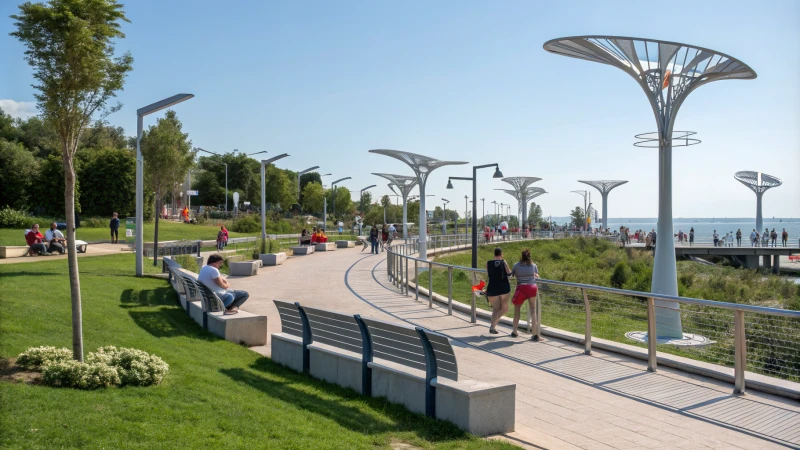
Aesthetic Integration of Aluminum in Urban Landscapes
Aluminum can be used to create stunning visual elements in public spaces. From stylish railings to decorative pavilions, aluminum provides versatility in design that can complement any environment.
Consider the use of aluminum canopies in parks, which not only offer shelter but also enhance the overall look of the area. These structures can be customized with various shapes and finishes, providing both functional shade and aesthetic appeal.
Moreover, the ability to finish aluminum through methods like anodizing7 allows for a wide range of colors and textures. This means designers can create unique installations that resonate with the surrounding landscape.
Functional Benefits of Aluminum Features
Incorporating aluminum into public spaces is not just about aesthetics; it’s also about function. The lightweight nature of aluminum makes it easier to construct large structures, such as outdoor seating areas and art installations.
For example, a flexible outdoor seating arrangement made from aluminum can be easily moved and reconfigured based on seasonal events or crowd sizes. Such features not only enhance usability but also allow for dynamic changes in public spaces, making them more engaging.
Sustainability and Durability of Aluminum Materials
Aluminum is an excellent choice for sustainable design. Its corrosion resistance makes it ideal for outdoor environments where traditional materials might fail quickly due to weathering.
By utilizing recycled aluminum8, cities can reduce their carbon footprint while also ensuring that structures remain functional for years. With low maintenance needs, aluminum installations require less frequent repairs, contributing to long-term sustainability.
| Feature | Aluminum | Traditional Materials |
|---|---|---|
| Corrosion Resistance | Excellent | Poor |
| Weight | Lightweight | Heavy |
| Maintenance | Low | High |
| Sustainability | Recyclable | Limited |
Innovative Applications in Urban Design
Architects are finding innovative ways to utilize aluminum in urban design. For instance, perforated aluminum panels can be used in building facades to create dynamic light patterns while maintaining privacy. This not only enhances the building’s aesthetic but also contributes to energy efficiency by controlling heat and light entry.
Additionally, aluminum sculptures or installations can serve as focal points in parks, attracting visitors while showcasing local art. These elements create engagement and enhance the cultural value of public spaces, fostering community interaction and pride.
Explore more about how innovative designs in aluminum can reshape our public environments by checking this design case study9.
Aluminum canopies enhance both aesthetics and functionality in parks.True
Aluminum canopies provide shelter while improving visual appeal, making them a valuable addition to public spaces.
Recycled aluminum contributes to reducing urban carbon footprints.True
Using recycled aluminum in public installations helps cities lower their environmental impact and promotes sustainability.
Why is sustainability an important factor when choosing materials for landscape projects?
Sustainability is a critical consideration in selecting materials for landscape projects due to its profound implications on environmental health and resource conservation.
Choosing sustainable materials for landscape projects minimizes ecological impact, conserves resources, and promotes biodiversity. It supports healthier ecosystems and offers long-term economic benefits through reduced maintenance costs.
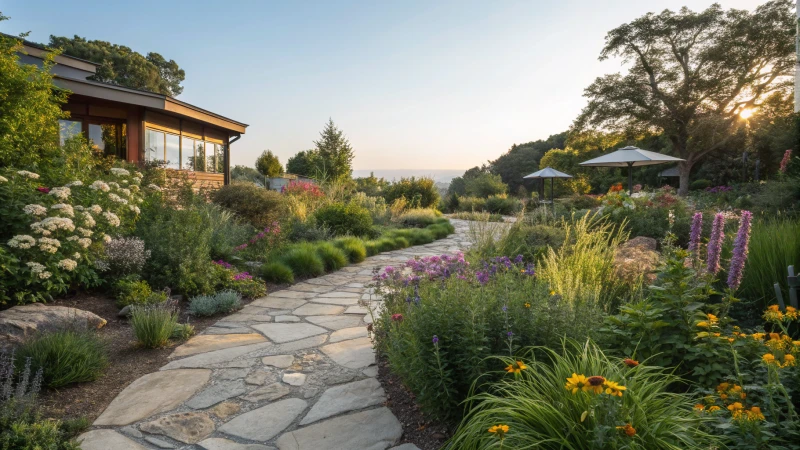
Understanding Sustainability in Landscape Materials
Sustainability is increasingly recognized as a pivotal factor in the selection of materials for landscape projects. The shift towards eco-friendly practices is driven by a growing awareness of the environmental impacts of traditional landscaping materials, which can contribute to pollution, resource depletion, and habitat destruction.
By choosing sustainable materials, landscapers and homeowners can significantly reduce their ecological footprint. This not only aids in conserving natural resources but also helps in promoting biodiversity and protecting ecosystems.
Environmental Impact of Material Choices
The choice of materials can affect the environment in various ways. For example, traditional materials may require high energy inputs for production and transportation, resulting in increased greenhouse gas emissions. In contrast, sustainable options like recycled aluminum profiles or locally sourced stone require less energy and contribute to lower carbon emissions.
| Material Type | Environmental Impact | Sustainability Rating |
|---|---|---|
| Traditional Concrete | High carbon emissions | Low |
| Recycled Aluminum | Low energy use, recyclable | High |
| Local Stone | Minimal transportation emissions | Medium |
Benefits of Using Sustainable Materials
- Resource Conservation: Sustainable materials are often made from recycled or renewable resources, helping to conserve natural resources for future generations.
- Waste Reduction: By utilizing materials that are recyclable or biodegradable, landscaping projects can significantly minimize waste sent to landfills.
- Climate Change Mitigation: Choosing sustainable materials can help reduce greenhouse gas emissions, contributing to global efforts to combat climate change.
- Healthier Ecosystems: Sustainable landscaping practices promote healthier ecosystems by minimizing chemical runoff and encouraging biodiversity.
Long-Term Economic Value
Investing in sustainable materials may have higher upfront costs, but they often result in significant savings over time. For instance, aluminum profiles are not only aesthetically pleasing but also durable and low maintenance. This reduces long-term maintenance costs, making them a smart economic choice for landscape projects.
Supporting Local Economies
By opting for sustainable materials sourced from local suppliers, landscape professionals can support local economies while also reducing transportation emissions. This practice aligns with the values of many consumers who prefer to engage with environmentally conscious businesses.
In summary, sustainability is crucial when choosing materials for landscape projects as it addresses environmental health, promotes resource conservation, and supports local economies while providing long-term economic benefits. For more information on sustainable practices in landscaping, consider exploring eco-friendly materials10 or local sourcing benefits11.
Sustainable materials reduce ecological impact in landscaping.True
Using sustainable materials minimizes pollution and conserves resources, leading to a lower ecological footprint in landscape projects.
Traditional landscaping materials are always eco-friendly.False
This claim is false; traditional materials often contribute to pollution and habitat destruction, unlike sustainable alternatives.
Conclusion
Aluminum profiles provide aesthetic appeal, durability, and low maintenance in landscape design, making them ideal for enhancing public spaces with customized features.
-
Explore this link to understand the advantages of aluminum materials in landscaping and how they contribute to design innovation. ↩
-
This resource provides insights into custom design techniques using aluminum profiles, enhancing your landscaping projects significantly. ↩
-
Learn about low maintenance landscaping strategies that incorporate aluminum, which can save time and costs over time. ↩
-
Discover how aluminum railings can improve both safety and style in your home renovation projects. ↩
-
Learn about the long-term value of low maintenance aluminum railings compared to other materials. ↩
-
Explore industry insights on cost savings through durable aluminum railing options. ↩
-
Explore this link for detailed insights on cutting-edge aluminum designs that can enhance your urban projects. ↩
-
This resource offers practical examples of sustainable aluminum applications in public areas. ↩
-
Discover how aluminum can be creatively used in public art and installations to beautify urban areas. ↩
-
Explore how sustainable material choices can enhance your landscaping projects while benefiting the environment. ↩
-
Learn about the advantages of supporting local suppliers in your landscaping projects. ↩