


Vil en køleplade af kobber fungere bedre end en af aluminium?
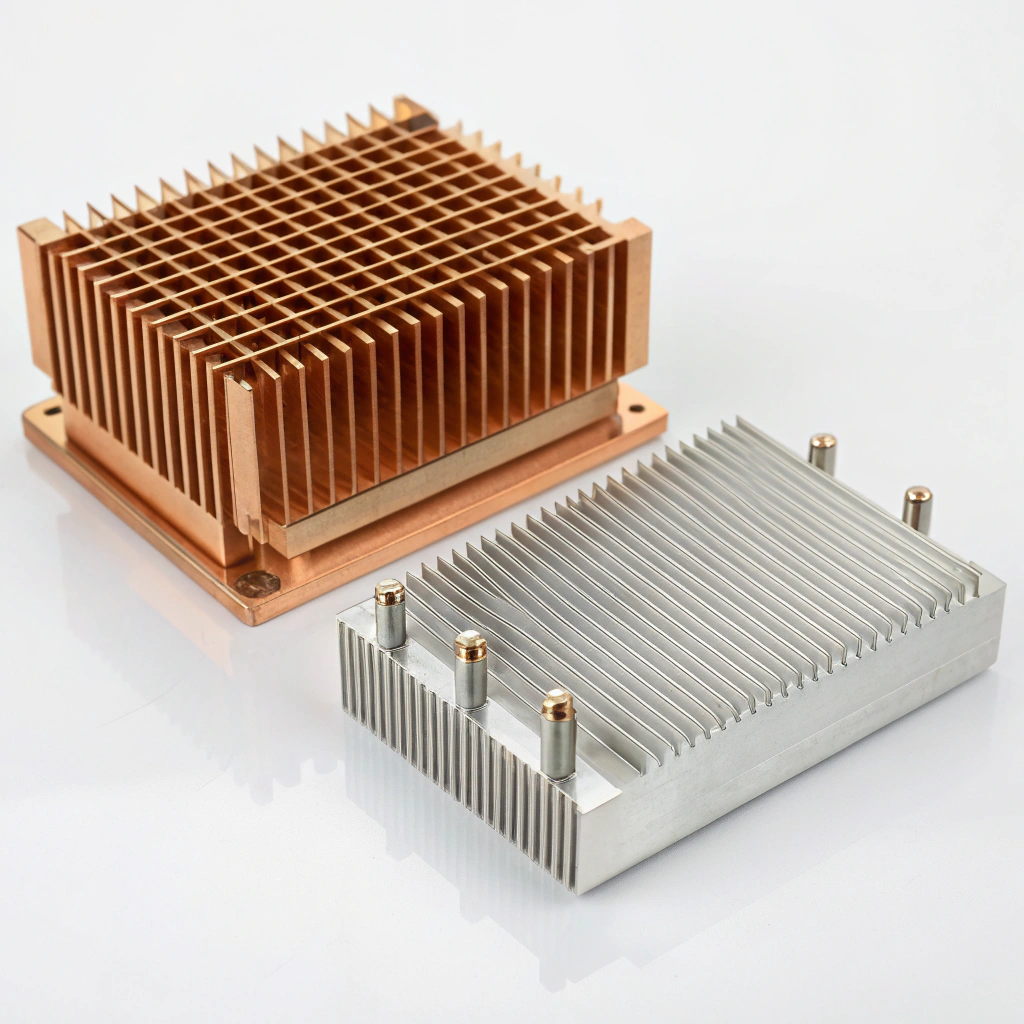
Many power systems break down because of poor cooling choices—I’ve seen a good design go bad just because the aluminum heat sink wasn’t enough.
Yes—but only in some cases. Copper heat sinks can outperform aluminum due to higher thermal conductivity, but they’re heavier and more expensive, so it depends on your system.
If you’re not sure which to choose, I’ll walk you through the differences, trade-offs, and new trends in heat sink materials—so you can make the right call for your design.
What are copper and aluminum heat sinks?
Copper moves heat faster, but aluminum is lighter and cheaper. That’s the basic trade-off I always consider.
Copper and aluminum heat sinks are metal blocks designed to pull heat away from electronics. Copper is more conductive; aluminum is easier to work with and costs less.
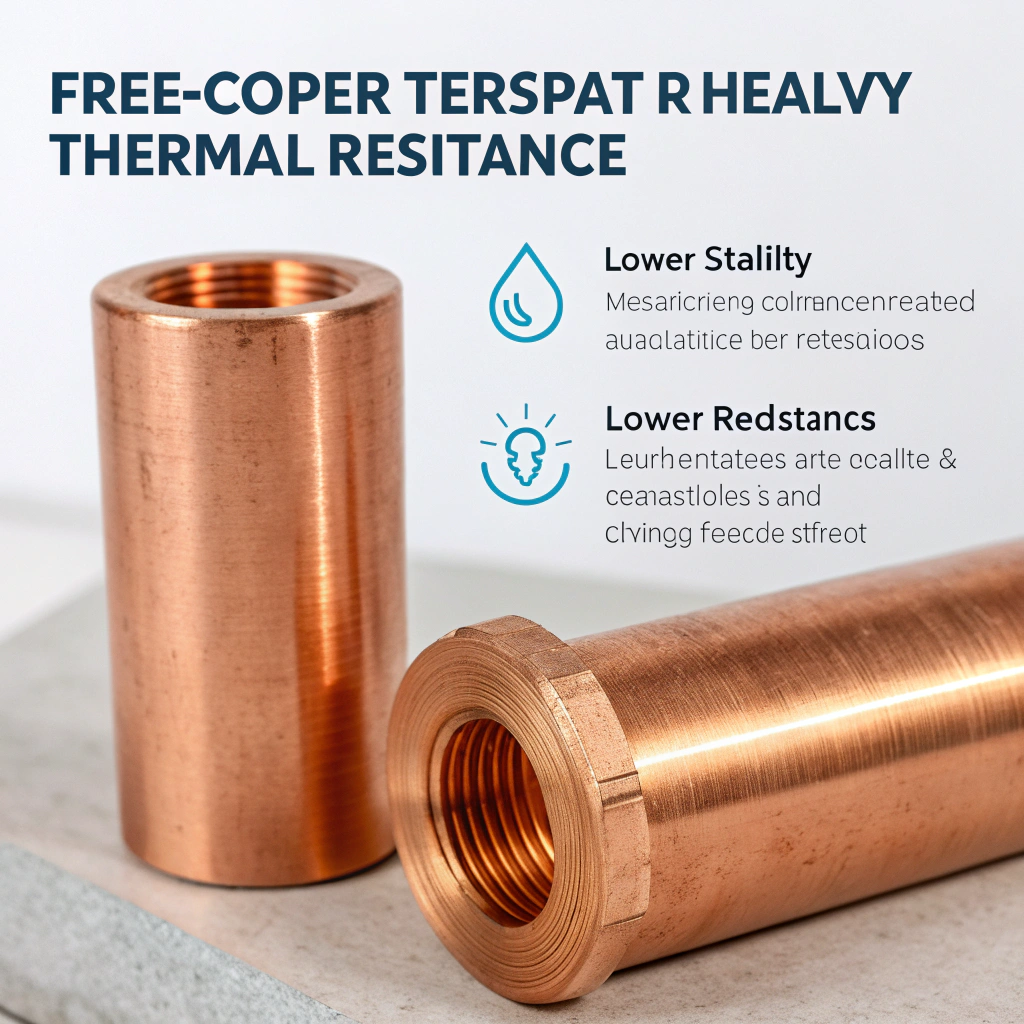
Both types of heat sinks do the same job: they take heat from a device and move it into the surrounding air. The faster and more evenly they do that, the better your electronics perform.
Here’s how they compare:
| Ejendom | Kobber | Aluminium |
|---|---|---|
| Termisk ledningsevne | ~400 W/m-K | ~150–250 W/m·K |
| Tæthed | ~8.96 g/cm³ | ~2.70 g/cm³ |
| Omkostninger | Høj | Lav |
| Bearbejdelighed | Hårdere | Easier |
| Common Processes | Skiving, bonding | Extrusion, CNC |
Copper is often used when thermal performance is critical, especially in small or high-power applications. Aluminum is the go-to for general use, especially when weight and budget are concerns.
Copper heat sinks always perform better than aluminum heat sinks.Falsk
Copper conducts heat better, but aluminum is lighter and more cost-effective. In many systems, aluminum performs just as well due to design factors.
Copper has higher thermal conductivity than aluminum, making it useful for compact or high-power heat sinks.Sandt
Copper spreads heat more efficiently, especially in small or dense thermal areas.
What advantages does copper have over aluminum?
I’ve seen copper heat sinks lower device temperatures by several degrees compared to aluminum ones—in tight, high-power setups, that makes a big difference.
Copper offers better heat spreading, lower thermal resistance, and more stable performance in compact or high-load systems.
When cooling space is limited or the power density is high, copper’s high conductivity lets it spread heat more evenly across the sink base. That reduces hot spots and improves efficiency.
Here are the core benefits:
Copper’s Key Strengths
- Superior conductivity: Moves heat almost twice as fast as aluminum.
- Compact design: Better performance in smaller sinks.
- More stable temperatures: Reduces thermal spikes during fast load changes.
- Forbedret pålidelighed: Maintains device health in harsh conditions.
But there are downsides:
- Tungt: Three times denser than aluminum.
- Dyrt: Material and processing cost more.
- Harder to shape: Can’t extrude complex fin profiles like aluminum.
That’s why copper is often used only for the base, with aluminum fins added for airflow. It gives the performance of copper without all the weight and cost.
Copper offers more stable temperatures and lower thermal resistance in small spaces.Sandt
Its high conductivity helps quickly spread heat and prevent local hot spots.
Copper is always the best choice for all heat sink designs.Falsk
Copper is heavier and more expensive. Many designs use aluminum effectively when space and airflow allow.
How do I choose between copper and aluminum materials?
Choosing the right heat sink material isn’t just about numbers—I always look at the full picture: power, airflow, space, budget, and assembly.
Choose copper when you need maximum thermal performance in a compact footprint. Choose aluminum when you need low weight, good enough performance, and lower cost.
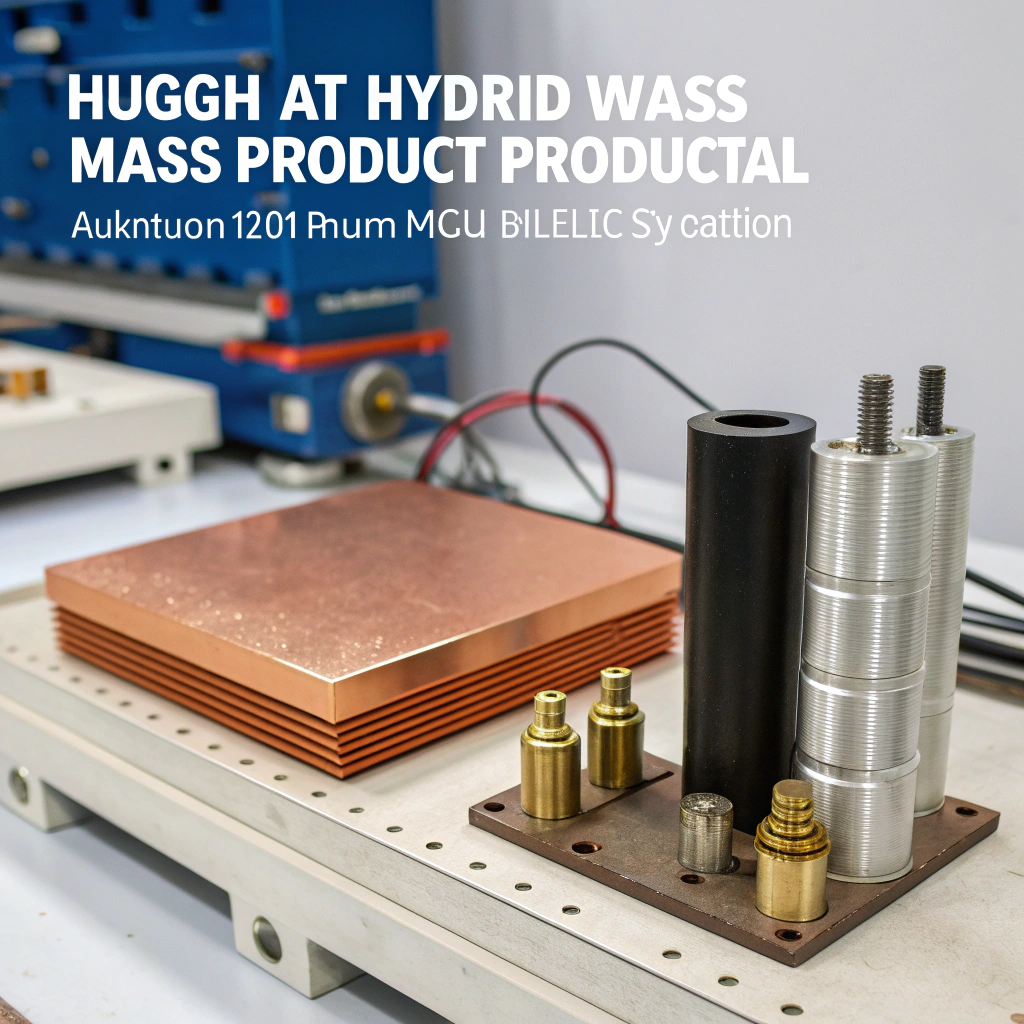
Here’s the decision process I use:
Step-by-step Heat Sink Material Guide
-
Check thermal demand
- What’s the max heat load (in watts)?
- What’s the allowed temperature rise?
- How much airflow is available?
-
Define design limits
- Can it be big and bulky, or must it be compact?
- Is there room for forced airflow (fans)?
- What’s the system weight limit?
-
Evaluate cost sensitivity
- High volume or low volume production?
- Can the project afford copper?
- Would hybrid construction be acceptable?
-
Review manufacturing needs
- For extruded profiles → aluminum wins.
- For skived or bonded-fin → both copper and aluminum can work.
- For CNC or small batch → either can be machined to spec.
When to Use Each Material
| Brugssag | Best Material |
|---|---|
| High heat in small area | Copper or hybrid |
| Budget-focused mass production | Aluminium |
| Weight-sensitive application | Aluminium |
| Harsh or industrial environments | Copper (if cost allows) |
Sometimes, mixing both is the best path—copper base with aluminum fins. That’s how I help clients meet thermal targets without breaking budgets.
Aluminum is preferred in lightweight or low-cost heat sink designs with good airflow.Sandt
Aluminum is cheaper and lighter, and in many cases, performs well enough with proper design.
Only copper can be used in custom extruded heat sink profiles.Falsk
Aluminum is much easier and more common for custom extrusion profiles due to cost and material properties.
What are the trends in heat sink material technology?
Thermal management is evolving fast—and I’ve seen a big shift in what materials engineers ask for, especially in high-power and compact systems.
The biggest trend is combining materials: copper bases, aluminum fins, heat pipes and vapor chambers to get top performance without high costs or weight.
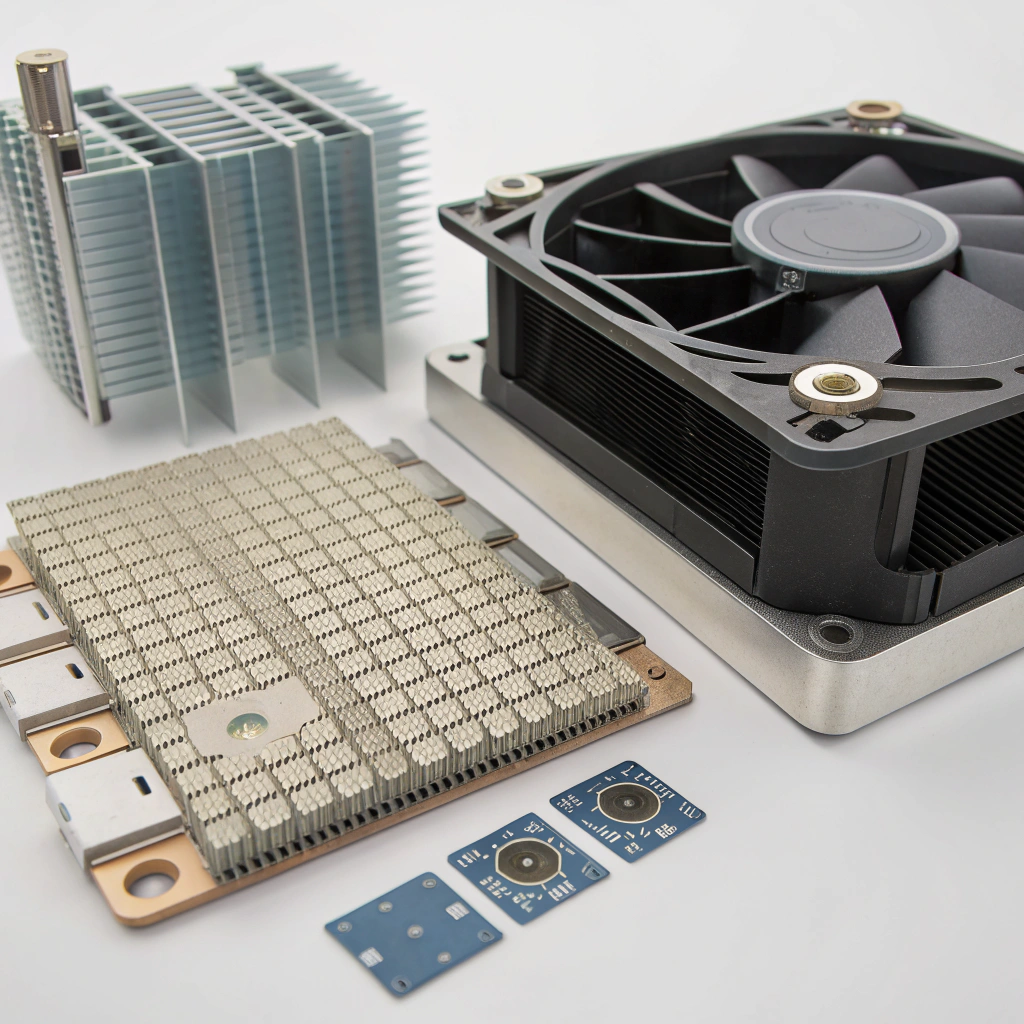
Here are five key shifts I see in the field:
1. Hybrid Designs
Copper bases with aluminum fins are now common. These provide copper’s heat spreading and aluminum’s light weight and affordability.
2. Embedded Cooling
Aluminum heat sinks with built-in heat pipes or vapor chambers can match or beat copper performance in many cases, especially for flat, high-watt modules.
3. Liquid and Phase-Change Systems
For very high-power systems, metal blocks are being replaced or combined with liquid cold plates and micro-channel vapor chambers.
4. Material Innovation
Graphene, graphite foams, and metal composites are entering R&D and niche use. These materials offer high conductivity with lower weight.
5. Smarter Surfaces
Coatings like black anodizing, nano-coatings, and textured surfaces improve radiation and convection, helping aluminum perform closer to copper levels.
| Trend | Hvad det betyder |
|---|---|
| Copper-aluminum hybrids | More balance between cost and cooling |
| Embedded vapor chambers | Higher efficiency in smaller packages |
| Graphite/graphene trials | New performance frontiers |
| Lightweight designs | Push toward aluminum or composites |
| Surface engineering | Boosts performance without new metal |
In our factory, we now produce more mixed-material heat sinks and provide more custom surface treatments than ever before. That’s how we help customers match performance with reality.
Hybrid heat sinks using both copper and aluminum are becoming more popular for thermal performance and cost balance.Sandt
They offer the conductivity of copper and the light weight and affordability of aluminum.
Only aluminum or copper are used in modern heat sinks.Falsk
New materials like graphite, graphene, and composites are also entering advanced cooling designs.
Konklusion
Copper heat sinks can cool better, but they’re heavier and more expensive. Aluminum handles most jobs well if the design gives it enough space and airflow. I always look at power, space, and budget together—then choose the material that fits best.


